Hairband
CN → US| HS Code | Tariff Rate | Origin | Destination | Doc |
|---|---|---|---|---|
| 9615114000 | 15.3% | CN | US | Official Doc |
| 9615196000 | 21.0% | CN | US | Official Doc |
| 6217108500 | 24.6% | CN | US | Official Doc |
| 6217101010 | 19.8% | CN | US | Official Doc |
| 6117802000 | 18.7% | CN | US | Official Doc |
| 6117808500 | 32.1% | CN | US | Official Doc |
Product Images
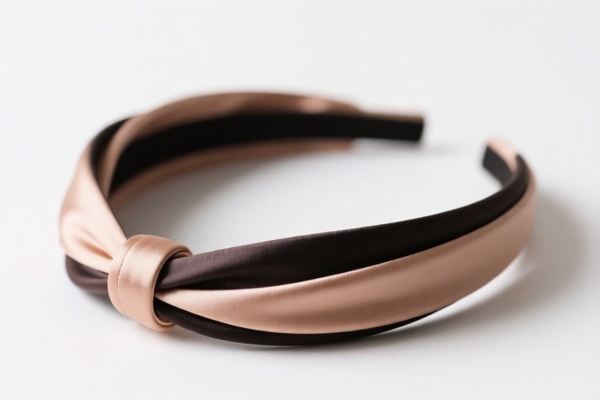
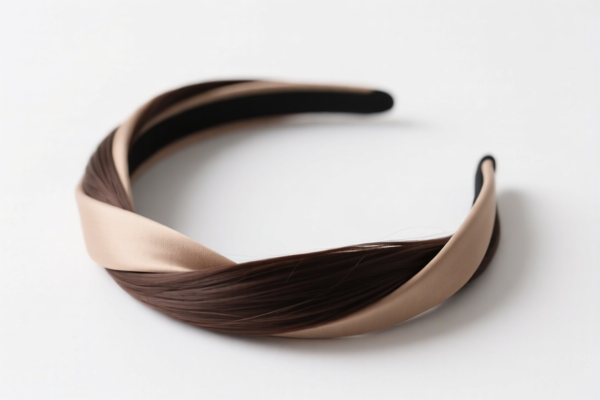


AI Analysis
🎀 Hairbands (Headbands & Hair Accessories)
🌐 HS Code Reference & Customs Clearance Guide | 2026 Latest Tariff Analysis | Professional Customs Strategy
📌 I. Product Definition & Classification: Do You Really Know "Hairbands"?
A Hairband (Headband) is a decorative or functional accessory used to hold hair back, decorate the head, or secure hairstyles. In international trade, its classification depends heavily on material composition (plastic, rubber, fabric, silk, knitted) and structural form.
⚠️ Key Differentiation Point:
- If made of plastic/rubber (hard/rigid) → Often classified under Chapter 96 (Miscellaneous articles).
- If made of fabric/textile (knitted or woven) → Often classified under Chapter 61 or 62 (Apparel/Accessories).
- Silk content may trigger specific textile sub-categories with different tax rates.
📦 II. HS Code Classification Details (2026 Latest Tariff Authority Comparison)
Based on the provided data, here are the 6 potential classifications for Hairbands:
| HS Code | Product Description & Material Match | Tax Rate (Total) | Key Tax Details |
|---|---|---|---|
9615.11.40.00 |
Plastic/Rubber Headbands: Decorative hair ornaments made of hard plastic or hard rubber. No gemstones. | 15.3% | Base: 5.3% + 122 Clause: 10% |
9615.19.60.00 |
Mixed Material Headbands: Combs, clips, and similar hair ornaments made of fabric or plastic. | 21.0% | Base: 11.0% + 122 Clause: 10% |
6217.10.85.00 |
Textile Accessories (Woven): Hairbands, ponytail holders, and similar items. "Other" residual category for woven accessories. | 24.6% | Base: 14.6% + 122 Clause: 10% |
6217.10.10.10 |
Silk-Content Headbands: Hairbands, ponytail ties, etc., containing silk. | 19.8% | Base: 2.3% + Add-on: 7.5% + 122 Clause: 10% |
6117.80.20.00 |
Knitted Fabric Accessories: Other accessories, knitted, made of fabric/textile. | 18.7% | Base: 1.2% + Add-on: 7.5% + 122 Clause: 10% |
6117.80.85.00 |
Knitted/Crocheted Headbands: Hairbands, ponytail clips, knitted or crocheted "other" apparel accessories. | 32.1% | Base: 14.6% + Add-on: 7.5% + 122 Clause: 10% |
🔍 Critical Observation:
- Chapter 96 (9615.xx) is generally for non-textile (plastic/rubber) ornaments.
- Chapter 61 (6117.xx) is for knitted/crocheted accessories.
- Chapter 62 (6217.xx) is for woven accessories (not knitted).
- Silk (6217.10.10.10) offers the lowest Base Tax but has an additional tariff component.
💰 III. 2026 Latest Tariff Rate Breakdown (Detailed Analysis)
✅ Applicable Context: Import from China (CN) to US (US)
✅ Policy Basis: Base Tariff + Section 301 (122 Clause) + Other Additional Tariffs
🎯 1. 9615.11.40.00 – Plastic/Rubber Headbands (Lowest Base)
| Item | Content |
|---|---|
| Base Tariff | 5.3% |
| 122 Clause (Section 301) | +10.0% |
| Total Tariff | 15.3% |
| Explanation | Best option for hard plastic or hard rubber hairbands without gems. Low base tax makes it cost-effective. |
🎯 2. 6217.10.10.10 – Silk Hairbands (Lowest Base, High Add-on)
| Item | Content |
|---|---|
| Base Tariff | 2.3% |
| Additional Tariff (Section 301) | +7.5% |
| 122 Clause | +10.0% |
| Total Tariff | 19.8% |
| Explanation | If the hairband contains silk, the base tax is very low (2.3%), but the total is higher than plastic due to the specific "Additional Tariff" layer. |
🎯 3. 6117.80.20.00 – Knitted Fabric Accessories (Mid-Range)
| Item | Content |
|---|---|
| Base Tariff | 1.2% |
| Additional Tariff | +7.5% |
| 122 Clause | +10.0% |
| Total Tariff | 18.7% |
| Explanation | Ideal for knitted/cotton headbands. The base tax is extremely low (1.2%), making it competitive for mass-market fabric bands. |
🎯 4. 6117.80.85.00 – Knitted/Crocheted Headbands (Highest Tax)
| Item | Content |
|---|---|
| Base Tariff | 14.6% |
| Additional Tariff | +7.5% |
| 122 Clause | +10.0% |
| Total Tariff | 32.1% |
| Explanation | Avoid if possible! This category has a high base tax (14.6%) for knitted/crocheted items, making it the most expensive option. |
🛠️ IV. Customs Clearance Practical Advice (Actionable Strategy)
✅ 1. Material Verification is Mandatory
Before shipping, test the material.
- Hard Plastic/Rubber → Claim 9615.11.40.00 (15.3%).
- Knitted Fabric (Cotton/Poly) → Claim 6117.80.20.00 (18.7%).
- Sewn/Woven Fabric → Claim 6217.10.85.00 (24.6%).
- Silk Blend → Claim 6217.10.10.10 (19.8%).
🚫 Risk: Misclassifying knitted fabric as woven (or vice versa) leads to under/overpayment and potential audits.
✅ 2. Declaring the "122 Clause" (Section 301)
- The 10% tariff is applied to all listed HS Codes for Chinese origin goods.
- Strategy: You cannot avoid this 10% if the goods are made in China. However, choosing a code with a low base rate (like
9615.11.40.00or6117.80.20.00) keeps the total cost lower.
✅ 3. Product Description Optimization
Your commercial invoice must be precise to avoid "Customs Hold."
- Bad: "Hair accessories" (Too vague).
- Good: "Plastic Headband, Non-gem, Chapter 96" OR "Knitted Fabric Headband, Cotton, Chapter 61".
- Tip: Explicitly state "No artificial gemstones" for 9615.11.40.00 to avoid reclassification to higher-value categories.
✅ 4. Avoid the "Knitted" Trap
- If your headband is crocheted or knitted and falls under
6117.80.85.00, the tax is 32.1%. - Recommendation: If possible, switch to woven (Chapter 62) or plastic (Chapter 96) materials to save ~13-14% in tax.
🌍 V. Quick Comparison Summary
| Material Type | Recommended HS Code | Total Tax | Verdict |
|---|---|---|---|
| Plastic/Rubber | 9615.11.40.00 |
15.3% | ✅ Best Value (Lowest Base) |
| Knitted Fabric | 6117.80.20.00 |
18.7% | ✅ Good (Low Base) |
| Silk Content | 6217.10.10.10 |
19.8% | ⚠️ Moderate (Low Base, High Add-on) |
| Woven Fabric | 6217.10.85.00 |
24.6% | ⚠️ Higher Tax |
| Crocheted/Other Knit | 6117.80.85.00 |
32.1% | ❌ Avoid (Highest Base) |
📌 VI. Common Pitfalls & Solutions
❌ Mistake 1: Calling all "Fabric Headbands" 9615.19.60.00 (21.0%).
👉 Correction: If it's knitted, use 6117; if woven, use 6217. Using 9615 for fabric might be rejected or audited.
❌ Mistake 2: Ignoring the "Silk" component.
👉 Correction: If silk > 50%, you MUST use 6217.10.10.10. Misdeclaring silk as cotton leads to penalties.
❌ Mistake 3: Assuming "Hairband" is always Chapter 96.
👉 Correction: Only non-textile (plastic/rubber) headbands go to Chapter 96. Textile headbands go to Chapter 61/62.
🎯 VII. Conclusion: Smart Tariff Planning
Golden Rule:
"Plastic wins on tax (15.3%), Knitted is okay (18.7%), Crocheted is expensive (32.1%)."
- Audit your material: Is it hard plastic, knitted, or woven?
- Select the HS Code that matches the material exactly.
- Calculate: Base Rate + 10% (Section 301) = Total Cost.
- Pre-decision: Apply for a Binding Tariff Ruling (BTR) if your product has unique features (e.g., mixed materials) to avoid surprises at the port.
🚀 Pro Tip: For high-volume shipments, switch to Plastic (9615.11.40.00) or Knitted Fabric (6117.80.20.00) to minimize the 32.1% tax trap associated with complex knitted/crocheted items.
✨ Clear Customs, Keep Your Margin!
💼 Choose the right HS Code, and the tax bill will be your friend!
Customer Reviews
About HS Code Classification
The Harmonized System (HS) is an internationally standardized nomenclature developed by the World Customs Organization (WCO) to classify traded products. Over 200 countries use the HS system as the basis for customs tariffs, trade statistics, and import/export regulations.
Each HS code follows a hierarchical structure:
- Chapter (2 digits) — Broad category of goods (e.g., Chapter 84: Machinery and Mechanical Appliances)
- Heading (4 digits) — More specific grouping within the chapter
- Subheading (6 digits) — Internationally standardized breakdown, used by all WCO member countries
- National subdivisions (8-10 digits) — Country-specific extensions for further classification, such as US HTSUS 10-digit codes
Correct HS code classification is essential for smooth customs clearance, accurate duty payment, and compliance with trade regulations. Misclassification can lead to customs delays, overpayment of duties, or penalties.
When importing from CN to US, the applicable tariff rates may include:
- Most-Favored-Nation (MFN) rate — The standard duty rate applied to WTO members
- General rate — Applied to countries without trade agreements
- Trade remedy duties — Additional tariffs such as Section 301 (anti-dumping), Section 232 (national security), or countervailing duties
The information provided on this page is for reference purposes only. For official classification, please consult with your local customs authority or a licensed customs broker.