Hairdressing Scissors
CN → US| HS Code | Tariff Rate | Origin | Destination | Doc |
|---|---|---|---|---|
| 8213006000 | 0.0% | CN | US | Official Doc |
| 8213003000 | 0.0% | CN | US | Official Doc |
| 8214909000 | 0.0% | CN | US | Official Doc |
| 8214906000 | 0.0% | CN | US | Official Doc |
| 8510209000 | 39.0% | CN | US | Official Doc |
Product Images
AI Analysis
✂️ Hairdressing Scissors (Professional Shears & Clippers)
🌐 HS Code Reference & Customs Clearance Guide | 2026 Latest Tariff Structure | Professional Clearance Strategy
📌 I. Product Definition & Classification: Are You Clear on "Hairdressing Tools"?
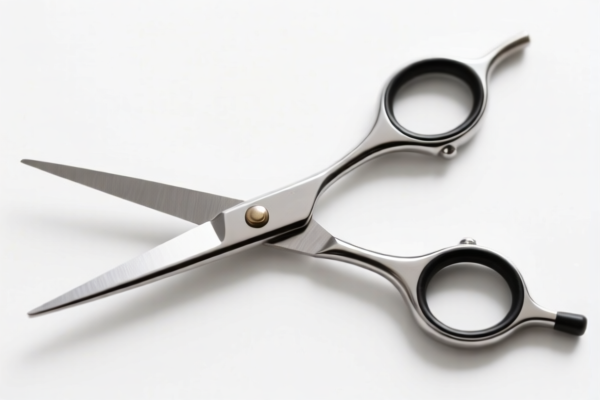
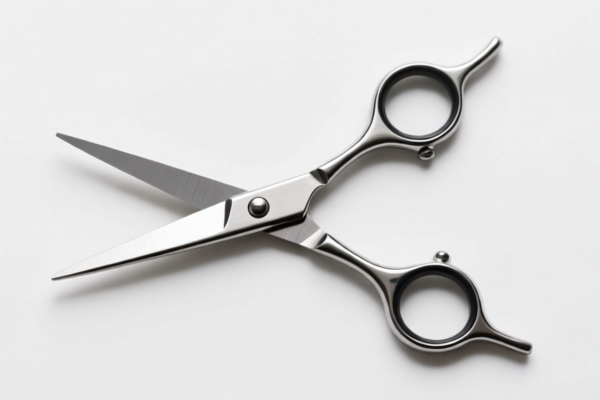
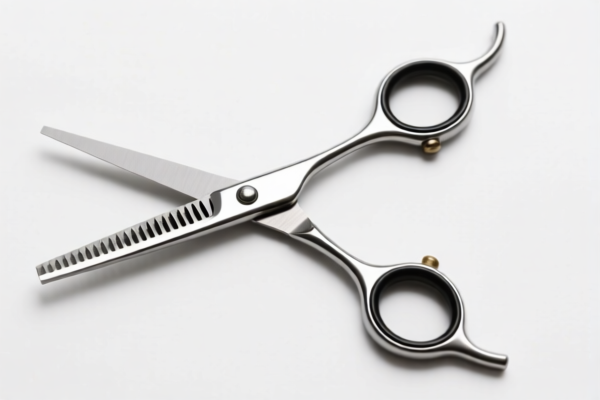
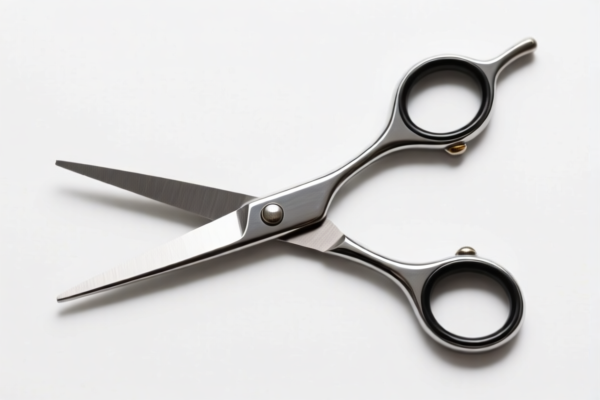
Hairdressing scissors and related cutting tools are specialized instruments used in salons, barber shops, and home grooming. In international trade, they are strictly divided based on mechanism (manual vs. electric) and material/component structure.
Manual Scissors & Shears: Traditional metal blades, non-powered, used for cutting hair. Electric Clippers/Trimers: Battery or corded powered devices with oscillating or rotating blades.
⚠️ Critical Distinction:
- If it is manual (hand-held, metal blades) → Classified under Heading 82.13 or 82.14 (Miscellaneous articles of base metal).
- If it is electric (powered motor, blades) → Classified under 8510.20.90.00 (Electric shavers, hair clippers).
- Misclassification Risk: Classifying electric clippers as manual scissors (or vice versa) leads to massive tax discrepancies due to the 25% Section 301 tariff on electronics vs. lower rates on tools.
📦 II. HS Code Classification Details (2026 Latest Tariff Authority)
| HS Code | Product Description | Application Scenario | Power Source |
|---|---|---|---|
8213.00.60.00 |
Scissors, tailor's shears, and similar shears (High-end/Professional Match) | Professional salon shears, precision cutting, "purpose completely matched" | ❌ Manual |
8213.00.30.00 |
Scissors, tailor's shears, and similar shears (Standard Category Match) | General purpose hairdressing scissors, standard cutting | ❌ Manual |
8214.90.90.00 |
Other articles of cutlery (Fits tool use description) | Non-shears cutting tools, specialized trimming blades, niche metal tools | ❌ Manual |
8214.90.60.00 |
Hair-cutting scissors and other cutting implements (Base metal parts) | Standard barber scissors, basic metal components | ❌ Manual |
8510.20.90.00 |
Electric hair clippers (Matches logic for powered devices) | Rechargeable clippers, corded trimmers, salon electric shavers | ✅ Electric |
🔍 Key Reminder:
- All "Electric" hair clippers/trimmers must be classified under 8510.20.90.00. Do not force them into metal articles.
- Manual scissors are classified under 82.13 or 82.14 depending on specific design and usage nuances.
- The 10% Section 122 Tariff and Section 301 Tariffs apply differently depending on the HS Code category.
💰 III. 2026 Latest Tariff Rate Breakdown (Including Surtaxes & Policy Add-ons)
✅ Applicable Country: United States (US)
✅ Origin: China (CN)
✅ Effective Time: Current trade policies (Section 301 & 122)
🎯 1. 8213.00.60.00 —— Professional Scissors (High-Precision Match)
| Item | Content |
|---|---|
| Base Tariff | 8¢ each + 8% (ad valorem) |
| Section 301 Surtax | 0.0% (No Section 301 on this specific sub-heading) |
| Section 122 Tariff | +10% |
| Total Effective Rate | 8¢/unit + 18% (8% base + 10% surtax) |
| Tax Calculation | (0.08 USD × Qty) + (CIF Value × 18%) |
| De Minimis Exemption | ❌ Not Applicable for commercial imports > $800 if subject to specific tariff lines |
| Legal Basis | HTSUS:8213.00.60.00 → Section 122: 10% |
📌 Explanation:
- This code is for high-end, purpose-specific shears.
- The "8¢ each" is a specific duty per unit.
- The total burden is the specific duty plus the sum of the base rate and the Section 122 surtax.
🎯 2. 8213.00.30.00 —— Standard Scissors (Category Match)
| Item | Content |
|---|---|
| Base Tariff | 1.7¢ each + 4.3% (ad valorem) |
| Section 301 Surtax | 0.0% (No Section 301 on this specific sub-heading) |
| Section 122 Tariff | +10% |
| Total Effective Rate | 1.7¢/unit + 14.3% (4.3% base + 10% surtax) |
| Tax Calculation | (0.017 USD × Qty) + (CIF Value × 14.3%) |
| De Minimis Exemption | ❌ Not Applicable |
| Legal Basis | HTSUS:8213.00.30.00 → Section 122: 10% |
📌 Note:
- Slightly lower base rate and specific duty than8213.00.60.00.
- Suitable for general hairdressing scissors that fit the broader category.
🎯 3. 8214.90.90.00 —— Other Metal Cutting Tools
| Item | Content |
|---|---|
| Base Tariff | 1.4¢ each + 3.2% (ad valorem) |
| Section 301 Surtax | 0.0% |
| Section 122 Tariff | +10% |
| Total Effective Rate | 1.4¢/unit + 13.2% (3.2% base + 10% surtax) |
| Tax Calculation | (0.014 USD × Qty) + (CIF Value × 13.2%) |
| De Minimis Exemption | ❌ Not Applicable |
| Legal Basis | HTSUS:8214.90.90.00 → Section 122: 10% |
📌 Explanation:
- Used for "other articles of cutlery" that don't fit standard scissors but are used as tools.
- Lower base rate, but still subject to the 10% Section 122 tariff.
🎯 4. 8214.90.60.00 —— Hair-Cutting Scissors (Base Metal Parts)
| Item | Content |
|---|---|
| Base Tariff | 0.2¢ each + 3.1% (ad valorem) |
| Section 301 Surtax | 0.0% |
| Section 122 Tariff | +10% |
| Total Effective Rate | 0.2¢/unit + 13.1% (3.1% base + 10% surtax) |
| Tax Calculation | (0.002 USD × Qty) + (CIF Value × 13.1%) |
| De Minimis Exemption | ❌ Not Applicable |
| Legal Basis | HTSUS:8214.90.60.00 → Section 122: 10% |
📌 Note:
- This is often the most cost-effective code for standard manual hairdressing scissors if they qualify as "other cutting implements" rather than precise "shears."
- Very low specific duty (0.2¢), making it attractive for high-volume, low-cost items.
🎯 5. 8510.20.90.00 —— Electric Hair Clippers (Powered)
| Item | Content |
|---|---|
| Base Tariff | 4.0% (ad valorem) |
| Section 301 Surtax | +25.0% (From USITC Footnote 9903.01.24/25) |
| Section 122 Tariff | +10% |
| Total Effective Rate | 39.0% |
| Tax Calculation | CIF Value × 39% |
| De Minimis Exemption | ❌ Deny De Minimis (High tax threshold) |
| Legal Basis | IEEPA:9903.01.24 → USITC:8510.20.90.00 → FOOTNOTE:9903.01.24 |
📌 CRITICAL WARNING:
- Electric clippers are heavily taxed!
- The 25% Section 301 surtax applies to electronics from China.
- The 10% Section 122 surtax also applies.
- Total Tax = 39%. This is significantly higher than manual scissors.
- Do NOT misclassify electric clippers as manual scissors (8213/8214) to avoid this. Customs will detect the motor/power source and reclassify, leading to penalties.
🛠️ IV. Customs Clearance Practical Advice (Live Pitfall Guide)
✅ 1. Preparation Checklist (Mandatory)
| Document | Required | Description |
|---|---|---|
| ✅ Product Specifications | ✔️ | Material (Stainless Steel, Titanium, Ceramic), Blade Length, Handle Type |
| ✅ Power Source Declaration | ✔️ | Crucial: Explicitly state "Manual" or "Electric (Battery/Corded)". For electric, include voltage/battery specs. |
| ✅ Product Photos | ✔️ | Clear images of blades, handles, and any logos/batteries. |
| ✅ Commercial Invoice | ✔️ | Must specify "Hairdressing Scissors" or "Electric Hair Clippers" accurately. |
| ✅ Packing List | ✔️ | Item count, gross weight, net weight. |
| ✅ HS Code Justification | ✔️ | If using 8214 instead of 8213, provide explanation of usage/category. |
✅ 2. Declaration Strategy (Key Mantra)
🔥 "Manual Check Metal, Electric Check Circuit, Name Matches Purpose!"
| Scenario | Correct HS Code | Error Consequence |
|---|---|---|
| Manual Scissors | 8213.00.60.00 or 8214.90.60.00 |
Tax ~13-18% |
| Electric Clippers | 8510.20.90.00 |
Tax 39% |
| Electric Clippers declared as Manual | ❌ Illegal | Customs reclassifies + Penalties + Back Taxes (Up to 39% vs 18%) |
| Manual Scissors declared as Electric | ❌ Overpayment | Pay 39% when you only owe 18%. No refund possible for over-declaration without complex procedures. |
📌 Tip:
- For manual scissors, if they are high-end, precision shears, use8213.00.60.00.
- For standard barber scissors,8214.90.60.00may offer the lowest tax burden (13.1%).
- For electric devices, always use8510.20.90.00. There is no way to avoid the 25% Section 301 tariff on electronics.
✅ 3. Special Cases
| Case | Handling Advice |
|---|---|
| OEM/Private Label | Ensure the supplier's HS code matches the product's true nature. If the supplier says "scissors" but it's electric, demand clarification. |
| Sets (Scissors + Comb + Bag) | Declare the main component (scissors). The comb/bag are accessories. Do not split items to avoid scrutiny. |
| Ceramic Blades | Still classified under 82.13 or 82.14 (base metal articles) if the cutting edge is metallic or treated. If entirely ceramic, check 6910 (Ceramic), but most hairdressing tools are metal-based. |
| Replacement Blades | If sold separately, classify as 8214.90.90.00 or 8213.00.30.00 depending on form. |
🌍 V. Global Market Clearance Comparison (2026)
| Country/Region | Recommended HS Code (Electric) | Tariff (China Origin) | Certification Required | Note |
|---|---|---|---|---|
| 🇺🇸 USA | 8510.20.90.00 |
39% (4% + 25% + 10%) | FCC (if electronic) | High tax barrier |
| 🇨🇳 China | 8510.20.90.00 |
5-8% | CCC (if electric) | Lower tax than US |
| 🇪🇺 EU | 8510.10.00 (approx) |
0-4% | CE, RoHS | No Section 301 |
| 🇬🇧 UK | 8510.10.00 (approx) |
0-4% | UKCA, RoHS | Post-Brexit rules |
📌 Conclusion:
- USA is the most expensive market for electric hairdressing tools due to the 25% Section 301 tariff.
- Manual scissors are more tax-efficient in the US (13-18% total) compared to electric (39%).
- Consider sourcing electric clippers from non-China origins (e.g., Vietnam, Italy) to avoid the 25% Section 301 surtax if importing to the US.
📌 VI. Common Mistakes & Pitfalls (Blood & Tears Lessons)
❌ Mistake 1: Classifying Electric Clippers under 8213 (Scissors) to save tax.
👉 Consequence: Customs inspection finds the motor. Reclassified to 8510. Back taxes (25% difference) + Penalties. Risk: 39% vs 18%.
❌ Mistake 2: Not declaring Section 122 tariff for manual scissors.
👉 Consequence: All manual scissors from China under 82.13/82.14 are subject to 10% Section 122. Failure to declare leads to audits.
❌ Mistake 3: Vague Description "Hair Tools".
👉 Consequence: Customs holds shipment for classification review. Delays of 2-4 weeks.
✅ Correct Approach:
"Manual Hairdressing Scissors, Stainless Steel, 5.5 inch, No Power Source, Model XYZ"
OR
"Electric Hair Clippers, Rechargeable Lithium Battery, 110V, FCC Certified, Model ABC"
🎯 VII. Conclusion: Professional Declaration, Save Costs, Avoid Risks!
🎯 Key Takeaways:
🔹 Manual Scissors: Tax ~13-18%. Use
8213.00.60.00(High-end) or8214.90.60.00(Standard).
🔹 Electric Clippers: Tax 39%. Must use8510.20.90.00. No workaround.
🔹 Always Declare Power Source: This is the single biggest factor in tariff calculation.
🔹 Section 122: Applies to manual tools. Section 301: Applies to electric tools.
📌 Pro Tip:
If you are importing electric clippers to the US, consider supply chain diversification. Sourcing from countries not subject to Section 301 (e.g., EU, Japan) can save you 25% in taxes.
📣 Action Required:
📞 Confirm product type (Manual vs. Electric)
📸 Provide clear product images
📝 Declare accurate HS Code based on power source
🚀 Clear Customs Smoothly, Maximize Profit Margins!
✨ Professional Clearance Starts with Accurate Classification!
💼 Every Percent of Tax Saved is Pure Profit!
Customer Reviews
About HS Code Classification
The Harmonized System (HS) is an internationally standardized nomenclature developed by the World Customs Organization (WCO) to classify traded products. Over 200 countries use the HS system as the basis for customs tariffs, trade statistics, and import/export regulations.
Each HS code follows a hierarchical structure:
- Chapter (2 digits) — Broad category of goods (e.g., Chapter 84: Machinery and Mechanical Appliances)
- Heading (4 digits) — More specific grouping within the chapter
- Subheading (6 digits) — Internationally standardized breakdown, used by all WCO member countries
- National subdivisions (8-10 digits) — Country-specific extensions for further classification, such as US HTSUS 10-digit codes
Correct HS code classification is essential for smooth customs clearance, accurate duty payment, and compliance with trade regulations. Misclassification can lead to customs delays, overpayment of duties, or penalties.
When importing from CN to US, the applicable tariff rates may include:
- Most-Favored-Nation (MFN) rate — The standard duty rate applied to WTO members
- General rate — Applied to countries without trade agreements
- Trade remedy duties — Additional tariffs such as Section 301 (anti-dumping), Section 232 (national security), or countervailing duties
The information provided on this page is for reference purposes only. For official classification, please consult with your local customs authority or a licensed customs broker.