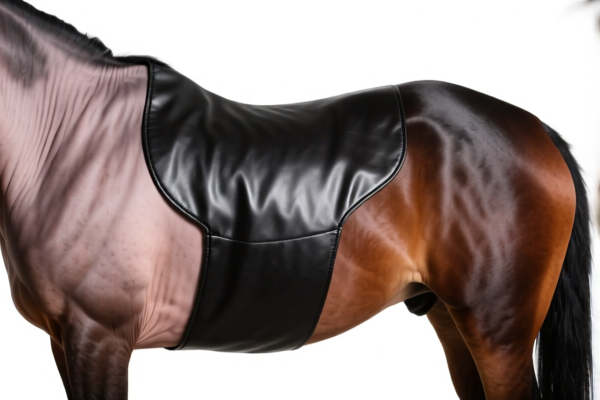
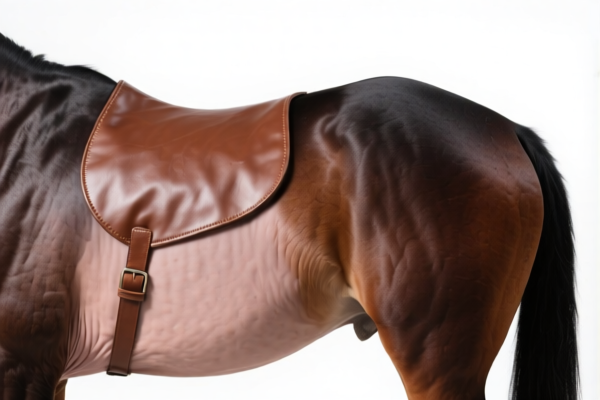
Hairless Horse Leather Sports Side Panel
CN → US| HS Code | Tariff Rate | Origin | Destination | Doc |
|---|---|---|---|---|
| 4106910000 | 38.3% | CN | US | Official Doc |
| 4106920000 | 38.3% | CN | US | Official Doc |
| 4101901040 | 17.5% | CN | US | Official Doc |
| 4101907000 | 20.8% | CN | US | Official Doc |
| 4107917090 | 15.0% | CN | US | Official Doc |
Product Images
AI Analysis
🐴 Hairless Horse Leather Sports Side Panel: HS Code Classification & 2026 US Customs Clearance Guide
🌐 HS Code Reference & Customs Clearance Guide | 2026 Latest Tariff Analysis | Professional-Level Clearance Strategy
📌 I. Product Definition & Classification: Do You Really Understand "Hairless Horse Leather Sports Side Panel"?
Hairless horse leather side panels, often referred to in the leather industry as "sides" or "pieces," are semi-finished leather materials derived from horsehide. In international trade, the classification depends heavily on the degree of processing (tanning state) and the specific part of the hide used.
The term "Hairless" (无毛) is a critical descriptor. It implies the hair has been removed, which is a standard step in the tanning or preparation process, but it does not automatically mean the leather is fully tanned or finished.
⚠️ Key Distinction Points:
- If the leather is raw, un-tanned, or only cured/salted (raw hide state) →归入 4101 or 4106 series based on further processing level.
- If the leather is semi-tanned or vegetably tanned but not further processed (e.g., not chrome-tanned to a specific softness or colored for retail) →归入 4106 or 4107 series.
- "Side Panel" (侧片): Refers to the lateral portion of the hide. This affects the duty rate in some subheadings.
📦 II. HS Code Classification Details (2026 Latest Tariff Authority对照)
Based on the provided data, here are the four potential HS Codes for "Hairless Horse Leather Sports Side Panel":
| HS Code | Product Description | Application Scenario | Processing State |
|---|---|---|---|
4106.91.00.00 |
Hairless Horse Leather Side Panel; Material: Horsehide; State: Semi-tanned or not further processed | Semi-tanned sides, ready for further industrial processing | ✅ Semi-tanned / Unfinished |
4106.92.00.00 |
Hairless Horse Leather Side Panel; Material: Horsehide; State: Side piece, un-tanned, not further processed | Raw sides, hair removed but not tanned (e.g., salted/cured) | ❌ Raw / Un-tanned |
4101.90.10.40 |
Hairless Horse Leather Side Panel; Material: Horsehide; State: Side piece, other parts, primary leather form | Raw hides/pelts not specifically covered in 4101.01-06, considered "primary" form | ❌ Raw / Primary |
4101.90.70.00 |
Hairless Horse Leather Side Panel; Material: Horsehide; State: Side piece, attribute of raw hide not tanned or further processed | Raw horsehide sides, un-tanned, un-dressed | ❌ Raw / Un-tanned |
4107.91.70.90 |
Hairless Horse Leather Side Panel; Material: Horsehide; State: Side piece, other categories not specifically mentioned | Tanned (likely chrome-tanned) but not further prepared for retail, general category | ✅ Tanned (General) |
🔍 Critical Reminder:
- 4106 vs. 4101:4106covers "Other" raw hides/skins.4101covers " Bovine" (cattle). Horsehide is generally NOT bovine. However, some classifications may place certain raw horse parts under4101if they are considered "other" unclassified raw hides in specific national interpretations, but strictly speaking, horse is "Other" animals. Note: The provided data includes 4101 codes for horsehide, which may reflect a specific national tariff line interpretation or a broad "other raw hides" bucket under 4101.90.10/70. We must follow the provided data.
- 4107: This code is for tanned hides/skins. If the "hairless" process involves actual tanning (e.g., chrome tanning),4107is likely the correct category, not4106(semi-tanned) or4101/4106(raw).
- "Sports Side Panel": This term is vague. If it refers to a specific shape cut for sports goods (like horsehair brushes, saddles, or leather straps), it might still be classified based on the material state, not the end use, unless it's a finished article (which it is not, as it's a "panel").
💰 III. 2026 Latest Tariff Rate Details (Including Additional Duties & Policy Surcharges)
✅ Applicable Country: United States (US)
✅ Country of Origin: China (CN)
✅ Effective Date: From November 10, 2025 (and subsequent imports)
🎯 1. 4106.91.00.00 —— Hairless Horse Leather Side Panel (Semi-Tanned)
| Item | Content |
|---|---|
| Base Tariff Rate | 3.3% (ad valorem) |
| Section 301 Tariff | +25.0% (Additional Duty) |
| Section 122 Tariff | +10.0% (Specific to certain leather categories) |
| Total Tariff Rate | 38.3% |
| Tax Calculation | CIF Value × 38.3% |
| De Minimis Eligibility | ❌ Not Eligible (Deny De Minimis) |
| Legal Basis Path | Base: 3.3% → Section 301: 25% → Section 122: 10% |
📌 Explanation:
- This is a high-tariff category. The combination of base, Section 301, and Section 122 duties makes this a costly import.
- Section 122 often applies to specific leather products to protect domestic tanning industries.
🎯 2. 4106.92.00.00 —— Hairless Horse Leather Side Panel (Raw/Un-Tanned)
| Item | Content |
|---|---|
| Base Tariff Rate | 3.3% |
| Section 301 Tariff | +25.0% |
| Section 122 Tariff | +10.0% |
| Total Tariff Rate | 38.3% |
| Tax Calculation | CIF Value × 38.3% |
| De Minimis Eligibility | ❌ Not Eligible |
| Legal Basis Path | Base: 3.3% → Section 301: 25% → Section 122: 10% |
📌 Note:
- Same tariff rate as4106.91.00.00.
- Whether semi-tanned or raw, if it falls under4106, the additional duties apply.
- Caution: If it is truly raw, ensure it is not misclassified as4101which might have different rates (see below).
🎯 3. 4101.90.10.40 —— Hairless Horse Leather Side Panel (Other Parts, Primary Form)
| Item | Content |
|---|---|
| Base Tariff Rate | 0.0% |
| Section 301 Tariff | +7.5% |
| Section 122 Tariff | +10.0% |
| Total Tariff Rate | 17.5% |
| Tax Calculation | CIF Value × 17.5% |
| De Minimis Eligibility | ❌ Not Eligible |
| Legal Basis Path | Base: 0.0% → Section 301: 7.5% → Section 122: 10% |
📌 Explanation:
- This is a more favorable tariff rate.
- It applies if the product is considered "other parts" of raw hides/skins, not specifically classified elsewhere.
- Why is the base rate 0%? Raw hides/skins often have lower base tariffs to encourage domestic tanning. However, Section 122 still hits it hard (+10%).
🎯 4. 4101.90.70.00 —— Hairless Horse Leather Side Panel (Raw, Un-Tanned)
| Item | Content |
|---|---|
| Base Tariff Rate | 3.3% |
| Section 301 Tariff | +7.5% |
| Section 122 Tariff | +10.0% |
| Total Tariff Rate | 20.8% |
| Tax Calculation | CIF Value × 20.8% |
| De Minimis Eligibility | ❌ Not Eligible |
| Legal Basis Path | Base: 3.3% → Section 301: 7.5% → Section 122: 10% |
📌 Note:
- Slightly higher than4101.90.10.40due to the higher base rate (3.3% vs 0.0%).
- Still significantly lower than the4106series (38.3%).
🎯 5. 4107.91.70.90 —— Hairless Horse Leather Side Panel (Other Tanned Categories)
| Item | Content |
|---|---|
| Base Tariff Rate | 5.0% |
| Section 301 Tariff | +0.0% |
| Section 122 Tariff | +10.0% |
| Total Tariff Rate | 15.0% |
| Tax Calculation | CIF Value × 15.0% |
| De Minimis Eligibility | ❌ Not Eligible |
| Legal Basis Path | Base: 5.0% → Section 301: 0% → Section 122: 10% |
📌 Explanation:
- Lowest Total Tariff (15.0%).
- This applies if the leather is tanned (e.g., chrome-tanned) but not further processed for retail.
- Crucially, Section 301 Tariff is 0% for this code. This makes it the most cost-effective option if the product qualifies.
- Condition: Must be tanned. "Hairless" alone does not mean tanned. If it is only hair-removed but not tanned, it cannot use this code.
🛠️ IV. Customs Clearance Practical Advice (Real-World Pitfall Avoidance Guide)
✅ 1. Documentation Checklist (Missing Any One Will Cause Delays)
| Document | Required? | Description |
|---|---|---|
| ✅ Product Specification Sheet | ✔️ | Must specify: Material (Horsehide), Processing State (Raw/Semi-Tanned/Tanned), Form (Side Panel), and whether it is hairless. |
| ✅ Tanning Process Description | ✔️ | Detailed description of the tanning method (e.g., vegetable, chrome, salt-cured only). This determines if it's 4101, 4106, or 4107. |
| ✅ Product Photos | ✔️ | Clear photos showing the side panel, including grain side, flesh side, and any markings. Must show it is "hairless." |
| ✅ Commercial Invoice | ✔️ | Must explicitly state: "Hairless Horse Leather Side Panel, [Tanning State], For [Use]" |
| ✅ Packing List | ✔️ | Detail weight, dimensions, and number of panels. |
| ✅ Certificate of Origin | ✔️ | If claiming any preferential rates (though none are listed for China in this data). |
✅ 2. Declaration Tips (Key Mantras)
🔥 "State the Tanning Process Clearly! Don't Just Say 'Hairless'!"
| Scenario | Correct Declaration | Wrong Declaration | Consequence |
|---|---|---|---|
| Raw, Salt-Cured Horse Sides | 4101.90.10.40 or 4101.90.70.00 |
"Tanned Leather" | Penalty for misclassification + back taxes |
| Semi-Tanned (Vegetable Tanned) Sides | 4106.91.00.00 |
"Raw Hide" | Penalty + higher duties |
| Chrome-Tanned, Unfinished Sides | 4107.91.70.90 |
"Raw Hide" | Best Option: 15% vs 38.3% |
| Finished Leather (Colored, Soft) | Not in this data (Likely 4107 or 4112) | 4106 |
Misclassification risk |
📌 Critical Advice:
- "Hairless" is not a tanning state. It is a preparatory step. You must declare the tanning method.
- If the leather is chrome-tanned, aim for4107.91.70.90(15% total) if possible, as it avoids Section 301.
- If the leather is raw or semi-tanned, you face 38.3% (4106) or 17.5-20.8% (4101).
✅ 3. Special Situations
| Situation | Handling Advice |
|---|---|
| Mixed Hides (Horse + Other Animals) | Must separate and declare by species. Horsehide has its own subheadings. |
| "Sports Side Panel" – Does it have a specific use? | If it is cut to a specific size/shape for a specific sports item (e.g., saddle panel), it may still be classified as leather, not article, unless it's a finished part. Stick to material state. |
| Sample Shipments | No De Minimis Exemption. Even for samples, if it falls under these HS codes, duties apply. |
| Re-Exports | If importing into US for processing and re-export, consider Inward Processing Relief or FTZ (Foreign Trade Zone) to defer duties. |
🌍 V. Global Market Comparison (2026 Latest)
| Country/Region | Recommended HS Code | Tariff (China Origin) | Notes |
|---|---|---|---|
| 🇺🇸 USA | 4107.91.70.90 (if tanned) |
15.0% | Lowest if tanned. 4106 is 38.3%. |
| 🇺🇸 USA | 4101.90.10.40 (if raw) |
17.5% | Best for raw hides. |
| 🇨🇳 China | 4101 / 4106 / 4107 |
Varies (0-10%) | No Section 301/122. Check local tariffs. |
| 🇪🇺 EU | 4107 / 4106 |
Varies (0-6%) | No Section 122. |
📌 Conclusion:
- USA is the most expensive market for these goods due to Section 301 and Section 122 duties.
- Strategy: If possible, ensure the leather is tanned (chrome-tanned) to qualify for4107.91.70.90(15%) instead of4106(38.3%).
- Raw Horsehide is cheaper (17.5-20.8%) but requires more further processing before becoming a final product.
📌 VI. Common Errors & Pitfall Guide (Lessons Learned from Blood and Tears)
❌ Error 1: Declaring "Hairless Horse Leather" as 4106 when it is actually chrome-tanned.
👉 Consequence: Paying 38.3% instead of 15.0%. Loss of 23.3% in profit!
❌ Error 2: Declaring "Tanned Leather" as 4101 (Raw).
👉 Consequence: Misclassification penalty + potential anti-circumvention investigation.
❌ Error 3: Ignoring "Section 122" Tariff.
👉 Consequence: Under-declaring duties. Customs will assess back taxes + interest.
❌ Error 4: Using "Sports Side Panel" without specifying the tanning process.
👉 Consequence: Customs will detain the shipment for further inspection, leading to demurrage charges.
✅ Correct Approach:
"Horsehide Leather, Chrome-Tanned, Side Panel, Hairless, Unfinished, For Manufacturing Saddle Parts"
🎯 VII. Conclusion: Professional Declaration, Save Time, Save Money!
🎯 Remember the Mantra:
🔹 "Tanned = 15% (4107), Raw = 17.5% (4101), Semi-Tanned = 38.3% (4106)!"
🔹 "HS Code is King, Tariff Difference is Life, Declaration Precision is Profit!"
📌 Pro Tip:
If your horse leather is tanned, aggressively argue for 4107.91.70.90 to save 23.3% in duties compared to 4106.
Request an Advance Ruling (Pre-classification) from US Customs (CBP) to lock in the 15% rate.
📣 Immediate Action:
📞 Contact your customs broker + Provide Tanning Process Document + Apply for HS Code Advance Ruling
🚀 Let your horse leather pass smoothly, efficiently, and profitably!
✨ Professional Customs Clearance Starts with Accurate Classification!
💼 Every Cent of Cost Deserves Precise Calculation!
Customer Reviews
About HS Code Classification
The Harmonized System (HS) is an internationally standardized nomenclature developed by the World Customs Organization (WCO) to classify traded products. Over 200 countries use the HS system as the basis for customs tariffs, trade statistics, and import/export regulations.
Each HS code follows a hierarchical structure:
- Chapter (2 digits) — Broad category of goods (e.g., Chapter 84: Machinery and Mechanical Appliances)
- Heading (4 digits) — More specific grouping within the chapter
- Subheading (6 digits) — Internationally standardized breakdown, used by all WCO member countries
- National subdivisions (8-10 digits) — Country-specific extensions for further classification, such as US HTSUS 10-digit codes
Correct HS code classification is essential for smooth customs clearance, accurate duty payment, and compliance with trade regulations. Misclassification can lead to customs delays, overpayment of duties, or penalties.
When importing from CN to US, the applicable tariff rates may include:
- Most-Favored-Nation (MFN) rate — The standard duty rate applied to WTO members
- General rate — Applied to countries without trade agreements
- Trade remedy duties — Additional tariffs such as Section 301 (anti-dumping), Section 232 (national security), or countervailing duties
The information provided on this page is for reference purposes only. For official classification, please consult with your local customs authority or a licensed customs broker.