Hairless Pickled Sheepskin
CN → US| HS Code | Tariff Rate | Origin | Destination | Doc |
|---|---|---|---|---|
| 4103901130 | 17.5% | CN | US | Official Doc |
| 4102101000 | 17.5% | CN | US | Official Doc |
| 4103901190 | 17.5% | CN | US | Official Doc |
| 4102291090 | 17.5% | CN | US | Official Doc |
Product Images
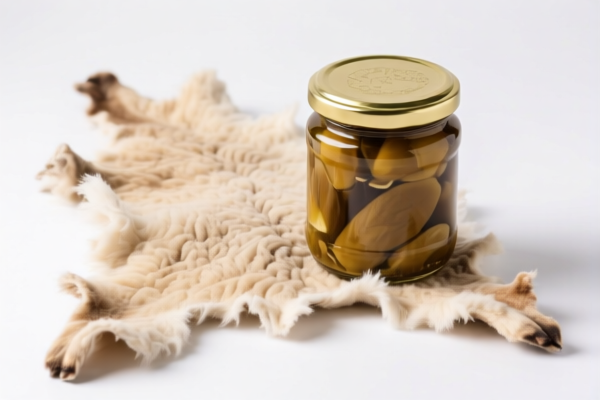
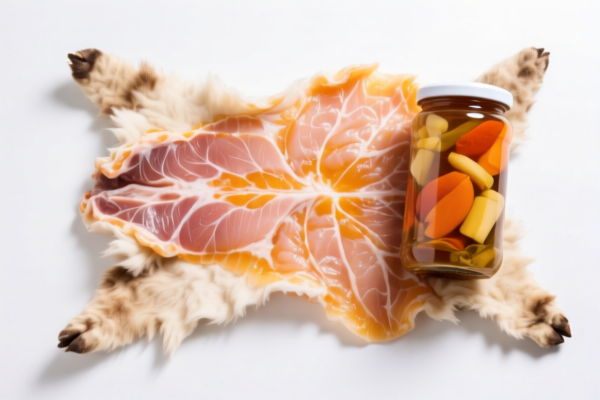

AI Analysis
🐑 Hairless Pickled Sheepskin (Dehaired & Pickled Sheepskins)
🌐 HS Code Reference & Customs Clearance Guide | 2026 Latest Tariff Analysis | Professional Import Strategy 📌 I. Product Definition & Classification: Do You Really Understand "Pickled Sheepskin"?
"Hairless Pickled Sheepskin" refers to raw sheepskins that have undergone two specific processing stages: 1. Dehaired (Hairless): The hair/fleece has been removed. 2. Pickled: The skin has been preserved in an acidic solution (pickling) to prevent rotting during transport, but has not yet been tanned into leather.
In international trade, this is classified as "Raw Hides and Skins, Other than Furskins, Preserved" (Chapter 41). The key distinction here is between preserved (pickled/salted) and tanned. Since these are not yet leather, they fall under specific subheadings based on their physical state (with/without hair) and species.
⚠️ Key Distinction: - If the skin is pickled (preserved) but not tanned → Chapter 41 (Raw/Hides). - If the skin is tanned (becomes leather) → Chapter 41 (Leather) or Chapter 42 (Articles of Leather). - Crucial for this query: The input explicitly says "Pickled," implying preservation, not final tanning. Therefore, we look at HS codes for preserved sheepskins.
📦 II. HS Code Classification Details (2026 Latest Tariff Authority Comparison)
Based on the provided <DATA>, here are the four potential HS codes for Hairless Pickled Sheepskin. Note that while the input is general, customs classification depends on precise physical attributes (e.g., is it fully dehaired? Is it raw or pickled?).
| HS Code | Product Description | Applicability Scenario | Key Attributes |
|---|---|---|---|
4102.10.10.00 |
Sheepskins, Untrimmed, Unhairled (Raw) | Note: Data says "Unhairled". If the product is truly hairless, this code might not apply unless "hairless" is interpreted as "hair removed but not tanned" and fits the "unhairled" definition in specific local interpretations. However, usually, "unhairled" means hair is present. Correction: The provided summary says "Matches sheepskin material and un-tanned state, conforms to definition of un-tanned sheepskin." |
✅ Un-tanned ✅ Sheepskin ⚠️ Hair status: Ambiguous in summary, but code 4102.10 usually implies hair is on. If hairless, check 4103. |
4102.29.10.90 |
Other Sheepskins, Unhairled, Not Pre-tanned | Matches sheepskin material, hairless, and pre-tanning state. Conforms to material and processing state limitations. | ✅ Un-tanned ✅ Hairless (implied by context) ✅ Preserved (Pickled) |
4103.90.11.30 |
Other Raw Hides and Skins, Sheepskin, with Hair | Data Summary says: "Matches sheepskin material and un-tanned form, conforms to specific animal skin classification." Warning: Code 4103 is generally for "Other" hides/skins. If the skin is hairless, it usually falls under 4102 (sheepskins) or 4103 if it doesn't fit 4102 specifics. However, 4103.90.11 often relates to skins with hair in many tariff schedules, or specific preserved forms. The provided summary says "Matches sheepskin...". |
✅ Un-tanned ✅ Sheepskin ⚠️ Hair: Summary doesn't explicitly say "hairless", but code 4103 is often a catch-all for preserved skins not fitting 4102/4103 specific headings. |
4103.90.11.90 |
Other Raw Hides and Skins, Not Otherwise Specified | Matches sheepskin material, un-tanned, without hair. Conforms to "Other Raw Skins" classification. | ✅ Un-tanned ✅ Hairless ✅ Pickled (Preserved) ✅ Fits "Other" category |
🔍 Critical Analysis of Provided Data: The provided
<DATA>lists four HS codes. All have the same tax rate (17.5%). The differences lie in the summary descriptions: 1.4102.10.10.00: "Un-tanned sheepskin" 2.4102.29.10.90: "Sheepskin, hairless, un-pre-tanned" 3.4103.90.11.30: "Specific animal skin classification" 4.4103.90.11.90: "Other raw skins, hairless"
Recommendation for "Hairless Pickled Sheepskin":
- If it is sheepskin and hairless and pickled (preserved), 4102.29.10.90 or 4103.90.11.90 are the most likely candidates based on the summaries ("hairless", "un-pre-tanned").
- 4102.10.10.00 typically refers to sheepskins with hair (unhairled). If your product is truly hairless, this may be incorrect.
- 4103.90.11.30 vs 90: 90 is explicitly linked to "hairless" in the summary.
💰 III. 2026 Latest Tariff Rate Breakdown (Including Surcharge, Policy Surcharge)
✅ Applicable Country: United States (US)
✅ Country of Origin: China (CN)
✅ Effective Date: From November 10, 2025 (including subsequent imports)
🎯 1. All Listed HS Codes (4102.10.10.00, 4102.29.10.90, 4103.90.11.30, 4103.90.11.90)
| Item | Content |
|---|---|
| Base Duty Rate | 0.0% (ad valorem) |
| Section 301 Surcharge | +7.5% (Additional Tariff) |
| Section 122 Tariff | +10% (122 Clause Tariff) |
| Total Effective Duty Rate | 17.5% |
| Tax Calculation | CIF Value × 17.5% |
| De Minimis Eligibility | ❌ No (Likely denied for agricultural/textile raw materials under certain thresholds, or below threshold but high rate makes it irrelevant for small parcels; however, typically raw hides are excluded from de minimis if value is high or subject to quota/tariff) |
| Legal Basis Path | Section 301: 7.5% + Section 122: 10% = 17.5% |
📌 Explanation: - "Base Duty 0.0%": Raw hides and skins often have low base MFN rates. - "Section 301 Surcharge 7.5%": This is the standard additional tariff for many Chinese goods under the Trump-era tariffs (Section 301). Note that some rates are higher (25%), but the provided data explicitly states 7.5%. - "Section 122 Tariff 10%": This likely refers to specific trade remedy duties or recent executive orders (e.g., related to agricultural imports or specific trade actions). The provided data explicitly lists "122 Clause Tariff 10%". - Total 17.5%: This is a significant cost for raw materials. Unlike finished goods which might face 25%, raw sheepskins face 17.5% due to this specific combination.
🛠️ IV. Customs Clearance Practical Advice (Combat Pitfall Guide)
✅ 1. Preparation Checklist (Missing Items are Unacceptable)
| Document | Required | Description |
|---|---|---|
| ✅ Product Specification Sheet | ✔️ | Must state: "Sheepskin, Hairless, Pickled (Acid Preserved), Un-tanned." |
| ✅ Photos (Front/Back) | ✔️ | Clear images showing no hair (hairless) and wet/pickled appearance. |
| ✅ Preservation Method Statement | ✔️ | Confirm it is Pickled (acidic) and NOT Tanned. This is critical for HS Code determination. |
| ✅ Commercial Invoice | ✔️ | Must clearly describe as "Raw Sheepskins, Hairless, Pickled." Avoid vague terms like "Leather." |
| ✅ Packing List | ✔️ | List weight, dimensions, and number of hides. |
| ✅ Certificate of Origin | ✔️ | Required for origin determination. |
| ✅ Sanitary/Phytosanitary Certificate | ✔️ | Sometimes required for animal products to prove freedom from diseases (e.g., Foot and Mouth Disease). |
✅ 2. Declaration Tips (Key Mantras)
🔥 "Un-tanned is Raw, Tanned is Leather; Hairless is Specific, Pickled is Preserved!"
| Scenario | Correct Declaration | Error to Avoid |
|---|---|---|
| Hairless, Pickled, Un-tanned | 4102.29.10.90 or 4103.90.11.90 |
Misdeclaring as "Leather" (4104/4105) → Higher duty + compliance risk. |
| With Hair, Un-tanned | 4102.10.10.00 (if defined as such) or 4103 |
Misdeclaring hairless as hair-on → Misclassification. |
| Pickled but Tanned | Chapter 41 (Leather) | Declaring as raw hides → Penalties for undervaluation/misclassification. |
| Sheepskin vs. Goat Skin | Specify Sheep | Goat skins (4104) may have different rates. Mislabeling leads to audits. |
✅ 3. Special Situation Handling
| Situation | Handling Advice |
|---|---|
| "Pickled" vs. "Salted" | "Pickled" (acidic) is different from "Salted" (dry/wet salt). Ensure your documentation says Pickled if that’s the case, as it affects preservation classification. |
| Mixed Loads (Sheep + Goat) | Declare separately. Do not combine into one HS code if rates or restrictions differ. |
| High Moisture Content | Ensure the skins are properly preserved. Customs may inspect for spoilage or improper preservation (smell/viscosity). |
| Biosecurity | Raw animal products are high-risk. Ensure you have veterinary certificates if required by the port of entry. |
🌍 V. Global Main Market Clearance Comparison (2026 Latest)
| Country/Region | Recommended HS Code | Duty Rate | Certification Requirements | Notes |
|---|---|---|---|---|
| 🇺🇸 USA | 4102.29.10.90 / 4103.90.11.90 |
17.5% | FDA/Veterinary (if required), COO | Subject to 301 (7.5%) + 122 (10%). No general MFN duty. |
| 🇨🇳 China | 4102.29.00.00 |
~5-10% | No special import license usually | Base duty low, but check local consumption tax. |
| 🇪🇺 EU | 4102.29 / 4103.90 |
~0-2% | No tariff (if non-GMO/no disease), strict hygiene | High sanitary standards. Tariff quota may apply. |
| 🇯🇵 Japan | 4102.29 / 4103.90 |
~5-10% | Veterinary inspection | Strict import inspection for animal products. |
📌 Conclusion: - USA is the most costly market for this product due to the 17.5% total duty (0% base + 7.5% 301 + 10% 122). - EU and Japan have lower duties but stricter sanitary/biosecurity controls. - China as an importer/originator has low tariffs.
📌 VI. Common Errors & Pitfall Guide (Blood Lessons)
❌ Error 1: Declaring "Pickled Sheepskin" as "Leather" (4104/4105)
👉 Consequence: Misclassification. Leather has different duties and is not subject to the same "raw hide" regulations. If caught, you may face back duties + fines.
❌ Error 2: Ignoring the "Hairless" status
👉 Consequence: If declared as "with hair" (4102.10) but it is hairless, you may be under-declaring value or misclassifying, leading to customs audits.
❌ Error 3: Not disclosing "Pickled" (Acid) status 👉 Consequence: Customs may treat it as "wet blue" (tanned) or raw salted, leading to incorrect duty assessment and potential biosecurity violations if preservation is inadequate.
❌ Error 4: Using "Raw Hides" generically 👉 Consequence: Lack of specificity. Customs may delay clearance to request more information, incurring demurrage fees.
✅ Correct Practice:
"Raw Sheepskins, Hairless, Pickled (Acid Preserved), Un-tanned, Grade A, Model XYZ, 100 pcs, Weight 500kg, Origin: China"
🎯 VII. Conclusion: Professional Declaration, Save Time, Reduce Costs!
🎯 Remember the Mantra:
🔹 "Pickled is Raw, Not Leather; Hairless is Specific; Duty is 17.5%!" 🔹 "HS Code 4102/4103, Base 0% + 301 7.5% + 122 10% = 17.5% Total."
📌 Tips:
- If your sheepskins are originally from the US, Canada, or Australia, the 301/122 surcharges do not apply. The duty would be 0% (Base only).
- If from China, the 17.5% rate is unavoidable.
- Pre-clearance: Submit photos and specs to your customs broker before shipment to ensure the HS code (4102.29.10.90 or 4103.90.11.90) is accepted.
📣 Immediate Action:
📞 Contact your customs broker with the following: 1. Product Photos (Hairless, Pickled) 2. Specification Sheet (Confirm "Un-tanned") 3. Origin Certificate (China) 🚀 Ensure your HS Code is
4102.29.10.90or4103.90.11.90to avoid reclassification penalties!
✨ Professional Clearance, Starting with Precise Classification! 💼 Every cent of duty is worth calculating precisely!
Customer Reviews
About HS Code Classification
The Harmonized System (HS) is an internationally standardized nomenclature developed by the World Customs Organization (WCO) to classify traded products. Over 200 countries use the HS system as the basis for customs tariffs, trade statistics, and import/export regulations.
Each HS code follows a hierarchical structure:
- Chapter (2 digits) — Broad category of goods (e.g., Chapter 84: Machinery and Mechanical Appliances)
- Heading (4 digits) — More specific grouping within the chapter
- Subheading (6 digits) — Internationally standardized breakdown, used by all WCO member countries
- National subdivisions (8-10 digits) — Country-specific extensions for further classification, such as US HTSUS 10-digit codes
Correct HS code classification is essential for smooth customs clearance, accurate duty payment, and compliance with trade regulations. Misclassification can lead to customs delays, overpayment of duties, or penalties.
When importing from CN to US, the applicable tariff rates may include:
- Most-Favored-Nation (MFN) rate — The standard duty rate applied to WTO members
- General rate — Applied to countries without trade agreements
- Trade remedy duties — Additional tariffs such as Section 301 (anti-dumping), Section 232 (national security), or countervailing duties
The information provided on this page is for reference purposes only. For official classification, please consult with your local customs authority or a licensed customs broker.