Hairpiece Connection Ring
CN → US| HS Code | Tariff Rate | Origin | Destination | Doc |
|---|---|---|---|---|
| 3926908500 | 24.0% | CN | US | Official Doc |
| 3926909989 | 22.8% | CN | US | Official Doc |
| 8308100000 | 0.0% | CN | US | Official Doc |
| 7117191500 | 25.5% | CN | US | Official Doc |
Product Images
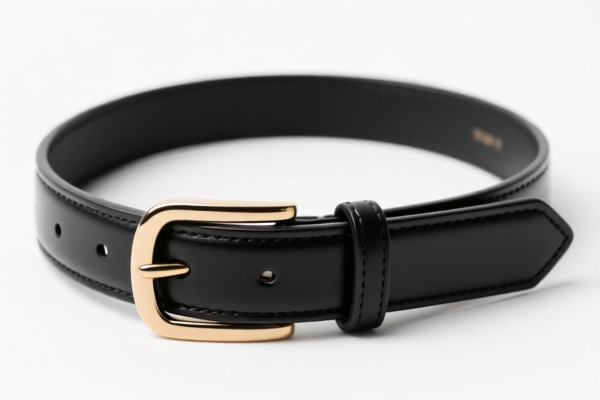
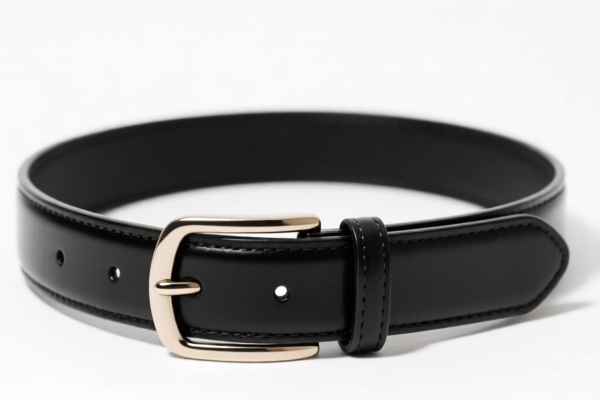


AI Analysis
🖇️ Hairpiece Connection Ring (Clip/Connector for Hair Systems)
🌐 HS Code Reference & Customs Clearance Guide | 2026 Latest Tariff Analysis | Professional Compliance Strategy
📌 I. Product Definition & Classification: What is a "Hairpiece Connection Ring"?
A Hairpiece Connection Ring is a critical component in the hair system industry, used to secure, connect, or anchor hairpieces (wigs, toupees, extensions) to the scalp or base. In international trade, its classification depends heavily on material and function, as it straddles the line between "plastic accessory," "metal fastener," and "jewelry/improvement product."
⚠️ Key Classification Logic:
- If made of Plastic/Composite: It is treated as a "Part/Accessory" for hairpieces or general plastic goods.
- If made of Base Metal: It is treated as a "Fastener" (hook/eye/clasp) or "Imitation Jewelry."
- Crucial Distinction: The material determines the HS Code chapter (Chapter 39 for Plastics vs. Chapter 83/71 for Metals).
📦 II. HS Code Classification Details (2026 Latest Tariff Alignment)
Based on the provided data, there are four primary classification paths depending on material and specific design.
| HS Code | Product Description | Material/Logic Basis | Application Scenario |
|---|---|---|---|
3926.90.85.00 |
Other articles of plastic | Plastic/Composite material. Classified as "Other" miscellaneous plastic articles. | Plastic connector rings, base metal clips with plastic coating. |
3926.90.99.89 |
Other plastics articles | Plastic material. "Catch-all" for plastic parts/components not specified elsewhere. | General plastic hairpiece connectors, non-specific plastic fasteners. |
8308.10.00.00 |
Clasp, framework with clasp, hooks, eyes | Base Metal. Functional category: Hook/Eye/Clasp. | Metal rings used for attachment (like jewelry clasps). |
7117.19.15.00 |
Imitation jewelry (of base metal) | Base Metal. Classified as "Imitation Jewelry" or metal chain-like products. | Decorative metal connection rings, metallic connectors resembling jewelry. |
🔍 Important Note:
- Plastic vs. Metal: Always verify the primary material. If the ring is plastic, use Chapter 39. If metal, use Chapter 83 or 71.
- Function vs. Material:8308.10.00.00focuses on the function (hook/clasp), while7117.19.15.00focuses on the nature (imitation jewelry/decorative metal).
- "Catch-All" Codes:3926.90.85.00and3926.90.99.89are used when the plastic connector doesn't fit a specific "apparatus part" definition.
💰 III. 2026 Latest Tariff Rate Breakdown (Including Surcharges)
✅ Applicable Country: United States (US)
✅ Country of Origin: China (CN)
✅ Effective Date: From November 10, 2025 (and subsequent imports)
🎯 1. 3926.90.85.00 —— Plastic Articles (Miscellaneous)
| Item | Detail |
|---|---|
| Base Tariff | 6.5% |
| Section 301 Surcharge | +7.5% (Additional 301 Tariff) |
| Section 122 Surcharge | +10% (122 Clause Tariff) |
| Total Effective Rate | 24.0% |
| Tax Calculation | CIF Value × 24.0% |
| De Minimis Eligibility | ❌ No (Not eligible for Section 321 de minimis exemption) |
| Legal Basis Path | Base: 6.5% → 301: 7.5% → 122: 10% |
📌 Explanation:
- This code attracts a moderate-high tariff.
- The 10% Section 122 tariff is a specific surcharge often applied to certain plastic goods or goods from specific origins.
- Total 24% is significantly higher than standard MFN rates due to trade tensions.
🎯 2. 3926.90.99.89 —— Other Plastic Articles (Catch-All)
| Item | Detail |
|---|---|
| Base Tariff | 5.3% |
| Section 301 Surcharge | +7.5% |
| Section 122 Surcharge | +10% |
| Total Effective Rate | 22.8% |
| Tax Calculation | CIF Value × 22.8% |
| De Minimis Eligibility | ❌ No |
| Legal Basis Path | Base: 5.3% → 301: 7.5% → 122: 10% |
📌 Note:
- Slightly cheaper than3926.90.85.00due to a lower base rate (5.3% vs 6.5%).
- Use this code if the product is a generic plastic connector not specifically listed in other subheadings.
- Risk: Customs may challenge this if the item is deemed a "specific part" for hairpieces, potentially pushing it to other codes.
🎯 3. 8308.10.00.00 —— Base Metal Clasps/Hooks
| Item | Detail |
|---|---|
| Base Tariff | 1.1¢/kg + 2.9% |
| Section 301 Surcharge | +25.0% |
| Section 122 Surcharge | +10% |
| Total Effective Rate | 35.0% + 1.1¢/kg |
| Tax Calculation | (CIF Value × 35%) + (Weight × 1.1¢) |
| De Minimis Eligibility | ❌ No |
| Legal Basis Path | Base: 1.1¢/kg + 2.9% → 301: 25.0% → 122: 10% |
📌 Explanation:
- Ad Valorem + Specific Rate: This code has a dual tariff structure. You pay a percentage AND a per-kilogram fee.
- High 301 Surcharge: The 25% Section 301 rate is typical for base metal articles of a kind used in jewelry or fasteners.
- Total Burden: ~35% + weight-based fee. This is often more expensive than plastic counterparts if the item is heavy.
🎯 4. 7117.19.15.00 —— Imitation Jewelry (Base Metal)
| Item | Detail |
|---|---|
| Base Tariff | 8.0% |
| Section 301 Surcharge | +7.5% |
| Section 122 Surcharge | +10% |
| Total Effective Rate | 25.5% |
| Tax Calculation | CIF Value × 25.5% |
| De Minimis Eligibility | ❌ No |
| Legal Basis Path | Base: 8.0% → 301: 7.5% → 122: 10% |
📌 Note:
- Classified as "Imitation Jewelry" due to the decorative or chain-like nature of metal connection rings.
- Total 25.5% is comparable to plastic codes.
- Risk: If customs determines the item is purely functional (a fastener) and not "jewelry," they may reject this code and apply8308.10.00.00instead, leading to penalties.
🛠️ IV. Customs Clearance Practical Advice (Real-World Pitfall Guide)
✅ 1. Documentation Checklist (Non-Negotiable)
| Document | Required? | Description |
|---|---|---|
| ✅ Product Specifications | ✔️ | Material composition (e.g., "Plastic: Polypropylene" or "Metal: Zinc Alloy"), dimensions, weight. |
| ✅ Product Photos | ✔️ | Clear images showing the ring, its function, and any branding. |
| ✅ Commercial Invoice | ✔️ | Must clearly state "Hairpiece Connection Ring" and the HS Code. |
| ✅ Packing List | ✔️ | Must include net weight (critical for 8308.10.00.00). |
| ✅ Material Declaration | ✔️ | Explicitly state if plastic or metal. Misdeclaration leads to severe penalties. |
✅ 2. Declaration Strategy (Key Mantras)
🔥 "Material First, Function Second. Plastic is 22-24%, Metal is 25-35%!"
| Scenario | Correct Declaration | Incorrect Declaration | Consequence |
|---|---|---|---|
| Plastic Ring | 3926.90.85.00 or 3926.90.99.89 |
8308.10.00.00 |
Overpayment or Audit |
| Metal Ring | 8308.10.00.00 (if functional) |
7117.19.15.00 (if purely functional) |
Potential Rejection |
| Decorative Metal Ring | 7117.19.15.00 |
8308.10.00.00 |
Underpayment or Dispute |
| Mixed Materials | Declare Primary Material | "Mixed Parts" | Customs Will Assign Higher Rate |
📌 Critical Tip:
- If the ring is plastic, ensure the description does not use words like "metal clip" or "gold-plated" unless true.
- If the ring is metal, clarify if it is "functional fastener" (HS 8308) or "decorative" (HS 7117). Customs often prefers8308for functional items.
✅ 3. Special Circumstances
| Situation | Handling Advice |
|---|---|
| OEM Custom Rings | Provide design files. If unique shape, argue for "other plastic articles" (3926) to avoid restrictive fastener codes. |
| Bulk vs. Retail | For bulk industrial shipments, emphasize "component part" status. For retail, "jewelry/fastener" may be more appropriate. |
| Weight Sensitive Items | For 8308.10.00.00, heavy items incur extra per-kg fees. Consider if plastic alternative (3926) is feasible for cost savings. |
| Origin Verification | Ensure Certificate of Origin matches the declaration. Mislabeling origin can trigger additional Section 301 penalties. |
🌍 V. Global Market Comparison (2026 Update)
| Country/Region | Recommended HS Code | Tariff (China Origin) | Key Requirement |
|---|---|---|---|
| 🇺🇸 USA | 3926.90.85.00 / 8308.10.00.00 |
22.8% - 35%+ | High 301/122 surcharges. Strict material proof. |
| 🇨🇳 China | 3926.90.85.00 |
~5-6% | No major surcharges. |
| 🇪🇺 EU | 3926.90.99 / 8308.10 |
0-4% (Duty) | VAT applies. No 301/122 surcharges. |
| 🇨🇦 Canada | 3926.90.85.00 |
~0-5% | CUSMA benefits if eligible. |
📌 Conclusion:
- The US market is the most expensive due to Section 301 and 122 tariffs.
- Plastic (3926) is generally cheaper and simpler than Metal (8308/7117) in the US due to lower surcharges on plastic goods.
📌 VI. Common Mistakes & Pitfalls (Lessons Learned)
❌ Mistake 1: Declaring a Metal Ring as Plastic
👉 Consequence: Fraud detection. Heavy fines, cargo seizure, loss of importer security bond.
❌ Mistake 2: Ignoring Weight for 8308.10.00.00
👉 Consequence: Underpayment of the 1.1¢/kg fee. Customs will assess back-taxes + interest.
❌ Mistake 3: Using "Hairpiece Part" as a generic description without HS Code
👉 Consequence: Customs assigns "Other" codes, often resulting in the highest possible duty rate.
✅ Correct Practice:
"Hairpiece Connection Ring, Material: Plastic (Polyester), Color: Black, Function: Anchoring, HS 3926.90.85.00"
🎯 VII. Conclusion: Precision Saves Money!
🎯 Remember the Mantras:
🔹 "Plastic is 22-24%, Metal is 25-35%."
🔹 "Material determines Chapter 39 vs. 83."
🔹 "Never ignore the 122 Clause – it adds 10%!"
📌 Pro Tip:
If your business volume is high, consider Advance Ruling from CBP to lock in the HS Code. This prevents future disputes and ensures budget predictability.
📣 Immediate Action:
📞 Consult a licensed customs broker.
📸 Provide clear product photos and material specs.
🚀 Avoid the 35% Metal Trap by using Plastic if possible!
✨ Professional Clearance Starts with Accurate Classification!
💼 Your Profit Margin Depends on These Decimal Points!
Customer Reviews
About HS Code Classification
The Harmonized System (HS) is an internationally standardized nomenclature developed by the World Customs Organization (WCO) to classify traded products. Over 200 countries use the HS system as the basis for customs tariffs, trade statistics, and import/export regulations.
Each HS code follows a hierarchical structure:
- Chapter (2 digits) — Broad category of goods (e.g., Chapter 84: Machinery and Mechanical Appliances)
- Heading (4 digits) — More specific grouping within the chapter
- Subheading (6 digits) — Internationally standardized breakdown, used by all WCO member countries
- National subdivisions (8-10 digits) — Country-specific extensions for further classification, such as US HTSUS 10-digit codes
Correct HS code classification is essential for smooth customs clearance, accurate duty payment, and compliance with trade regulations. Misclassification can lead to customs delays, overpayment of duties, or penalties.
When importing from CN to US, the applicable tariff rates may include:
- Most-Favored-Nation (MFN) rate — The standard duty rate applied to WTO members
- General rate — Applied to countries without trade agreements
- Trade remedy duties — Additional tariffs such as Section 301 (anti-dumping), Section 232 (national security), or countervailing duties
The information provided on this page is for reference purposes only. For official classification, please consult with your local customs authority or a licensed customs broker.