Halide Continuous Tone Photographic Paper
CN → US| HS Code | Tariff Rate | Origin | Destination | Doc |
|---|---|---|---|---|
| 3701996060 | 35.0% | CN | US | Official Doc |
| 3702440160 | 38.7% | CN | US | Official Doc |
| 3705000000 | 35.0% | CN | US | Official Doc |
| 3701996030 | 35.0% | CN | US | Official Doc |
Product Images
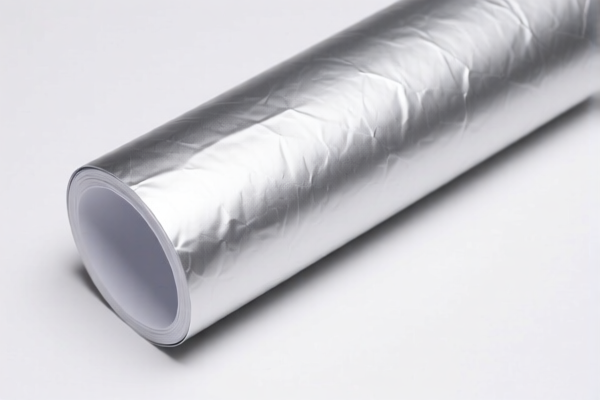
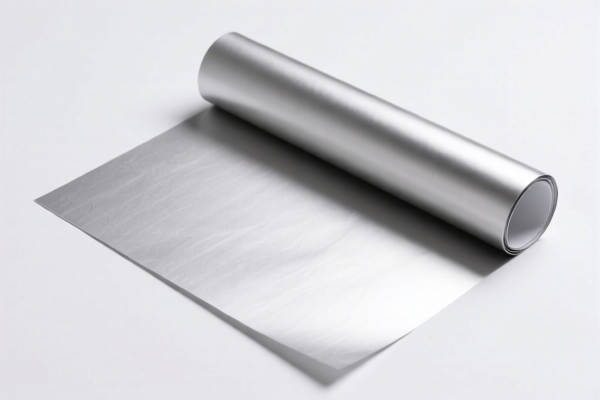
AI Analysis
📸 Halide Continuous Tone Photographic Paper: The "Silent Killer" of Customs Clearance 🚫💰
🌐 HS Code Reference & Customs Clearance Guide | 2026 Latest Tariff Analysis | Professional Transit Strategy
📌 I. Product Definition & Classification: Do You Really Understand "Halide Continuous Tone Photographic Paper"?
In international trade, the name "Halide Continuous Tone Photographic Paper" is a classic trap. Despite the word "Paper" in its name, this product is NOT classified as paper (Chapter 49). It is a sensitized material containing silver halides.
Its classification depends entirely on its physical form (sheet vs. roll) and its state (unexposed vs. exposed/developed). Misclassification here can lead to severe penalties, customs holds, or even shipment rejection.
⚠️ Critical Distinction Point:
- If it is unexposed and sheet/plane format → Likely 3701.99 (Sensitized Plates/Sheets).
- If it is unexposed and roll format → Likely 3702.44 (Sensitized Rolls).
- If it is exposed & developed → Likely 3705.00 (Photographic Plates/Films).
- Never classify under Chapter 49 (Paper)!
📦 II. HS Code Classification Details (Authoritative 2026 Reference)
Based on the provided data, here is the precise breakdown for this product:
| HS Code | Product Description | Applicable Scenario | Key Feature |
|---|---|---|---|
3701.99.60.60 |
Sensitized Film (Sheet/Plane) | Unexposed, halide-based, continuous tone, sheet format | ✅ Non-paper sens. material |
3702.44.01.60 |
Sensitized Roll Film | Unexposed, halide-based, continuous tone, roll format | ✅ Non-paper sens. roll |
3705.00.00.00 |
Photographic Plate/Film | Exposed & Developed | ✅ Already processed |
3701.99.60.30 |
Graphic Arts Film (Sheet) | Unexposed, halide-based, graphic arts application, sheet format | ✅ Non-paper sens. sheet |
3701.99.60.60 |
Other Sensitized Material | Unexposed, halide-based, other categories | ✅ Generic sens. material |
🔍 Key Reminder:
- State Matters:3705.00.00.00is for exposed/developed film. If your product is raw, unexposed stock, do not use this code.
- Format Matters: Rolls go to 3702; Sheets/Plates go to 3701.
- Material Matters: Silver Halide = Chapter 37. Paper base = Chapter 49. This product is Chapter 37.
💰 III. 2026 Latest Tariff Rate Breakdown (Detailed & Transparent)
✅ Applicable Country: United States (US)
✅ Origin: China (CN)
✅ Effective Date: November 10, 2025 (and subsequent imports)
🎯 1. Unexposed Sensitized Materials (3701.99.60.60, 3701.99.60.30)
| Item | Details |
|---|---|
| Base Tariff | 0.0% (Ad Valorem) |
| Section 301 Tariff | +25.0% (25% Additional Duty) |
| Section 122 Tariff | +10.0% (122-Clause Duty) |
| Total Tariff | 35.0% |
| Tax Calculation | CIF Value × 35% |
| De Minimis Exemption | ❌ Not Applicable |
| Legal Basis | Base Tariff + USITC Footnote + IEEPA 122-Clause |
📌 Explanation:
- The 0% base rate might look attractive, but the 35% total burden is significant.
- Section 301 (25%): Standard trade war tariff on Chinese goods.
- Section 122 (10%): Additional duty under the International Emergency Economic Powers Act (IEEPA).
- Combined: These are mandatory for Chinese-origin goods. No loophole.
🎯 2. Sensitized Roll Film (3702.44.01.60)
| Item | Details |
|---|---|
| Base Tariff | 3.7% (Ad Valorem) |
| Section 301 Tariff | +25.0% (25% Additional Duty) |
| Section 122 Tariff | +10.0% (122-Clause Duty) |
| Total Tariff | 38.7% |
| Tax Calculation | CIF Value × 38.7% |
| De Minimis Exemption | ❌ Not Applicable |
| Legal Basis | Base Tariff + USITC Footnote + IEEPA 122-Clause |
📌 Explanation:
- Rolls have a slightly higher base rate (3.7%) compared to sheets (0%).
- Total 38.7% makes rolls even more expensive.
- Warning: If you ship rolls, ensure the HS code matches3702.44.01.60exactly. Misreporting as sheets will trigger audits.
🎯 3. Exposed & Developed Film (3705.00.00.00)
| Item | Details |
|---|---|
| Base Tariff | 0.0% (Ad Valorem) |
| Section 301 Tariff | +25.0% (25% Additional Duty) |
| Section 122 Tariff | +10.0% (122-Clause Duty) |
| Total Tariff | 35.0% |
| Tax Calculation | CIF Value × 35% |
| De Minimis Exemption | ❌ Not Applicable |
| Legal Basis | Base Tariff + USITC Footnote + IEEPA 122-Clause |
📌 Explanation:
- If the film is already exposed and developed, it falls under3705.00.00.00.
- The tariff is 35.0%, same as unexposed sheets.
- Critical: Ensure the product is truly developed. If it’s just unexposed, use3701or3702.
🛠️ IV. Customs Clearance Practical Advice (Pitfall Avoidance Guide)
✅ 1. Required Documentation Checklist (Non-Negotiable)
| Document | Mandatory? | Explanation |
|---|---|---|
| ✅ Product Specification Sheet | ✔️ | Must state: "Halide Continuous Tone," "Sensitized," "Unexposed/Exposed," "Roll/Sheet" |
| ✅ Material Composition | ✔️ | Confirm Silver Halide content. Do NOT say "Paper." |
| ✅ Product Photos | ✔️ | Clear images of packaging, label, and the material itself (showing roll or sheet format) |
| ✅ Commercial Invoice | ✔️ | Accurate description: e.g., "Halide Sensitized Film, Roll, Unexposed" |
| ✅ Packing List | ✔️ | Detailed weight and dimensions to confirm roll/sheet format |
| ✅ Certificate of Origin | ✔️ | Required for tariff calculation (CN origin triggers 35-38.7%) |
📌 Pro Tip:
- If you write "Photographic Paper" on the invoice, Customs will likely reclassify it under Chapter 49, leading to delays and fines.
- Correct Term: Use "Sensitized Film" or "Halide Film."
✅ 2. Declaration Tips (Key Mnemonic)
🔥 "Roll vs. Sheet, Exposed vs. Raw, Name Matters!"
| Scenario | Correct HS Code | Wrong HS Code | Consequence |
|---|---|---|---|
| Unexposed, Sheet | 3701.99.60.60 / 3701.99.60.30 |
4911.10.00.00 (Paper) |
35% vs. Higher/Disputed |
| Unexposed, Roll | 3702.44.01.60 |
3701.99.60.60 |
38.7% vs. 35% (Overpaid) |
| Exposed & Developed | 3705.00.00.00 |
3701.99.60.60 |
35% (Same rate, but wrong code) |
| "Photographic Paper" | Do Not Use | Any Chapter 37 | Rejection/Fine |
✅ 3. Special Cases
| Case | Handling Advice |
|---|---|
| OEM Custom Film | Provide client order + design specs. Clarify if it’s for graphic arts (3701.99.60.30) or general use (3701.99.60.60). |
| Mixed Shipment | If shipping both rolls and sheets, declare separately. Do not mix HS codes. |
| Small Quantity (<$800) | ❌ No De Minimis Exemption. Even small shipments of Chinese-origin halide film are subject to 35-38.7% tariffs. |
🌍 V. Global Market Comparison (2026)
| Country/Region | Recommended HS Code | Tariff (China Origin) | Notes |
|---|---|---|---|
| 🇺🇸 USA | 3701.99.60.60 / 3702.44.01.60 / 3705.00.00.00 |
35.0% - 38.7% | High tariffs due to 301 & 122 clauses |
| 🇨🇳 China | 3701.99 / 3702.44 |
~0-5% (Import) | Lower duty, but check export controls |
| 🇪🇺 EU | 3701.99 / 3702.44 |
~0-6.5% | No additional punitive tariffs |
| 🇬🇧 UK | 3701.99 / 3702.44 |
~0-6.5% | Post-Brexit rules apply |
📌 Conclusion:
- USA is the most expensive market for this product due to叠加 tariffs.
- Consider supply chain diversification (e.g., manufacturing in Vietnam/Mexico) if targeting the US market, to potentially avoid 301/122 duties.
📌 VI. Common Mistakes & Pitfalls (Lessons Learned)
❌ Mistake 1: Calling it "Photographic Paper"
👉 Result: Customs reclassifies under Chapter 49, causing delays and potential penalties.
👉 Fix: Use "Halide Sensitized Film."
❌ Mistake 2: Mixing roll and sheet codes
👉 Result: Audit trigger. Customs may assess higher duty retroactively.
👉 Fix: Declare rolls and sheets separately.
❌ Mistake 3: Assuming small shipments are tax-free
👉 Result: De Minimis exemption does not apply to Chinese-origin goods under IEEPA Section 122.
👉 Fix: Prepare for 35-38.7% tariff even for small samples.
❌ Mistake 4: Ignoring "Exposed vs. Unexposed"
👉 Result: Wrong HS code (3705 vs. 3701/3702).
👉 Fix: Clearly state the state of the film in the invoice.
✅ Correct Declaration Example:
"Halide Continuous Tone Sensitized Film, Roll, Unexposed, Silver Halide Based, Model XYZ, Origin: China"
🎯 VII. Conclusion: Precision Saves Money!
🎯 Remember the Mantra:
🔹 "No Paper, Only Silver! Rolls & Sheets, Don’t Mix!"
🔹 "35-38% Tariff is Real, Plan Your Budget Well!"
🔹 "Invoice Must Say 'Film', Not 'Paper', Or Face the Pen!"
📌 Pro Tip:
If your film is originating from Vietnam, Mexico, Thailand, or Malaysia, you MAY be eligible for IEEPA Exemptions or lower 301 rates.
✅ Action:
📞 Consult a Licensed Customs Broker
📄 Apply for an Advance Ruling before shipment
🚀 Optimize Your Supply Chain to reduce tariff burden!
📣 Immediate Action Required:
- Verify the HS code with your supplier based on Roll/Sheet and Exposure Status.
- Update your invoice descriptions to "Halide Sensitized Film."
- Budget for 35-38.7% duty if shipping from China to the US.
✨ Professional Clearance Starts with Accurate Classification!
💼 Every Dollar Saved is a Dollar Earned!
Customer Reviews
About HS Code Classification
The Harmonized System (HS) is an internationally standardized nomenclature developed by the World Customs Organization (WCO) to classify traded products. Over 200 countries use the HS system as the basis for customs tariffs, trade statistics, and import/export regulations.
Each HS code follows a hierarchical structure:
- Chapter (2 digits) — Broad category of goods (e.g., Chapter 84: Machinery and Mechanical Appliances)
- Heading (4 digits) — More specific grouping within the chapter
- Subheading (6 digits) — Internationally standardized breakdown, used by all WCO member countries
- National subdivisions (8-10 digits) — Country-specific extensions for further classification, such as US HTSUS 10-digit codes
Correct HS code classification is essential for smooth customs clearance, accurate duty payment, and compliance with trade regulations. Misclassification can lead to customs delays, overpayment of duties, or penalties.
When importing from CN to US, the applicable tariff rates may include:
- Most-Favored-Nation (MFN) rate — The standard duty rate applied to WTO members
- General rate — Applied to countries without trade agreements
- Trade remedy duties — Additional tariffs such as Section 301 (anti-dumping), Section 232 (national security), or countervailing duties
The information provided on this page is for reference purposes only. For official classification, please consult with your local customs authority or a licensed customs broker.