Halide Silver Photographic Paper
CN → US| HS Code | Tariff Rate | Origin | Destination | Doc |
|---|---|---|---|---|
| 3703103060 | 38.7% | CN | US | Official Doc |
| 3703103090 | 38.7% | CN | US | Official Doc |
| 3707906000 | 35.0% | CN | US | Official Doc |
| 2942003500 | 41.5% | CN | US | Official Doc |
Product Images
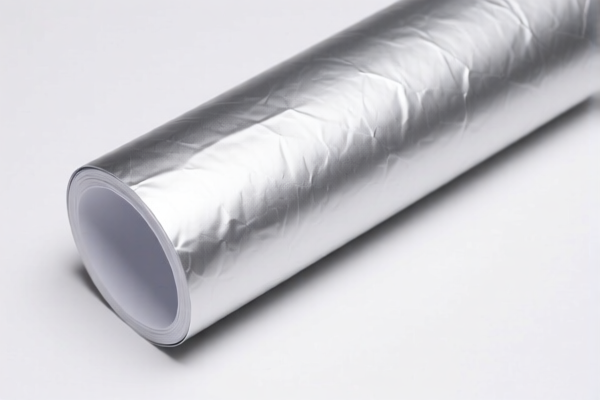
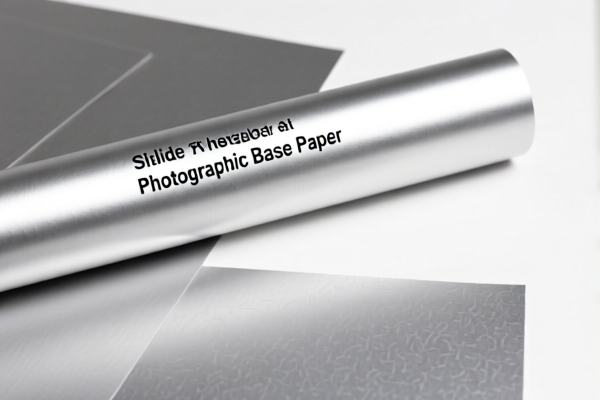
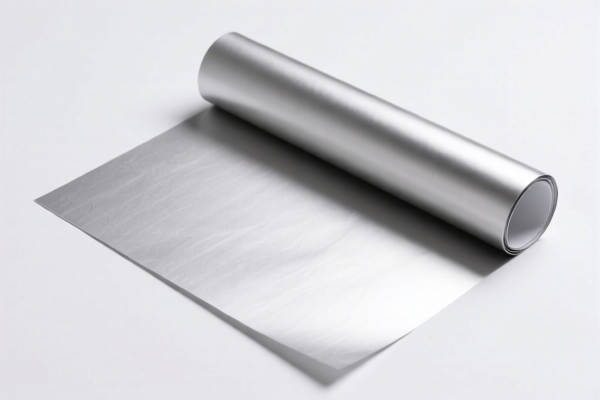
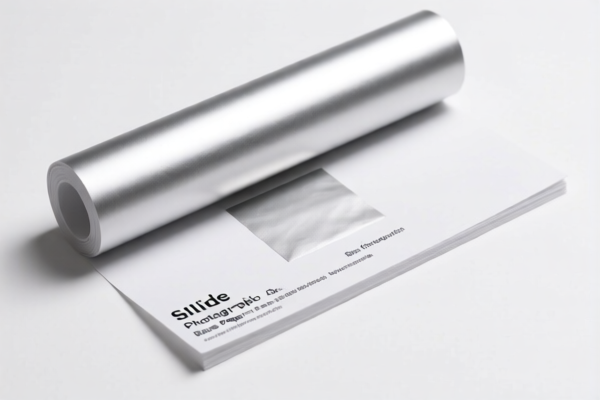
AI Analysis
📸 Halide Silver Photographic Paper & Chemical Stabilizers
🌐 HS Code Reference & Customs Clearance Guide | 2024/2025 Latest Tariff Analysis | Professional Clearance Strategy
📌 I. Product Definition & Classification: What is "Halide Silver" really?
Halide Silver (Silver Halide) Photographic Paper is a light-sensitive material used in traditional darkroom photography and industrial line reproduction. In international trade, its classification depends strictly on form (roll vs. sheet/stabilizer) and chemical composition.
According to the provided data, this product falls into two distinct categories: 1. Photographic Paper Rolls: Large-format rolls (>610mm width) classified under Chapter 37. 2. Chemical Stabilizers: Liquid or powder additives for developing processes, classified under Chapter 29 or 37 depending on their chemical nature.
⚠️ Key Distinction:
- If it is raw photographic paper (light-sensitive emulsion on paper base) in rolls >610mm → HS 3703.10.30.xx
- If it is a chemical stabilizer (used to fix the image) → HS 3707.90.60.00 or 2942.00.35.00
- Do not mix these two categories. Declaring a chemical stabilizer as photographic paper will lead to severe penalties and delayed customs release.
📦 II. HS Code Classification Details (Based on Provided Data)
| HS Code | Product Description | Application Scenario | Tax Details |
|---|---|---|---|
3703.10.30.60 |
Halide Silver Photographic Paper Roll, width >610mm, conforms to roll characteristics of light-sensitive materials | Large-format printing, industrial line reproduction, high-volume darkroom work | Total: 38.7% • Base: 3.7% • Section 301: 25.0% • Section 122: 10.0% |
3703.10.30.90 |
Halide Silver Photographic Paper Roll, width >610mm, specifically for line reproduction light-sensitive materials | Technical drawing, blueprint reproduction, specialized industrial imaging | Total: 38.7% • Base: 3.7% • Section 301: 25.0% • Section 122: 10.0% |
3707.90.60.00 |
Halide Silver Paper Stabilizer, classified as unmixed photographic chemicals | Chemical additive for fixing photographic images, pure chemical mixture | Total: 35.0% • Base: 0.0% • Section 301: 25.0% • Section 122: 10.0% |
2942.00.35.00 |
Halide Silver Paper Stabilizer, containing halogen organic compounds, classified as other organic compounds | Chemical stabilizer with complex organic halogen structures, non-pure mixture | Total: 41.5% • Base: 6.5% • Section 301: 25.0% • Section 122: 10.0% |
🔍 Critical Note:
- HS 3703.10 applies ONLY to light-sensitive paper rolls exceeding 610mm in width. Smaller rolls or sheets may have different codes not listed here.
- HS 3707 vs. HS 2942: The difference lies in the chemical purity and classification. If the stabilizer is a simple photographic chemical mixture, use3707.90.60.00(Lower Base Rate). If it is classified as a specific organic halogen compound under Chapter 29, use2942.00.35.00(Higher Base Rate +10% total).
- Always verify the material safety data sheet (MSDS) to determine if the stabilizer falls under Chapter 29 (Organic Chemicals) or Chapter 37 (Photographic Goods).
💰 III. 2024/2025 Latest Tariff Rate Breakdown (Including Add-ons, Policy Add-ons)
✅ Applicable Country: United States (US)
✅ Origin: China (CN)
✅ Effective Time: Current rates apply (Check for updates on Section 122 and 301)
🎯 1. 3703.10.30.60 & 3703.10.30.90 —— Halide Silver Photographic Paper Roll
| Item | Content |
|---|---|
| Base Tariff | 3.7% (ad valorem) |
| Section 301 Tariff | +25.0% (Trade Remedy Duties) |
| Section 122 Tariff | +10.0% (Specific Policy Tariff) |
| Total Tariff Rate | 38.7% |
| Tax Calculation | CIF Value × 38.7% |
| De Minimis Exemption | ❌ Not Eligible (Deny de minimis) |
| Legal Basis | HTSUS:3703.10.30.xx → USITC:301 → Section 122 |
📌 Explanation:
- "Base 3.7%": The standard Most Favored Nation (MFN) rate for photographic papers.
- "Section 301: 25%": Imposed on many Chinese goods under U.S. Trade Law Section 301.
- "Section 122: 10%": A specific additional duty applied to certain Chinese imports, often related to national security or trade balance adjustments.
- Combined Total: 38.7%. This is a high-duty category. Importers must factor this into their cost structure immediately.
🎯 2. 3707.90.60.00 —— Halide Silver Paper Stabilizer (Unmixed Chemicals)
| Item | Content |
|---|---|
| Base Tariff | 0.0% |
| Section 301 Tariff | +25.0% |
| Section 122 Tariff | +10.0% |
| Total Tariff Rate | 35.0% |
| Tax Calculation | CIF Value × 35.0% |
| De Minimis Exemption | ❌ Not Eligible (Deny de minimis) |
| Legal Basis | HTSUS:3707.90.60.00 → USITC:301 → Section 122 |
📌 Note:
- Although the base rate is 0%, the add-ons push the total to 35.0%.
- This is 3.7% cheaper than the photographic paper rolls (38.7%).
- Ensure your product is accurately described as a "stabilizer" and not "paper" to avoid misclassification penalties.
🎯 3. 2942.00.35.00 —— Halide Silver Paper Stabilizer (Organic Halogen Compounds)
| Item | Content |
|---|---|
| Base Tariff | 6.5% |
| Section 301 Tariff | +25.0% |
| Section 122 Tariff | +10.0% |
| Total Tariff Rate | 41.5% |
| Tax Calculation | CIF Value × 41.5% |
| De Minimis Exemption | ❌ Not Eligible (Deny de minimis) |
| Legal Basis | HTSUS:2942.00.35.00 → USITC:301 → Section 122 |
📌 Warning:
- This is the highest tax rate in the dataset (41.5%).
- It occurs when the stabilizer is classified under Chapter 29 as a specific organic chemical rather than a photographic preparation.
- Strategy: If possible, argue for classification under3707.90.60.00(35.0%) if the chemical formulation qualifies as an unmixed photographic chemical, saving 6.5% on the base value.
🛠️ IV. Customs Clearance Practical Advice (Real-World Pitfall Avoidance Guide)
✅ 1. Required Documentation List (Non-negotiable)
| Document | Required | Description |
|---|---|---|
| ✅ Product Specification Sheet | ✔️ | Must specify: Width (>610mm?), Format (Roll/Sheet), Sensitivity, Chemical Composition. |
| ✅ Material Safety Data Sheet (MSDS) | ✔️ | Critical for chemical stabilizers (3707 or 2942). Determines hazardous material classification. |
| ✅ Commercial Invoice | ✔️ | Must clearly state: "Halide Silver Photographic Paper Roll" OR "Photographic Chemical Stabilizer". Never use vague terms like "Paper Goods". |
| ✅ Packing List | ✔️ | Show net/gross weight. Ensure no mixing of paper and chemicals in one box unless properly declared. |
| ✅ Certificate of Origin (CO) | ✔️ | If not from China, may reduce/eliminate Section 301/122 duties. |
| ✅ Customs Entry Summary (CBP Form 7501) | ✔️ | Correct HS Code must be selected with 10-digit precision. |
✅ 2. Declaration Tips (Key Mantras)
🔥 "Paper vs. Chemical, Width Matters, Tax Differs!"
| Scenario | Correct Declaration | Wrong Practice |
|---|---|---|
| Roll width >610mm | 3703.10.30.60 or .90 |
Declaring as small roll (3703.90) → Risk of penalty |
| Roll width ≤610mm | Check other 3703 subheadings |
Not listed in data, but often taxed differently. Do not assume. |
| Liquid/Powder Stabilizer | 3707.90.60.00 (Preferred if eligible) |
Declaring as 2942 without justification → +6.5% extra tax |
| Organic Halogen Compound | 2942.00.35.00 |
Declaring as 3707 if it fits 2942 criteria → Misclassification |
| Mixed Shipment (Paper + Chemicals) | Split Declaration | Combining into one line item → Customs Seizure Risk |
✅ 3. Special Case Handling
| Situation | Handling Advice |
|---|---|
| OEM Custom Paper | Provide design specs. If unique, ensure description matches 3703.10.30.90 (Line Reproduction). |
| Chemical Stabilizer Ambiguity | If unsure between 3707 and 2942, provide chemical formula and intended use to CBP. Request a Binding Ruling beforehand. |
| Samples for Evaluation | Even samples are subject to 38.7% or 35%+ tariffs. No de minimis exemption applies. |
| Transshipment via Third Country | If goods are transshipped, ensure Certificate of Origin proves Chinese origin. Avoiding duties through false origin is illegal and high-risk. |
🌍 V. Global Market Customs Comparison (2024/2025)
| Country/Region | Recommended HS Code | Tariff Rate | Certification Requirements | Notes |
|---|---|---|---|---|
| 🇺🇸 USA | 3703.10.30.xx |
38.7% (Paper) 35.0%-41.5% (Chem) |
FCC (if electronic components), MSDS | Highest combined tariff due to Section 301 + 122. |
| 🇨🇳 China | 3703.10.30.xx |
Variable (Check FTAs) | CCC (if applicable) | Import duties may be lower if imported back under certain FTAs. |
| 🇪🇺 EU | 3703.10 |
~0-6.5% (General) | REACH Registration for chemicals | No Section 301/122. Lower tax burden than US. |
| 🇬🇧 UK | 3703.10 |
~0-6.5% | UK REACH | Post-Brexit rules apply. Generally lower than US. |
| 🇯🇵 Japan | 3703.10 |
~0-3% | PSE (if electronic) | No significant anti-dumping duties on photographic paper. |
📌 Conclusion:
- USA is the most expensive market for Halide Silver products due to layered tariffs.
- EU/UK/Japan offer significantly lower duty rates (~0-6.5%).
- If US market access is critical, consider supply chain diversification or pre-classification rulings to optimize tax liability.
📌 VI. Common Errors & Pitfall Avoidance (Lessons Learned)
❌ Error 1: Declaring Paper Rolls >610mm as "General Paper" (4801/4802)
👉 Consequence: Misclassification penalty, back taxes, and potential seizure. Photographic paper is exclusively Chapter 37.
❌ Error 2: Using "Photographic Chemicals" vague description for Stabilizers
👉 Consequence: CBP may default to 2942 (41.5%) instead of 3707 (35.0%). Always specify "Unmixed Photographic Stabilizer".
❌ Error 3: Assuming De Minimis ($800) applies
👉 Consequence: High Risk. Halide Silver products are explicitly excluded from de minimis exemptions under current US policy. All shipments are subject to duty.
❌ Error 4: Ignoring Section 122 Tariff
👉 Consequence: Underestimating total landed cost by 10%. Must include in price quotes.
✅ Correct Practice:
"Halide Silver Photographic Paper Roll, Width 660mm, Light-Sensitive, Darkroom Use, Model XYZ, MSDS Attached"
🎯 VII. Conclusion: Precise Classification Saves Money!
🎯 Remember the Mantra:
🔹 "Rolls over 610mm go to 3703, Stabilizers split 3707/2942."
🔹 "US Taxes: Base + 25% + 10% = High Cost."
🔹 "No De Minimis! Every Shipment is Taxable."
📌 Pro Tip:
- For Chemical Stabilizers, try to justify classification under 3707.90.60.00 (35.0%) rather than 2942.00.35.00 (41.5%) if the product is a simple photographic mixture.
- Request a CBP Binding Ruling before shipping large volumes to ensure HS Code accuracy.
- Consider tariff engineering or supply chain relocation if the 38.7%-41.5% US duty erodes profit margins significantly.
📣 Immediate Action:
📞 Contact a licensed US Customs Broker + Provide Product Specs + Submit for Pre-Ruling
🚀 Ensure smooth clearance, avoid audits, and protect your profit margins!
✨ Professional Clearance Starts with Accurate Classification!
💼 Your Landed Cost Matters – Calculate It Precisely!
Customer Reviews
About HS Code Classification
The Harmonized System (HS) is an internationally standardized nomenclature developed by the World Customs Organization (WCO) to classify traded products. Over 200 countries use the HS system as the basis for customs tariffs, trade statistics, and import/export regulations.
Each HS code follows a hierarchical structure:
- Chapter (2 digits) — Broad category of goods (e.g., Chapter 84: Machinery and Mechanical Appliances)
- Heading (4 digits) — More specific grouping within the chapter
- Subheading (6 digits) — Internationally standardized breakdown, used by all WCO member countries
- National subdivisions (8-10 digits) — Country-specific extensions for further classification, such as US HTSUS 10-digit codes
Correct HS code classification is essential for smooth customs clearance, accurate duty payment, and compliance with trade regulations. Misclassification can lead to customs delays, overpayment of duties, or penalties.
When importing from CN to US, the applicable tariff rates may include:
- Most-Favored-Nation (MFN) rate — The standard duty rate applied to WTO members
- General rate — Applied to countries without trade agreements
- Trade remedy duties — Additional tariffs such as Section 301 (anti-dumping), Section 232 (national security), or countervailing duties
The information provided on this page is for reference purposes only. For official classification, please consult with your local customs authority or a licensed customs broker.