Halide Silver Photographic Printing Plate
CN → US| HS Code | Tariff Rate | Origin | Destination | Doc |
|---|---|---|---|---|
| 3703103060 | 38.7% | CN | US | Official Doc |
| 3703103090 | 38.7% | CN | US | Official Doc |
| 3707906000 | 35.0% | CN | US | Official Doc |
| 2942003500 | 41.5% | CN | US | Official Doc |
Product Images
AI Analysis
🎞️ Halide Silver Photographic Printing Plate
🌐 HS Code Reference & Clearance Guide | 2026 Latest Tariff Analysis | Professional Clearance Strategy
📌 I. Product Definition & Classification: What Exactly Is a "Halide Silver Photographic Printing Plate"?
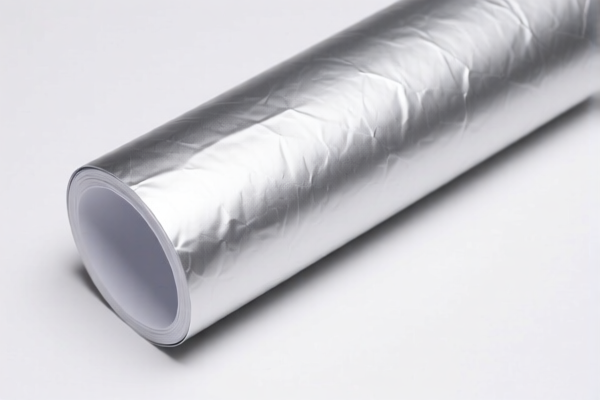
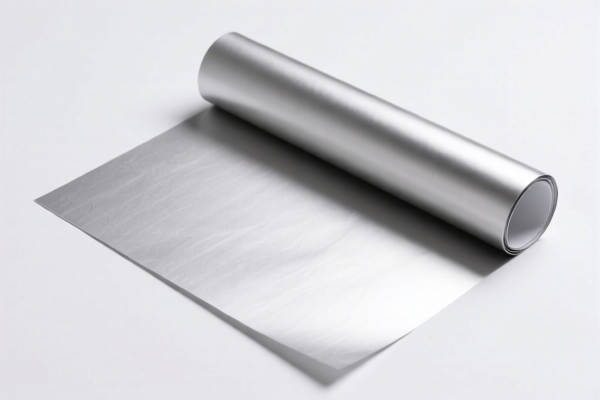
In the context of international trade and customs classification, "Halide Silver Photographic Printing Plate" typically refers to photographic paper or photographic plates coated with silver halides, used for creating prints or copies. The key factor for classification is the physical form (roll vs. sheet), width, and specific use.
According to the provided data, these products fall primarily under Chapter 37 (Photographic or Cinematographic Goods). The classification hinges on whether the product is a roll (width > 610mm) or a specific chemical stabilizer.
⚠️ Key Distinction:
- If the product is a roll with a width exceeding 610mm, it is classified as a photographic paper roll.
- If the product is a stabilizer/chemical used in the processing of such plates, it falls under photographic chemicals or organic compounds, depending on its composition.
📦 II. HS Code Classification Details (2026 Latest Tariff Authority Comparison)
| HS Code | Product Description | Application Scenario | Tax Rate |
|---|---|---|---|
3703.10.30.60 |
Halide Silver Paper Roll (Width > 610mm) | Photographic printing, large-format copying, conforming to photographic material classification. | 38.7% |
3703.10.30.90 |
Halide Silver Paper Roll (Width > 610mm) | Line copy-related photographic materials, conforming to photographic material classification. | 38.7% |
3707.90.60.00 |
Halide Silver Paper Stabilizer | Chemical product used in photographic processing, categorized under "Other" photographic chemicals. | 35.0% |
2942.00.35.00 |
Halide Silver Paper Stabilizer | Main component is halogenated organic compound, categorized under "Other organic compounds." | 41.5% |
🔍 Key Insight:
- Paper Rolls (3703.10.30.60/90): These are the primary forms of "printing plates" in roll format. The distinction between.60and.90is subtle (general photographic vs. line copy-related), but both carry the same total tax rate.
- Stabilizers (3707.90.60.00vs.2942.00.35.00): If the product is a chemical additive (stabilizer) rather than the paper itself, classification depends on its chemical nature. If it's a general photographic chemical, use3707.90.60.00. If it's strictly a halogenated organic compound, it may be classified as2942.00.35.00, which carries a higher tax burden.
💰 III. 2026 Latest Tariff Rate Details (Including Additional Duties & Policy Surcharges)
✅ Applicable Country: United States (US)
✅ Origin: China (CN)
✅ Effective Date: From November 10, 2025 (including subsequent imports)
🎯 1. 3703.10.30.60 & 3703.10.30.90 —— Halide Silver Paper Rolls (Width > 610mm)
| Item | Content |
|---|---|
| Basic Tariff | 3.7% |
| Section 301 Surcharge | +25.0% |
| Section 122 Surcharge | +10.0% |
| Total Tax Rate | 38.7% |
| Tax Calculation | CIF Value × 38.7% |
| De Minimis Eligibility | ❌ Not Eligible (Subject to high surcharges) |
| Legal Basis Path | Base: 3.7% → Section 301: 25% → Section 122: 10% |
📌 Explanation:
- The 3.7% is the standard Most Favored Nation (MFN) duty for photographic papers under HTS 3703.10.30.
- The 25% is the additional duty imposed under Section 301 of the Trade Act of 1974 against Chinese goods.
- The 10% is an additional surcharge under Section 122 (often related to specific trade remedies or national security provisions).
- Total: 38.7%. This is a significant cost factor that must be pre-calculated.
🎯 2. 3707.90.60.00 —— Halide Silver Paper Stabilizer (Photographic Chemical)
| Item | Content |
|---|---|
| Basic Tariff | 0.0% |
| Section 301 Surcharge | +25.0% |
| Section 122 Surcharge | +10.0% |
| Total Tax Rate | 35.0% |
| Tax Calculation | CIF Value × 35.0% |
| De Minimis Eligibility | ❌ Not Eligible |
| Legal Basis Path | Base: 0.0% → Section 301: 25% → Section 122: 10% |
📌 Note:
- Although the basic tariff is 0%, the additional surcharges (35%) make it costly.
- Classification as a "photographic chemical" (3707) is often more favorable than classifying the same substance as a generic "organic compound" (2942) due to the lower base rate.
🎯 3. 2942.00.35.00 —— Halide Silver Paper Stabilizer (Organic Compound)
| Item | Content |
|---|---|
| Basic Tariff | 6.5% |
| Section 301 Surcharge | +25.0% |
| Section 122 Surcharge | +10.0% |
| Total Tax Rate | 41.5% |
| Tax Calculation | CIF Value × 41.5% |
| De Minimis Eligibility | ❌ Not Eligible |
| Legal Basis Path | Base: 6.5% → Section 301: 25% → Section 122: 10% |
📌 Warning:
- This classification is the most expensive at 41.5%.
- It applies if the stabilizer is chemically defined as a halogenated organic compound rather than a specialized photographic chemical.
- Strategy: If possible, provide technical data sheets to justify classification under3707.90.60.00(35.0%) instead of2942.00.35.00.
🛠️ IV. Clearance Practical Advice (Avoiding Pitfalls in Real-World Operations)
✅ 1. Required Documentation Checklist (Non-Negotiable)
| Document | Required? | Description |
|---|---|---|
| ✅ Product Specification Sheet | ✔️ | Must specify: Form (Roll/Sheet), Width, Coating Material (Silver Halide), Usage. |
| ✅ Technical Data Sheet (TDS) | ✔️ | For stabilizers: Must detail chemical composition to justify 3707 vs. 2942. |
| ✅ Product Photos | ✔️ | Clear images showing labeling, roll dimensions, and packaging. |
| ✅ Commercial Invoice | ✔️ | Must explicitly state "Halide Silver Photographic Printing Paper" or "Stabilizer," not just "Photographic Material." |
| ✅ Packing List | ✔️ | Detail net/gross weights and dimensions. |
| ✅ Certificate of Origin | ✔️ | If applicable for other trade agreements (though US-China tariffs are high, origin proof is still required). |
✅ 2. Declaration Techniques (Key Mnemonics)
🔥 "Form Determines Code, Width Matters, Chemicals Need Proof!"
| Scenario | Correct Declaration | Error to Avoid |
|---|---|---|
| Roll Paper, Width > 610mm | 3703.10.30.60 or .90 |
Misclassifying as "Photographic Film" (3702) → Different tax rates! |
| Sheet Paper, Width ≤ 610mm | Not in provided data | Ensure it doesn't fall into a different subheading not listed here. |
| Stabilizer (Chemical) | 3707.90.60.00 (if photographic) |
Classifying as 2942.00.35.00 → +4.5% extra tax (41.5% vs 35%). |
| Mixed Shipment | Separate line items | Do not mix rolls and chemicals under one code to avoid audit flags. |
✅ 3. Special Case Handling
| Situation | Recommendation |
|---|---|
| OEM Custom Roll | Provide customer order + design specs. Ensure width is clearly stated as > 610mm to match 3703.10.30.x0. |
| Stabilizer Composition | Submit a chemical analysis report showing it is a specialized photographic agent to justify 3707 over 2942. |
| Small Sample Shipments | Even small rolls of >610mm width are subject to 38.7% tax. Do not assume "sample" status exempts you from surcharges. |
| Re-export from Third Country | Ensure no transshipment fraud. US Customs may still apply Chinese origin rules if origin is evident. |
🌍 V. Global Market Clearance Comparison (2026 Latest)
| Country/Region | Recommended HS Code | Tariff | Certification | Notes |
|---|---|---|---|---|
| 🇺🇸 USA | 3703.10.30.60/90 |
38.7% | No special certification required | High surcharges due to trade policy. |
| 🇨🇳 China | 3703.10.30.60/90 |
3.7% (Import) | CCC (if applicable) | No Section 301/122 surcharges. |
| 🇪🇺 EU | 3703.10.30 |
0-10% | CE (if applicable) | No additional punitive tariffs. |
| 🇯🇵 Japan | 3703.10.30 |
0-8% | PSE (if applicable) | No additional punitive tariffs. |
📌 Conclusion:
- The USA market is the most challenging due to the 38.7% total tax rate.
- For stabilizers, the choice between3707(35%) and2942(41.5%) is critical. Always aim for3707if chemically justifiable.
📌 VI. Common Errors & Pitfalls (Lessons Learned)
❌ Error 1: Declaring "Roll Paper" without specifying width.
👉 Consequence: Customs may reclassify as sheet paper (3702) or demand additional information, causing delays.
👉 Solution: Always state Width > 610mm in the declaration.
❌ Error 2: Misclassifying Stabilizers as Generic Organic Compounds.
👉 Consequence: Paying 41.5% instead of 35.0%.
👉 Solution: Provide Technical Data Sheets highlighting photographic-specific formulation.
❌ Error 3: Assuming "Photographic Material" is a single category.
👉 Consequence: Confusion between 3702 (Film) and 3703 (Paper).
👉 Solution: Clearly distinguish between Photographic Film and Photographic Paper.
✅ Correct Practice:
"Halide Silver Photographic Printing Paper, Roll Format, Width 620mm, Coated with Silver Halide, Model XYZ, for Line Copying Purposes"
🎯 VII. Conclusion: Professional Declaration, Cost Optimization!
🎯 Remember the Mnemonic:
🔹 "Rolls >610mm go to 3703, Stabilizers prefer 3707, Surcharges add 35-41%, Accuracy saves money!"
🔹 "HS Code determines fate, Tax rate difference is huge, Declaration error leads to fines!"
📌 Pro Tip:
- If your product is a stabilizer, invest in a chemical analysis report to justify classification under 3707.90.60.00 (35.0%) rather than 2942.00.35.00 (41.5%). This saves 6.5% on the base value.
- For rolls, ensure the width is clearly documented. If it's slightly under 610mm, it may fall under a different subheading not covered here, potentially altering the tax rate.
📣 Immediate Action:
📞 Contact a professional customs broker + Provide Product Specs + Apply for Advance Ruling if volume is high.
🚀 Ensure your Halide Silver Photographic Printing Plates clear customs smoothly, efficiently, and profitably!
✨ Professional Clearance Starts with Accurate Classification!
💼 Every Percent Counts in Global Trade!
Customer Reviews
About HS Code Classification
The Harmonized System (HS) is an internationally standardized nomenclature developed by the World Customs Organization (WCO) to classify traded products. Over 200 countries use the HS system as the basis for customs tariffs, trade statistics, and import/export regulations.
Each HS code follows a hierarchical structure:
- Chapter (2 digits) — Broad category of goods (e.g., Chapter 84: Machinery and Mechanical Appliances)
- Heading (4 digits) — More specific grouping within the chapter
- Subheading (6 digits) — Internationally standardized breakdown, used by all WCO member countries
- National subdivisions (8-10 digits) — Country-specific extensions for further classification, such as US HTSUS 10-digit codes
Correct HS code classification is essential for smooth customs clearance, accurate duty payment, and compliance with trade regulations. Misclassification can lead to customs delays, overpayment of duties, or penalties.
When importing from CN to US, the applicable tariff rates may include:
- Most-Favored-Nation (MFN) rate — The standard duty rate applied to WTO members
- General rate — Applied to countries without trade agreements
- Trade remedy duties — Additional tariffs such as Section 301 (anti-dumping), Section 232 (national security), or countervailing duties
The information provided on this page is for reference purposes only. For official classification, please consult with your local customs authority or a licensed customs broker.