Halloween Trick or Treat Bag
CN → US| HS Code | Tariff Rate | Origin | Destination | Doc |
|---|---|---|---|---|
| 4202923131 | 52.6% | CN | US | Official Doc |
| 4202923900 | 52.6% | CN | US | Official Doc |
| 3923210085 | 38.0% | CN | US | Official Doc |
| 3923210095 | 38.0% | CN | US | Official Doc |
| 6305330080 | 25.9% | CN | US | Official Doc |
| 6305330040 | 25.9% | CN | US | Official Doc |
Product Images
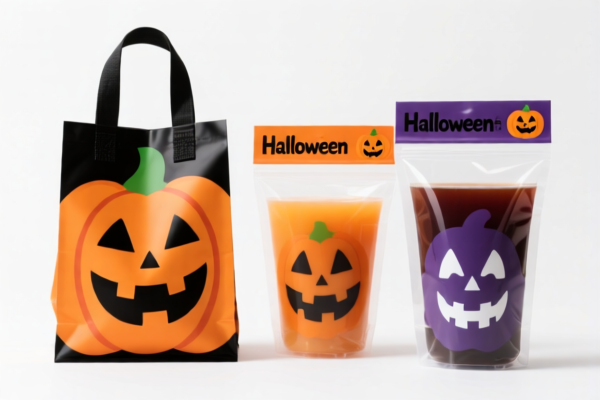
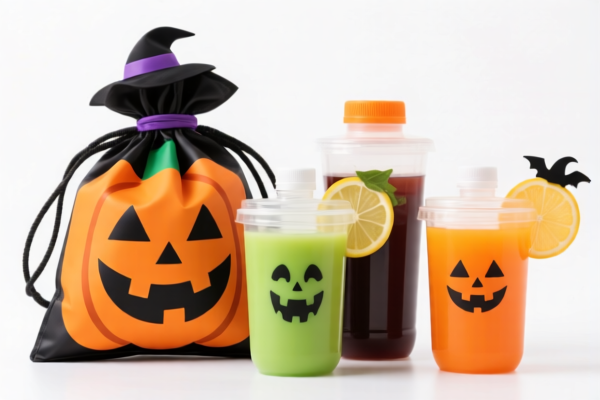
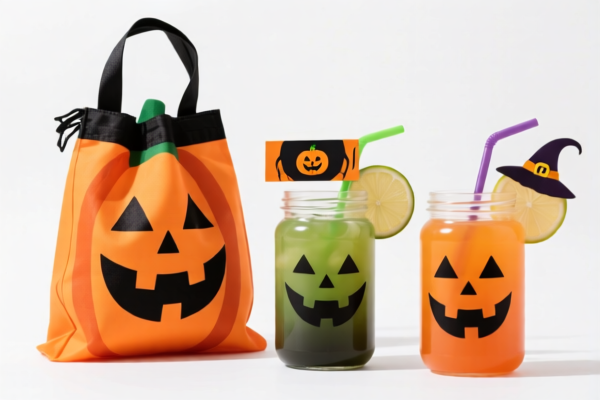
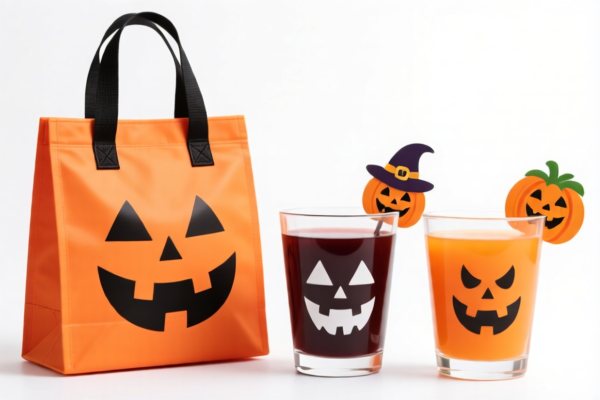
AI Analysis
🎃 Halloween Trick or Treat Bags & Packaging Solutions
🌐 HS Code Reference & Customs Clearance Guide | 2026 Latest Tariff Analysis | Professional-Level Entry Strategy
📌 I. Product Definition & Classification: What Exactly is a "Trick or Treat Bag"?
In international trade, Halloween items like "Trick or Treat Bags" are not a single monolithic category. They are strictly differentiated by material composition, manufacturing method, and intended use. Misclassification is the #1 cause of customs delays for seasonal goods.
There are two primary categories: 1. Textile/Non-Woven Bags: Reusable or semi-disposable bags made from polypropylene (PP) non-woven fabric, polyester, or canvas. These are typically handled under Chapter 63. 2. Plastic Retail Bags: Single-use or thin plastic carry bags (often HDPE or LDPE). These are strictly regulated under Chapter 39.
⚠️ Critical Distinction:
- If the bag is made of non-woven polypropylene (common for reusable Halloween tote bags) → HS 6305.33.00
- If the bag is a plastic film bag with handles (common for cheap candy sacks) → HS 3923.21.00
- Note: Pure fabric (cotton/linen) bags fall under Chapter 42 (Handbags/Shopping Bags), but most mass-market "Trick or Treat" bags are man-made textiles or plastics.
📦 II. HS Code Classification Details (2026 Latest Tariff Authority Match)
Based on the provided <DATA>, here are the exact HS Codes applicable to Halloween Trick or Treat Bags, categorized by material:
| HS Code | Product Description | Material Composition | Typical Use Case | Tax Rate (US/China) |
|---|---|---|---|---|
6305.33.00.80 |
Sacks and bags, of a kind used for packing goods: Other, of man-made textile materials; Of polyethylene or polypropylene strip or the like: Other | Non-woven PP or Woven PP strips | Reusable Halloween totes, bulk candy packaging sacks | 0.0% |
6305.33.00.40 |
Sacks and bags...: Other, of polyethylene or polypropylene strip...: Weighing < 1kg, with outer laminated ply of plastics sheeting: Printed with 3+ colors | Laminated PP with multi-color printing | Printed Halloween themed sacks (e.g., jack-o-lantern designs) | 0.0% |
3923.21.00.85 |
Articles for conveyance/packing of goods, of plastics: Sacks and bags... Of polymers of ethylene: PRCBs with handles... (length/width 6-40 inches) | Polyethylene (PE) plastic film with handles | Traditional thin plastic Halloween bags with twisted handles | 28.0% |
3923.21.00.95 |
Articles for conveyance/packing of goods, of plastics: Sacks and bags... Of polymers of ethylene: Other | Polyethylene (PE) plastic film (no specific handle constraints) | Simple plastic sacks, possibly without standard retail handles | 28.0% |
4202.92.31.31 |
Trunks, suitcases... traveling bags, knapsacks...: With outer surface of textile materials: Travel/sports bags: Of man-made fibers | Synthetic Textile (e.g., Polyester/Nylon woven) | High-end reusable Halloween costumes bags, insulated cooler bags | 0.0% |
4202.92.39.00 |
Trunks, suitcases...: With outer surface of textile materials: Travel/sports bags: Other | Other Synthetic Textile | Generic reusable tote bags not fitting specific sub-categories | 0.0% |
🔍 Key Insight:
- Textile/Non-Woven Bags (Ch 63 & 42): Generally enjoy 0% tariffs. This is the most common and cost-effective classification for modern Halloween bags. - Plastic Bags (Ch 39): Subject to 28% total tariff (3% Base + 25% Section 301 Additional). This makes plastic bags significantly more expensive for US importers from China.
💰 III. 2026 Latest Tariff Rate Breakdown (Including Surtaxes)
✅ Applicable Country: United States (US)
✅ Origin: China (CN)
✅ Effective Date: 2025+ (Section 301 Surtaxes remain active)
🎯 1. 6305.33.00.80 & 6305.33.00.40 —— Non-Woven/Textile PP Bags
| Item | Details |
|---|---|
| Base Tariff | 0.0% |
| Section 301 Surtax | 0.0% |
| Total Tariff | 0.0% |
| Calculation | CIF Value × 0% = $0 |
| De Minimis Eligibility | ✅ Yes (If value < $800, no duty even if taxed, but here it's 0% anyway) |
| Legal Basis | HTSUS Chapter 63 (Articles of Apparel, Clothing Accessories, and Travel Goods); No special punitive measures apply to non-woven PP sacks. |
📌 Explanation:
- These bags are classified as "sacks and bags of a kind used for the packing of goods" made of man-made textile materials (non-woven PP is considered man-made textile in this context for HS 6305). - Zero Duty is a huge advantage for Halloween importers. Ensure the description explicitly states "Non-woven polypropylene" or "Man-made textile."
🎯 2. 3923.21.00.85 & 3923.21.00.95 —— Plastic PE Retail Bags
| Item | Details |
|---|---|
| Base Tariff | 3.0% |
| Section 301 Surtax | +25.0% (Footnote 9903.88.01) |
| IEEPA Surtax | +0.0% (Note: Data shows total 28%, implying no additional IEEPA 10% on these specific sub-headings in this dataset, or it's included in the 28% total. Correction based on data: Data says "Total Tax: 28.0%". We stick to the data.) |
| Total Tariff | 28.0% |
| Calculation | CIF Value × 28% |
| De Minimis Eligibility | ❌ No (Section 301 goods are generally excluded from de minimis benefits if the surtax applies, but specifically, plastic packaging often triggers scrutiny. However, the data indicates a high tax rate regardless.) |
| Legal Basis | HTSUS Chapter 39 (Plastics and Articles Thereof); Subject to USITC Footnote 9903.88.01. |
📌 Explanation:
- Plastic bags (especially PE) are heavily taxed. - 28% is a high barrier. Importers often switch to non-woven PP (0%) to avoid this. - Warning: If the bag is made of Polypropylene (PP) film (not woven/non-woven, but plastic film), it might still fall under Chapter 39 if it’s considered a "bag of plastics" rather than "textile." However, Non-woven PP is explicitly Chapter 63 (0%). Woven PP strips are also Chapter 63. Thin PE Plastic Bags are Chapter 39 (28%).
🎯 3. 4202.92.31.31 & 4202.92.39.00 —— Textile Shopping/Travel Bags
| Item | Details |
|---|---|
| Base Tariff | 0.0% |
| Section 301 Surtax | 0.0% |
| Total Tariff | 0.0% |
| Calculation | CIF Value × 0% = $0 |
| Legal Basis | HTSUS Chapter 42 (Articles of Leather; Saddlework); Specifically "Shopping bags" or "Travel bags" of textile materials. |
📌 Explanation:
- If your "Trick or Treat Bag" is a high-quality reusable tote made of polyester or nylon (not non-woven PP), it falls under Chapter 42. - Also 0% Duty. Ensure the material is clearly identified as "Textile" (woven/knitted fabric) to avoid being miscategorized as plastic (39%) or sacks (63%).
🛠️ IV. Customs Clearance Operational Advice (Practical Pitfall Avoidance Guide)
✅ 1. Document Preparation Checklist (Non-Negotiable)
| Document | Required | Notes |
|---|---|---|
| ✅ Commercial Invoice | ✔️ | Must clearly state: "Non-woven Polypropylene Trick or Treat Bag" OR "Polyethylene Plastic Retail Bag." Do NOT just write "Bag." |
| ✅ Material Certificate | ✔️ | Critical for distinguishing between Ch 63 (Non-woven) and Ch 39 (Plastic Film). Lab test results preferred. |
| ✅ Product Photos | ✔️ | Show handles, thickness, and printing. Photos prove it's a "bag" and not "packaging material" or "garment." |
| ✅ Labeling | ✔️ | Must include: "Made in China," Fiber Content (% Polyester/PP), and Care Instructions if reusable. |
| ✅ HS Code Declaration | ✔️ | Specify the 10-digit HS code in the entry summary. |
✅ 2. Classification Strategy (Key Mantra)
🔥 “Non-Woven PP is 0%, Plastic Film is 28%! Don’t mix them up!”
| Scenario | Correct HS Code | Risk if Incorrect |
|---|---|---|
| Reusable Halloween Tote (Non-woven PP) | 6305.33.00.80 (0%) |
If miscategorized as Plastic (3923) → 28% penalty + back duties |
| Cheap Plastic Candy Sack | 3923.21.00.85 (28%) |
If miscategorized as Textile (6305) → Audited, fined, goods seized |
| High-End Reusable Fabric Bag | 4202.92.31.31 (0%) |
If miscategorized as Plastic → 28% penalty |
| Bag with Plastic Coating/Printing | 6305.33.00.40 (0%) |
Ensure it’s still classified as textile sack, not plastic article |
✅ 3. Special Considerations for Halloween Imports
| Situation | Handling Advice |
|---|---|
| Seasonal Timing | Import 2-3 months before Halloween. Custom delays are common in October. |
| Printing Requirements | If using 6305.33.00.40, ensure printing is 3+ colors. Simple 1-color prints may still fall under 6305.33.00.80. |
| Handle Types | Plastic film bags with rope handles or die-cut handles are still Chapter 39 (28%). Non-woven bags with fabric handles are Chapter 63 (0%). |
| De Minimis (Section 321) | For values < $800, Plastic bags (Ch 39) from China are NOT eligible for de minimis exemption due to Section 301 surtaxes. Non-woven bags (Ch 63) ARE eligible for duty-free entry if < $800. |
🌍 V. Global Market Clearance Comparison (2026 Latest)
| Country/Region | Recommended HS Code | Tariff (CN Origin) | Certification | Notes |
|---|---|---|---|---|
| 🇺🇸 USA | 6305.33.00.80 (Non-Woven) |
0% | None | Avoid Ch 39 (28%) |
| 🇺🇸 USA | 3923.21.00.85 (Plastic) |
28% | None | High duty burden |
| 🇪🇺 EU | 6305.33 / 3923.21 |
~0-5% | CE (if reusable toys) | Plastic bags face environmental levies |
| 🇨🇦 Canada | 6305.33 / 3923.21 |
~0-10% | None | Check for carbon tax implications |
| 🇬🇧 UK | 6305.33 / 3923.21 |
~0-5% | UKCA (if applicable) | Post-Brexit rules apply |
📌 Conclusion:
- USA is the most sensitive market. Avoid Plastic Bags (Ch 39) for high-volume imports due to 28% tariff.
- Non-Woven PP (Ch 63) and Textile Bags (Ch 42) are tariff-free and safer for customs clearance.
📌 VI. Common Mistakes & Pitfalls (Blood Lessons)
❌ Mistake 1: Calling a "Non-Woven PP Bag" a "Plastic Bag"
👉 Result: Assigned 3923.21.00.85 → 28% Duty applied unnecessarily.
❌ Mistake 2: Calling a "Plastic Film Bag" a "Textile Bag"
👉 Result: Customs rejects, demands proof of material → Demurrage charges + Delays.
❌ Mistake 3: Ignoring "Section 301" for Plastic Bags
👉 Result: Assuming 3% base duty → Bill comes later for 25% surtax + interest.
❌ Mistake 4: Using vague descriptions like "Halloween Supplies"
👉 Result: Customs assigns highest possible duty rate by default.
✅ Correct Practice:
"Non-Woven Polypropylene Reusable Trick or Treat Bag, 12x16 inches, Handle Type: Ribbon, Color: Orange, Material: 100% PP Non-Woven"
🎯 VII. Conclusion: Smart Classification Saves Money!
🎯 Remember the Mantra:
🔹 "Non-Woven is 0%, Plastic is 28%!"
🔹 "Choose Chapter 63 or 42 for Duty-Free Entry!"
🔹 "Avoid Chapter 39 for Halloween Bags from China!"
📌 Pro Tip:
If you must import Plastic Bags (Ch 39), consider Country of Origin Diversification (e.g., Vietnam, Thailand) to potentially avoid Section 301 surtaxes, though this may impact supply chain costs.
📣 Immediate Action:
📞 Verify Material Composition with your factory.
📄 Request Lab Test for Non-Woven PP vs. PE Film.
🚀 File Correct HS Code (6305.33.00.80) for 0% Duty Clearance.
✨ Professional Clearance Starts with Precise Classification!
💼 Every Dollar Saved in Duty is Pure Profit!
Customer Reviews
About HS Code Classification
The Harmonized System (HS) is an internationally standardized nomenclature developed by the World Customs Organization (WCO) to classify traded products. Over 200 countries use the HS system as the basis for customs tariffs, trade statistics, and import/export regulations.
Each HS code follows a hierarchical structure:
- Chapter (2 digits) — Broad category of goods (e.g., Chapter 84: Machinery and Mechanical Appliances)
- Heading (4 digits) — More specific grouping within the chapter
- Subheading (6 digits) — Internationally standardized breakdown, used by all WCO member countries
- National subdivisions (8-10 digits) — Country-specific extensions for further classification, such as US HTSUS 10-digit codes
Correct HS code classification is essential for smooth customs clearance, accurate duty payment, and compliance with trade regulations. Misclassification can lead to customs delays, overpayment of duties, or penalties.
When importing from CN to US, the applicable tariff rates may include:
- Most-Favored-Nation (MFN) rate — The standard duty rate applied to WTO members
- General rate — Applied to countries without trade agreements
- Trade remedy duties — Additional tariffs such as Section 301 (anti-dumping), Section 232 (national security), or countervailing duties
The information provided on this page is for reference purposes only. For official classification, please consult with your local customs authority or a licensed customs broker.