Halloween Trick or Treat Bags
CN → US| HS Code | Tariff Rate | Origin | Destination | Doc |
|---|---|---|---|---|
| 3923210095 | 38.0% | CN | US | Official Doc |
| 4202923131 | 52.6% | CN | US | Official Doc |
| 3923210080 | 38.0% | CN | US | Official Doc |
| 6305330080 | 25.9% | CN | US | Official Doc |
| 4202923900 | 52.6% | CN | US | Official Doc |
Product Images
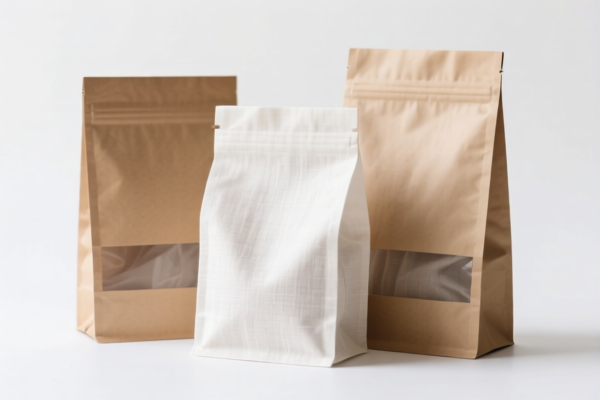
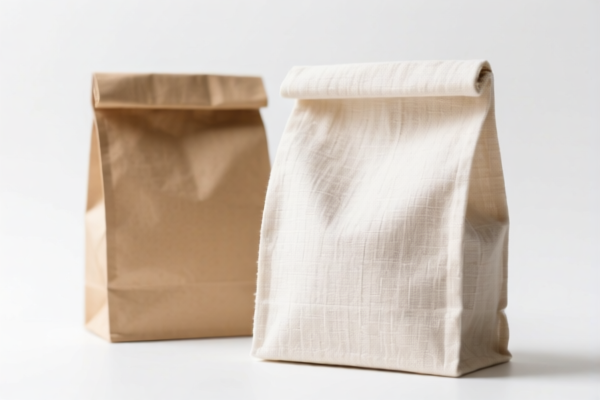
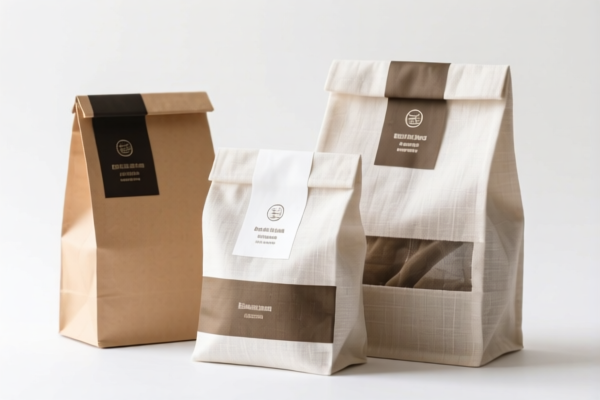
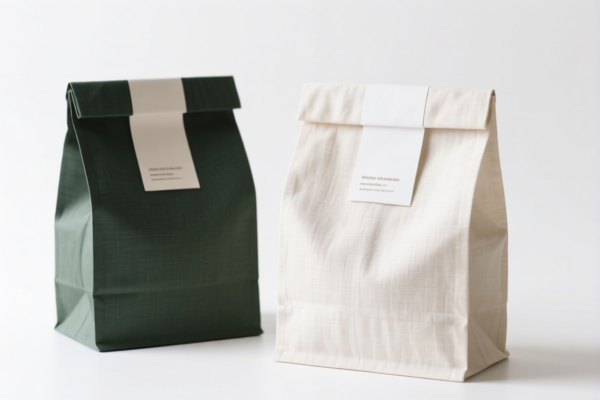
AI Analysis
🎃 Halloween Trick or Treat Bags (Candy Pouches)
🌐 HS Code Classification & Customs Clearance Guide | 2026 Tax Analysis | Strategic Compliance for Halloween Imports
📌 One. Product Definition & Classification: What Exactly Are "Trick or Treat Bags"?
Halloween Trick or Treat Bags are specialized containers used for collecting and transporting candy or small gifts during the Halloween holiday. In international trade, their classification is not unique but depends entirely on the material composition and specific form. They generally fall into two categories:
- Plastic Bags/Film Pouches: Typically made of polyethylene (PE), polypropylene (PP), or PVC films. These are flexible, disposable, and often feature Halloween prints.
- Textile/Non-Woven Bags: Made from cotton, polyester, or non-woven fabrics (reusable tote-style bags). These are often treated as general-purpose bags or specialized gifts.
⚠️ Key Distinction:
- If the bag is primarily plastic film (flexible, sealable, or open-top), it falls under Chapter 39 (Plastics).
- If the bag is made of textile material (woven, knitted, or non-woven) and intended for carrying goods, it may fall under Chapter 42 (Articles of Leather/Travel Goods) or Chapter 63 (Other Made-Up Textile Articles).
- If it is a small, decorative plastic pouch not specifically for packaging bulk goods, it might be classified as a Plastic Article under Chapter 39.
📦 Two. HS Code Classification Details (2026 Latest Tariff Reference)
Based on the provided data, here are the five possible HS Code classifications for Halloween Trick or Treat Bags, along with their rationale and tax implications.
| HS Code | Product Description | Material & Form Rationale | Key Use Case |
|---|---|---|---|
3923.21.00.95 |
Plastic Sacs and Pouches | Material: Polymeric plastics (likely PE/PP). Form: Bags/Pouches. Use: Packaging goods. |
Standard disposable plastic Halloween bags with Halloween graphics. |
3923.21.00.80 |
Plastic Sacs and Pouches | Material: Polymeric plastics. Form: Bags. Use: Packaging articles. |
Similar to above; often used for bulk plastic film bags. |
4202.92.31.31 |
Other Bags (Non-Textile or Composite) | Material: Textile material OR Plastic (composite). Form: Bags (Travel/Toiletry style). Use: Sports/Gifts/Personal Use. |
Reusable Halloween totes, non-woven bags, or bags with handles/straps. Treated as "other bags." |
6305.33.00.40 |
Sacks and Bags (of Man-Made Fibers) | Material: Synthetic textile materials (e.g., PP non-woven). Form: Sacks/Bags. Use: Packaging. |
Non-woven shopping bags printed with Halloween designs, often reusable. |
3926.90.33.00 |
Other Plastic Articles | Material: Plastic or synthetic materials. Form: Bag-like articles. Use: Containing candy. |
Small, decorative plastic pouches or novelty items not strictly for bulk packaging. |
🔍 Critical Note:
- Chapter 39 (Plastic): Applies if the bag is essentially a film or flexible plastic pouch.
- Chapter 42 (Travel/Bags): Applies if the bag has a more durable structure, handles, or is considered a "bag" in the traditional sense (like a purse or tote), even if made of plastic or textile.
- Chapter 63 (Textiles): Applies if the bag is made of textile materials (including non-wovens) and used for packaging or general carrying.
💰 Three. 2026 Tariff Rate Breakdown (Including Additional Duties & Policy Surcharges)
✅ Applicable Country: United States (US)
✅ Origin: China (CN)
✅ Effective Date: November 10, 2025 (and subsequent imports)
🎯 1. 3923.21.00.95 & 3923.21.00.80 —— Plastic Sacs and Pouches
| Item | Details |
|---|---|
| Base Tariff | 3.0% (Ad Valorem) |
| Section 301 Tariff (25%) | +25.0% (USITC Section 301) |
| Section 122 Tariff (10%) | +10.0% (Specific surcharge on certain plastic/packaging items) |
| Total Tariff Rate | 38.0% |
| Calculation | CIF Value × 38% |
| De Minimis Exemption | ❌ Not Applicable (Higher value threshold items subject to full duty) |
| Legal Reference | USITC:3923.21.00.95 → SECTION 301: 25% → SECTION 122: 10% |
📌 Explanation:
- These codes classify plastic film bags.
- The total tax burden is high (38%) due to the combination of base tariff and additional US-China trade tariffs.
- Strategy: If possible, avoid pure plastic bags if they can be reasonably classified under textile codes (lower tax), but material evidence must be solid.
🎯 2. 4202.92.31.31 —— Other Bags (Travel/Gift/Personal Use)
| Item | Details |
|---|---|
| Base Tariff | 17.6% |
| Section 301 Tariff (25%) | +25.0% |
| Section 122 Tariff (10%) | +10.0% |
| Total Tariff Rate | 52.6% |
| Calculation | CIF Value × 52.6% |
| De Minimis Exemption | ❌ Not Applicable |
| Legal Reference | USITC:4202.92.31.31 → SECTION 301: 25% → SECTION 122: 10% |
📌 Explanation:
- This code applies if the bag is considered a bag (e.g., reusable tote, non-woven bag with handles) rather than a simple package.
- Highest Tax Rate (52.6%) in the dataset.
- Risk: Misclassifying a simple plastic bag as a "bag" under Chapter 42 may lead to audits, but the tax is even higher. Avoid this classification unless the product is clearly a durable bag.
🎯 3. 6305.33.00.40 —— Sacks and Bags of Man-Made Fibers
| Item | Details |
|---|---|
| Base Tariff | 8.4% |
| Section 301 Tariff (7.5%) | +7.5% (Reduced Section 301 rate for certain textile articles) |
| Section 122 Tariff (10%) | +10.0% |
| Total Tariff Rate | 25.9% |
| Calculation | CIF Value × 25.9% |
| De Minimis Exemption | ❌ Not Applicable |
| Legal Reference | USITC:6305.33.00.40 → SECTION 301: 7.5% → SECTION 122: 10% |
📌 Explanation:
- Lowest Tax Rate (25.9%) among the plastic/textile packaging options.
- Applies to non-woven or synthetic textile bags (e.g., PP non-woven reusable bags).
- Strategy: If the product is made of non-woven fabric, this is the optimal classification for cost savings. Ensure materials are clearly labeled as "man-made fibers" or "non-woven."
🎯 4. 3926.90.33.00 —— Other Plastic Articles
| Item | Details |
|---|---|
| Base Tariff | 6.5% |
| Section 301 Tariff (0.0%) | +0.0% (No Section 301 duty for this specific subheading) |
| Section 122 Tariff (10%) | +10.0% |
| Total Tariff Rate | 16.5% |
| Calculation | CIF Value × 16.5% |
| De Minimis Exemption | ❌ Not Applicable |
| Legal Reference | USITC:3926.90.33.00 → SECTION 301: 0.0% → SECTION 122: 10% |
📌 Explanation:
- Lowest Overall Tax Rate (16.5%).
- Applies to small plastic items or novelty plastic bags that are not strictly "packaging sacs" but "other plastic articles."
- Strategy: If the bags are small, decorative, or novelty items (e.g., clear PVC pouches with prints, not standard packaging bags), this code offers the best tax advantage. However, you must justify that they are not primarily "packaging" (which would push them to 3923.21).
🛠️ Four. Customs Clearance Practical Advice (Best Practices)
✅ 1. Documentation Checklist (Mandatory)
| Document | Required? | Notes |
|---|---|---|
| ✅ Product Photos | ✔️ | Clear images showing material (plastic vs. fabric), handles, seals. |
| ✅ Material Certificate | ✔️ | Specify if PE, PP, PVC, or Non-Woven. Critical for HS Code determination. |
| ✅ Commercial Invoice | ✔️ | Use precise description: "Plastic Halloween Bags" vs. "Non-Woven Tote Bags." |
| ✅ Packing List | ✔️ | Include dimensions and weights. |
| ✅ Halloween Design Proof | ❌ (Optional) | May help prove "novelty" item status if claiming 3926.90.33.00. |
✅ 2. Classification Strategy (Cost Optimization)
| Scenario | Recommended HS Code | Tax Rate | Why? |
|---|---|---|---|
| Standard Plastic Film Bags | 3923.21.00.95 |
38.0% | Standard for plastic packaging. High tax. |
| Non-Woven Reusable Bags | 6305.33.00.40 |
25.9% | Optimal for textile-based bags. Lower Section 301 rate. |
| Small Decorative/PVC Pouches | 3926.90.33.00 |
16.5% | Lowest Tax. Best if products are small, novelty, or not bulk packaging. |
| Structured Tote Bags | 4202.92.31.31 |
52.6% | Avoid. Highest tax. Only use if explicitly a durable bag. |
🔥 Pro Tip:
- If you can prove the bag is a novelty item or small plastic article (not standard packaging), pursue3926.90.33.00(16.5%).
- If the bag is non-woven fabric, use6305.33.00.40(25.9%) to save on Section 301 duties.
- Do not classify plastic bags as4202.92unless they are clearly durable bags with handles/straps, as the tax is punitive.
✅ 3. Common Pitfalls & Risks
❌ Mistake 1: Calling all bags "Plastic Bags" and using 3923.21 (38%).
👉 Fix: Check material. If non-woven, use 6305.33. If small/novelty, use 3926.90.
❌ Mistake 2: Misclassifying small decorative pouches as "packaging" under 3923.
👉 Fix: Provide evidence that the bag is a novelty item or accessory, not a primary packaging vessel. This can unlock the 16.5% rate.
❌ Mistake 3: Ignoring Section 122 Tariff (10%).
👉 Note: Section 122 applies to all HS Codes in this dataset. It is a fixed 10% surcharge on specific import categories, regardless of Section 301 status. Budget for it in all scenarios.
🌍 Five. Global Market Comparison (2026)
| Market | Recommended HS Code | Est. Total Tax | Notes |
|---|---|---|---|
| 🇺🇸 USA | 3926.90.33.00 |
16.5% | Best for small plastic/novelty bags. |
| 🇺🇸 USA | 6305.33.00.40 |
25.9% | Best for non-woven/textile bags. |
| 🇨🇳 China | Varies | 0% - 5% | No Section 301/122. Importers should focus on local clearance. |
| 🇪🇺 EU | 3923.21 / 6305.33 | 0% - 2.5% | No Section 301/122. CE marking required for some plastics. |
📌 Conclusion:
- USA Market is the most complex due to Section 301 and Section 122 tariffs.
- Cost Savings Potential: Choosing3926.90.33.00(16.5%) over3923.21.00.95(38.0%) saves 21.5 percentage points.
- Recommendation: Consult with a customs broker to evaluate if your specific product qualifies for the "other plastic articles" classification (3926.90) or if non-woven materials can be used to leverage the textile code (6305.33).
📌 Six. Key Takeaways
- Material Matters: Plastic (
3923) vs. Textile (6305) vs. Novelty (3926) determines tax. - Section 122 is Universal: A 10% surcharge applies to all these codes for China-origin goods.
- Optimal Code:
3926.90.33.00(16.5%) offers the lowest tax if the product qualifies as a "plastic article" rather than "packaging." - Avoid
4202: Unless necessary, avoid the 52.6% tax bracket for bags.
🎯 Final Advice:
📞 Action: Submit product samples and material specs to a licensed customs broker.
🚀 Goal: Secure the 16.5% (3926.90) or 25.9% (6305.33) rate instead of the 38%+ rates.
💼 Success: Accurate HS Code classification is the key to maximizing Halloween import profits!
✨ Smart Classification, Smarter Savings!
💼 Halloween is short; margins should be long!
Customer Reviews
About HS Code Classification
The Harmonized System (HS) is an internationally standardized nomenclature developed by the World Customs Organization (WCO) to classify traded products. Over 200 countries use the HS system as the basis for customs tariffs, trade statistics, and import/export regulations.
Each HS code follows a hierarchical structure:
- Chapter (2 digits) — Broad category of goods (e.g., Chapter 84: Machinery and Mechanical Appliances)
- Heading (4 digits) — More specific grouping within the chapter
- Subheading (6 digits) — Internationally standardized breakdown, used by all WCO member countries
- National subdivisions (8-10 digits) — Country-specific extensions for further classification, such as US HTSUS 10-digit codes
Correct HS code classification is essential for smooth customs clearance, accurate duty payment, and compliance with trade regulations. Misclassification can lead to customs delays, overpayment of duties, or penalties.
When importing from CN to US, the applicable tariff rates may include:
- Most-Favored-Nation (MFN) rate — The standard duty rate applied to WTO members
- General rate — Applied to countries without trade agreements
- Trade remedy duties — Additional tariffs such as Section 301 (anti-dumping), Section 232 (national security), or countervailing duties
The information provided on this page is for reference purposes only. For official classification, please consult with your local customs authority or a licensed customs broker.