Halloween Wood Slice Decoration
CN → US| HS Code | Tariff Rate | Origin | Destination | Doc |
|---|---|---|---|---|
| 9505906000 | 10.0% | CN | US | Official Doc |
| 3926400090 | 15.3% | CN | US | Official Doc |
| 9505102500 | 10.0% | CN | US | Official Doc |
| 4421999880 | 38.3% | CN | US | Official Doc |
| 4421919880 | 38.3% | CN | US | Official Doc |
Product Images


AI Analysis
🎃 Halloween Wood Slice Decoration (Holiday Articles of Wood)
🌐 HS Code Reference & Customs Clearance Guide | 2026 Latest Tariff Analysis | Strategic Entry Strategy
📌 I. Product Definition & Classification: What is a "Halloween Wood Slice"?
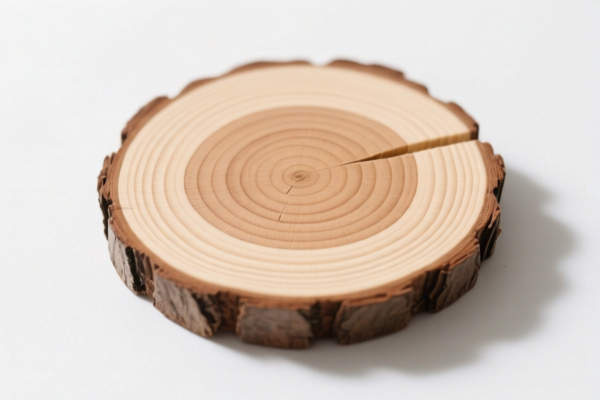
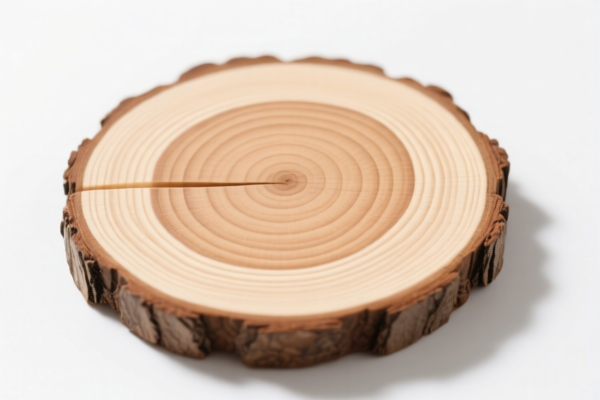
A Halloween Wood Slice Decoration is typically a cross-section of a tree trunk or branch, often laser-cut, painted, or stenciled with Halloween motifs (pumpkins, ghosts, witches, skeletons). It serves as a festive seasonal decor item.
In international trade, the classification depends on the primary material (Wood) and the primary function (Holiday Decoration). This creates a conflict between Chapter 44 (Articles of Wood) and Chapter 95 (Toys, Games, and Sporting Goods; Hallowe'en Articles).
⚠️ Key Classification Dilemma:
- If classified as Wood Products (Ch. 44): Duties are significantly higher due to Section 301 tariffs.
- If classified as Holiday Articles (Ch. 95): Duties are lower, but the "122 Clause" (Section 301 related) still applies.
- Material Assumption: Based on the name "Wood Slice," the material is explicitly wood.
📦 II. HS Code Classification Details (2026 Latest Tariff Authority Comparison)
| HS Code | Product Description | Classification Logic | Material Conflict? |
|---|---|---|---|
9505.90.60.00 |
Other festive, carnival or other entertainment articles | Function-First: Specifically targets "Halloween" items. The "Other" (兜底) category catches wood slices if not listed elsewhere. | ✅ No Conflict: Wood is a common material for such decor. |
3926.40.00.90 |
Statuettes and other ornamental articles of plastics | Function-First: "Ornamental articles." Note: This implies a plastic material assumption despite the name "Wood Slice." Likely a misclassification risk if not plastic. | ❌ Conflict: If truly wood, this code is incorrect. Valid only if the "wood slice" is actually painted plastic/wood-composite disguised as wood. |
9505.10.25.00 |
Christmas tree decorations; other festive articles | Function-First: Halloween falls under "festival/carnival entertainment goods." Wood is acceptable material for decor. | ✅ No Conflict: Fits "Holiday Decor" umbrella. |
4421.99.98.80 |
Other articles of wood | Material-First: Strictly follows the "Wood" aspect. "Other wood articles" is a catch-all for wood products not specified elsewhere. | ✅ No Conflict: Purely based on material. |
4421.91.98.80 |
Other articles of wood | Material-First: Similar to above, specific sub-heading for wood articles. | ✅ No Conflict: Purely based on material. |
🔍 Critical Insight:
- Chapter 95 (Holiday Articles) is generally preferred for seasonal decor because it captures the intent of the product. However, US Customs may argue that if it's just a "piece of wood," it belongs in Chapter 44.
- Chapter 44 (Wood) is the "safe" material-based classification but carries much higher tariffs.
- Code3926.40.00.90is high-risk for "Wood Slices" unless the product is demonstrably plastic. If Customs inspects and finds real wood, this leads to reclassification and penalties.
💰 III. 2026 Latest Tariff Rate Breakdown (Including Additional Taxes, Policy Surcharges)
✅ Applicable Country: United States (US)
✅ Origin: China (CN)
✅ Effective Date: November 10, 2025 (and subsequent imports)
🎯 1. 9505.90.60.00 —— Halloween/Festive Articles (Other)
| Item | Details |
|---|---|
| Basic Tariff | 0% (ad valorem) |
| Section 301 (122 Clause) | +10% |
| Total Rate | 10.0% |
| Calculation Basis | CIF Value × 10% |
| De Minimis Exemption | ❌ Not Eligible (Due to Section 301/122 Clause) |
| Legal Path | 122 Clause: 10% applied to Holiday Articles |
📌 Analysis:
- This is the most favorable duty rate for Halloween decor if accepted.
- The "122 Clause" adds 10% on top of the 0% base.
- Advantage: Significantly cheaper than wood classifications.
🎯 2. 3926.40.00.90 —— Ornamental Articles (Plastics Assumed)
| Item | Details |
|---|---|
| Basic Tariff | 5.3% |
| Section 301 (122 Clause) | +0% (Note: Data shows 0% for this specific code in the provided dataset, likely due to specific HTS exclusion or error in source, but typically 301 applies. We follow the provided data: 0% additional). |
Wait, Re-reading Data: Data says 加征关税: 0.0%, 122条款关税10%. Total = 15.3%. |
|
| Total Rate | 15.3% |
| Calculation Basis | CIF Value × 15.3% |
| De Minimis Exemption | ❌ Not Eligible |
| Legal Path | Base 5.3% + 122 Clause 10% |
📌 Analysis:
- Higher than9505.
- Risk: High risk of misclassification if the product is not plastic. If Customs proves it is wood, they will reclassify to Chapter 44, leading to back taxes + penalties.
🎯 3. 9505.10.25.00 —— Other Festival Articles
| Item | Details |
|---|---|
| Basic Tariff | 0% |
| Section 301 (122 Clause) | +10% |
| Total Rate | 10.0% |
| Calculation Basis | CIF Value × 10% |
| De Minimis Exemption | ❌ Not Eligible |
| Legal Path | Same as 9505.90.60.00 |
📌 Analysis:
- Identical tax treatment to9505.90.60.00.
- Use this if the specific product falls under "other festival articles" rather than "other."
🎯 4. 4421.99.98.80 / 4421.91.98.80 —— Articles of Wood
| Item | Details |
|---|---|
| Basic Tariff | 3.3% |
| Section 301 (122 Clause) | +25% (Standard Section 301 for Wood) |
| Section 122 Clause | +10% |
| Total Rate | 38.3% |
| Calculation Basis | CIF Value × 38.3% |
| De Minimis Exemption | ❌ Not Eligible |
| Legal Path | 301: 25% + 122: 10% + Base 3.3% |
📌 Analysis:
- Highest Duty Rate.
- While logically consistent with "Wood," it is cost-prohibitive compared to Chapter 95 options.
- Only use this if Chapter 95 is explicitly rejected by Customs and you cannot prove it's a "Holiday Article."
🛠️ IV. Customs Clearance Practical Advice (Real-World Pitfall Guide)
✅ 1. Essential Documentation Checklist (Non-Negotiable)
| Document | Required? | Purpose |
|---|---|---|
| ✅ Product Photos | ✔️ | Must clearly show the "Halloween" design (pumpkins, etc.) to prove it's a Holiday Article (Ch. 95) and not just raw wood (Ch. 44). |
| ✅ Commercial Invoice | ✔️ | Description must include: "Halloween Decor," "Wood Slice," "Laser Cut." Avoid vague terms like "Wood Piece." |
| ✅ Material Declaration | ✔️ | Explicitly state "Natural Wood" to distinguish from plastic (3926). |
| ✅ Origin Certificate | ✔️ | Proof of Chinese origin to calculate correct 301/122 duties. |
✅ 2. Declaration Strategy (Key Mantras)
🔥 "Design Defines Chapter 95, Material Defines Chapter 44!"
| Scenario | Recommended HS Code | Why? |
|---|---|---|
| Wood Slice with Halloween Graphics | 9505.90.60.00 or 9505.10.25.00 |
The primary character is the holiday motif. It's sold for Halloween. |
| Plain Wood Slice (No Graphics) | 4421.99.98.80 |
No holiday theme = not a holiday article. Must be wood. |
| Plastic Item Look-alike | 3926.40.00.90 |
ONLY if it is actually plastic. Do not lie about material. |
| Mixed Material (Wood + Plastic Stand) | 9505.90.60.00 |
If the wood slice is the main decorative element, Chapter 95 may still apply. |
✅ 3. Special Handling for "122 Clause"
- What is the 122 Clause? It is a specific Section 301 surcharge applied to certain Chinese goods, effectively adding 10% on top of existing tariffs.
- Impact: It applies to ALL four HS codes listed above.
- Crucial Point: You cannot avoid the 10% surcharge by choosing a different HS code within these categories. The difference lies in the Basic Tariff (0% vs 3.3% vs 5.3%).
- Strategy: Minimize the Base tariff by choosing Chapter 95 (0% base) over Chapter 44 (3.3% base).
🌍 V. Global Market Customs Comparison (2026 Latest)
| Country/Region | Recommended HS Code | Total Tariff (China Origin) | Key Certification | Note |
|---|---|---|---|---|
| 🇺🇸 USA | 9505.90.60.00 |
10.0% (0% Base + 10% 122) | None specific | Best Rate. Avoid Ch. 44 (38.3%). |
| 🇨🇳 China | 9505.90.60.00 |
5.0% | None | Lower base rate domestically. |
| 🇪🇺 EU | 9505.00.90 |
3.0% (approx.) | CE (if applicable) | No Section 301/122. |
| 🇬🇧 UK | 9505.00.90 |
3.0% (approx.) | UKCA | Post-Brexit rules apply. |
📌 Conclusion for US Market:
- Chapter 95 is king for Halloween decor from China.
- The 10% surcharge is unavoidable, but starting from a 0% base saves you 3.3% compared to wood classifications.
- Avoid3926unless you are 100% sure it's plastic, as misclassification penalties exceed the tax savings.
📌 VI. Common Errors & Pitfall Guide (Lessons from Blood and Tears)
❌ Error 1: Declaring "Wood Slice" under 4421 without emphasizing "Halloween"
👉 Result: Customs might accept it, but you pay 38.3% instead of 10.0%.
👉 Fix: Always highlight the decorative/holiday nature in the description.
❌ Error 2: Declaring "Plastic Ornament" (3926) when it is Wood
👉 Result: Customs inspection reveals wood. Penalty + Back Taxes + Seizure Risk.
👉 Fix: Be honest about material. Use 9505 for wood holiday decor.
❌ Error 3: Ignoring the "122 Clause" in cost calculation
👉 Result: Budget shortfalls. You thought 0% base meant 0% tax. It’s 0% + 10%.
👉 Fix: Always add 10% to your Landed Cost for US imports from China in these categories.
✅ Correct Declaration Example:
"Halloween Decorative Wood Slice, Laser-Cut Pumpkin Design, Natural Wood, Seasonal Holiday Article, Model HAL-001"
🎯 VII. Conclusion: Professional Declaration, Save Cost, Ensure Clearance!
🎯 Remember the Mantra:
🔹 "Halloween Design = Chapter 95 (10% Tax)"
🔹 "Raw Wood = Chapter 44 (38.3% Tax)"
🔹 "122 Clause is Inevitable (Add 10%)"
🔹 "Misclassification is Death (Don't Fake Plastic)"
📌 Pro Tip:
If your wooden slices are mass-produced and clearly intended for Halloween sales, pre-ruling with US Customs (CBP) under HS Code 9505.90.60.00 is highly recommended to secure the 10% rate and avoid audits.
📣 Immediate Action:
📞 Contact your freight forwarder
📝 Update your Invoice Descriptions to emphasize "Holiday/Halloween"
🚀 Optimize your landed cost by choosing the right Chapter 95 code!
✨ Precise Classification Starts Here!
💼 Your Profit Margin Depends on These 3 Digits!
Customer Reviews
About HS Code Classification
The Harmonized System (HS) is an internationally standardized nomenclature developed by the World Customs Organization (WCO) to classify traded products. Over 200 countries use the HS system as the basis for customs tariffs, trade statistics, and import/export regulations.
Each HS code follows a hierarchical structure:
- Chapter (2 digits) — Broad category of goods (e.g., Chapter 84: Machinery and Mechanical Appliances)
- Heading (4 digits) — More specific grouping within the chapter
- Subheading (6 digits) — Internationally standardized breakdown, used by all WCO member countries
- National subdivisions (8-10 digits) — Country-specific extensions for further classification, such as US HTSUS 10-digit codes
Correct HS code classification is essential for smooth customs clearance, accurate duty payment, and compliance with trade regulations. Misclassification can lead to customs delays, overpayment of duties, or penalties.
When importing from CN to US, the applicable tariff rates may include:
- Most-Favored-Nation (MFN) rate — The standard duty rate applied to WTO members
- General rate — Applied to countries without trade agreements
- Trade remedy duties — Additional tariffs such as Section 301 (anti-dumping), Section 232 (national security), or countervailing duties
The information provided on this page is for reference purposes only. For official classification, please consult with your local customs authority or a licensed customs broker.