Halogen Continuous Tone Positive Film
CN → US| HS Code | Tariff Rate | Origin | Destination | Doc |
|---|---|---|---|---|
| 3701996060 | 35.0% | CN | US | Official Doc |
| 3702440160 | 38.7% | CN | US | Official Doc |
| 3705000000 | 35.0% | CN | US | Official Doc |
| 3701996030 | 35.0% | CN | US | Official Doc |
Product Images
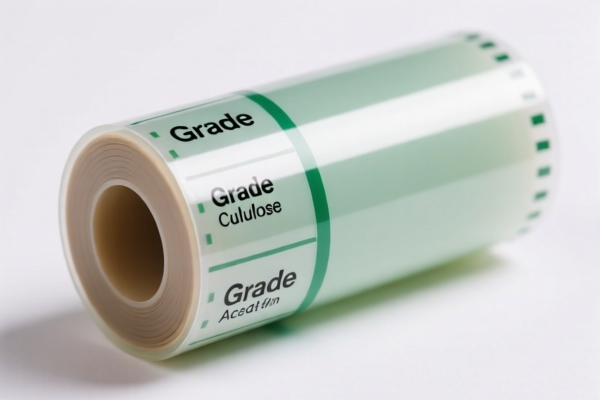
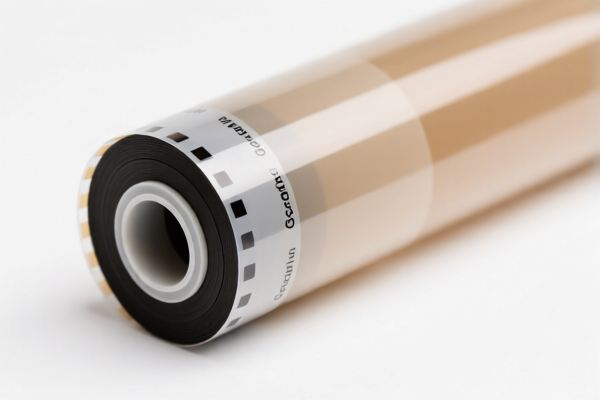
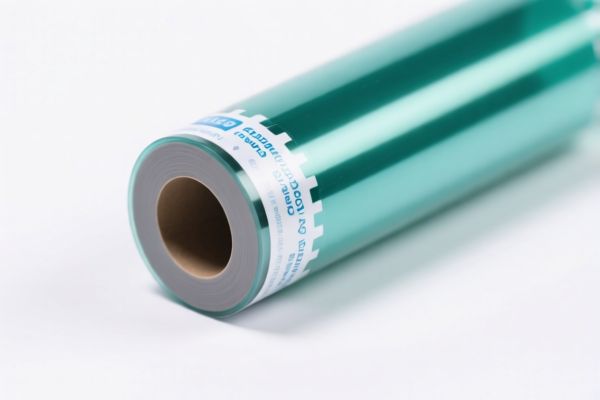
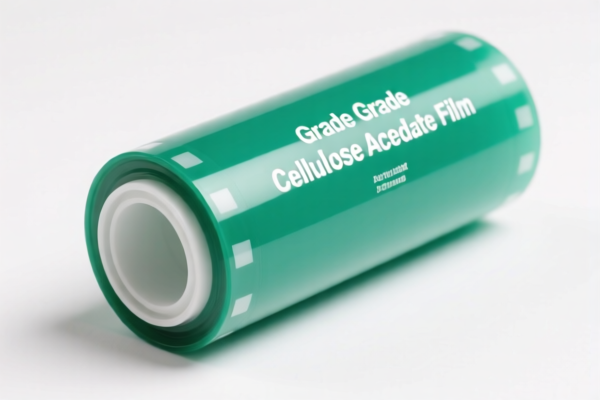
AI Analysis
🎞️ Halogen Continuous Tone Positive Film
🌐 HS Code Reference & Customs Clearance Guide | 2026 Latest Tariff Analysis | Professional Clearance Strategy
📌 I. Product Definition & Classification: Do You Really Understand "Halogen Continuous Tone Positive Film"?
Halogen silver continuous tone positive film is a high-precision photographic material used in graphic arts, industrial imaging, and professional photography. It is a light-sensitive material based on silver halide emulsion. In international trade, its classification depends strictly on its physical state (unexposed/exposed), form (roll/plane), and application (graphic arts/photography).
Key Distinction Criteria: - Unexposed & Unprocessed: Classified under Heading 3701 or 3702 depending on format. - Exposed & Developed: Classified under Heading 3705. - Substrate: Must be non-paper based (typically polyester or cellulose acetate). If paper-based, it falls under different headings (not covered in this dataset).
⚠️ Critical Note:
- Continuous Tone (Continuous Gradient) vs. Halftone: This specific query refers to Continuous Tone films, which require specific HS codes for graphic arts (3701) or photographic rolls (3702).
- Positive vs. Negative: Positive films are often used for printing plates or final positives, influencing the specific subheading within 3701/3702.
- Material: Silver halide emulsion coated on a film base.
📦 II. HS Code Classification Details (2026 Latest Tariff Authority Comparison)
| HS Code | Product Description | Application Scenario | State/Format |
|---|---|---|---|
3701.99.60.60 |
Halogen Continuous Tone Positive Film, Graphic Arts Film | Graphic arts, non-paper sensitive flat materials | Unexposed, Flat Plate |
3702.44.01.60 |
Halogen Continuous Tone Positive Film, Unexposed Roll Film | Continuous tone positive photographic rolls | Unexposed, Rolled |
3705.00.00.00 |
Halogen Continuous Tone Positive Film, Exposed/Developed | Exposed and developed photographic plates/films | Exposed & Processed |
3701.99.60.30 |
Halogen Continuous Tone Positive Film, Graphic Arts Film | Graphic arts, non-paper sensitive flat materials | Unexposed, Flat Plate |
🔍 Key Clarifications:
- 3701 Series: Generally covers plate films and graphic arts films (flat sheets/rolls used for制版). Specifically,3701.99.60items are often "non-paper" graphic arts films.
- 3702 Series: Covers photographic films in rolls.3702.44specifically targets continuous tone positive films on a roll.
- 3705 Series: Covers already exposed and developed plates and films. If your product is "ready-to-print" (chemically processed), it must go here.
- Difference between.60.60and.60.30: Both are graphic arts films under 3701.99.60. The last digits (.60vs.30) often denote specific national sub-categories or material nuances (e.g., polyester vs. acetate, or specific brand/usage restrictions). In the provided data, both are described as "Graphic Arts Film, non-paper."
💰 III. 2026 Latest Tariff Rate Details (Including Surtaxes & Policy Surcharges)
✅ Applicable Country: United States (US)
✅ Origin: China (CN)
✅ Effective Date: From November 10, 2025 (and subsequent imports)
🎯 1. 3701.99.60.60 & 3701.99.60.30 —— Graphic Arts Film (Unexposed, Flat)
| Item | Content |
|---|---|
| Base Tariff Rate | 0.0% (ad valorem) |
| Section 301 Surtax | +25.0% (USITC Footnote) |
| IEEPA Surcharge (122 Clause) | +10.0% (Targeting China/HK products) |
| Total Tariff Rate | 35.0% |
| Tax Calculation | CIF Value × 35% |
| De Minimis Exemption | ❌ Not Available (deny_de_minimis) |
| Legal Authority Path | USITC:3701.99.60.60 → Section 301: 25% → IEEPA: 10% |
📌 Explanation:
- These codes represent unexposed graphic arts films (flat plates/sheets).
- Although the base rate is 0%, the 35% total tariff is significant.
- The 10% IEEPA surcharge is critical for China-origin goods.
🎯 2. 3702.44.01.60 —— Unexposed Roll Film (Photographic)
| Item | Content |
|---|---|
| Base Tariff Rate | 3.7% (ad valorem) |
| Section 301 Surtax | +25.0% |
| IEEPA Surcharge (122 Clause) | +10.0% |
| Total Tariff Rate | 38.7% |
| Tax Calculation | CIF Value × 38.7% |
| De Minimis Exemption | ❌ Not Available (deny_de_minimis) |
| Legal Authority Path | USITC:3702.44.01.60 → Section 301: 25% → IEEPA: 10% |
📌 Explanation:
- This code is for unexposed rolls used in continuous tone positive photography.
- It has a higher base rate (3.7%) compared to flat graphic arts films (0%).
- Total burden is 38.7%, the highest among the options.
🎯 3. 3705.00.00.00 —— Exposed and Developed Photographic Plates/Films
| Item | Content |
|---|---|
| Base Tariff Rate | 0.0% (ad valorem) |
| Section 301 Surtax | +25.0% |
| IEEPA Surcharge (122 Clause) | +10.0% |
| Total Tariff Rate | 35.0% |
| Tax Calculation | CIF Value × 35.0% |
| De Minimis Exemption | ❌ Not Available (deny_de_minimis) |
| Legal Authority Path | USITC:3705.00.00.00 → Section 301: 25% → IEEPA: 10% |
📌 Explanation:
- This code applies only if the film is already exposed and chemically developed (i.e., it contains the final image).
- Despite being "processed," the base rate is 0%, but the surtaxes still apply, totaling 35%.
🛠️ IV. Customs Clearance Practical Advice (Avoid Pitfalls)
✅ 1. Essential Documentation Checklist
| Document | Mandatory? | Description |
|---|---|---|
| ✅ Product Specification Sheet | ✔️ | Must specify: Silver Halide base, Continuous Tone, Positive/Negative, Format (Roll/Flat). |
| ✅ Physical State Declaration | ✔️ | Clearly state: Unexposed vs. Exposed/Developed. Misdeclaration here leads to major penalties. |
| ✅ Material Composition | ✔️ | Confirm substrate is non-paper (e.g., Polyester). If paper-based, these HS codes are invalid. |
| ✅ Commercial Invoice | ✔️ | Must describe item as "Halogen Silver Continuous Tone Positive Film" + HS Code. |
| ✅ Packing List | ✔️ | Distinguish between Rolls and Flat Sheets clearly. |
✅ 2. Classification Strategy (Critical Rules)
🔥 “Roll vs. Plate, Exposed vs. Raw, Paper vs. Non-Paper!”
| Scenario | Correct HS Code | Wrong Code | Consequence of Error |
|---|---|---|---|
| Unexposed Flat Graphic Arts Film | 3701.99.60.60 or 3701.99.60.30 |
3702.44.01.60 |
Overpaying tariff (35% vs 38.7% base, though total is similar, wrong classification causes delays). |
| Unexposed Photographic Roll | 3702.44.01.60 |
3701.99.60.60 |
Underpaying base tariff (3.7% vs 0%). Customs may assess back taxes + fines. |
| Exposed & Developed Film | 3705.00.00.00 |
3701/3702 |
Major Error: Classified as "raw material" instead of "processed good." Risk of seizure. |
| Paper-Based Film | Not in List | 3701/3702 |
Rejection: HS codes provided are for non-paper materials. Paper films have different codes (e.g., 3702.31). |
✅ 3. Special Circumstances & Tips
| Situation | Recommendation |
|---|---|
| Mixed Shipment (Rolls + Flats) | Declare separately. Do not bundle under one HS code if they differ. |
| "Positive" vs. "Negative" | Ensure the description matches "Positive." Negative films may have different subheadings. |
| Origin Marking | Must clearly mark "Made in China" on packaging to trigger IEEPA 10% if applicable. |
| IEEPA 122 Clause | Verify if the specific chemical composition or brand falls under the "122 Clause" targeted goods. If not, the 10% may not apply (check latest USTR lists). |
🌍 V. Global Customs Comparison (2026 Latest)
| Country/Region | Recommended HS Code | Tariff Rate | Notes |
|---|---|---|---|
| 🇺🇸 USA | 3701.99.60.60 / 3702.44.01.60 / 3705.00.00.00 |
35% - 38.7% | Includes 25% Sec 301 + 10% IEEPA. High Cost. |
| 🇨🇳 China | 3701.99.60 / 3702.44.01 |
~3.7% - 6% | Base import duty. No US-style surtaxes. |
| 🇪🇺 EU | 3701.99 / 3702.44 |
4.0% - 6.5% | Standard EU duty. No additional surtaxes for China. |
| 🇬🇧 UK | 3701.99 / 3702.44 |
4.0% - 6.5% | Post-Brexit tariffs similar to EU for these goods. |
📌 Conclusion:
- USA is the most expensive market due to combined Section 301 and IEEPA surcharges.
- Total Cost Impact: A $10,000 shipment could incur $3,500 - $3,870 in tariffs alone.
- Recommendation: Factor this into your pricing model. Consider if alternative origins (if eligible) can reduce the IEEPA burden.
📌 VI. Common Mistakes & Pitfalls (Blood Lessons)
❌ Mistake 1: Declaring Exposed/Developed film as Unexposed.
👉 Result: HS Code 3705 is mandatory for developed film. Using 3701/3702 is a false declaration.
👉 Penalty: Seizure, fines, and potential loss of import privileges.
❌ Mistake 2: Ignoring the 10% IEEPA Surcharge.
👉 Result: Underpaying by 10%. Customs will audit and demand back payment + interest.
👉 Solution: Always include "IEEPA 10%" in cost calculations for China-origin goods.
❌ Mistake 3: Confusing Paper-Based with Non-Paper.
👉 Result: If the film base is paper, HS codes 3701.99 and 3702.44 (often non-paper specific in detailed national subheadings) may be incorrect.
👉 Check: Material specs. If "Paper," look for 3702.31 or similar.
❌ Mistake 4: Not distinguishing Roll vs. Flat.
👉 Result: 3701 is generally flat/graphic arts; 3702 is rolls. Mixing them up causes customs delays for inspection.
✅ Correct Declaration Example:
"Halogen Silver Continuous Tone Positive Graphic Arts Film, Unexposed, Non-Paper Base, Flat Sheet, Model XYZ, Made in China"
HS Code:3701.99.60.60
Tax: 35% (0% Base + 25% Sec 301 + 10% IEEPA)
🎯 VII. Conclusion: Precision Classification for Cost Control
🎯 Key Takeaway:
🔹 "Unexposed? Roll = 38.7%, Flat = 35%. Exposed? = 35%. Paper? = Wrong Code!"
🔹 "Always declare Origin: China triggers IEEPA 10% + Section 301 25%."
🔹 "Documentation is Key: Prove it's Non-Paper and Unexposed (if applicable)."
📌 Pro Tip:
If your product is flexible packaging film or industrial sensor film (not for imaging), do NOT use these codes. They are strictly for photographic/graphic arts silver halide materials. Misclassification can lead to severe penalties.
📣 Immediate Action:
📞 Consult a Customs Broker: Verify the specific "122 Clause" applicability for your brand/formulation.
📄 Prepare Specs: Clearly document "Silver Halide," "Continuous Tone," "Positive," and "Substrate Material."
💰 Budget for Tariffs: Plan for 35% - 38.7% total duty cost for US imports.
✨ Professional clearance starts with accurate classification!
💼 Every percentage point counts in global trade!
Customer Reviews
About HS Code Classification
The Harmonized System (HS) is an internationally standardized nomenclature developed by the World Customs Organization (WCO) to classify traded products. Over 200 countries use the HS system as the basis for customs tariffs, trade statistics, and import/export regulations.
Each HS code follows a hierarchical structure:
- Chapter (2 digits) — Broad category of goods (e.g., Chapter 84: Machinery and Mechanical Appliances)
- Heading (4 digits) — More specific grouping within the chapter
- Subheading (6 digits) — Internationally standardized breakdown, used by all WCO member countries
- National subdivisions (8-10 digits) — Country-specific extensions for further classification, such as US HTSUS 10-digit codes
Correct HS code classification is essential for smooth customs clearance, accurate duty payment, and compliance with trade regulations. Misclassification can lead to customs delays, overpayment of duties, or penalties.
When importing from CN to US, the applicable tariff rates may include:
- Most-Favored-Nation (MFN) rate — The standard duty rate applied to WTO members
- General rate — Applied to countries without trade agreements
- Trade remedy duties — Additional tariffs such as Section 301 (anti-dumping), Section 232 (national security), or countervailing duties
The information provided on this page is for reference purposes only. For official classification, please consult with your local customs authority or a licensed customs broker.