Halogen Silver Photographic Paper Roll (Semi Gloss for Printing)
CN → US| HS Code | Tariff Rate | Origin | Destination | Doc |
|---|---|---|---|---|
| 4811903000 | 35.0% | CN | US | Official Doc |
| 4811592000 | 35.0% | CN | US | Official Doc |
| 4823400000 | 35.0% | CN | US | Official Doc |
| 3703103090 | 38.7% | CN | US | Official Doc |
| 4823908680 | 35.0% | CN | US | Official Doc |
Product Images
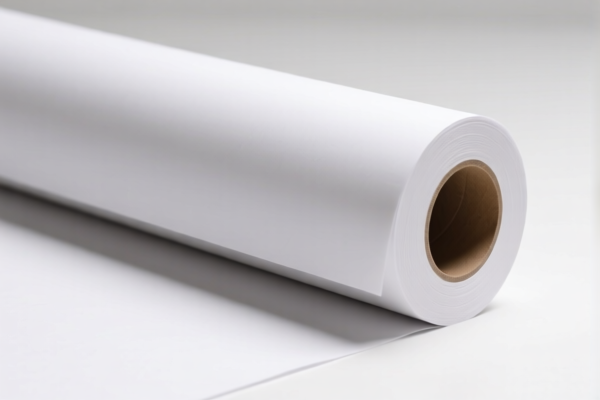
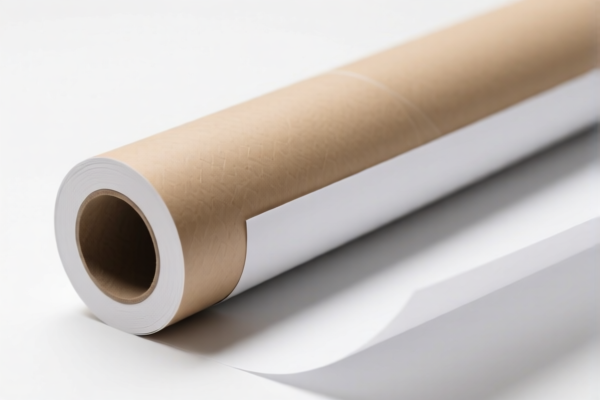
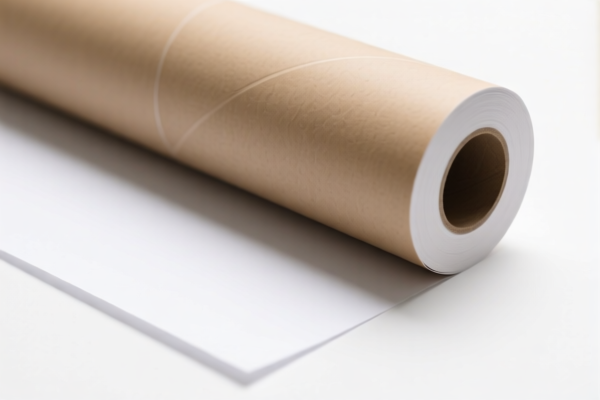
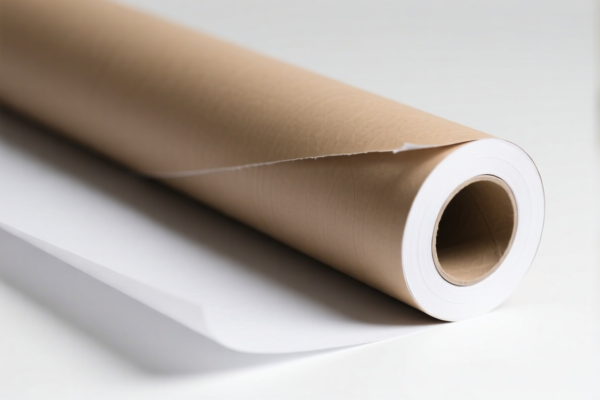
AI Analysis
📸 Halogen Silver Photographic Paper Roll (Semi-Gloss for Printing)
🌐 HS Code Reference & Customs Clearance Guide | 2026 Latest Tariff Analysis | Professional Clearance Strategy
📌 I. Product Definition & Classification: Do You Really Understand "Halogen Silver Photographic Paper"?
Halogen Silver Photographic Paper (often referred to as Silver Halide Paper) is a high-precision imaging material used in professional printing, photography labs, and large-format reproduction. It relies on light-sensitive silver halide crystals suspended in gelatin on a paper substrate.
In international trade, the classification depends heavily on the physical state (roll vs. sheet), coating technology, and intended use (line copy vs. continuous tone image).
⚠️ Key Distinction Points:
- Paper-Based vs. Film-Based: If the base is paper (cellulose), it generally falls under Chapter 48. If it were plastic-based (PET/PVC), it might fall under Chapter 37 or Chapter 39. The data confirms a "Paper/Paperboard" base. - Coated vs. Uncoated: This product is "Semi-Gloss," implying a specialized surface coating (latex/emulsion) for print quality, which influences whether it fits into "Printing Paper" (4811) or "Other Paper" (4823). - Roll vs. Sheet: The input specifies "Roll", which strongly suggests 4823.40 (Rolls of paper) or specific photographic categories if treated differently under Chapter 37 (though Chapter 37 is usually for films/plates, not paper-based).
📦 II. HS Code Classification Details (2026 Latest Tariff Authority Comparison)
Based on the provided data, there are 5 potential HS Codes. Below is the detailed breakdown of why each was matched and the associated tax implications.
| HS Code | Product Description | Matching Logic (From Data) | Total Tax Rate |
|---|---|---|---|
4811.90.30.00 |
Printing Paper, Other | Material Match: Paper. Form Match: Sheet/Roll (Implied). Logic: While "Impregnated with Latex" isn't explicitly stated, photo paper requires coating. No material conflict. Treated as a special printing paper. |
35.0% |
4811.59.20.00 |
Photo Paper, Other | Match Success: - Material: Paper. - Form: Printing paper attribute. - Use: Color photo printing. Logic: Directly identified as Photo Paper suitable for color printing. |
35.0% |
4823.40.00.00 |
Other Paper, in Rolls | Material Match: Silver Halide Paper (Cellulose/Paper). Form Match: Roll. Use Match: Replication/Printing. Logic: Fits "Paper/Paperboard" and "Print Rolls". No material/form conflict. |
35.0% |
3703.10.30.90 |
Photographic Paper, Sensitized | Match Success: - Material: Silver Halide (Light-sensitive). - Form: Roll. - Use: Line Copy. Logic: Matches the definition of sensitized photographic materials for line copying. |
38.7% |
4823.90.86.80 |
Other Paper Products, Other | Match Success: - Material: Silver Halide Sensitized Paper (Paperboard). - Form: Roll. Logic: General category for other paper products. No material/form conflict. |
35.0% |
🔍 Critical Observation:
- 4 Out of 5 Codes carry a 35% total tax rate. - Only3703.10.30.90carries a higher rate of 38.7%. - The core differentiator is whether the customs broker classifies it strictly as "Paper" (Ch. 48) or "Sensitized Photographic Material" (Ch. 37). Given the "Roll" format and "Printing" use, Chapter 48 is more common for high-volume commercial rolls, but Chapter 37 is technically accurate for "Sensitized" material used in "Line Copy".
💰 III. 2026 Latest Tariff Rate Breakdown (Including Surtaxes & Policy Add-ons)
✅ Applicable Country: United States (US)
✅ Country of Origin: China (CN)
✅ Effective Date: November 10, 2025 (and onwards)
🎯 1. Category A: HS Codes 4811.90.30.00, 4811.59.20.00, 4823.40.00.00, 4823.90.86.80
(Most Likely Classifications for General Photo Paper Rolls)
| Item | Content |
|---|---|
| Base Tariff | 0.0% (Most paper products have 0% MFN base rate) |
| USITC Surtax (Section 301) | +25.0% (High tariffs on Chinese goods under USITC Footnote 9903.88.01) |
| IEEPA Surtax (China Specific) | +10.0% (Targeting Chinese/Hong Kong products under IEEPA) |
| Total Effective Rate | 35.0% |
| Tax Calculation | CIF Value × 35% |
| De Minimis Exemption | ❌ NOT ELIGIBLE (deny_de_minimis) |
| Legal Path | IEEPA:9903.01.25 → IEEPA:9903.01.24 → USITC:4811/4823 Subheadings → FOOTNOTE:9903.88.01 |
📌 Explanation:
- The 0% base rate is misleading if you don't add the surtaxes.
- The 25% is from the Trump/Biden era Section 301 tariffs.
- The 10% is from the IEEPA executive orders targeting specific Chinese strategic materials.
- Result: 35% is the real cost. This is a HIGH TARIFF category for packaging/printing supplies.
🎯 2. Category B: HS Code 3703.10.30.90
(Classification as "Sensitized Photographic Paper for Line Copy")
| Item | Content |
|---|---|
| Base Tariff | 3.7% |
| USITC Surtax (Section 301) | +25.0% |
| IEEPA Surtax (China Specific) | +10.0% |
| Total Effective Rate | 38.7% |
| Tax Calculation | CIF Value × 38.7% |
| De Minimis Exemption | ❌ NOT ELIGIBLE (deny_de_minimis) |
| Legal Path | IEEPA:9901.25 → IEEPA:9903.01.24 → USITC:3703.10.30.90 → FOOTNOTE:9903.88.01 |
📌 Explanation:
- Although the base rate is higher (3.7%), the surtaxes are the same (35%).
- This results in a 3.7% HIGHER total tax burden compared to Chapter 48 codes.
- Recommendation: Unless the product is strictly for "Line Copy" (e.g., blueprint/drafting) and not general photo printing, avoid this code to save 3.7%.
🛠️ IV. Customs Clearance Practical Advice (Battle-Tested Pitfall Guide)
✅ 1. Document Checklist (Non-Negotiable)
| Document | Required? | Notes |
|---|---|---|
| ✅ Product Specification Sheet | ✔️ | Must clearly state: "Base: Paper", "Coating: Silver Halide", "Form: Roll". |
| ✅ Technical Data Sheet (TDS) | ✔️ | Proves it is "Photographic Paper" and not just "Coated Cardstock". |
| ✅ Product Photos | ✔️ | Show the roll core, the surface finish (Semi-Gloss), and any packaging labels. |
| ✅ Commercial Invoice | ✔️ | Description must match HS Code logic. Avoid vague terms like "Paper". Use "Sensitized Photographic Paper Roll". |
| ✅ Certificate of Origin (CO) | ✔️ | Essential for proving China origin (triggers tariffs). |
| ✅ Bill of Lading/Air Waybill | ✔️ | Ensure weight and dimensions are accurate. |
✅ 2. Declaration Strategy (Key Mnemonics)
🔥 "Paper Base = Ch.48, Line Copy = Ch.37, Roll = High Volume!"
| Scenario | Correct HS Code | Incorrect Declaration | Risk |
|---|---|---|---|
| General Photo Printing (Color/B&W) | 4811.59.20.00 or 4823.40.00.00 |
Misclassifying as 3703 |
Higher Tax (38.7% vs 35%) + Audit Risk |
| Strict Line Copy (Blueprints) | 3703.10.30.90 |
Misclassifying as General Paper | Base rate higher, same surtax = Higher Tax |
| Non-Sensitized Coated Paper | 4811.90.30.00 |
Declaring as "Sensitized" | Over-declaration, potential penalties if audited |
| Plastic-Based Film (Not Paper) | 3702 or 3707 |
Declaring as "Paper" | REJECTION/Return due to material mismatch |
📌 Pro Tip:
- If the paper is uncoated or simply waxed, it might still fit4811.
- If it is sensitized (light-sensitive),4823or3703is more precise.
-4811.59.20.00is often the safest bet for "Photo Paper" intended for commercial printing, as it explicitly references "Photo Paper" in many national subheadings.
✅ 3. Special Handling Cases
| Case | Handling Advice |
|---|---|
| OEM/Custom Coating | Provide formula or coating type. If it contains latex, emphasize 4811.90.30.00. |
| Small Sample Rolls | Even small rolls are subject to the 35% tariff. No de minimis exemption! |
| Mixed Shipment (Paper + Film) | DO NOT MIX. Film (Ch. 37) and Paper (Ch. 48) have different tariff histories. Split bills of lading. |
| Re-importation (US Goods) | If the paper was originally US-made, exported, and returned, it may qualify for duty drawbacks. |
🌍 V. Global Market Clearance Comparison (2026 Latest)
| Country/Region | Recommended HS Code | Estimated Duty (China Origin) | Certification | Notes |
|---|---|---|---|---|
| 🇺🇸 USA | 4811.59.20.00 or 4823.40.00.00 |
35.0% | FDA (if food contact), RoHS | High Barrier. 301 + IEEPA taxes. |
| 🇨🇳 China | 4811.59.20.00 |
0% - 5% | CCC (if applicable) | Low duty, easy entry. |
| 🇪🇺 EU | 4811.59.00.00 |
0% - 6.5% | CE, REACH | No Section 301 equivalent. |
| 🇬🇧 UK | 4811.59.00.00 |
0% - 6.5% | UKCA | Post-Brexit rules. |
| 🇦🇺 Australia | 4811.59.00.00 |
5.0% | ACCC | Low duty, GST applies. |
📌 Conclusion:
- The USA is the most expensive market for this product due to dual surtaxes (301 + IEEPA).
- Europe and Asia-Pacific offer significantly lower duty burdens.
- Strategy: Consider transshipment or supply chain adjustment if margins are thin, as 35% is a significant cost driver.
📌 VI. Common Mistakes & Pitfall Guide (Blood & Tears Lessons)
❌ Mistake 1: Declaring "Photo Paper" as "Office Paper" (4802)
👉 Consequence: Customs will reclassify to 4811 or 4823, apply the 35% tariff, and issue a penalty for misdeclaration.
❌ Mistake 2: Ignoring the "Roll" format and declaring as "Sheet"
👉 Consequence: Incorrect HS Code (4810 vs 4823). While tax may be similar, it triggers an audit flag for volume discrepancies.
❌ Mistake 3: Assuming "De Minimis" ($800) applies
👉 Consequence: FAILURE. Section 301 and IEEPA tariffs are NOT exempt under de minimis. The full 35% tax will be charged.
❌ Mistake 4: Using "Sensitized" for non-sensitized paper
👉 Consequence: Over-compliance. You might be assigned 3703 (38.7%) instead of 4811 (35%), paying extra for no reason.
✅ Correct Practice:
"Silver Halide Sensitized Photographic Paper, Semi-Gloss Finish, Base: Paper, Form: Roll, Width: XX cm, Used for Commercial Printing."
🎯 VII. Conclusion: Precision Declaration Saves Money!
🎯 Remember the Mantra:
🔹 "Paper Base = Chapter 48, Roll = High Volume, 35% is the Floor!"
🔹 "No De Minimis, No Escape, Pay the Surtax or Lose the Margin!"
🔹 "3703 is for Line Copy, 4811 is for Photo, Choose Wisely!"
📌 Pro Tip:
If your product is printed (not just blank sensitized paper), ensure the description reflects "Printing Paper" to stay within 4811.
If you are importing large volumes, apply for an HTS Exclusion if available (though rare for paper products) or work with a customs broker to file a Prior Disclosure if any past shipments were under-declared.
📣 Immediate Action:
📞 Contact a Licensed Customs Broker
📄 Provide Product Data Sheet
🚀 Calculate Landed Cost at 35% Tax before signing contracts!
✨ Professional Clearance Starts with Accurate Classification!
💼 Every Percent Counts in the Age of Trade Wars!
Customer Reviews
About HS Code Classification
The Harmonized System (HS) is an internationally standardized nomenclature developed by the World Customs Organization (WCO) to classify traded products. Over 200 countries use the HS system as the basis for customs tariffs, trade statistics, and import/export regulations.
Each HS code follows a hierarchical structure:
- Chapter (2 digits) — Broad category of goods (e.g., Chapter 84: Machinery and Mechanical Appliances)
- Heading (4 digits) — More specific grouping within the chapter
- Subheading (6 digits) — Internationally standardized breakdown, used by all WCO member countries
- National subdivisions (8-10 digits) — Country-specific extensions for further classification, such as US HTSUS 10-digit codes
Correct HS code classification is essential for smooth customs clearance, accurate duty payment, and compliance with trade regulations. Misclassification can lead to customs delays, overpayment of duties, or penalties.
When importing from CN to US, the applicable tariff rates may include:
- Most-Favored-Nation (MFN) rate — The standard duty rate applied to WTO members
- General rate — Applied to countries without trade agreements
- Trade remedy duties — Additional tariffs such as Section 301 (anti-dumping), Section 232 (national security), or countervailing duties
The information provided on this page is for reference purposes only. For official classification, please consult with your local customs authority or a licensed customs broker.