Halogen free Silver X ray Film
CN → US| HS Code | Tariff Rate | Origin | Destination | Doc |
|---|---|---|---|---|
| 3919905040 | 40.8% | CN | US | Official Doc |
| 3921905050 | 39.8% | CN | US | Official Doc |
| 3920591000 | 41.0% | CN | US | Official Doc |
| 3920992000 | 39.2% | CN | US | Official Doc |
| 3921190090 | 41.5% | CN | US | Official Doc |
Product Images
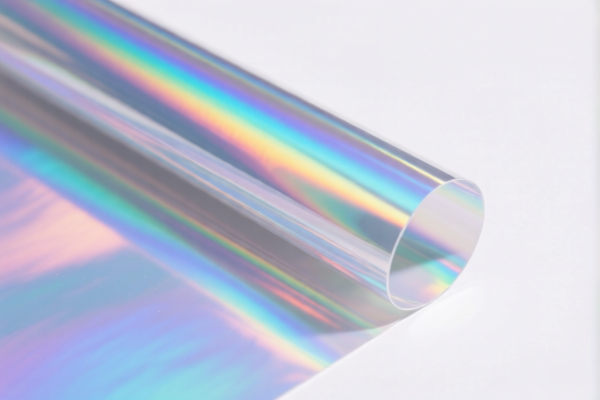
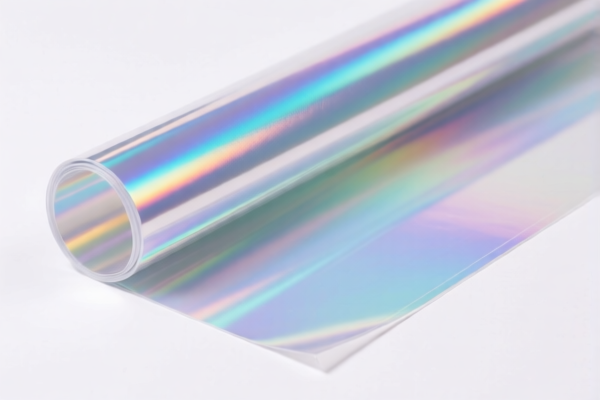
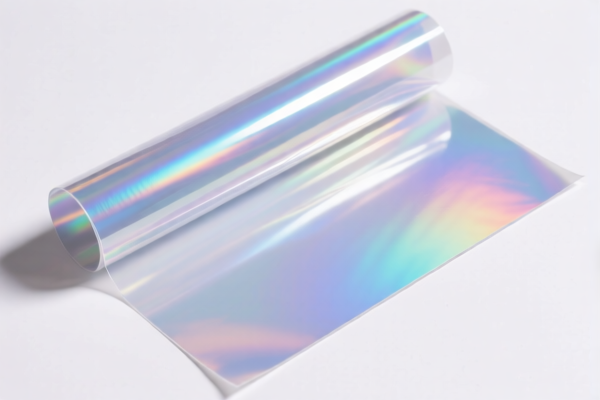
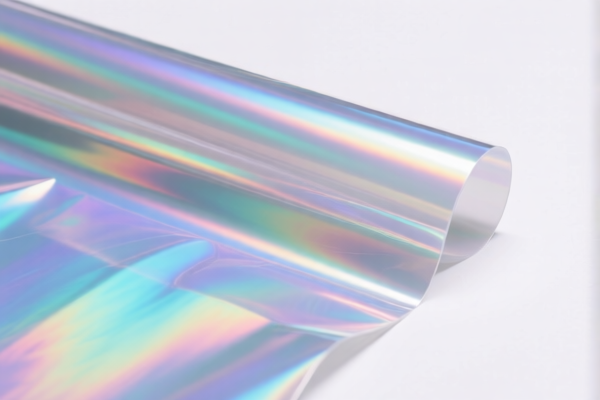
AI Analysis
🎞️ Halogen-Free Silver X-Ray Film: The Ultimate Guide to HS Code Classification & US Customs Clearance
🌐 HS Code Reference & Customs Clearance Guide | 2026 Latest Tariff Analysis | Professional-Level Strategy
📌 I. Product Definition & Classification: What Exactly Is "Halogen-Free Silver X-Ray Film"?
Halogen-Free Silver X-Ray Film is a specialized medical imaging medium used for diagnostic radiography. Its key characteristics include: * Composition: Contains silver halide crystals suspended in a gelatin emulsion, coated on a polyester or cellulose base. * "Halogen-Free" Nuance: In industry terms, "halogen-free" often refers to the absence of additional halogenated flame retardants or environmental hazards, but the film itself contains silver halides (silver chloride/bromide/iodide) as the light-sensitive component. This is a crucial distinction for customs: If the primary material is plastic/polymer with silver coating, it falls under Chapter 39 (Plastics). If it is strictly defined as photographic film, it might fall under Chapter 37 (Photographic), but recent US trade practices often classify thin plastic-based films under Chapter 39 if the base is dominant.
⚠️ Key Distinction Point:
- If the base is plastic/polymer and the silver layer is thin/coating → Likely Chapter 39 (Plastics/Flat Shapes).
- If the product is considered "Photographic Film" (chemical emulsion base) → Chapter 37.
- Current US Customs Trend: Most "Silver X-Ray Film" on plastic bases is classified under Chapter 39 as plastic plates, sheets, or films.
📦 II. HS Code Classification Details (2026 Latest Tariff Authority)
Based on the provided data, the product is consistently classified under Chapter 39 (Plastics and Articles Thereof), not Chapter 37. Below are the specific HS Codes and their tax implications.
| HS Code | Product Description Summary | Total Tax Rate | Key Tax Components |
|---|---|---|---|
| 3919.90.50.40 | Self-adhesive plastic plates, sheets, film, foil, tape (Halogen-free film falls here due to plastic/organic material nature). | 40.8% | Base: 5.8% + Section 301: 25% + IEEPA: 10% |
| 3921.90.50.50 | Plates, sheets, film, foil, tape of plastics (Film form, plastic material inference). | 39.8% | Base: 4.8% + Section 301: 25% + IEEPA: 10% |
| 3920.59.10.00 | Plates, sheets, film, foil, tape of acrylic polymers (Film form, acrylic polymer attribute). | 41.0% | Base: 6.0% + Section 301: 25% + IEEPA: 10% |
| 3920.99.20.00 | Other plates, sheets, film, foil, tape of plastics (Polymer/plastic inference). | 39.2% | Base: 4.2% + Section 301: 25% + IEEPA: 10% |
| 3921.19.00.90 | Other plastic plates, sheets, film, foil (Polymer/plastic product inference). | 41.5% | Base: 6.5% + Section 301: 25% + IEEPA: 10% |
🔍 Important Note:
- All listed HS Codes are under Chapter 39, indicating US Customs views the primary material as plastic/polymer.
- The "Halogen-Free" label does not exempt the product from Section 301 or IEEPA tariffs.
- Rates vary slightly based on the specific polymer type (acrylic vs. other plastics) and form (self-adhesive vs. non-adhesive).
💰 III. 2026 Latest Tariff Rate Breakdown (Including Surcharges & Policy Surcharges)
✅ Applicable Country: United States (US)
✅ Country of Origin: China (CN)
✅ Effective Date: November 10, 2025 (and subsequent imports)
🎯 1. General Tariff Structure for Chapter 39 Films
All the HS Codes above share a common tax structure:
| Component | Rate | Description |
|---|---|---|
| Base Duty | 4.2% – 6.5% | Standard Most-Favored-Nation (MFN) rate for plastic films. |
| Section 301 Surcharge | 25.0% | Additional tariff on Chinese imports under US Trade Act Section 301. |
| IEEPA Surcharge | 10.0% | Additional tariff under the International Emergency Economic Powers Act (122 Clause). |
| Total Effective Rate | 39.2% – 41.5% | Sum of all three components. |
📌 Explanation:
- Base Duty: Varies by specific plastic type (e.g., acrylic vs. other polymers).
- Section 301 (25%): Applies to all Chinese-origin plastic products unless specifically excluded.
- IEEPA (10%): Additional layer for Chinese imports.
- No De Minimis Exemption: These goods cannot use the $800 de minimis rule for duty-free entry.
🎯 2. Detailed Breakdown by HS Code
🔹 3919.90.50.40 – Self-Adhesive Plastic Film
- Base: 5.8%
- Section 301: +25%
- IEEPA: +10%
- Total: 40.8%
- Note: Applicable if the X-ray film has any self-adhesive backing (e.g., for mounting).
🔹 3921.90.50.50 – Other Plastic Plates/Sheets/Film
- Base: 4.8%
- Section 301: +25%
- IEEPA: +10%
- Total: 39.8%
- Note: Common for non-adhesive plastic-based X-ray films.
🔹 3920.59.10.00 – Acrylic Polymer Film
- Base: 6.0%
- Section 301: +25%
- IEEPA: +10%
- Total: 41.0%
- Note: If the film base is specifically identified as acrylic.
🔹 3920.99.20.00 – Other Plastic Film
- Base: 4.2%
- Section 301: +25%
- IEEPA: +10%
- Total: 39.2%
- Note: The lowest tax rate in the list, suitable for generic polymer films.
🔹 3921.19.00.90 – Other Plastic Products
- Base: 6.5%
- Section 301: +25%
- IEEPA: +10%
- Total: 41.5%
- Note: Highest tax rate; use only if other classifications are invalid.
🛠️ IV. Customs Clearance Practical Advice (Pitfall Avoidance Guide)
✅ 1. Documentation Checklist (Mandatory)
| Document | Required | Explanation |
|---|---|---|
| ✅ Product Specification Sheet | ✔️ | Must detail: Base material (e.g., PET, Acrylic), thickness, silver content, "Halogen-Free" certification. |
| ✅ Material Safety Data Sheet (MSDS) | ✔️ | To confirm "Halogen-Free" status and chemical composition. |
| ✅ Commercial Invoice | ✔️ | Clearly state: "Halogen-Free Silver X-Ray Film, Plastic Base, HS Code: [Chosen Code]". |
| ✅ Certificate of Origin | ✔️ | Required for proving Chinese origin and applying surcharges. |
| ✅ Packing List | ✔️ | Detail packaging to ensure no mixed shipments with other materials. |
| ✅ FDA Registration (if applicable) | ✔️ | X-ray films for medical use may require FDA listing. |
✅ 2. Declaration Tips (Key Rules)
🔥 “Base Material Determines Code, Not Just Function!”
| Scenario | Correct Declaration | Wrong Practice |
|---|---|---|
| Plastic Base + Silver Coating | Declare as Plastic Film (Chapter 39) | Declare as "Photographic Film" (Chapter 37) → Risk of reclassification & penalties |
| Self-Adhesive Backing | Use 3919 classification | Use 3920/3921 → Over/under-declaration |
| "Halogen-Free" Claim | Provide test report | Rely solely on name → Customs may still apply standard plastic duties |
✅ 3. Special Cases
| Situation | Handling Advice |
|---|---|
| Medical Use Exemption? | ❌ No Exemption. Medical use does not exempt Chapter 39 plastics from Section 301/IEEPA tariffs. |
| Sample Shipment | ❌ De Minimis Not Allowed. Even small shipments are subject to full 39-41% tariffs. |
| Mixed Materials | Ensure the primary material (plastic) is declared. If metal components are significant, re-evaluate HS code. |
🌍 V. Global Market Comparison (2026)
| Country/Region | Recommended HS Code | Tariff Rate | Certification Required | Notes |
|---|---|---|---|---|
| 🇺🇸 USA | 3920.99.20.00 (Recommended) |
39.2% | FDA, MSDS | High tariffs; verify plastic type. |
| 🇨🇳 China | 3702.xx or 3920.xx |
5-10% | CCC (if applicable) | Lower tariffs; consider Chapter 37 if chemically photographic. |
| 🇪🇺 EU | 3920.xx or 3702.xx |
0-6.5% | CE, RoHS | No Section 301/IEEPA. Lower cost. |
| 🇯🇵 Japan | 3920.xx or 3702.xx |
0-5% | PSE | Competitive rates. |
📌 Conclusion:
- USA is the most expensive market due to Section 301 and IEEPA tariffs (~40%).
- EU/Asia offer significantly lower costs if supply chain can be adjusted.
- China allows dual classification (Ch 37 vs Ch 39), offering flexibility.
📌 VI. Common Mistakes & Pitfalls (Lessons Learned)
❌ Mistake 1: Declaring as "Photographic Film" (Chapter 37)
👉 Consequence: Customs reclassifies to Chapter 39 → Back taxes + penalties.
👉 Fix: Emphasize plastic base in documentation.
❌ Mistake 2: Ignoring "Halogen-Free" Certification
👉 Consequence: Customs may question environmental compliance → Delays.
👉 Fix: Provide lab test reports for halogen content.
❌ Mistake 3: Assuming Medical Exemption
👉 Consequence: Expecting 0% tariff → Unexpected ~40% duty bill.
👉 Fix: Budget for 39-41% total duty.
❌ Mistake 4: Using Generic "Plastic Film" Description
👉 Consequence: Vague description → Customs audit risk.
👉 Fix: Specify "PET/Acrylic X-Ray Film, Silver-Coated, Halogen-Free".
✅ Correct Declaration Example:
"Halogen-Free Silver X-Ray Film, 14x17 inch, Polyester Base, Plastic Film, for Medical Radiography, HS Code 3920.99.20.00"
🎯 VII. Conclusion: Professional Declaration, Cost Control
🎯 Remember the Rules:
🔹 "Plastic Base = Chapter 39, Not Chapter 37!"
🔹 "Total Tax ~40%: Base 5% + 301 25% + IEEPA 10%."
🔹 "No De Minimis: Even Samples Pay Full Duty."
📌 Pro Tip:
- If your film uses a non-chlorinated, non-brominated base, ensure this is documented to avoid additional environmental restrictions.
- Consider Pre-Ruling: Apply for a US Customs Border Protection (CBP) Pre-Ruling to lock in the HS Code and avoid disputes.
- Supply Chain Adjustment: If tariffs are too high, consider third-country assembly (e.g., Vietnam, Mexico) for IEEPA exemptions.
📣 Immediate Action:
📞 Contact a licensed customs broker + Provide Material Safety Data Sheet (MSDS) + Apply for CBP Pre-Ruling.
🚀 Ensure Halogen-Free Certification is ready for inspection.
💼 Your 40% tariff is predictable—don’t let it surprise you!
✨ Professional Clearance Starts with Accurate Classification!
💼 Every Percent of Duty Counts—Optimize Your Supply Chain Today!
Customer Reviews
About HS Code Classification
The Harmonized System (HS) is an internationally standardized nomenclature developed by the World Customs Organization (WCO) to classify traded products. Over 200 countries use the HS system as the basis for customs tariffs, trade statistics, and import/export regulations.
Each HS code follows a hierarchical structure:
- Chapter (2 digits) — Broad category of goods (e.g., Chapter 84: Machinery and Mechanical Appliances)
- Heading (4 digits) — More specific grouping within the chapter
- Subheading (6 digits) — Internationally standardized breakdown, used by all WCO member countries
- National subdivisions (8-10 digits) — Country-specific extensions for further classification, such as US HTSUS 10-digit codes
Correct HS code classification is essential for smooth customs clearance, accurate duty payment, and compliance with trade regulations. Misclassification can lead to customs delays, overpayment of duties, or penalties.
When importing from CN to US, the applicable tariff rates may include:
- Most-Favored-Nation (MFN) rate — The standard duty rate applied to WTO members
- General rate — Applied to countries without trade agreements
- Trade remedy duties — Additional tariffs such as Section 301 (anti-dumping), Section 232 (national security), or countervailing duties
The information provided on this page is for reference purposes only. For official classification, please consult with your local customs authority or a licensed customs broker.