Hand Carry Bags
CN → US| HS Code | Tariff Rate | Origin | Destination | Doc |
|---|---|---|---|---|
| 4602112100 | 41.2% | CN | US | Official Doc |
| 4202224020 | 42.4% | CN | US | Official Doc |
| 4202228980 | 52.6% | CN | US | Official Doc |
| 4602192920 | 40.3% | CN | US | Official Doc |
| 6305330080 | 25.9% | CN | US | Official Doc |
Product Images
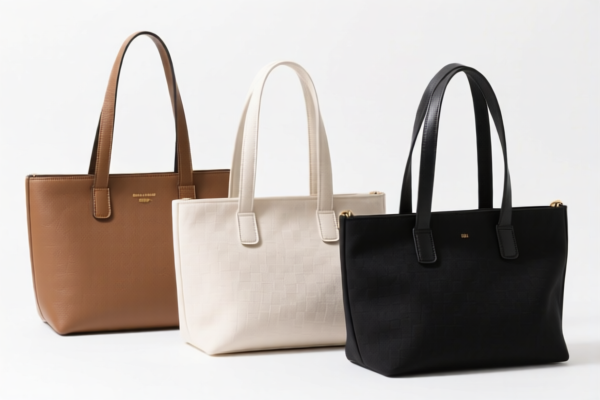
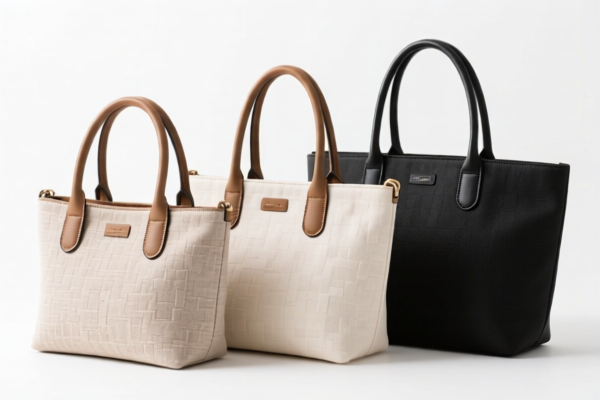
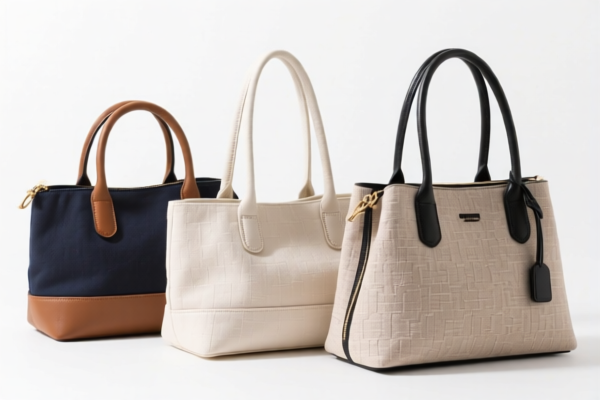
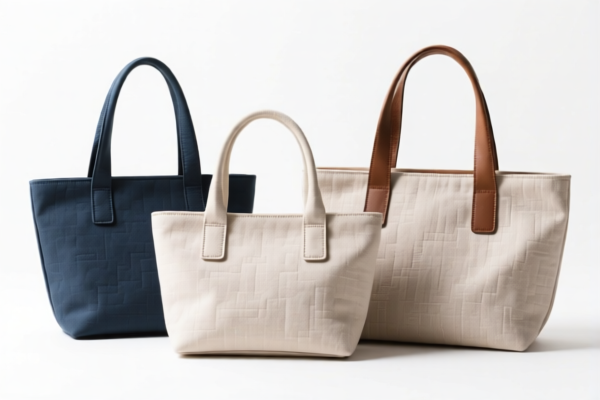
AI Analysis
👜 Hand Carry Bags: The Ultimate HS Code & Tax Guide for US Customs Clearance (2026 Edition)
🌐 HS Code Reference & Customs Clearance Strategy | 2026 Latest Tariff Analysis | Professional Compliance Guide
📌 I. Product Definition & Classification: What Exactly is a "Hand Carry Bag"?
"Hand Carry Bags" is a broad term in international trade that encompasses various types of portable bags used for daily carrying items. However, in US Customs classification, material and construction are the deciding factors. Misclassification here leads to severe tariff penalties.
These bags are generally categorized into two main groups: 1. Plastic/Textile Bags: Made from man-made fibers, plastic sheets, or woven textile materials. 2. Plant-Based Woven Bags: Made from bamboo, rattan, reed, or other plaiting materials.
⚠️ Critical Distinction:
- If the bag is made of plant materials (bamboo, rattan) and is plaited → Goes to Chapter 46.
- If the bag is made of textile/plastic materials → Goes to Chapter 42.
- Do not mix these categories. The tax rates differ significantly.
📦 II. HS Code Classification Details (2026 Latest Tariff Authority)
Based on the provided data, here are the specific HS Codes for Hand Carry Bags, categorized by material:
| HS Code | Product Description | Material Type | Typical Use Case |
|---|---|---|---|
| 4602.11.21.00 | Woven handbags, made of bamboo, rattan, or similar plant materials | Plant-based (Bamboo/Rattan) | Eco-friendly fashion bags, beach totes made from rigid plant fibers. |
| 4602.19.29.20 | Woven handbags, made of other plant-based plaiting materials | Plant-based (Other) | Bags made from reed, straw, or non-bamboo plant fibers. |
| 4202.22.40.20 | Handbags, made of woven materials (typically non-textile or specific woven synthetics) | Woven Materials | Synthetic woven totes, structured woven handbags. |
| 4202.22.89.80 | Handbags or women's handbags, made of textile materials | Textile Materials | Cotton, polyester, nylon, or fabric handbags (most common fashion bags). |
| 6305.33.00.80 | Bags for the transport of goods, made of artificial textile materials | Artificial Textiles (Sacks/Bags) | Note: Often used for large travel sacks or bulk bags, but included in data for "Handbags" context. |
🔍 Key Insight:
- Chapter 46 applies to bags made of plaited materials (bamboo, rattan).
- Chapter 42 applies to bags made of textiles, plastics, or leather-like materials.
- Chapter 63 applies to specific textile sacks/bags for transport.
💰 III. 2026 Latest Tariff Rate Breakdown (Including Additional Taxes)
✅ Applicable Country: United States (US)
✅ Country of Origin: China (CN)
✅ Effective Date: 2025/2026 (Current Trade Policy)
🎯 1. Plant-Based Woven Bags (Chapter 46)
🟢 HS Code: 4602.11.21.00
- Description: Woven handbags, material: bamboo, rattan, etc.
- Tax Breakdown:
- Base Tariff: 6.2%
- Section 301 Tariff (Additional): 25.0%
- Section 122 Tariff: 10.0%
- Total Tax Rate: 41.2%
- Legal Basis: Base rate + Section 301 Footnote + Section 122.
- Warning: This is a high-tariff item. Ensure the material is genuinely bamboo/rattan. If it's plastic mimicking bamboo, it may fall under Chapter 39 or 42.
🟡 HS Code: 4602.19.29.20
- Description: Woven handbags, material: other plant-based plaiting.
- Tax Breakdown:
- Base Tariff: 5.3%
- Section 301 Tariff (Additional): 25.0%
- Section 122 Tariff: 10.0%
- Total Tax Rate: 40.3%
- Legal Basis: Same structure as above, slightly lower base rate due to material specificity.
🎯 2. Textile & Woven Material Bags (Chapter 42 & 63)
🟠 HS Code: 4202.22.40.20
- Description: Woven handbags, material: woven materials (non-textile specific).
- Tax Breakdown:
- Base Tariff: 7.4%
- Section 301 Tariff (Additional): 25.0%
- Section 122 Tariff: 10.0%
- Total Tax Rate: 42.4%
- Legal Basis: Standard Section 301 + Section 122 application.
🔴 HS Code: 4202.22.89.80
- Description: Handbags/women's handbags, material: textile materials (Cotton, Polyester, etc.).
- Tax Breakdown:
- Base Tariff: 17.6%
- Section 301 Tariff (Additional): 25.0%
- Section 122 Tariff: 10.0%
- Total Tax Rate: 52.6%
- ⚠️ CRITICAL WARNING: This is the highest tax rate in the dataset. Textile bags from China face a massive 52.6% duty. This includes most common fashion totes, cloth handbags, and synthetic fabric bags.
🟣 HS Code: 6305.33.00.80
- Description: Handbags/Bags, material: artificial textile materials.
- Tax Breakdown:
- Base Tariff: 8.4%
- Section 301 Tariff (Additional): 7.5% (Lower Section 301 rate)
- Section 122 Tariff: 10.0%
- Total Tax Rate: 25.9%
- Strategy: This code has a significantly lower Section 301 rate (7.5% vs 25%). If your product can be legally classified under this code (e.g., specific types of artificial textile sacks or bags for transport), it saves ~26% in taxes compared to standard textile handbags. Requires precise product definition.
🛠️ IV. Customs Clearance Practical Advice (Pitfall Avoidance)
✅ 1. Material Verification is Key
- Bamboo/Rattan: Must be natural plant fibers. If it's plastic woven to look like bamboo, do not use HS 4602. It will be reclassified, and you will pay penalties.
- Textile vs. Woven: If the bag is made of woven plastic strips (not fabric), it may fall under 4202.22.40.20. If it's fabric (cotton/nylon), it falls under 4202.22.89.80 (52.6% tax).
- Artificial Textiles: Check if your bag fits the description for 6305.33.00.80 (25.9% tax). This requires it to be an "artificial textile material" bag, often used for bulk or specific transport, not just fashion.
✅ 2. Declaration Tips
- Be Specific: Do not just write "Handbag." Write: "Woven handbag made of bamboo, eco-friendly, no lining."
- Photos: Provide clear photos showing the material texture. For bamboo bags, show the weave. For textile bags, show the fabric type.
- Component List: List all materials. If a bag is 80% bamboo and 20% cotton lining, it may still be classified as bamboo (Chapter 46), but consult a broker.
✅ 3. Tax Optimization Strategy
- Avoid 52.6%: If possible, redesign bags to use woven plant materials (41.2%) or explore if they fit 6305.33.00.80 (25.9%).
- Section 122 Impact: Note that all these codes include a 10% Section 122 tariff. This is non-negotiable for most Chinese-origin goods in this category.
🌍 V. Global Market Comparison (2026)
| Country | Recommended HS Code | Approx. Total Tax (China Origin) | Notes |
|---|---|---|---|
| 🇺🇸 USA | See above | 25.9% - 52.6% | High Section 301 & 122 tariffs apply. |
| 🇨🇳 China | Varies | 5% - 10% | Standard MFN rate. No additional US tariffs. |
| 🇪🇺 EU | 4202 / 4602 | 0% - 4.7% | Generally low tariffs. No Section 301 equivalent. |
| 🇬🇧 UK | 4202 / 4602 | 0% - 5% | Post-Brexit tariff schedules apply. |
📌 Conclusion:
- The US market is the most expensive for Hand Carry Bags from China due to Section 301 and Section 122 tariffs.
- Textile bags (4202.22.89.80) are the most taxed (52.6%).
- Plant-based bags (4602) are slightly better (40-41%).
- Artificial textile bags (6305) offer the lowest tax (25.9%) but require strict compliance with material definitions.
📌 VI. Common Mistakes & Pitfalls
❌ Mistake 1: Classifying a plastic woven bag as bamboo (HS 4602).
👉 Consequence: Customs will reclassify it to Chapter 39 or 42, leading to higher taxes and fines.
❌ Mistake 2: Using HS 6305 for a fashion handbag.
👉 Consequence: Customs may reject this as "not for transport" and reclassify to 4202 (52.6% tax). Only use 6305 for bags specifically designed for transport/bulk.
❌ Mistake 3: Ignoring Section 122.
👉 Consequence: All imports face an additional 10%. Failing to account for this affects pricing strategy.
🎯 VII. Final Recommendation
🎯 Remember the Rule:
🔹 Plant Material (Bamboo/Rattan) → HS 4602 → ~41% Tax
🔹 Textile/Fabric Bag → HS 4202 → 52.6% Tax (Avoid if possible)
🔹 Artificial Textile Transport Bag → HS 6305 → 25.9% Tax (Best Option)
📌 Action Plan:
1. Confirm Material: Is it natural plant fiber, textile fabric, or artificial textile?
2. Select HS Code: Match the material to the correct code above.
3. Calculate Landed Cost: Include CIF + 25.9%-52.6% tax.
4. Consult Broker: Before shipping, get a pre-ruling if your product is borderline.
✨ Pro Tip:
Consider sourcing bamboo/plant-based bags instead of textile ones to save 11%+ in tariffs. The eco-friendly appeal also matches the product category.
📣 Immediate Action:
📞 Contact a US Customs Broker with product photos and material specs.
🚀 Optimize Your Supply Chain by choosing the lower-tariff material (Plant vs. Textile).
💼 Precision in Classification = Profit in Profit!
Customer Reviews
About HS Code Classification
The Harmonized System (HS) is an internationally standardized nomenclature developed by the World Customs Organization (WCO) to classify traded products. Over 200 countries use the HS system as the basis for customs tariffs, trade statistics, and import/export regulations.
Each HS code follows a hierarchical structure:
- Chapter (2 digits) — Broad category of goods (e.g., Chapter 84: Machinery and Mechanical Appliances)
- Heading (4 digits) — More specific grouping within the chapter
- Subheading (6 digits) — Internationally standardized breakdown, used by all WCO member countries
- National subdivisions (8-10 digits) — Country-specific extensions for further classification, such as US HTSUS 10-digit codes
Correct HS code classification is essential for smooth customs clearance, accurate duty payment, and compliance with trade regulations. Misclassification can lead to customs delays, overpayment of duties, or penalties.
When importing from CN to US, the applicable tariff rates may include:
- Most-Favored-Nation (MFN) rate — The standard duty rate applied to WTO members
- General rate — Applied to countries without trade agreements
- Trade remedy duties — Additional tariffs such as Section 301 (anti-dumping), Section 232 (national security), or countervailing duties
The information provided on this page is for reference purposes only. For official classification, please consult with your local customs authority or a licensed customs broker.