Hand Tools (HS 8205)
CN → US| HS Code | Tariff Rate | Origin | Destination | Doc |
|---|---|---|---|---|
| 8205100000 | 41.2% | CN | US | Official Doc |
| 8205513030 | 38.7% | CN | US | Official Doc |
Product Images
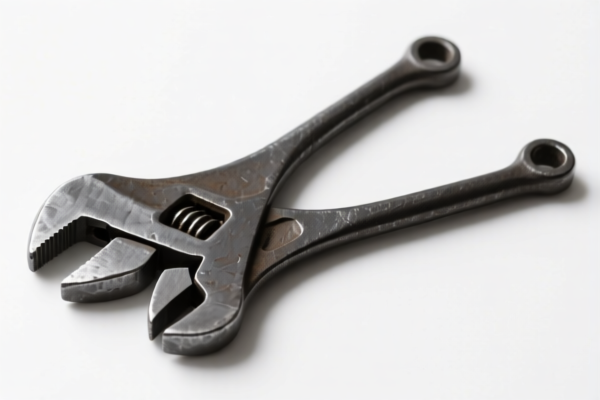
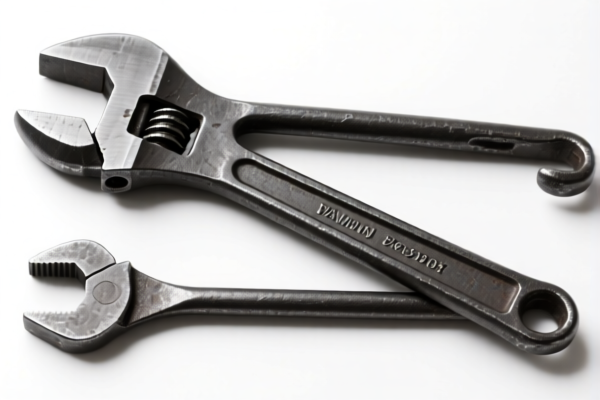
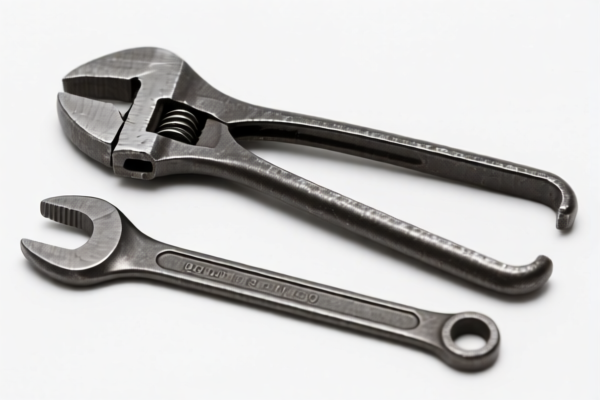
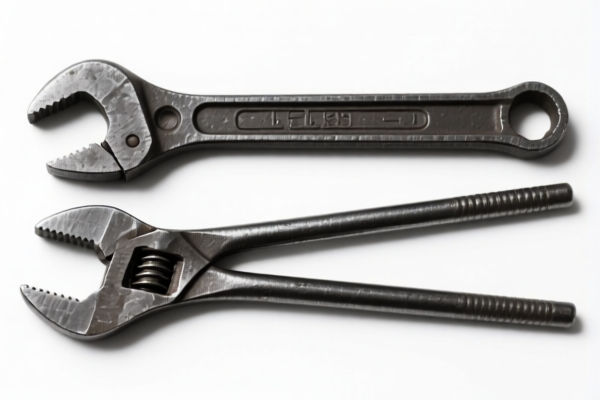
AI Analysis
🛠️ Hand Tools & Kitchen Implements (HS 8205)
🌐 HS Code Reference & Customs Clearance Guide | 2026 Latest Tariff Analysis | Professional Clearance Strategy
📌 Part 1: Product Definition & Classification: Do You Really Understand "Hand Tools"?
Hand tools (HS 8205) cover a wide range of items, primarily divided into two distinct categories in international trade:
1. Drilling, Threading, or Tapping Tools:
Tools specifically designed for creating holes, threads, or tapping operations. These are often industrial or workshop-grade tools (e.g., taps, dies, reamers).
2. Household Tools (Kitchen & Table Implements):
Items used for domestic purposes, such as kitchen utensils, table knives, peelers, and other iron/steel household tools.
⚠️ Key Distinction Point:
- If the item is a tap, die, or reamer used for metalworking/threading → Classified under 8205.10.00.00
- If the item is a kitchen utensil or table implement (e.g., peeler, paring knife, bottle opener) made of iron/steel → Classified under 8205.51.30.30
📦 Part 2: HS Code Classification Details (2026 Latest Tariff Authority Reference)
| HS Code | Product Description | Application Scenario | Key Feature |
|---|---|---|---|
8205.10.00.00 |
Drilling, threading or tapping tools, and parts thereof | Taps, dies, reamers, thread-cutting tools | ✅ Specialized for threading/drilling |
8205.51.30.30 |
Household tools, and parts thereof: Of iron or steel: Other (including parts) Kitchen and table implements | Kitchen peelers, paring knives, table knives, fruit forks | ✅ Domestic/Kitchen use |
🔍 Important Reminder:
- Drilling/Threading Tools (HS 8205.10) are for industrial/workshop use.
- Household/Kitchen Tools (HS 8205.51) are for domestic use.
- Misclassification between these two can lead to significant tax differences and customs delays.
💰 Part 3: 2026 Latest Tariff Rate Details (Including Additional Taxes)
✅ Applicable Country: United States (US)
✅ Origin: China (CN)
✅ Effective Time: Based on current tariff schedules
🎯 1. 8205.10.00.00 —— Drilling, Threading, or Tapping Tools
| Item | Content |
|---|---|
| Base Tariff Rate | 0.0% |
| Additional Tariff | 0.0% |
| Total Tax Rate | 0.0% |
| Tax Calculation | CIF Value × 0.0% = $0 |
| De Minimis Exemption | ✅ Yes (May qualify for Section 321 de minimis if value < $800) |
| Legal Basis | HTSUS 8205.10.00.00 |
📌 Explanation:
- This category benefits from 0% total tariff.
- It is not subject to the 25% Section 301 tariffs typically applied to many steel/aluminum products.
- Low tax burden, making it a cost-effective category for threading/drilling tools.
🎯 2. 8205.51.30.30 —— Household Tools (Kitchen & Table Implements)
| Item | Content |
|---|---|
| Base Tariff Rate | 3.7% |
| Additional Tariff | 25.0% |
| Total Tax Rate | 28.7% |
| Tax Calculation | CIF Value × 28.7% |
| De Minimis Exemption | ❌ No (Likely subject to additional scrutiny; Section 301 often applies) |
| Legal Basis | HTSUS 8205.51.30.30 + Section 301 |
📌 Note:
- Base Rate: 3.7% is the standard Most Favored Nation (MFN) rate.
- Additional Tariff: 25% is applied under Section 301 on certain Chinese goods, including some household tools.
- Total Cost: 28.7% is a high tax burden. Importers must factor this into pricing strategies.
🛠️ Part 4: Customs Clearance Practical Advice (Battle-Tested Pitfall Avoidance Guide)
✅ 1. Document Checklist (Non-negotiable)
| Document | Required | Description |
|---|---|---|
| ✅ Product Specification Sheet | ✔️ | Material (Iron/Steel), Usage (Kitchen/Industrial), Dimensions |
| ✅ Product Photos (Labeled) | ✔️ | Show handle, blade, and any markings (e.g., "Stainless Steel") |
| ✅ Commercial Invoice | ✔️ | Clearly state "Hand Tools" or "Kitchen Utensils" with HS Code |
| ✅ Packing List | ✔️ | List contents by category to avoid mixed classification |
| ✅ Certificate of Origin (CO) | ✔️ | If applicable for preferential treatment (rare for these codes from CN) |
✅ 2. Declaration Tips (Key Mantra)
🔥 "Specify Usage! Industrial vs. Domestic!"
| Scenario | Correct Declaration | Wrong Practice |
|---|---|---|
| Taps, Dies, Reamers | 8205.10.00.00 |
Misdeclare as "Kitchen Tools" → 28.7% tax |
| Kitchen Peeler, Paring Knife | 8205.51.30.30 |
Misdeclare as "Threading Tool" → 0% tax (illegal) |
| Mixed Shipment (Tools + Kitchen Items) | Split Declaration | Mixed declaration → Customs audit, delay, penalties |
✅ 3. Special Cases
| Case | Handling Advice |
|---|---|
| Stainless Steel Kitchen Tools | Still 8205.51.30.30 if classified under "Household Tools". Material does not change the HS code here. |
| Multi-function Tools (e.g., Kitchen Shears) | If primarily for kitchen use → 8205.51.30.30. If primarily for industrial cutting → 8205.10.00.00 (Rare, requires justification). |
| Sets (e.g., Knife Block Set) | Declare the primary character of the set. If knives are main item → 8205.51.30.30. |
🌍 Part 5: Global Market Customs Comparison (2026 Latest)
| Country/Region | Recommended HS Code | Tariff | Certification | Note |
|---|---|---|---|---|
| 🇺🇸 USA | 8205.10.00.00 / 8205.51.30.30 |
0.0% / 28.7% | FDA (for food contact) | High tax on kitchen tools |
| 🇨🇳 China | 8205.10.00.00 / 8205.51.30.30 |
0% - 5% | CCC (if applicable) | Lower import duties |
| 🇪🇺 EU | 8205.10.00.00 / 8205.51.30.30 |
~4.5% | CE, LFGB (Food Contact) | No Section 301 equivalent |
| 🇬🇧 UK | 8205.10.00.00 / 8205.51.30.30 |
~4.5% | UKCA | Post-Brexit rules apply |
📌 Conclusion:
- USA imposes a 25% additional tariff on kitchen/household tools from China, making them significantly more expensive.
- Industrial tools (8205.10) enjoy 0% tariff in the US, providing a competitive advantage for B2B sales.
📌 Part 6: Common Errors & Pitfall Avoidance (Blood & Tears Lessons)
❌ Mistake 1: Declaring industrial taps as "kitchen knives" to avoid tax
👉 Consequence: Customs audit, seizure, fines, and potential legal action.
❌ Mistake 2: Declaring kitchen peelers as "drilling tools"
👉 Consequence: Incorrect classification, duty evasion, and blacklist risk.
❌ Mistake 3: Not specifying material (e.g., "Steel") in the description
👉 Consequence: Customs may reclassify or request additional info, causing delays.
✅ Correct Practice:
"Taps and Dies, High-Speed Steel, for Threading, HS 8205.10.00.00"
"Stainless Steel Kitchen Peeler, Household Use, HS 8205.51.30.30"
🎯 Part 7: Conclusion: Professional Declaration, Save Time & Money!
🎯 Remember the Mantra:
🔹 "Industrial Tools: 0% Tax. Kitchen Tools: 28.7% Tax."
🔹 "Know Your Usage! Avoid the 25% Penalty!"
📌 Tip:
If your products are food-contact items (kitchen tools), ensure they meet FDA compliance for the US market. Non-compliance can lead to refusal of entry, regardless of tariff rates.
📣 Immediate Action:
📞 Consult a customs broker + Provide product photos + Confirm end-use (Industrial vs. Domestic)
🚀 Clear customs smoothly, reduce costs, and boost your export profit!
✨ Professional Customs Clearance Starts with Accurate Classification!
💼 Every cent of tax matters!
Customer Reviews
About HS Code Classification
The Harmonized System (HS) is an internationally standardized nomenclature developed by the World Customs Organization (WCO) to classify traded products. Over 200 countries use the HS system as the basis for customs tariffs, trade statistics, and import/export regulations.
Each HS code follows a hierarchical structure:
- Chapter (2 digits) — Broad category of goods (e.g., Chapter 84: Machinery and Mechanical Appliances)
- Heading (4 digits) — More specific grouping within the chapter
- Subheading (6 digits) — Internationally standardized breakdown, used by all WCO member countries
- National subdivisions (8-10 digits) — Country-specific extensions for further classification, such as US HTSUS 10-digit codes
Correct HS code classification is essential for smooth customs clearance, accurate duty payment, and compliance with trade regulations. Misclassification can lead to customs delays, overpayment of duties, or penalties.
When importing from CN to US, the applicable tariff rates may include:
- Most-Favored-Nation (MFN) rate — The standard duty rate applied to WTO members
- General rate — Applied to countries without trade agreements
- Trade remedy duties — Additional tariffs such as Section 301 (anti-dumping), Section 232 (national security), or countervailing duties
The information provided on this page is for reference purposes only. For official classification, please consult with your local customs authority or a licensed customs broker.