Hand Tools Made of Base Metal
CN → US| HS Code | Tariff Rate | Origin | Destination | Doc |
|---|---|---|---|---|
| 8205595560 | 40.3% | CN | US | Official Doc |
| 8205598000 | 38.7% | CN | US | Official Doc |
Product Images
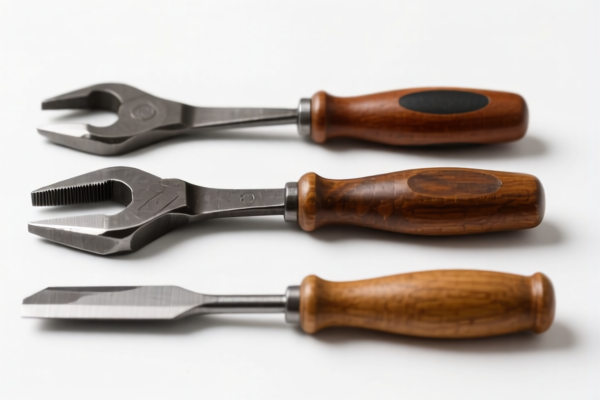
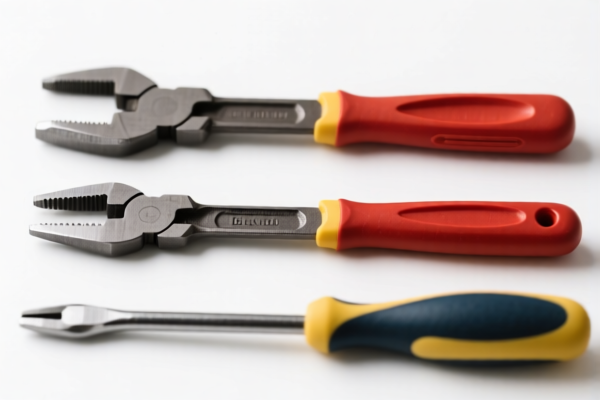
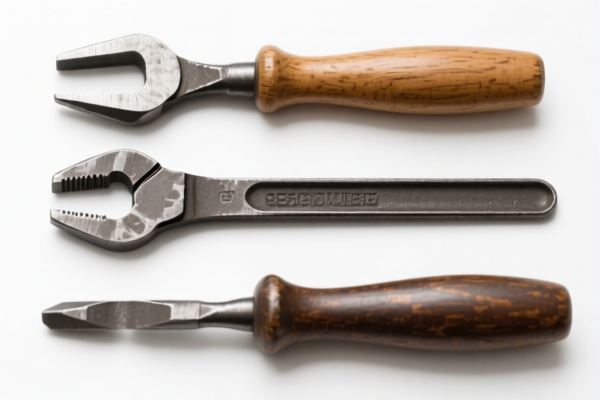
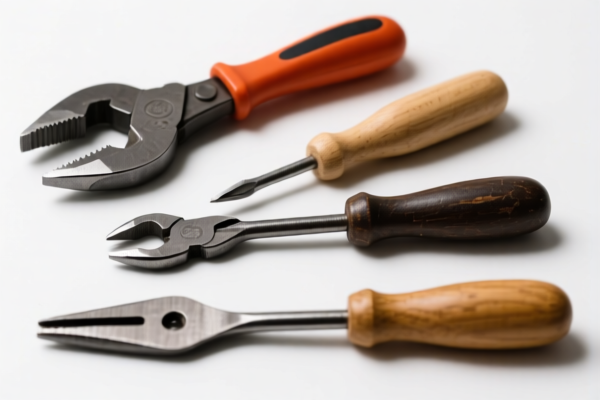
AI Analysis
🔧 Hand Tools Made of Base Metal (Including Vises, Clamps, and Anvils)
HS Code Reference & Customs Clearance Guide | 2026 Latest Tariff Analysis | Strategic Import Strategy
📌 I. Product Definition: What Exactly Are These "Hand Tools"?
In international trade, HS Chapter 82 covers "Tools, Implements, Spoons, Forks... of Base Metal." Specifically, Heading 8205 is a critical catch-all category for: 1. Handtools (including glass cutters) not specified elsewhere. 2. Blow torches and similar self-contained torches. 3. Vises, clamps, and the like (excluding parts of machine tools or water-jet cutting machines). 4. Anvils. 5. Portable forges. 6. Hand- or pedal-operated grinding wheels with frameworks.
⚠️ Crucial Distinction:
- If the tool is made of Iron or Steel, it typically falls under specific sub-headings for iron/steel products.
- If the tool is made of Other Base Metals (e.g., Copper, Aluminum, Zinc alloys not classified elsewhere), it falls under "Other."
- Parts of these tools are also covered but may have different duty implications depending on their nature.
📦 II. HS Code Classification Details (2026 Tariff Schedule)
Based on the provided data, there are two primary HS Codes for Hand Tools Made of Base Metal, differentiated by material composition and specific description.
| HS Code | Product Description | Material | Key Characteristics |
|---|---|---|---|
| 8205.59.55.60 | Other handtools (including glass cutters) and parts thereof: Other: Other: Of iron or steel | Iron or Steel | Specifically for tools made of Iron or Steel. Includes standard hammers, pliers, wrenches, and their parts. |
| 8205.59.80.00 | Other handtools (including glass cutters) and parts thereof: Other: Other: Other | Other Base Metals | Covers tools made of Non-Iron/Non-Steel base metals (e.g., copper, aluminum, brass) if not specified elsewhere. |
🔍 Key Classification Rule:
- Iron/Steel Tools →8205.59.55.60
- Non-Iron/Non-Steel Base Metal Tools →8205.59.80.00
- Misclassification Risk: Declaring an iron tool as "Other Base Metal" (8205.59.80.00) will result in 28.7% duty instead of 0%, causing significant overpayment and potential penalties.
💰 III. 2026 Tariff Rate Breakdown (Detailed Tax Analysis)
✅ Applicable Country: United States (US)
✅ Origin: China (CN)
✅ Effective Date: 2026 (Current Data)
🎯 1. 8205.59.55.60 – Handtools of Iron or Steel
| Item | Detail |
|---|---|
| Base Tariff | 0.0% (Ad Valorem) |
| Additional Tariff | 0.0% |
| Total Effective Rate | 0.0% |
| Tax Calculation | CIF Value × 0% = $0 Duty |
| Legal Basis | Standard US Harmonized Tariff Schedule (HTSUS) for general iron/steel hand tools not subject to Section 301 or other specific levies. |
📌 Explanation:
- This HS code enjoys a zero-duty status.
- No Section 301 tariffs or IEEPA surcharges apply to this specific sub-category of iron/steel hand tools.
- Result: Highly competitive cost structure for importers.
🎯 2. 8205.59.80.00 – Handtools of Other Base Metals
| Item | Detail |
|---|---|
| Base Tariff | 3.7% (Ad Valorem) |
| Additional Tariff | 25.0% |
| Total Effective Rate | 28.7% |
| Tax Calculation | CIF Value × 28.7% |
| Legal Basis | USITC:8205.59.80.00 + Section 301: Footnote 9903.88.01 (25% surcharge on Chinese goods) |
📌 Explanation:
- The base rate is 3.7% for non-iron/steel base metal tools.
- An additional 25% tariff applies under Section 301 (Trade Act of 1974) for goods originating in China.
- Total Duty: 3.7% + 25% = 28.7%.
- Result: High cost burden. Importers must carefully evaluate if the profit margin can absorb this 28.7% duty.
🛠️ IV. Customs Clearance Practical Advice (Avoiding Pitfalls)
✅ 1. Documentation Checklist (Mandatory)
| Document | Required? | Purpose |
|---|---|---|
| Product Specification Sheet | ✔️ | Must clearly state material composition (e.g., "Carbon Steel," "Aluminum Alloy"). |
| Material Safety Data Sheet (MSDS) | Optional | If tools have coatings or are part of a kit with chemicals. |
| Commercial Invoice | ✔️ | Must accurately describe goods as "Handtools of Iron/Steel" or "Handtools of Other Base Metals" based on HS code. |
| Packing List | ✔️ | Itemize quantities and weights. |
| Certificate of Origin | ✔️ | Prove origin to apply correct tariff treatment. |
| Product Photos | ✔️ | Show the tool’s construction to verify material (e.g., rusted steel vs. brass/aluminum). |
✅ 2. Classification Strategy & Tips
| Scenario | Correct HS Code | Duty Rate | Risk if Misclassified |
|---|---|---|---|
| Steel Hammer / Pliers / Wrench | 8205.59.55.60 |
0.0% | Using 8205.59.80.00 → Pay 28.7% unnecessarily. |
| Aluminum/Brass Tool (Non-Iron) | 8205.59.80.00 |
28.7% | Using 8205.59.55.60 → Customs will reclassify and charge back taxes + penalties. |
| Vises/Clamps (Steel) | 8205.59.55.60 |
0.0% | Same as above; material is key. |
| Portable Forge | 8205.59.55.60 (if steel) |
0.0% | Ensure description matches "Portable Forge." |
🔥 Golden Rule:
"Material Dictates Duty. Steel = Free. Other Metal = 28.7%. Verify Before You Declare!"
✅ 3. Common Errors & How to Avoid Them
| Error | Consequence | Solution |
|---|---|---|
| Listing all tools under one HS code | Overpayment or underpayment | Separate shipments by material type. |
| Vague description ("Hand Tools") | Customs inspection delay, reclassification | Use precise terms: "Carbon Steel Adjustable Wrench" or "Aluminum Pipe Clamp." |
| Ignoring Section 301 | Unexpected 25% charge | Always check if the HS code is subject to additional tariffs. 8205.59.80.00 is not exempt. |
| Parts vs. Whole Tools | Incorrect duty calculation | Ensure "parts" are correctly identified. Parts of steel tools (8205.59.55.60) also enjoy 0% duty. |
🌍 V. Global Market Comparison (2026)
| Region | Recommended HS Code | Tariff Rate (China Origin) | Notes |
|---|---|---|---|
| 🇺🇸 USA | 8205.59.55.60 (Steel) |
0.0% | Best for steel tools. |
| 🇺🇸 USA | 8205.59.80.00 (Other) |
28.7% | High duty due to Section 301. |
| 🇨🇳 China (Export) | Varies | Varies | Check local export controls. |
| 🇪🇺 EU | Similar Classification | ~0-6.5% | No Section 301 equivalent; generally lower duties for tools. |
| 🇬🇧 UK | Similar Classification | ~0-6.5% | Post-Brexit tariffs may vary; generally favorable for tools. |
📌 Insight:
The US market is unique in its heavy reliance on Section 301 tariffs. For non-steel base metal tools, the 28.7% duty is a significant barrier. Consider sourcing from non-China origins (e.g., Vietnam, India) if using8205.59.80.00to avoid the 25% surcharge.
📌 VI. Final Recommendations for Importers
- Prioritize Steel Tools: If possible, design or source hand tools made of iron or steel to benefit from the 0% duty rate (
8205.59.55.60). - Verify Material Composition: For non-steel tools, confirm the exact alloy. If it’s aluminum, copper, or brass, expect 28.7% duty.
- Apply for Pre-Rulings: If unsure about material classification, submit a Binding Ruling Request to US Customs and Border Protection (CBP) before shipment.
- Consider Duty Drawback: If you import tools, use them in manufacturing, and export the final product, you may qualify for duty drawback on the 28.7% paid for non-steel parts.
- Supply Chain Diversification: For non-steel tools, explore suppliers in ASEAN countries to avoid Section 301 tariffs, potentially reducing total landed cost by 25%.
🎯 Conclusion: Precision in Classification Saves Money!
🎯 Remember the Key Takeaway:
🔹 Iron/Steel Hand Tools →
8205.59.55.60→ 0% Duty ✅
🔹 Other Base Metal Tools →8205.59.80.00→ 28.7% Duty ⚠️
🔹 Misclassification = Costly Errors!
📌 Pro Tip:
Always include material specifications in your commercial invoice and product description. Ambiguity leads to inspections, delays, and potential back-taxes.
📣 Act Now:
📞 Consult with a licensed customs broker to verify your specific product’s material classification.
🚀 Optimize your supply chain to leverage the 0% duty advantage where possible.
✨ Smart Importing Starts with Accurate HS Codes!
💼 Don’t let classification errors eat your margins!
Customer Reviews
About HS Code Classification
The Harmonized System (HS) is an internationally standardized nomenclature developed by the World Customs Organization (WCO) to classify traded products. Over 200 countries use the HS system as the basis for customs tariffs, trade statistics, and import/export regulations.
Each HS code follows a hierarchical structure:
- Chapter (2 digits) — Broad category of goods (e.g., Chapter 84: Machinery and Mechanical Appliances)
- Heading (4 digits) — More specific grouping within the chapter
- Subheading (6 digits) — Internationally standardized breakdown, used by all WCO member countries
- National subdivisions (8-10 digits) — Country-specific extensions for further classification, such as US HTSUS 10-digit codes
Correct HS code classification is essential for smooth customs clearance, accurate duty payment, and compliance with trade regulations. Misclassification can lead to customs delays, overpayment of duties, or penalties.
When importing from CN to US, the applicable tariff rates may include:
- Most-Favored-Nation (MFN) rate — The standard duty rate applied to WTO members
- General rate — Applied to countries without trade agreements
- Trade remedy duties — Additional tariffs such as Section 301 (anti-dumping), Section 232 (national security), or countervailing duties
The information provided on this page is for reference purposes only. For official classification, please consult with your local customs authority or a licensed customs broker.