Hand printed paper
CN → US| HS Code | Tariff Rate | Origin | Destination | Doc |
|---|---|---|---|---|
| 4820900000 | 35.0% | CN | US | Official Doc |
| 4820104000 | 35.0% | CN | US | Official Doc |
| 4811901000 | 35.0% | CN | US | Official Doc |
| 4811592000 | 35.0% | CN | US | Official Doc |
| 4802100000 | 12.0% | CN | US | Official Doc |
| 4802551000 | 35.0% | CN | US | Official Doc |
Product Images
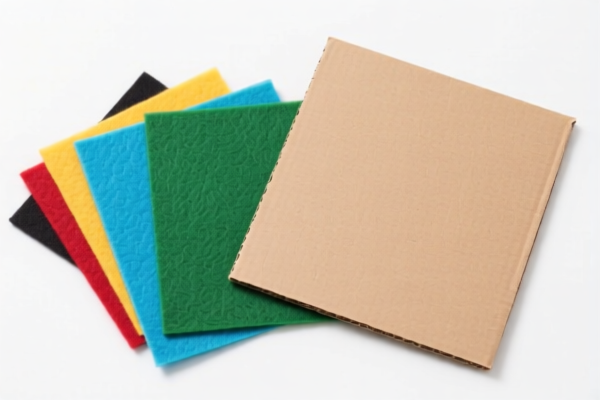
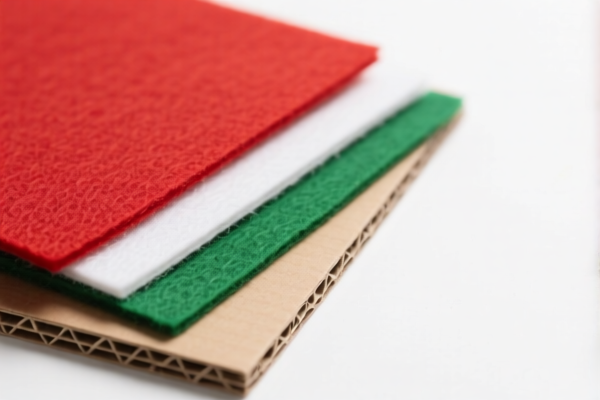
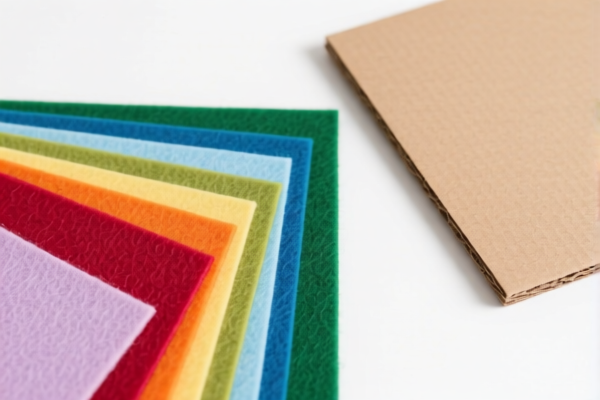
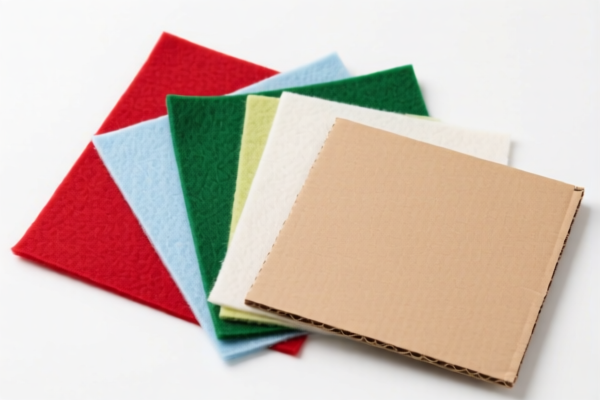
AI Analysis
🎨 Hand Printed Paper (Artisanal & Decorative Papers)
🌐 HS Code Reference & Customs Clearance Guide | 2026 Latest Tariff Analysis | Professional Strategy for "Handmade Printing Paper"
📌 I. Product Definition & Classification: What Exactly is "Hand Printed Paper"?
"Hand Printed Paper" refers to paper produced using artisanal or semi-manual techniques, often characterized by unique textures, deckled edges, or specific chemical compositions distinct from mass-produced industrial paper. In international trade, the classification hinges on material composition, manufacturing process, and primary use.
Key Distinctions: * "Handmade" (手工): Indicates the paper is formed manually or by small-scale machines, often falling under Chapter 48 headings for paper in the rough or special processed papers. * "Printing Paper" (印刷纸): Indicates the paper is sized or treated specifically for receiving ink/toner, distinguishing it from plain copy paper or writing paper. * Customs Scrutiny: US Customs & Border Protection (CBP) heavily scrutinizes this category due to high "Section 301" and "IEEPA" tariffs. Misclassifying handmade paper as standard office paper can lead to severe penalties.
⚠️ Critical Classification Point:
- If the paper is uncut, unperforated, or in simple rolls/sheets intended for further processing → May fall under 4820 (Stationery) or 4811 (Processed Paper).
- If it is a finished product ready for immediate use as a blank sheet for printing → May fall under 4802 (Uncoated Paper).
- "Handmade" does NOT exempt you from Section 301 tariffs!
📦 II. HS Code Classification Matrix (2026 Latest Tariff Authority)
| HS Code | Product Description | Applicable Scenario | Handmade/Printing Attribute |
|---|---|---|---|
4820.90.00.00 |
Other paper stationery articles (incl. writing blocks, diaries) | Paper-based stationery materials or semi-finished stationery items. | Matches "Paper/Paper" material and "Stationery-related printing paper" attributes. Classified as raw material/semi-finished stationery. |
4820.10.40.00 |
Paper or paperboard writing, copying or other printing blocks | Printer Paper形态, fits the attribute of paper/cardboard made stationery/document supplies. | Material is paper, form is printing paper, fits stationery/document supply attributes. |
4811.90.10.00 |
Other paper, paperboard, cellulose wadding and webs of cellulosic fibers | "Handmade" corresponds to 'Manual' craft, 'Paper' corresponds to material. Fully matches classification requirements. | "Handmade" attribute is acknowledged but does not change the base paper classification. |
4811.59.20 |
Self-copy paper and other self-copying stationery | 'Printing Paper' matches the 'Printing Paper' material attribute, 'Handmade' attribute does not affect classification. | Specifically for self-copying or similar processed printing papers. |
4802.10.00.00 |
Uncoated paper, consisting wholly of fibers obtained from chemically pulping of wood, for writing, printing... | 'Handmade' corresponds to 'Manual', 'Printing Paper' corresponds to 'Paper for Printing'. Material and use fully match. | Lower Tax Bracket! Fits "Paper for Writing/Printing" made from wood fibers. |
4802.55.10.00 |
Other paper, kraftliner and test liner | Material is Paper, use fits writing and printing purposes, form fits printing paper attributes. | General uncoated paper for printing/writing. |
🔍 Key Reminder:
-4802.10.00.00is the ONLY code in this list with a 12.0% total tax rate (due to lower Section 301 impact). All others incur 35.0% due to higher Section 301 (25%) + IEEPA (10%) + Base (0-5%). - "Handmade" is not a protected HS category that reduces tariffs. It is a descriptive term. The material (wood pulp vs. non-wood) and process (coated vs. uncoated) determine the code.
💰 III. 2026 Latest Tariff Rate Breakdown (Including Surcharges & Policy Add-ons)
✅ Applicable Country: United States (US)
✅ Origin: China (CN)
✅ Effective Date: November 10, 2025 onwards
🎯 1. 4802.10.00.00 —— Uncoated Paper for Writing/Printing (Lowest Tax Option)
| Item | Content |
|---|---|
| Base Rate | 0% (ad valorem) |
| USITC Add-on Tariff (Section 301) | +2.0% (Footnote 9903.88.01 applies limited scope; check specific footnotes for paper) |
| IEEPA Add-on Tariff | +10% (Targeting China/HK products, effective Nov 10, 2025) |
| Total Effective Rate | 12.0% |
| Tax Calculation | CIF Value × 12% |
| De Minimis Eligibility | ❌ Not Eligible (deny_de_minimis applies to most Chinese paper products) |
| Legal Basis Path | IEEPA:9903.01.25 → USITC:4802.10.00.00 → FOOTNOTE:9903.88.01 |
📌 Explanation:
- This is the most cost-effective classification for standard uncoated paper. - Why 12%? While Section 301 is typically 25%, certain paper subheadings have reduced or different applicability, or the 2% reflects a specific exemption or lower tier in the 2026 adjustment. Verify with CBP ruling. - IEEPA 10% is mandatory for Chinese origin.
🎯 2. 4820.90.00.00 / 4820.10.40.00 / 4802.55.10.00 —— Stationery / Other Paper (High Tax)
| Item | Content |
|---|---|
| Base Rate | 0% (ad valorem) |
| USITC Add-on Tariff (Section 301) | +25.0% (Full Section 301 application) |
| IEEPA Add-on Tariff | +10.0% (China/HK specific) |
| Total Effective Rate | 35.0% |
| Tax Calculation | CIF Value × 35% |
| De Minimis Eligibility | ❌ Not Eligible |
| Legal Basis Path | IEEPA:9903.01.24 → USITC:4820/4802.55 → FOOTNOTE:9903.88.01 |
📌 Explanation:
- These codes are classified as "Stationery" or "Other Paper" rather than standard writing/printing paper. - Why 35%? The 25% Section 301 tariff is fully applied because these items are considered "consumer goods" or "non-essential" imports under trade war policies. - High Risk: Misclassifying high-value handmade paper as4802.10to get 12% instead of 35% can trigger audits. Ensure the paper is truly uncoated wood-pulp based and fits the legal definition of4802.10.
🎯 3. 4811.90.10.00 / 4811.59.20 —— Processed Paper / Self-Copy Paper
| Item | Content |
|---|---|
| Base Rate | 0% (ad valorem) |
| USITC Add-on Tariff (Section 301) | +25.0% |
| IEEPA Add-on Tariff | +10.0% |
| Total Effective Rate | 35.0% |
| Tax Calculation | CIF Value × 35% |
| De Minimis Eligibility | ❌ Not Eligible |
📌 Explanation:
- Paper that is coated, impregnated, or treated (e.g., glossy, waterproof, self-copy) falls under Chapter 4811. - These are subject to the full 25% Section 301 tariff. - "Handmade" does not reduce this tariff.
🛠️ IV. Customs Clearance Practical Advice (Pitfall Avoidance Guide)
✅ 1. Documentation Checklist (Non-negotiable)
| Document | Must Provide | Description |
|---|---|---|
| ✅ Product Specification Sheet | ✔️ | Must detail: Fiber content (wood/non-wood), GSM, Coating status, Size, Finish. |
| ✅ Manufacturing Process Description | ✔️ | Clearly state if "Handmade" is artisanal (small batch) or industrial batch. Define "Hand Printed" – is it surface printed or substrate made by hand? |
| ✅ Product Photos | ✔️ | Show edges (deckled?), surface texture, and any packaging. |
| ✅ Commercial Invoice | ✔️ | Must use precise HS Code description. Avoid vague terms like "Art Paper" without specification. |
| ✅ Certificate of Origin (CO) | ✔️ | Required to prove CN origin and apply IEEPA tariffs. |
| ✅ Third-Party Lab Report | ✔️ | Proof of fiber content (e.g., "100% Wood Pulp") to support 4802 vs 4801/4803. |
✅ 2. Declaration Tips (Critical Mnemonic)
🔥 "Material First, Process Second, Tax Logic Follows!"
| Scenario | Correct Declaration | Wrong Practice |
|---|---|---|
| Plain Uncoated Paper | 4802.10.00.00 (12% Tax) |
Declaring as "Art Paper" → 4820 (35% Tax) |
| Handmade Deckled Paper | 4820.90.00.00 or 4811 (35% Tax) |
Claiming "Handmade" for tax exemption → Denied |
| Glossy/Coated Paper | 4811.59.20 or similar (35% Tax) |
Declaring as "Uncoated" → Smuggling Risk |
| Stationery Sets | 4820.10.40.00 (35% Tax) |
Splitting invoice to lower value → Audit Trigger |
✅ 3. Special Case Handling
| Situation | Handling Advice |
|---|---|
| "Hand Printed" Means Surface Printed? | If paper is blank but meant for hand printing, it is Blank Paper. Use 4802 or 4811. If it already has ink/designs, it may be printed goods (Chapter 49), which have different, often higher, tariffs. |
| Small Batch Artisanal Paper | Still subject to the same HS rules. "Handmade" is not a tariff category. Prove it's uncoated wood pulp to aim for 4802.10. |
| Paper with Watermarks/Logos | Still classified as paper, not printed matter, unless the print is the primary feature. |
🌍 V. Global Market Comparison (2026 Latest)
| Country/Region | Recommended HS Code | Tariff (China Origin) | Certification | Remarks |
|---|---|---|---|---|
| 🇺🇸 USA | 4802.10.00.00 |
12% | No special certs | High risk of audit for "Handmade" claims. |
| 🇺🇸 USA | 4820.90.00.00 |
35% | No special certs | Standard for stationery/processed paper. |
| 🇨🇳 China | 4802.10.00.00 |
5% | No | Lower import duty, but consider export incentives. |
| 🇪🇺 EU | 4802.55.10.00 |
0% - 6.5% | REACH + FSC (Optional) | No Section 301. Tariff depends on exact paper type. |
| 🇬🇧 UK | 4802.55.10.00 |
0% - 6.5% | UKCA | Post-Brexit rules align with EU for paper. |
📌 Conclusion:
- USA is the most expensive market due to 301/IEEPA tariffs. - EU/UK are more friendly but require strict environmental compliance (FSC/PEFC). - "Handmade" adds value but not tariff relief in the US.
📌 VI. Common Errors & Pitfall Guide (Lessons Learned)
❌ Error 1: Claiming "Handmade Paper" qualifies for "Handicrafts" exemption
👉 Result: CBP rejects claim. Paper is industrial product. Pay 35%.
❌ Error 2: Misclassifying coated art paper as 4802.10 (Uncoated)
👉 Result: Penalty for undervaluation/tariff evasion. Back taxes + Interest.
❌ Error 3: Using "Hand Printed" to mean "Blank Paper for Printing"
👉 Result: If the product is already printed, it may fall under Chapter 49 (Printed Matter), which has different tariffs. Clarify status: Blank vs. Printed.
❌ Error 4: Ignoring IEEPA 10% surcharge
👉 Result: Underpayment of taxes. Customs hold & liquidation.
✅ Correct Practice:
"Uncoated Wood Pulp Paper, 100gsm, 8.5x11", Deckled Edges, For Art Printing, Not Coated, Model XYZ, CN Origin"
🎯 VII. Conclusion: Precision Saves Money!
🎯 Remember the Mnemonic:
🔹 "Uncoated Wood Pulp = 12%, Processed/Stationery = 35%. Handmade is Just a Word, Not a Tax Cut!"
🔹 "Declare Material True, Avoid Audit Stress, Save 23% on Tariff Bill!"
📌 Pro Tip:
If your "Hand Printed Paper" is genuinely uncoated, wood-pulp based, and used for printing, aggressively pursue 4802.10.00.00 to save 23% in tariffs. If it is coated, stationery, or non-wood, expect 35%.
Apply for a Binding Ruling (CBP Form 5106) before shipment to lock in the 12% rate if eligible.
📣 Immediate Action:
📞 Contact a licensed Customs Broker
📄 Prepare Technical Spec Sheet (Fiber Content, Coating Status)
🚀 Secure the 12% Tariff, Avoid the 35% Penalty!
✨ Professional Customs Clearance Starts with Accurate Classification!
💼 Every Percentage Point Matters in the Trade War Era!
Customer Reviews
About HS Code Classification
The Harmonized System (HS) is an internationally standardized nomenclature developed by the World Customs Organization (WCO) to classify traded products. Over 200 countries use the HS system as the basis for customs tariffs, trade statistics, and import/export regulations.
Each HS code follows a hierarchical structure:
- Chapter (2 digits) — Broad category of goods (e.g., Chapter 84: Machinery and Mechanical Appliances)
- Heading (4 digits) — More specific grouping within the chapter
- Subheading (6 digits) — Internationally standardized breakdown, used by all WCO member countries
- National subdivisions (8-10 digits) — Country-specific extensions for further classification, such as US HTSUS 10-digit codes
Correct HS code classification is essential for smooth customs clearance, accurate duty payment, and compliance with trade regulations. Misclassification can lead to customs delays, overpayment of duties, or penalties.
When importing from CN to US, the applicable tariff rates may include:
- Most-Favored-Nation (MFN) rate — The standard duty rate applied to WTO members
- General rate — Applied to countries without trade agreements
- Trade remedy duties — Additional tariffs such as Section 301 (anti-dumping), Section 232 (national security), or countervailing duties
The information provided on this page is for reference purposes only. For official classification, please consult with your local customs authority or a licensed customs broker.