Hand thrown Colored Paper
CN → US| HS Code | Tariff Rate | Origin | Destination | Doc |
|---|---|---|---|---|
| 4821904000 | 35.0% | CN | US | Official Doc |
| 3919905060 | 40.8% | CN | US | Official Doc |
| 3919102055 | 40.8% | CN | US | Official Doc |
| 4911914040 | 17.5% | CN | US | Official Doc |
| 4821902000 | 35.0% | CN | US | Official Doc |
Product Images
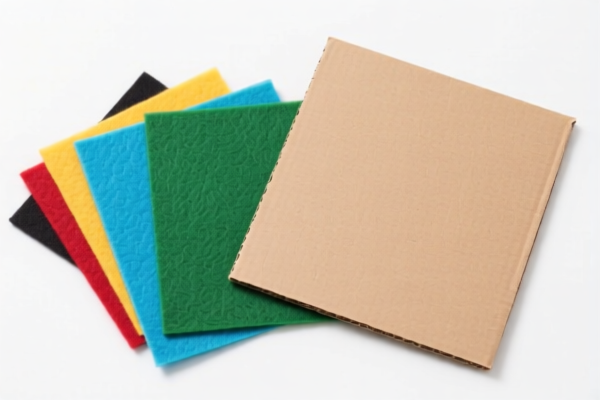
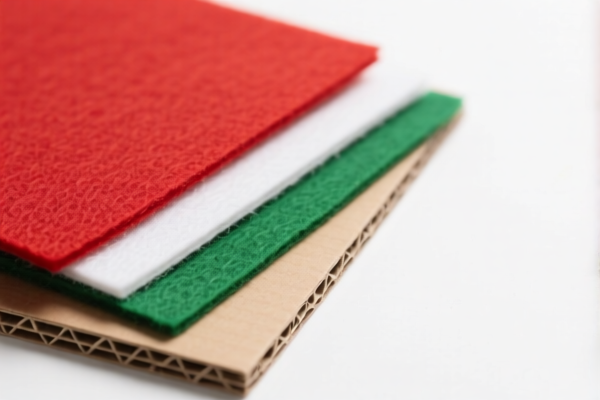
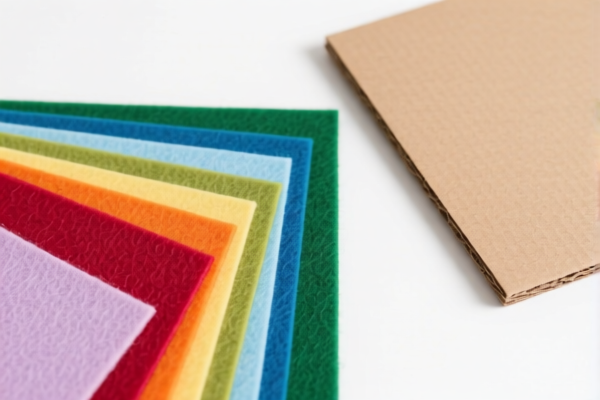
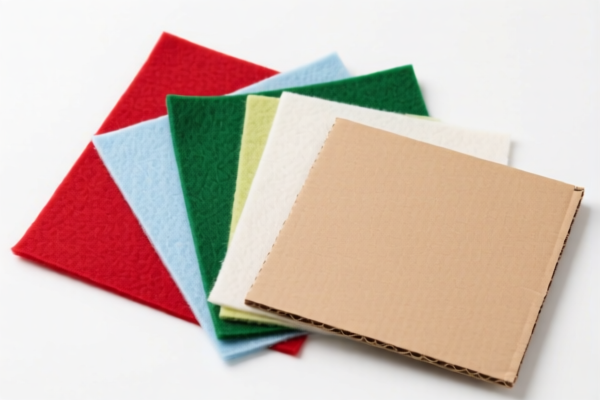
AI Analysis
🎨 Hand-Thrown Colored Paper: Global Customs Clearance & HS Code Mastery Guide
🌐 HS Code Reference & Clearance Strategy | 2026 Latest Tariff Analysis | Professional Export Strategy
Hand-thrown colored paper is a specialized art and craft material, often prized for its unique texture, irregular edges, and artisanal quality. In international trade, its classification hinges on material composition (paper vs. plastic film) and functionality (labels/adhesives vs. decorative sheets).
Misclassification can lead to catastrophic tax shocks (from 17.5% up to 40.8%) or shipment delays. This guide breaks down the precise HS Code pathways based on your product's specific attributes.
📦 II. HS Code Classification Details (2026 Official Tariff Reference)
Based on your product description, the following 5 HS Codes represent the primary classification scenarios. The actual code depends on whether the paper is adhesive-backed, printed, or plain material.
| HS Code | Product Description & Logic | Material Inference | Tax Logic |
|---|---|---|---|
| 4821.90.40.00 | Other Paper Labels: Inferred as paper/film labels. Fits the "catch-all" category for non-specific paper labels. | Paper or Film | 35.0% (0% Base + 25% Add'l + 10% 122 Clause) |
| 3919.90.50.60 | Self-Adhesive Plastic Sheets: Inferred as plastic-based, flat/self-adhesive. Fits "Other" plastic categories. | Plastic Substrate | 40.8% (5.8% Base + 25% Add'l + 10% 122 Clause) |
| 3919.10.20.55 | Self-Adhesive Plastic Tape/Film: Inferred as plastic, flat/belt-like shape. Fits "Other" self-adhesive plastics. | Plastic | 40.8% (5.8% Base + 25% Add'l + 10% 122 Clause) |
| 4911.91.40.40 | Printed Pictures/Designs: Inferred as printed art (images/photos). Fits "Other printed" picture category. | Paper or Film | 17.5% (0% Base + 7.5% Add'l + 10% 122 Clause) |
| 4821.90.20.00 | Self-Adhesive Paper Labels: Specifically for paper labels with adhesive. Fits standard paper label classification. | Paper | 35.0% (0% Base + 25% Add'l + 10% 122 Clause) |
🔍 Critical Insight:
- If your "Hand-thrown" paper is plain and non-adhesive, it does not fit these specific codes (likely falls under 4802/4816, requiring separate verification).
- If it has adhesive backing (sticky side), it falls under 3919 (Plastic) or 4821 (Paper).
- If it features artistic printing (e.g., patterns, photos), it may qualify for 4911 (Significantly lower tax!).
💰 III. 2026 Tariff Rate Breakdown (USA Market Context)
✅ Target Market: United States (US)
✅ Origin: China (CN)
✅ Effective Date: 2025–2026 Import Regimes
🎯 Scenario A: High Risk (Plastic-Based)
Codes: 3919.90.50.60 / 3919.10.20.55
Applicable if the "paper" is actually a plastic film or vinyl.
| Item | Content |
|---|---|
| Base Tariff | 5.8% (Standard MFN rate) |
| Section 301 Add-on | +25.0% (USITC "Section 301" surcharge) |
| Section 122 Clause | +10.0% (Specific 122-paragraph tariff for Chinese imports) |
| Total Effective Rate | 🚨 40.8% |
| Calculation | CIF Value × 40.8% |
| De Minimis Exemption | ❌ NO (Not eligible for low-value package waivers) |
📌 Explanation:
- Plastic products face a 5.8% base tariff, but the 301 surcharge (+25%) and Clause 122 (+10%) combine to create a 40.8% tax burden.
- Action: If your product is plastic, expect high duties. Consider if it can be marketed as "Paper" (see Scenario B) if the material allows.
🎯 Scenario B: Moderate Risk (Paper Labels)
Codes: 4821.90.40.00 / 4821.90.20.00
Applicable if the product is clearly paper-based labels or tags.
| Item | Content |
|---|---|
| Base Tariff | 0.0% (Duty-free base for many paper items) |
| Section 301 Add-on | +25.0% (Section 301 surcharge) |
| Section 122 Clause | +10.0% (Clause 122 surcharge) |
| Total Effective Rate | ⚠️ 35.0% |
| Calculation | CIF Value × 35.0% |
| De Minimis Exemption | ❌ NO |
📌 Explanation:
- While the base tariff is 0%, the 301 (+25%) and 122 (+10%) clauses still apply, totaling 35%.
- Note: "Self-adhesive" status triggers these higher surcharges. Plain non-adhesive paper labels might have different treatment.
🎯 Scenario C: The "Golden Ticket" (Printed Art/Pictures)
Code: 4911.91.40.40
Applicable ONLY if the colored paper contains printed images, designs, or photographs.
| Item | Content |
|---|---|
| Base Tariff | 0.0% |
| Section 301 Add-on | +7.5% (Reduced 301 rate for specific printed goods) |
| Section 122 Clause | +10.0% (Clause 122 surcharge) |
| Total Effective Rate | ✅ 17.5% |
| Calculation | CIF Value × 17.5% |
| De Minimis Exemption | ❌ NO |
📌 Explanation:
- This is the most cost-effective route! If your "colored paper" features printed artwork (not just solid color), it may qualify as "Other printed pictures."
- Savings: You save 17.5% to 23.3% compared to plastic or plain label classifications.
🛠️ IV. Clearance Operational Advice (Real-World Pitfall Avoidance)
✅ 1. Essential Documentation Checklist
| Document | Requirement | Why It Matters |
|---|---|---|
| Product Specifications | ✅ Must Have | Must explicitly state: "Hand-thrown," "Material: Paper/Film," "Adhesive: Yes/No," "Printed: Yes/No." |
| Material Composition Cert | ✅ Must Have | Proves if it's 100% paper (Code 48xx) or Plastic/Polymer (Code 39xx). Customs will test if unsure. |
| Visual Documentation | ✅ Must Have | High-res photos showing texture (hand-thrown edges) and any printed designs (to qualify for 17.5%). |
| Commercial Invoice | ✅ Must Have | Description must match HS Code logic (e.g., "Printed Decorative Paper" vs. "Plastic Labels"). |
| Origin Certificate (CO) | ✅ Recommended | Proves Chinese origin (to verify 122 Clause applicability). |
✅ 2. Declaration Strategy (The "Name Game")
🔥 "Material Defines Code, Print Defines Rate!"
| Situation | CORRECT Declaration | WRONG Declaration (Risk) |
|---|---|---|
| Solid Color, Sticky Back | "Self-Adhesive Paper Labels" (4821.90.20.00) | "Plastic Stickers" → 40.8% Tax |
| Solid Color, Sticky Back (Plastic) | "Self-Adhesive Plastic Film" (3919...) | "Paper Labels" → 35% Tax (Audit risk) |
| Patterned/Printed Paper | "Printed Decorative Paper/Pictures" (4911...) | "Colored Paper" → Misclassified as 39xx/48xx (Higher tax) |
| Plain Handmade Paper (No Adhesive) | NOT LISTED IN DATA (Check 4802/4816) | Declaring as 4821 (Adhesive) → 35% Tax (Overpay) |
✅ 3. Special Handling Tips
| Scenario | Strategy |
|---|---|
| Ambiguous Material | If the paper has a plastic coating but is paper-based, declare as Paper (4821) with a technical note proving the core is paper. Avoid 39xx if possible to save 5.8% base tariff. |
| Printed Designs | Emphasize "Printed" in the invoice. If the design is merely embossed (not inked), it might NOT qualify for 4911 (17.5%). Ensure ink is visible. |
| Small Orders | Even for small quantities, De Minimis ($800) does not apply to Section 301 goods. Prepare to pay the 17.5%–40.8% tax on every shipment. |
| Customs Inspection | Be prepared to physically present the "hand-thrown" texture to prove it is not a machine-made industrial plastic sheet. |
🌍 V. Global Market Comparison (2026)
| Region | Recommended HS Code | Est. Total Tax | Key Requirement |
|---|---|---|---|
| 🇺🇸 USA | 4911.91.40.40 (Printed) |
17.5% | Proof of printing |
| 🇺🇸 USA | 3919.10.20.55 (Plastic) |
40.8% | Material proof |
| 🇪🇺 EU | 4821.10 (Labels) |
Low/Zero | CE marking + VAT |
| 🇯🇵 Japan | 4821.90 (Labels) |
Variable | No 301 Clause (but VAT applies) |
📌 Conclusion:
- USA is the most aggressive market regarding these specific codes due to Section 301 and Clause 122.
- Maximize Savings: If your product has any printed design, push for 4911.91.40.40 (17.5%).
- Avoid Plastic: If possible, ensure the substrate is verified as Paper to avoid the 5.8% base tariff on top of the 301 surcharge.
📌 VI. Common Mistakes & Pitfalls
❌ Mistake 1: Calling "Plastic Labels" "Paper Labels" to get a 0% base rate.
👉 Consequence: Customs will detect the polymer content. Penalties + Back Tax + Seizure.
❌ Mistake 2: Ignoring the "Printed" aspect for colored paper with patterns.
👉 Consequence: Paying 35-40% instead of the optimal 17.5%.
❌ Mistake 3: Assuming "De Minimis" applies to small craft paper shipments.
👉 Consequence: All 301 goods are fully taxed, regardless of value.
✅ Correct Approach:
"Hand-thrown colored printed paper, paper substrate, no adhesive."
(Verify if this fits 4911 or plain paper 4802!)
🎯 VII. Final Verdict: Action Plan
- Identify Material: Is it truly paper or plastic? (Critical for 0% vs 5.8% base).
- Check for Printing: Does it have ink/designs? (Critical for 7.5% vs 25% add-on).
- Check for Adhesive: Does it stick to things? (Critical for 4821/3919 vs plain paper).
- Declare Precisely: Match your description to 4911 (if printed) or 4821/3919 (if labels) to minimize tax.
🚀 Pro Tip: For "Hand-thrown" artisanal goods, emphasize the craftsmanship and unique texture in your commercial invoice to justify the specific classification and avoid being lumped with mass-produced industrial plastic films!
✨ Expert Customs Clearance Starts with Precision!
💼 Don't let a wrong HS Code cost you 23% in extra taxes.
📞 Consult a licensed customs broker to confirm material composition before shipping!
Customer Reviews
About HS Code Classification
The Harmonized System (HS) is an internationally standardized nomenclature developed by the World Customs Organization (WCO) to classify traded products. Over 200 countries use the HS system as the basis for customs tariffs, trade statistics, and import/export regulations.
Each HS code follows a hierarchical structure:
- Chapter (2 digits) — Broad category of goods (e.g., Chapter 84: Machinery and Mechanical Appliances)
- Heading (4 digits) — More specific grouping within the chapter
- Subheading (6 digits) — Internationally standardized breakdown, used by all WCO member countries
- National subdivisions (8-10 digits) — Country-specific extensions for further classification, such as US HTSUS 10-digit codes
Correct HS code classification is essential for smooth customs clearance, accurate duty payment, and compliance with trade regulations. Misclassification can lead to customs delays, overpayment of duties, or penalties.
When importing from CN to US, the applicable tariff rates may include:
- Most-Favored-Nation (MFN) rate — The standard duty rate applied to WTO members
- General rate — Applied to countries without trade agreements
- Trade remedy duties — Additional tariffs such as Section 301 (anti-dumping), Section 232 (national security), or countervailing duties
The information provided on this page is for reference purposes only. For official classification, please consult with your local customs authority or a licensed customs broker.