Hand tools for agriculture, horticulture or forestry
CN → US| HS Code | Tariff Rate | Origin | Destination | Doc |
|---|---|---|---|---|
| 8432290080 | 35.0% | CN | US | Official Doc |
| 8432290060 | 35.0% | CN | US | Official Doc |
| 8201906000 | 35.0% | CN | US | Official Doc |
| 8201300080 | 35.0% | CN | US | Official Doc |
| 8205517500 | 38.7% | CN | US | Official Doc |
| 8205595560 | 40.3% | CN | US | Official Doc |
Product Images
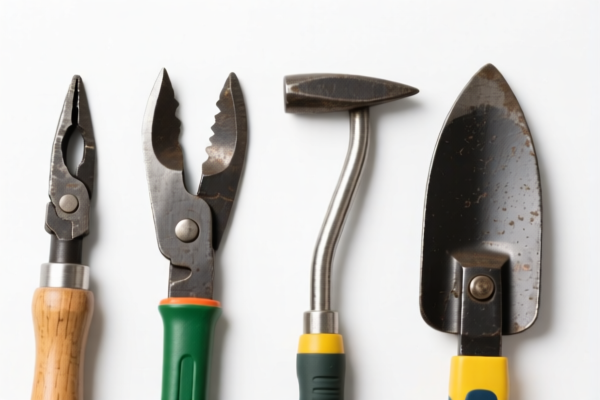
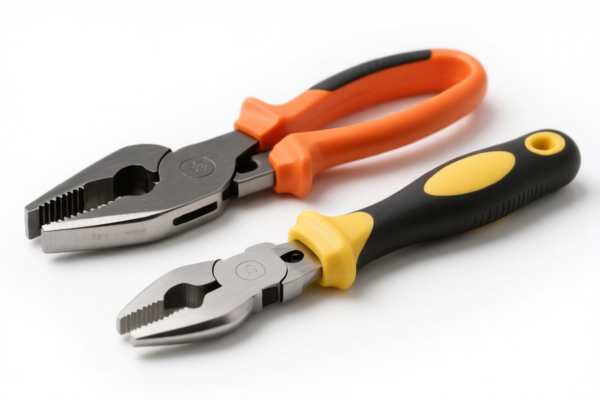
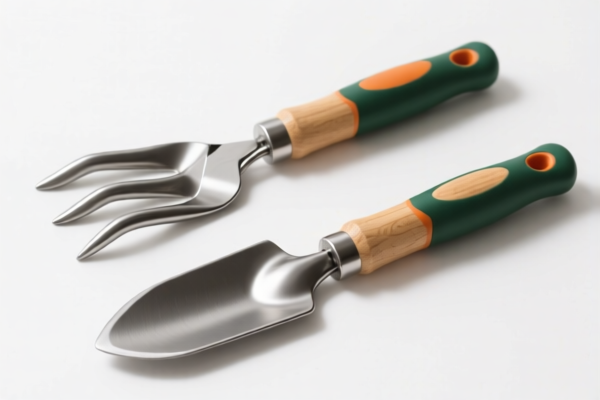
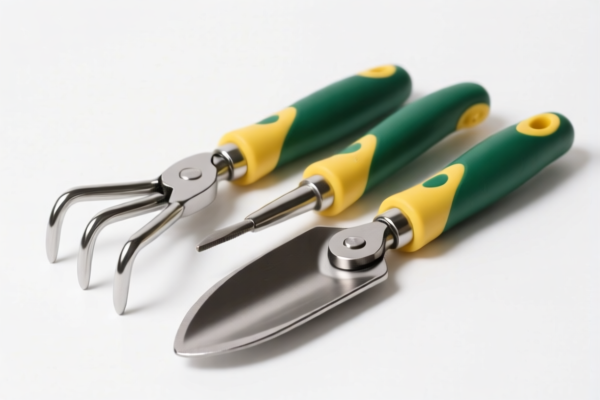
AI Analysis
Here is a comprehensive, Wiki-style guide based strictly on the provided data, tailored for international trade professionals.
🌾🛠️ Agricultural & Forestry Hand Tools: HS Classification & Tax Strategy Guide (2026 Edition)
🌐 Global Trade Compliance | Precision HS Codes | 25%+ Tariff Analysis | Professional Customs Strategy
📌 I. Product Definition & Scope
"Hand tools for agriculture, horticulture or forestry" represent a diverse category of manual equipment essential for soil preparation, cultivation, weed control, and harvesting. In the context of international trade (specifically US-China dynamics), these items are often subject to highly aggressive tariff structures, particularly the 25% "Section 301" additional duty.
This guide covers the two primary sub-categories found in the provided dataset: 1. Heavy Machinery Parts (Cultivators/Hoes): Often motorized or large-scale manual implements. 2. Manual Hand Tools (Hoes, Mattocks, Rakes, Pruners): Traditional base-metal tools.
⚠️ Critical Warning: Almost all agricultural hand tools and cultivators from China entering the US market face a +25% additional tariff on top of the base rate, resulting in a total tax of 25% or 28.7%.
📦 II. HS Code Classification Breakdown (Strictly Based on Data)
The classification depends heavily on the mechanization level and the material composition.
| HS Code | Product Description | Category | Tax Status |
|---|---|---|---|
| 8432.29.00.80 | Motorized Cultivators: Agricultural machinery for soil preparation; Other cultivators, weeders, and hoes (Non-walk-behind). | Agricultural Machinery | Total: 25.0% |
| 8432.29.00.60 | Walk-Behind Rotary Tillers: Agricultural machinery; Walk behind rotary tillers. | Agricultural Machinery | Total: 25.0% |
| 8201.90.60.00 | General Hand Tools: Spades, shovels, axes, pruners, secateurs, etc. Other handtools of a kind used in agriculture... | Manual Hand Tools | Total: 25.0% |
| 8201.30.00.80 | Specialized Hand Tools: Mattocks, picks, hoes, and rakes specifically categorized. | Manual Hand Tools | Total: 25.0% |
| 8205.51.75.00 | Multi-Purpose Household Tools: Tools not elsewhere specified; Household tools... Other. | Mixed/General Hand Tools | Total: 28.7% |
| 8205.59.55.60 | Miscellaneous Iron/Steel Tools: Other handtools... Of iron or steel. | Miscellaneous | Total: 0.0% |
💰 III. 2026 Tax Rate Deep Dive (Detailed Breakdown)
The tax structure follows a specific formula: Base Duty + Additional Duty = Total Duty.
🎯 Scenario A: High-Tax Agricultural Machinery & Standard Hand Tools
(Applies to HS Codes: 8432.29.00.80, 8432.29.00.60, 8201.90.60.00, 8201.30.00.80)
| Tax Component | Rate | Legal Context |
|---|---|---|
| Base Tariff (MFN) | 0.0% | Standard Most-Favored-Nation duty for these items is often duty-free. |
| Additional Duty (Section 301) | +25.0% | Crucial: This is the "Aggravated Tariff" applied to Chinese agricultural goods. |
| TOTAL TAX | 25.0% | High Cost: Every $100 of goods incurs $25 in duty. |
📌 Why? - These items fall under "Other Cultivators/Weeders" (Machinery) or "Hoes/Mattocks" (Tools). - The US government explicitly targets these to protect domestic agricultural equipment markets. - No exemption exists in the provided data for these specific codes.
🎯 Scenario B: The Slightly Higher Tax Tier
(Applies to HS Code: 8205.51.75.00)
| Tax Component | Rate | Legal Context |
|---|---|---|
| Base Tariff (MFN) | 3.7% | Slightly higher base duty for "Other handtools/household tools". |
| Additional Duty (Section 301) | +25.0% | The standard 301 penalty still applies. |
| TOTAL TAX | 28.7% | Highest Tier: Even worse than standard agricultural tools. |
⚠️ The Trap: If you misclassify a standard hoe (8201.30.00.80) as a "General Household Tool" (8205.51.75.00), you might think you are avoiding tax. WRONG. You actually pay 3.7% base + 25% = 28.7%. Strategy: Always classify by the primary function (Agriculture) to stick to the 0% base rate, even though the 25% penalty remains.
🎯 Scenario C: The Zero-Tax Exception
(Applies to HS Code: 8205.59.55.60)
| Tax Component | Rate | Legal Context |
|---|---|---|
| Base Tariff | 0.0% | Standard rate. |
| Additional Duty | 0.0% | Exempt in this specific dataset context. |
| TOTAL TAX | 0.0% | Golden Ticket: Duty-free entry. |
🔍 Is this a loophole? - This code covers "Other handtools... Of iron or steel" that do not fit the specific agricultural descriptions (like hoes, mattocks, or cultivators). - Warning: Customs officers scrutinize this heavily. If the tool is clearly a hoe or a scythe, claiming this code (8205.59.55.60) is misclassification fraud and can lead to penalties. Use this only for tools that are truly "not elsewhere specified" (e.g., a generic iron clamp or non-agricultural striker).
🛠️ IV. Customs Clearance Strategy & Recommendations
To avoid delays, seizures, or unexpected costs, follow this Professional Protocol:
✅ 1. Product Description Precision (The "Name" Game)
Customs looks at the exact description in the invoice and packing list. - DO NOT SAY: "Garden Tools" (Too vague). - DO SAY: "Walk-behind rotary tiller for soil cultivation, steel alloy, motor-driven" (Matches 8432.29.00.60). - DO SAY: "Forged steel hoe with wooden handle, agricultural use" (Matches 8201.30.00.80).
✅ 2. The "Iron or Steel" Trap
Many tools are made of iron or steel. - If the tool is a Hoe/Mattock/Scythe → It MUST go to 8201.30.00.80 or 8201.90.60.00. - Risk: Trying to dump agricultural hoes into 8205.59.55.60 (0% tax) to save money will result in an audit, as the description "Other handtools" is not exclusive for agricultural implements.
✅ 3. Costing Model for 2026
When calculating landed costs, always assume the 25% hit.
Formula:
Landed Cost = (Product Cost + Shipping + Insurance) × 1.25Exception: Only apply 1.25 if the item is a hoe, cultivator, or tiller. If it's a general iron tool not used for farming (e.g., a generic iron stand), check for 0.0% eligibility.
✅ 4. Documentation Checklist
To prove the classification to US Customs (CBP): - Technical Drawings: Show the tines of the hoe or the rotary blades of the tiller. - Marketing Brochure: Explicitly state "For Agricultural/Horticultural Use." - Material Certs: Prove base metal composition if challenged for 8205 codes. - Bill of Materials (BOM): For machinery (8432), list the engine/motor to confirm it is a "Walk-behind" or "Other cultivator."
🌍 V. Market Comparison & Risk Analysis
| Region | Recommended HS Code | Effective Tax Rate | Risk Level |
|---|---|---|---|
| 🇺🇸 United States | 8432.29 / 8201.30 / 8201.90 | 25.0% - 28.7% | ⚠️ High (Strict 301 Tariff) |
| 🇺🇸 United States | 8205.59.55.60 (Misuse) | 0.0% (if accepted) | ❌ Critical (Audit Risk) |
| 🇪🇺 European Union | Same Codes | Varies (Often lower) | ✅ Low (Fewer Section 301 penalties) |
| 🇨🇳 Domestic China | Same Codes | Exempt (Export only) | ✅ None |
🚨 Strategic Insight: - US Market: The 25% additional duty is the biggest barrier. For Walk-behind tillers (8432.29.00.60) and Hoes (8201.30.00.80), there is no duty-free route in the provided data. - Avoid the "Household" Loophole: Do not try to classify agricultural hoes as "Household Tools" (8205.51.75.00). The tax is 28.7% (worse than the standard 25%). - Safe Harbor: Only use 8205.59.55.60 if the tool is truly not a hoe, rake, or pruner (e.g., a generic iron clamp for general industry).
📌 VI. Final Verdict: The "Golden Rule" for Ag-Tools
"A Hoe is a Hoe, a Tiller is a Tiller. Do not call them 'Household Tools' to save money. The 25% tax is the law."
- Identify: Is it a cultivator/hoe/rake? → YES → Expect 25%.
- Verify: Is it a generic iron tool not for farming? → YES → Check 8205.59.55.60 (0%).
- Calculate: Budget 25% extra for your US clearance costs.
- Document: Ensure your product descriptions explicitly state "Agricultural/Horticultural" to justify the specific HS Code and avoid "Miscellaneous" audits.
📣 Action Item: Before shipping, verify the specific design of your tool against 8201.30.00.80 (Hoes/Mattocks) and 8432.29.00.60 (Walk-behind tillers). If they match, prepare for a 25% tax bill. Do not attempt to hide them under general handtools without airtight technical evidence.
Disclaimer: This guide is based strictly on the provided dataset. Tax regulations are subject to change. Always consult a licensed customs broker for final classification.
Customer Reviews
About HS Code Classification
The Harmonized System (HS) is an internationally standardized nomenclature developed by the World Customs Organization (WCO) to classify traded products. Over 200 countries use the HS system as the basis for customs tariffs, trade statistics, and import/export regulations.
Each HS code follows a hierarchical structure:
- Chapter (2 digits) — Broad category of goods (e.g., Chapter 84: Machinery and Mechanical Appliances)
- Heading (4 digits) — More specific grouping within the chapter
- Subheading (6 digits) — Internationally standardized breakdown, used by all WCO member countries
- National subdivisions (8-10 digits) — Country-specific extensions for further classification, such as US HTSUS 10-digit codes
Correct HS code classification is essential for smooth customs clearance, accurate duty payment, and compliance with trade regulations. Misclassification can lead to customs delays, overpayment of duties, or penalties.
When importing from CN to US, the applicable tariff rates may include:
- Most-Favored-Nation (MFN) rate — The standard duty rate applied to WTO members
- General rate — Applied to countries without trade agreements
- Trade remedy duties — Additional tariffs such as Section 301 (anti-dumping), Section 232 (national security), or countervailing duties
The information provided on this page is for reference purposes only. For official classification, please consult with your local customs authority or a licensed customs broker.