Handheld Device Protective Case
CN → US| HS Code | Tariff Rate | Origin | Destination | Doc |
|---|---|---|---|---|
| 3926903500 | 24.0% | CN | US | Official Doc |
| 4202999000 | 55.0% | CN | US | Official Doc |
| 3926904800 | 13.4% | CN | US | Official Doc |
| 4202929400 | 52.6% | CN | US | Official Doc |
| 4202929700 | 52.6% | CN | US | Official Doc |
Product Images
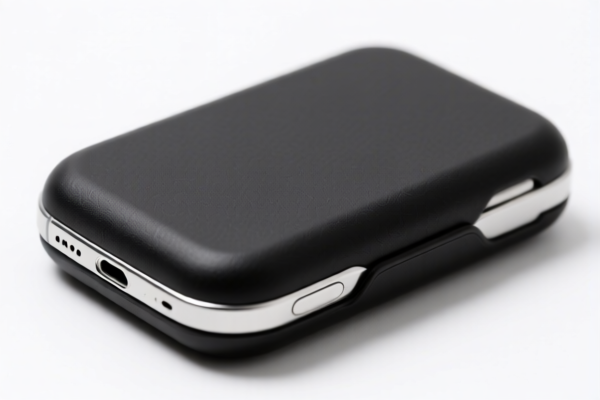
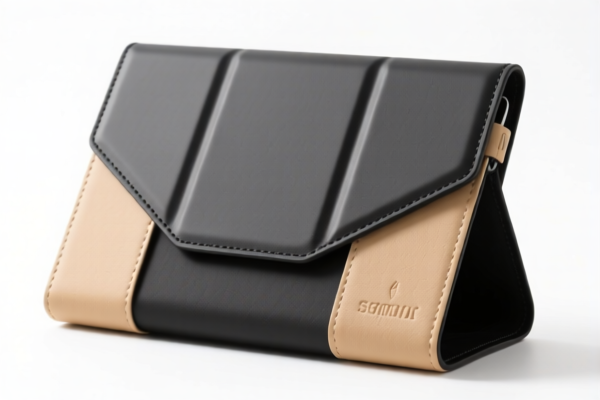
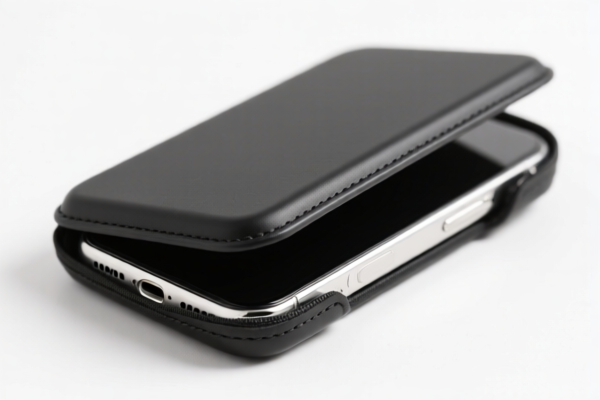
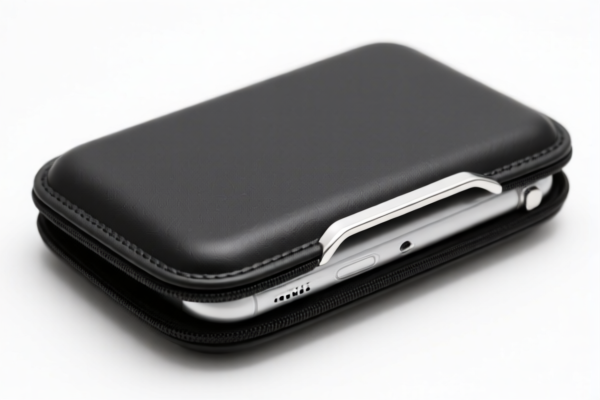
AI Analysis
📱 Handheld Device Protective Case (Phone Cases & Screen Protectors)
🌐 HS Code Reference & Customs Clearance Guide | 2026 Latest Tariff Analysis | Professional Clearance Strategy
📌 I. Product Definition & Classification: Do You Really Understand "Protective Cases"?
Handheld device protective cases are essential accessories for smartphones, tablets, and other mobile devices. In international trade, they are classified based on material composition and functional logic. The critical distinction lies between "Plastic/TPU/PET products" and "Containers/Cases made of other materials."
1. Plastic/TPU/PET Shell & Screen Protector
Definition: Cases made primarily of thermoplastic polyurethane (TPU), polyethylene terephthalate (PET), or other plastic polymers. Includes standalone screen protectors.
* Classification Logic*: Classified as "Other articles of plastic" (Chapter 39).
2. General Protective Container (Other Materials)
Definition: Cases made of leather, textile, or mixed materials, or those acting as a "container" for protection.
* Classification Logic*: Classified as "Other containers" or "Other articles" under Chapter 42 (Articles of leather; saddlery and harness).
⚠️ Key Distinction Point:
- If the material is 100% Plastic/TPU/PET → Go to Chapter 39 (Lower Tax Risk).
- If the material involves Leather, Textile, or Complex Assembly treated as a "Case/Container" → Go to Chapter 42 (Higher Tax Risk).
📦 II. HS Code Classification Details (2026 Latest Tariff Authority Comparison)
| HS Code | Product Description | Applicable Scenario | Material Logic |
|---|---|---|---|
3926.90.35.00 |
Other plastic articles (Phone cases/Screen protectors) | Plastic/TPU/PET cases, standalone screen films | ✅ Plastic/TPU/PET |
3926.90.48.00 |
Other plastic articles (Protective films/shells) | Plastic or polymer-based protective films/shells | ✅ Plastic/Polymer |
4202.99.90.00 |
Other containers & bags (General protective cases) | Cases as "containers" extending to general protection; fallback category | ✅ Leather/Textile/Mixed |
4202.92.94.00 |
Tablet protective cases (Shell-type container) | Tablet cases, shell-shaped containers, plastic or textile materials | ✅ Tablet-specific/Shell |
4202.92.97.00 |
Protective shell-type containers (Fallback) | General protective shells, plastic sheets or textile materials, fallback category | ✅ General Shell/Fallback |
🔍 Key Reminder:
- Plastic cases (3926) are generally safer for cost optimization due to lower base tariffs.
- Chapter 42 cases (4202) are treated as "containers" or "bags," which historically carry higher duties, especially with additional surcharges.
- Tablet cases often fall under4202.92.xxdue to specific sub-heading rules for larger devices.
💰 III. 2026 Latest Tariff Rate Details (Including Additional Taxes & Policy Add-ons)
✅ Applicable Country: United States (US)
✅ Origin: China (CN)
✅ Effective Date: Post-2025 (Current 2026 Tariff Environment)
🎯 1. 3926.90.35.00 — Plastic Phone Cases & Screen Protectors
| Item | Content |
|---|---|
| Base Tariff | 6.5% |
| Additional Tariff (Section 301) | 7.5% |
| Section 122 Tariff | 10% |
| Total Effective Rate | 24.0% |
| Tax Calculation | CIF Value × 24% |
| De Minimis Eligibility | ❌ No (Subject to additional tariffs) |
| Legal Basis Path | USITC:3926.90.35.00 → SECTION 301:7.5% → SECTION 122:10% |
📌 Explanation:
- This is one of the most cost-effective classifications for plastic phone accessories.
- Total tax is 24%, significantly lower than Chapter 42 alternatives.
- Suitable for standard TPU, PC, and PET cases.
🎯 2. 3926.90.48.00 — Other Plastic Protective Films/Shells
| Item | Content |
|---|---|
| Base Tariff | 3.4% |
| Additional Tariff (Section 301) | 0.0% |
| Section 122 Tariff | 10% |
| Total Effective Rate | 13.4% |
| Tax Calculation | CIF Value × 13.4% |
| De Minimis Eligibility | ❌ No |
| Legal Basis Path | USITC:3926.90.48.00 → SECTION 122:10% |
📌 Explanation:
- Lowest Tax Option: Only 13.4% total.
- Applicable to specific plastic films or simple polymer shells without complex accessories.
- Ideal for screen protectors (PET/TPU films) and basic plastic back plates.
🎯 3. 4202.99.90.00 — General Protective Cases (Container Logic)
| Item | Content |
|---|---|
| Base Tariff | 20.0% |
| Additional Tariff (Section 301) | 25.0% |
| Section 122 Tariff | 10% |
| Total Effective Rate | 55.0% |
| Tax Calculation | CIF Value × 55.0% |
| De Minimis Eligibility | ❌ No |
| Legal Basis Path | USITC:4202.99.90.00 → SECTION 301:25% → SECTION 122:10% |
📌 Explanation:
- High Tax Risk: 55% total rate.
- Applies if the product is classified as a "container" or "bag" rather than a simple plastic article.
- Common in mixed-material cases or if declared as "protective containers."
🎯 4. 4202.92.94.00 & 4202.92.97.00 — Tablet/General Shell Containers
| Item | Content |
|---|---|
| Base Tariff | 17.6% |
| Additional Tariff (Section 301) | 25.0% |
| Section 122 Tariff | 10% |
| Total Effective Rate | 52.6% |
| Tax Calculation | CIF Value × 52.6% |
| De Minimis Eligibility | ❌ No |
| Legal Basis Path | USITC:4202.92.xx → SECTION 301:25% → SECTION 122:10% |
📌 Explanation:
- High Tax Risk: 52.6% total rate.
- Specifically targets tablet cases or shell-type containers made of plastic sheets or textiles.
- Even if made of plastic, if classified under Chapter 42 (as a shell/container), the base rate jumps to 17.6%.
🛠️ IV. Customs Clearance Practical Advice (Real-World Pitfall Guide)
✅ 1. Material Declaration is Key
| Material | Recommended HS Code | Total Tax | Risk Level |
|---|---|---|---|
| Pure Plastic/TPU/PET | 3926.90.35.00 or 3926.90.48.00 |
13.4% - 24.0% | 🟢 Low |
| Leather/Fabric/Mixed | 4202.99.90.00 |
55.0% | 🔴 High |
| Tablet Case (Shell Type) | 4202.92.94.00 / 4202.92.97.00 |
52.6% | 🔴 High |
💡 Strategy:
- If your product is mostly plastic, insist on Chapter 39 (3926.xx).
- Avoid declaring plastic cases as "containers" or "bags" unless they have complex textile/leather components.
✅ 2. Declaration Tips (Crucial Mantras)
🔥 "Plastic First, Container Last. Name It Right, Save Big."
| Scenario | Correct Declaration | Wrong Declaration |
|---|---|---|
| TPU Phone Case | "Plastic TPU Protective Case for Mobile Phone" → 3926.90.35.00 |
"Protective Container for Phone" → 4202.99.90.00 |
| PET Screen Protector | "Plastic PET Screen Film" → 3926.90.48.00 |
"Protective Accessory" → 4202.99.90.00 |
| Leather Phone Case | "Leather Case for Phone" → 4202.99.90.00 |
N/A (No better option) |
| Tablet Case | "Plastic Tablet Shell" → Check 3926 vs 4202 based on structure |
"Tablet Bag" → 4202.92.94.00 |
✅ 3. Special Cases Handling
| Scenario | Handling Advice |
|---|---|
| Mixed Material Case (Plastic + Leather Trim) | If >50% plastic by weight/value, argue for 3926. If leather is primary, accept 4202. |
| Tablet Case with Keyboard | If it includes a keyboard/stand, it may be classified as a "part of a machine" or complex container. Consult expert. |
| OEM Custom Cases | Provide detailed material breakdown (e.g., "95% TPU, 5% Silicone") to support 3926 classification. |
| Screen Protector + Case Kit | Declare separately if possible. Screen protector (3926.90.48.00) is cheaper. |
🌍 V. Global Market Comparison (2026 Latest)
| Country/Region | Recommended HS Code | Total Tax (China Origin) | Certification Requirements |
|---|---|---|---|
| 🇺🇸 USA | 3926.90.35.00 |
24.0% | None specific for plastic |
| 🇺🇸 USA | 4202.99.90.00 |
55.0% | None specific |
| 🇨🇳 China | 3926.90.35.00 |
~13-15% | CCC (if electronic parts involved) |
| 🇪🇺 EU | 3926.90.90 |
~4.5% | CE, RoHS, REACH |
| 🇬🇧 UK | 3926.90.90 |
~4.5% | UKCA, RoHS |
📌 Conclusion:
- USA is the most expensive market due to Section 301 and Section 122 tariffs.
- Chapter 39 (3926) is significantly cheaper than Chapter 42 (4202) in the US.
- EU/UK have much lower base tariffs but require strict environmental compliance (REACH/RoHS).
📌 VI. Common Errors & Pitfalls (Lessons Learned)
❌ Error 1: Declaring a Plastic Case as a "Protective Container" (4202)
👉 Consequence: Tax jumps from 24% to 55% → Double Taxation!
❌ Error 2: Using "Screen Protector" for a Hard Plastic Case
👉 Consequence: Customs may reject 3926.90.48.00 (for films) and reclassify to 3926.90.35.00 or 4202 → Delays.
❌ Error 3: Not specifying material in commercial invoice
👉 Consequence: Customs assigns worst-case scenario (often 4202) → 55% Tax.
❌ Error 4: Confusing Tablet Cases with Phone Cases
👉 Consequence: Tablet cases often fall under specific 4202.92.xx subheadings with high duties.
✅ Correct Approach:
"TPU Mobile Phone Case, Model XYZ, Material: 95% TPU, 5% Silicone. For Protection Only."
→ Supports3926.90.35.00(24%).
🎯 VII. Conclusion: Precise Classification, Maximize Profit!
🎯 Remember the Mantra:
🔹 "Plastic is King, Chapter 39 is Cheap. Container is Boss, Chapter 42 is Expensive."
🔹 "24% vs 55%: A 31% Difference Means Your Profit Margin!"
📌 Pro Tip:
If your case has leather or textile elements, consider separating the components if possible, or negotiate with your supplier for plastic-heavy designs to stay under 3926.
Apply for an Advance Ruling (Pre-classification) if the material is ambiguous.
📣 Immediate Action:
📞 Review your BOM (Bill of Materials).
🚀 Declare Material Composition Clearly.
💰 Choose3926if >50% Plastic.
✨ Professional clearance starts with precise classification!
💼 Your every dollar of tax savings is hard-earned profit!
Customer Reviews
About HS Code Classification
The Harmonized System (HS) is an internationally standardized nomenclature developed by the World Customs Organization (WCO) to classify traded products. Over 200 countries use the HS system as the basis for customs tariffs, trade statistics, and import/export regulations.
Each HS code follows a hierarchical structure:
- Chapter (2 digits) — Broad category of goods (e.g., Chapter 84: Machinery and Mechanical Appliances)
- Heading (4 digits) — More specific grouping within the chapter
- Subheading (6 digits) — Internationally standardized breakdown, used by all WCO member countries
- National subdivisions (8-10 digits) — Country-specific extensions for further classification, such as US HTSUS 10-digit codes
Correct HS code classification is essential for smooth customs clearance, accurate duty payment, and compliance with trade regulations. Misclassification can lead to customs delays, overpayment of duties, or penalties.
When importing from CN to US, the applicable tariff rates may include:
- Most-Favored-Nation (MFN) rate — The standard duty rate applied to WTO members
- General rate — Applied to countries without trade agreements
- Trade remedy duties — Additional tariffs such as Section 301 (anti-dumping), Section 232 (national security), or countervailing duties
The information provided on this page is for reference purposes only. For official classification, please consult with your local customs authority or a licensed customs broker.