Handmade Bag
CN → US| HS Code | Tariff Rate | Origin | Destination | Doc |
|---|---|---|---|---|
| 3926903300 | 16.5% | CN | US | Official Doc |
| 4602191800 | 39.5% | CN | US | Official Doc |
| 4602192920 | 40.3% | CN | US | Official Doc |
| 4202228980 | 52.6% | CN | US | Official Doc |
Product Images
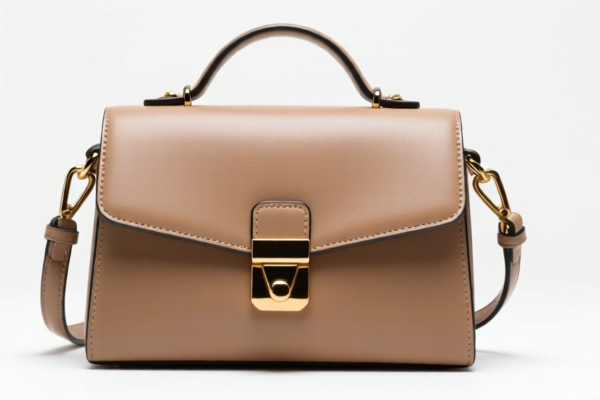
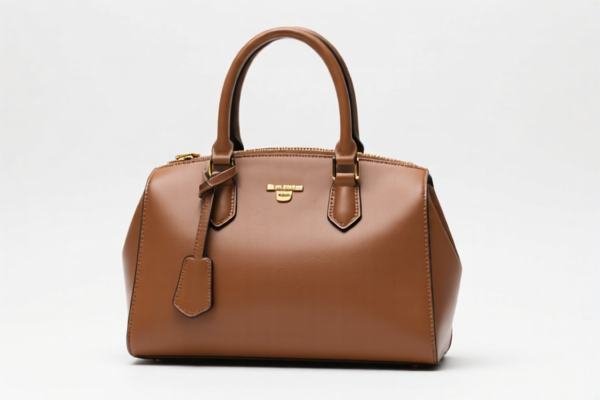
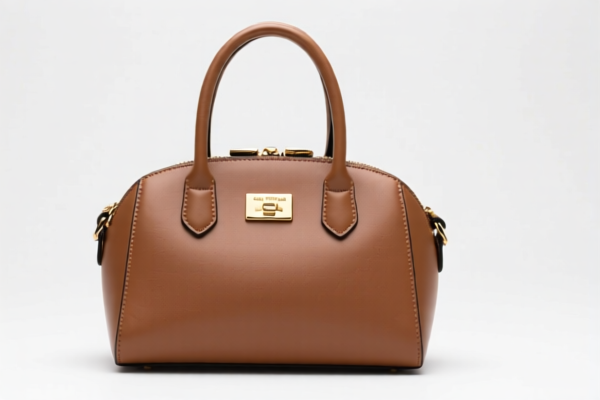
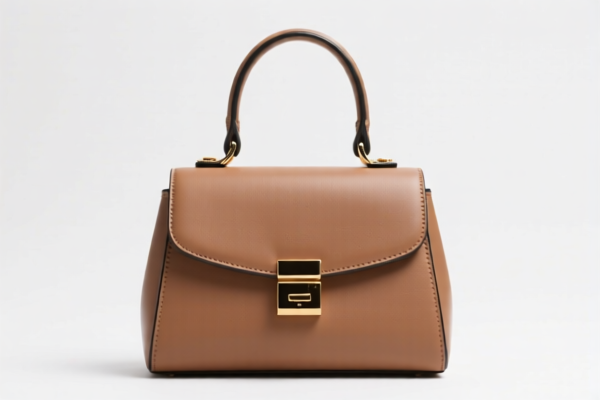
AI Analysis
👜 Handmade Bag (Artisanal & Plaited Bags)
🌐 HS Code Reference & Customs Clearance Guide | 2026 Latest Tariff Analysis | Professional Clearance Strategy
📌 I. Product Definition & Classification: What Exactly Is a "Handmade Bag"?
The term "Handmade Bag" is a broad commercial description that lacks precision in international trade. In customs classification, it is dissected based on Material Composition and Manufacturing Process. A "handmade" bag can fall under completely different HS codes depending on whether it is woven from natural fibers (Chapter 46), made of plastics (Chapter 39), or constructed from textiles/leather equivalents (Chapter 42).
Key Distinctions: * Plaiting Materials (Chapter 46): Bags made directly to shape from plaiting materials (e.g., straw, rattan, reed, loofah) or made up from such articles. This is the true "basketwork" category. * Plastic Articles (Chapter 39): Bags made of plastics, specifically beads, bugles, spangles, or plastic sheeting/textile surfaces. * Textile/Plastic Sheeting Bags (Chapter 42): Handbags with outer surfaces of plastics or textile materials, including those lined or unlined.
⚠️ Critical Classification Point:
- If the bag is woven from vegetable materials (straw, rattan) → Chapter 46
- If the bag is molded/woven from plastic strips/beads → Chapter 39
- If the bag has an outer surface of plastic sheeting or textile (even if handmade) → Chapter 42
📦 II. HS Code Classification Details (2026 Latest Tariff Authority Comparison)
| HS Code | Product Description | Applicable Scenario | Key Material/Feature |
|---|---|---|---|
4602.19.29.20 |
Basketwork/Wickerwork articles; Of vegetable materials; Other; Luggage, handbags... Other Handbags | Straw bags, rattan tote bags, woven beach bags | ✅ Vegetable materials (woven/plaited) |
4602.19.18.00 |
Basketwork/Wickerwork articles; Of vegetable materials; Other; Other baskets and bags | Woven picnic baskets, non-handbag woven containers | ✅ Vegetable materials (woven/plaited) |
3926.90.33.00 |
Other articles of plastics; Beads, bugles, spangles... Handbags | Plastic bead bags, sequined plastic bags, woven plastic strip bags | ✅ Plastic (beads/spangles/weave) |
3926.20.90.50 |
Other articles of plastics; Articles of apparel and clothing accessories... Other Other | Plastic gloves, mittens, or other plastic accessories (not specifically handbags) | ✅ Plastic (apparel/accessory) |
4202.22.89.80 |
Trunks, suitcases... Handbags... With outer surface of sheeting of plastics or of textile materials... Other Other | Handbags with plastic-coated fabric outer or textile outer | ✅ Plastic sheeting / Textile material |
4202.92.31.31 |
... Other... With outer surface of sheeting of plastics or of textile materials: Travel, sports... bags... Of man-made fibers | Travel bags, sports bags, knapsacks made of man-made fiber textiles | ✅ Man-made fiber textile |
🔍 Key Reminder:
- "Handmade" does not automatically mean Chapter 46. A plastic bead bag handmade by artisans is classified under 3926, not 4602.
- Chapter 42 is the dominant chapter for most "fashion handbags" made of textile or plastic-coated fabric, regardless of whether they are handmade.
- Chapter 46 is reserved specifically for goods made from plaiting materials (straw, reed, bamboo, etc.).
💰 III. 2026 Latest Tariff Rate Breakdown (Including Surcharge Policies)
✅ Applicable Country: United States (US)
✅ Country of Origin: China (CN)
✅ Effective Date: November 10, 2025 onwards (for subsequent imports)
🎯 1. 4602.19.29.20 — Vegetable Material Handbags (Straw/Rattan)
| Item | Content |
|---|---|
| Base Tariff | 0.0% |
| Additional Surcharge | 0.0% |
| Total Tax Rate | 0.0% |
| Tax Calculation | CIF Value × 0.0% |
| De Minimis Eligibility | ❌ N/A (Rate is 0%) |
| Legal Basis | HTSUS Chapter 46 Specific Provision |
📌 Explanation:
- Vegetable-based basketwork and woven bags currently face no base tariff and no additional surcharges.
- This makes Chapter 46 the most tariff-efficient category for genuine natural-fiber handmade bags.
- Caution: Ensure the product is truly made from plaiting materials. If it uses plastic fibers mimicking straw, it may be misclassified here.
🎯 2. 4602.19.18.00 — Other Vegetable Material Baskets/Bags
| Item | Content |
|---|---|
| Base Tariff | 0.0% |
| Additional Surcharge | 0.0% |
| Total Tax Rate | 0.0% |
| Tax Calculation | CIF Value × 0.0% |
| De Minimis Eligibility | ❌ N/A (Rate is 0%) |
| Legal Basis | HTSUS Chapter 46 Specific Provision |
📌 Explanation:
- Similar to the above, other woven vegetable bags enjoy 0% total tax.
- Ensure the item is not a "handbag" in the traditional sense (with handles for shoulder/arm) but rather a "basket" or general container, or verify if4602.19.29.20is more appropriate for handbags.
🎯 3. 3926.90.33.00 — Plastic Handbags (Beads/Spangles)
| Item | Content |
|---|---|
| Base Tariff | 6.5% |
| Additional Surcharge | 0.0% |
| Total Tax Rate | 6.5% |
| Tax Calculation | CIF Value × 6.5% |
| De Minimis Eligibility | ❌ N/A (Rate is 6.5%) |
| Legal Basis | HTSUS Chapter 39 Specific Provision |
📌 Explanation:
- Handmade bags made of plastic beads, bugles, or spangles are classified here.
- Base tariff is 6.5% with no additional surcharge.
- This is a moderate tariff level, significantly lower than Chapter 39 apparel accessories.
🎯 4. 3926.20.90.50 — Other Plastic Apparel/Accessories (Non-Specific)
| Item | Content |
|---|---|
| Base Tariff | 5.0% |
| Additional Surcharge | 25.0% |
| Total Tax Rate | 30.0% |
| Tax Calculation | CIF Value × 30.0% |
| De Minimis Eligibility | ❌ Not Eligible |
| Legal Basis | IEEPA:9903.01.24 → USITC:3926.20.90.50 → FOOTNOTE:9903.88.01 |
📌 Explanation:
- This code captures other plastic articles of apparel and accessories not specifically listed elsewhere (e.g., plastic gloves, some fashion accessories).
- High Risk: Subject to 25% Additional Surcharge (Section 301) + 10% IEEPA Surcharge (if applicable under current rulings) → Total 30%.
- Warning: Do not misclassify plastic handbags here if a more specific handbag code (like3926.90.33.00) exists. Misclassification leads to high penalties.
🎯 5. 4202.22.89.80 — Textile/Plastic Sheeting Handbags
| Item | Content |
|---|---|
| Base Tariff | 0.0% |
| Additional Surcharge | 0.0% |
| Total Tax Rate | 0.0% |
| Tax Calculation | CIF Value × 0.0% |
| De Minimis Eligibility | ❌ N/A (Rate is 0%) |
| Legal Basis | HTSUS Chapter 42 Specific Provision |
📌 Explanation:
- Handbags with an outer surface of textile materials (including man-made fibers) or plastic sheeting.
- Most fashion handbags fall here. Currently, 0% total tax.
- This is the most common classification for branded or generic handmade textile handbags.
🎯 6. 4202.92.31.31 — Other Bags of Man-Made Fiber
| Item | Content |
|---|---|
| Base Tariff | 0.0% |
| Additional Surcharge | 0.0% |
| Total Tax Rate | 0.0% |
| Tax Calculation | CIF Value × 0.0% |
| De Minimis Eligibility | ❌ N/A (Rate is 0%) |
| Legal Basis | HTSUS Chapter 42 Specific Provision |
📌 Explanation:
- Covers travel, sports, and similar bags made of man-made fiber textiles.
- If the "handmade bag" is a backpack, knapsack, or travel tote made of synthetic fabric, use this code.
- 0% total tax applies.
🛠️ IV. Customs Clearance Practical Advice (Real-World Pitfall Guide)
✅ 1. Required Documentation Checklist (Essential)
| Document | Mandatory | Explanation |
|---|---|---|
| ✅ Product Specifications | ✔️ | Must detail material composition (e.g., "100% Natural Rattan," "PVC Beads," "Polyester Textile"). |
| ✅ High-Resolution Photos | ✔️ | Show the outer surface material clearly. Customs must see if it is woven, plastic, or textile. |
| ✅ Bill of Materials (BOM) | ✔️ | For mixed materials, provide BOM to determine the "essential character" or primary material. |
| ✅ Commercial Invoice | ✔️ | Describe item accurately: e.g., "Handmade Rattan Tote Bag" or "Plastic Bead Clutch." Avoid generic "Handmade Bag." |
| ✅ Packing List | ✔️ | Confirm net/gross weight and dimensions. |
| ✅ Origin Certificate | ✔️ | Required for tariff verification. If non-China origin, check for preferential rates. |
✅ 2. Declaration Tips (Key Mantras)
🔥 "Material Defines Code, Shape Defines Chapter. Be Specific, Save Money!"
| Scenario | Correct Declaration | Wrong Practice |
|---|---|---|
| Straw/Rattan Bag | 4602.19.29.20 - "Handmade Rattan Handbag" |
Calling it "Plastic Bag" → 6.5%+ |
| Plastic Bead Bag | 3926.90.33.00 - "Plastic Bead Handbag" |
Calling it "Textile Bag" → Misclassification risk |
| Cloth/Canvas Bag | 4202.22.89.80 - "Textile Handbag" |
Calling it "Basket" → 0% but potential audit flag |
| Travel/Sports Bag | 4202.92.31.31 - "Man-made Fiber Sports Bag" |
Calling it "Handbag" → May be classified as handbag (same rate usually, but consistency matters) |
✅ 3. Special Case Handling
| Scenario | Handling Advice |
|---|---|
| Mixed Materials | If a bag has a rattan body but plastic handles, it may still be 4602 if the rattan gives essential character. Provide photos showing this. |
| OEM Custom Bags | Provide design sheets and material specs. If the supplier provides materials, clarify who owns the materials to avoid valuation disputes. |
| "Handmade" vs. "Industrial" | Customs may inspect for "plaiting materials" in Chapter 46. If it's a machine-woven synthetic straw, it must be 4202 or 3926. Do not claim Chapter 46 for synthetic imitations. |
| High-Value Luxury Bags | Ensure the description matches the brand and model. Misdeclaration can lead to IP rights seizures. |
🌍 V. Global Market Comparison (2026 Latest)
| Country/Region | Recommended HS Code | Tariff | Certification | Notes |
|---|---|---|---|---|
| 🇺🇸 USA | 4202.22.89.80 / 4602.19.29.20 |
0% | None | Best for Textile/Natural Bags. Plastic accessories face 30%. |
| 🇨🇳 China | 4202.22.89.80 / 4602.19.29.20 |
5% / 0% | None | Import duties vary. Natural baskets may enjoy 0%. |
| 🇪🇺 EU | 4202.22.89.80 / 4602.19.29.20 |
4% / 0% | CE (if electronic components) | Natural fibers often 0%. Textile bags ~4%. |
| 🇬🇧 UK | 4202.22.89.80 / 4602.19.29.20 |
4% / 0% | UKCA | Post-Brexit rules apply. |
| 🇯🇵 Japan | 4202.22.89.80 / 4602.19.29.20 |
6% / 0% | PSE (if applicable) | Natural baskets 0%. |
📌 Conclusion:
- USA currently offers 0% duty for both natural fiber (4602) and textile/plastic sheeting (4202) handbags.
- Plastic apparel accessories (3926.20.90.50) face 30% total tariff in the US, so avoid this code for handbags unless they are strictly accessories (e.g., pouches not designed as handbags).
- China is the primary manufacturing hub; ensure origin compliance to avoid anti-dumping or surcharge issues.
📌 VI. Common Errors & Pitfalls (Lessons from Blood & Tears)
❌ Error 1: Classifying a plastic bead bag as a natural fiber bag (4602)
👉 Consequence: Customs may reclassify to 3926.90.33.00 (6.5%) or 3926.20.90.50 (30%) → Back taxes + Penalties.
❌ Error 2: Calling a textile handbag a "Basket" (4602)
👉 Consequence: Although both may be 0%, inconsistency triggers audit. If the textile is plastic-coated, it’s 4202. If it’s natural fiber textile, it might still be 4202 depending on weave. Be precise.
❌ Error 3: Misdeclaring plastic accessories (3926.20.90.50) as handbags
👉 Consequence: If the item is not a handbag but a plastic accessory, it faces 30% tariff. If it is a handbag, it should be 3926.90.33.00 (6.5%). Saving 23.5% is possible!
❌ Error 4: Using generic "Handmade Bag" in Invoice
👉 Consequence: Customs cannot determine material → Delay in clearance, additional inspection fees, potential misclassification.
✅ Correct Approach:
"Handmade Woven Rattan Handbag, Natural Material, Outer Surface Vegetable Fiber, Model XYZ"
OR
"Handmade Plastic Bead Clutch, Outer Surface Plastic Beads, Model ABC"
🎯 VII. Conclusion: Precise Classification, Cost Efficiency!
🎯 Remember the Mantra:
🔹 "Natural Fiber = 4602 (0%), Textile/Plastic Sheeting = 4202 (0%), Plastic Beads = 3926 (6.5%). Avoid 3926 Apparel (30%)."
🔹 "Describe the Material, Not Just the Craft. 'Handmade' is Marketing, 'Material' is Customs."
📌 Pro Tip:
If your product is 100% Natural Vegetable Fiber (Straw, Rattan, Reed), always declare under Chapter 46 to ensure 0% duty.
If it is Textile or Plastic-Coated, use Chapter 42 for 0% duty.
Avoid Chapter 39 Apparel unless it is strictly non-handbag accessories.
📣 Immediate Action:
📞 Consult with a licensed customs broker + Provide Material Composition Details + Request HS Code Pre-Ruling
🚀 Ensure your "Handmade Bag" clears smoothly, avoids surcharges, and maximizes profit!
✨ Professional Clearance Starts with Precise Classification!
💼 Every Dollar of Duty Matters! Get It Right!
Customer Reviews
About HS Code Classification
The Harmonized System (HS) is an internationally standardized nomenclature developed by the World Customs Organization (WCO) to classify traded products. Over 200 countries use the HS system as the basis for customs tariffs, trade statistics, and import/export regulations.
Each HS code follows a hierarchical structure:
- Chapter (2 digits) — Broad category of goods (e.g., Chapter 84: Machinery and Mechanical Appliances)
- Heading (4 digits) — More specific grouping within the chapter
- Subheading (6 digits) — Internationally standardized breakdown, used by all WCO member countries
- National subdivisions (8-10 digits) — Country-specific extensions for further classification, such as US HTSUS 10-digit codes
Correct HS code classification is essential for smooth customs clearance, accurate duty payment, and compliance with trade regulations. Misclassification can lead to customs delays, overpayment of duties, or penalties.
When importing from CN to US, the applicable tariff rates may include:
- Most-Favored-Nation (MFN) rate — The standard duty rate applied to WTO members
- General rate — Applied to countries without trade agreements
- Trade remedy duties — Additional tariffs such as Section 301 (anti-dumping), Section 232 (national security), or countervailing duties
The information provided on this page is for reference purposes only. For official classification, please consult with your local customs authority or a licensed customs broker.