Handmade Cotton Shorts for Girls
CN → US| HS Code | Tariff Rate | Origin | Destination | Doc |
|---|---|---|---|---|
| 6104622060 | 32.4% | CN | US | Official Doc |
| 6203424561 | 34.1% | CN | US | Official Doc |
| 6110202049 | 34.0% | CN | US | Official Doc |
| 6104220050 | 0.0% | CN | US | Official Doc |
| 6204628041 | 34.1% | CN | US | Official Doc |
Product Images
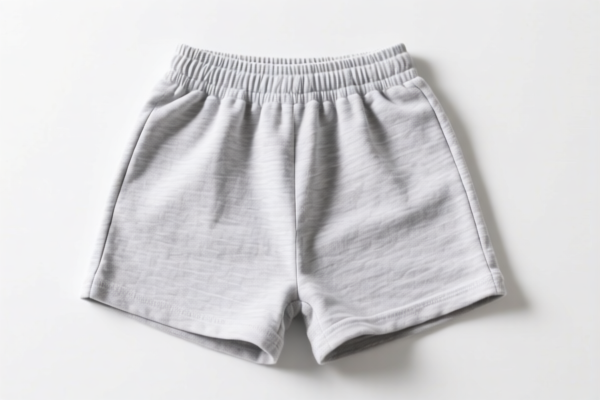
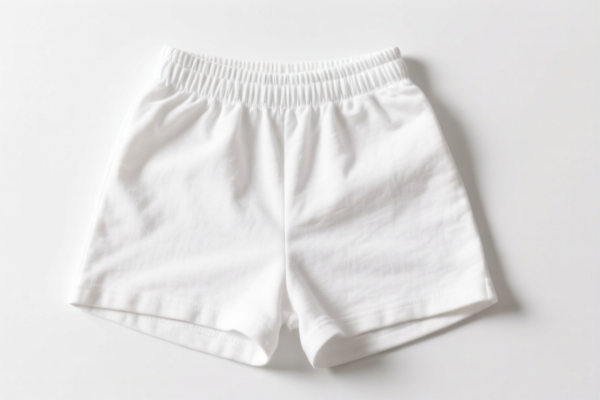
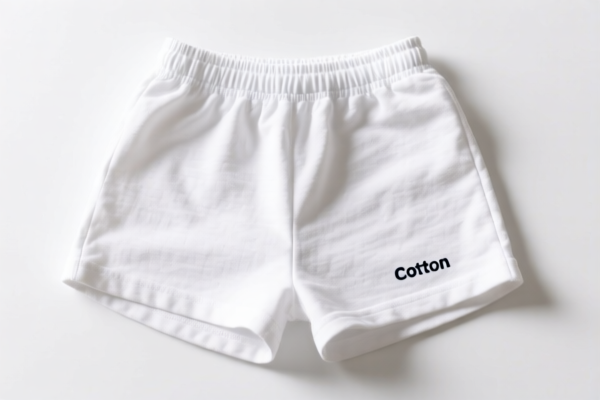

AI Analysis
👖 Handmade Cotton Shorts for Girls (女童手工织棉短裤)
🌐 HS Code Reference & Customs Clearance Guide | 2026 Latest Tariff Breakdown | Professional Entry Strategy
📌 I. Product Definition & Classification: Do You Really Know "Handmade Cotton Shorts"?
Handmade Cotton Shorts for Girls are typically classified under Chapter 61 (Articles of Apparel and Clothing Accessories, Knitted or Crocheted) or Chapter 62 (Articles of Apparel and Clothing Accessories, Not Knitted or Crocheted), depending on the manufacturing process and fabric structure.
However, "Handmade" in a commercial context often refers to Knitted/Crocheted (Hand-knit or machine-knit imitation) rather than literal hand-stitching, which rarely applies to bulk goods. The classification hinges on: 1. Fabric Structure: Knitted/Crocheted (Ch 61) vs. Woven (Ch 62). 2. Material Composition: Primarily Cotton (>85% usually). 3. Target Demographic: Girls (Under 14 years old).
⚠️ Key Distinction Point:
- If the fabric is knitted or crocheted (looped yarn structure), it generally falls under HS 6104 or 6110.
- If the fabric is woven (interlaced threads, even if called "handmade style"), it falls under HS 6203 or 6204.
- Critical Note: The term "Handmade" itself does not change the HS code; the construction method does. Customs focuses on physical attributes, not marketing labels.
📦 II. HS Code Classification Details (2026 Latest Tariff Authority Match)
Based on the provided data, here are the potential HS Codes for "Girls' Cotton Shorts," along with their descriptions and tax implications.
| HS Code | Product Description | Applicable Scenario | Tax Rate (Total) |
|---|---|---|---|
6104.62.20.60 |
Girls' Handmade Knitted/Crocheted Cotton Shorts | Knitted or crocheted shorts made of cotton | 32.4% |
6203.42.45.61 |
Girls' Cotton Shorts, Other Categories Matched | Woven cotton shorts (if classified as boys'/general under 6203 due to structural ambiguity) | 34.1% |
6110.20.20.49 |
Girls' Cotton Knitted Shorts (Based on Other Category Logic) | Cardigans/Sweaters logic applied incorrectly or specific knitwear category | 34.0% |
6104.22.00.50 |
Girls' Cotton Shorts, Fully Compliant with Limiting Conditions | Ensemble items or specific knitwear subsets | Variable + 17.5% |
6204.62.80.41 |
Girls' Pure Cotton Casual Pants (Categorized as Trousers) | If deemed "trousers/pants" rather than "shorts" | 34.1% |
🔍 Key Insight:
-6104.62.20.60appears to be the most accurate for knitted/crocheted cotton shorts for girls.
-6203.42.45.61and6204.62.80.41suggest potential misclassification if the item is knitted but declared as woven, or if "shorts" are misclassified as "trousers."
-6110.20.20.49is likely incorrect for shorts (usually for sweaters/cardigans) unless specific local regulations apply.
💰 III. 2026 Latest Tariff Rate Detailed Breakdown (Including Surcharges & Policy Add-ons)
✅ Applicable Country: United States (US)
✅ Origin: China (CN)
✅ Effective Date: 2025/2026 (Subject to current trade policies)
🎯 1. 6104.62.20.60 —— Girls' Handmade Knitted/Crocheted Cotton Shorts
| Item | Detail |
|---|---|
| Base Tariff | 14.9% |
| Additional Tariff (Section 301) | 7.5% |
| Section 122 Tariff | 10% |
| Total Tariff Rate | 32.4% |
| Tax Calculation | CIF Value × 32.4% |
| De Minimis Eligibility | ❌ Not Applicable (Due to Section 301 and 122 tariffs, de minimis exemption usually does not apply) |
| Legal Basis Path | USITC:6104.62.20.60 → Section 301: Footnote 9903.88.01 → Section 122: 10% surcharge |
📌 Explanation:
- 14.9% Base: Standard MFN (Most Favored Nation) rate for girls' knitted shorts.
- 7.5% Section 301: Additional tariff imposed on many textile/apparel products from China.
- 10% Section 122: Specific additional tariff applicable to certain textile imports.
- Total: 32.4%. This is a high-cost category for US importers.
🎯 2. 6203.42.45.61 —— Girls' Cotton Shorts (Woven/Other Category)
| Item | Detail |
|---|---|
| Base Tariff | 16.6% |
| Additional Tariff (Section 301) | 7.5% |
| Section 122 Tariff | 10% |
| Total Tariff Rate | 34.1% |
| Tax Calculation | CIF Value × 34.1% |
| De Minimis Eligibility | ❌ Not Applicable |
| Legal Basis Path | USITC:6203.42.45.61 → Section 301 → Section 122 |
📌 Note:
- If the item is misclassified as woven (6203) instead of knitted (6104), the base rate is higher (16.6% vs 14.9%).
- Total: 34.1%. This is more expensive than the knitted classification.
🎯 3. 6110.20.20.49 —— Girls' Cotton Knitted Shorts (Incorrect Category?)
| Item | Detail |
|---|---|
| Base Tariff | 16.5% |
| Additional Tariff (Section 301) | 7.5% |
| Section 122 Tariff | 10% |
| Total Tariff Rate | 34.0% |
| Tax Calculation | CIF Value × 34.0% |
📌 Warning:
- HS 6110 typically refers to sweaters, pullovers, and cardigans. Using this code for shorts is highly risky and may lead to customs audits, penalties, or forced reclassification.
- Total: 34.0%. Similar to woven shorts, but the classification error is the bigger risk.
🎯 4. 6104.22.00.50 —— Girls' Cotton Shorts (Ensemble/Specific Condition)
| Item | Detail |
|---|---|
| Base Tariff | The rate applicable to each garment in the ensemble if separately classified |
| Additional Tariff (Section 301) | 7.5% |
| Section 122 Tariff | 10% |
| Total Tariff Rate | Base Rate + 17.5% |
| Tax Calculation | Complex (Depends on ensemble composition) |
📌 Caution:
- This code is likely for sets/ensembles (e.g., top + shorts). If declaring only shorts, this code is incorrect.
- If correctly classified, the total rate depends on the base rate of the individual garments.
🎯 5. 6204.62.80.41 —— Girls' Pure Cotton Casual Pants (Misclassified as Trousers)
| Item | Detail |
|---|---|
| Base Tariff | 16.6% |
| Additional Tariff (Section 301) | 7.5% |
| Section 122 Tariff | 10% |
| Total Tariff Rate | 34.1% |
| Tax Calculation | CIF Value × 34.1% |
📌 Risk Alert:
- "Shorts" vs. "Trousers": Customs distinguishes based on length. If the product is clearly "shorts," declaring it as "pants" (6204) is misdeclaration.
- Total: 34.1%. Same high rate, plus potential penalties for false declaration.
🛠️ IV. Customs Clearance Practical Advice (Real-World Pitfall Avoidance)
✅ 1. Required Documentation Checklist (Non-Negotiable)
| Document | Required | Explanation |
|---|---|---|
| ✅ Product Specifications | ✔️ | Must clearly state "Knitted/Crocheted" vs. "Woven," fabric composition (100% Cotton), and size/age range (Girls <14). |
| ✅ Product Photos | ✔️ | Clear images showing the garment structure (knit loops vs. weave pattern) and label. |
| ✅ Commercial Invoice | ✔️ | Must match the HS Code. Avoid vague terms like "Clothing"; specify "Girls' Knitted Cotton Shorts." |
| ✅ Packing List | ✔️ | Detail quantity, weight, and packaging. |
| ✅ Certificate of Origin (CO) | ✔️ | Required for origin verification, especially for Section 301/122 applicability. |
| ✅ Third-Party Test Report | ✔️ | Fiber content test (Cotton %) from an accredited lab (e.g., SGS, Intertek). |
✅ 2. Declaration Tips (Key Mnemonics)
🔥 “Knit is 61, Woven is 62; ‘Handmade’ is Marketing, Not Classification! Shorts are NOT Pants.”
| Scenario | Correct Declaration | Wrong Practice |
|---|---|---|
| Knitted Cotton Shorts | 6104.62.20.60 |
Declare as 6203... (Woven) → Higher tax + audit risk |
| Woven Cotton Shorts | 6203.42.45.61 (if applicable) |
Declare as 6104... (Knitted) → Misclassification |
| Shorts declared as Pants | Always declare as "Shorts" | Declaring as "Pants/Trousers" → Fraudulent declaration |
| "Handmade" Label | Use "Knitted/Crocheted" in technical description | Rely on "Handmade" for classification → Ignored by Customs |
✅ 3. Special Case Handling
| Case | Handling Advice |
|---|---|
| OEM Custom Shorts | Provide design sketches and fabric swatches. Ensure the HS Code matches the actual fabric structure. |
| Mixed Fabric | If cotton is <85%, classification may change. Ensure fiber content is accurate. |
| Section 122 Exemptions | Check if any exemptions apply (rare for apparel from China). |
| De Minimis (Section 321) | Not available for Section 301/122 tariffs. Small parcels will still be taxed. |
🌍 V. Global Market Customs Comparison (2026 Latest)
| Country/Region | Recommended HS Code | Tariff (China Origin) | Certification Requirements | Notes |
|---|---|---|---|---|
| 🇺🇸 USA | 6104.62.20.60 |
32.4% (Knitted) | ASTM F963 (CPSIA), Prop 65 | High tariffs due to Section 301/122 |
| 🇨🇳 China | 6104.62.20.60 |
~14-16% | CCC (if applicable) | Lower export tax burden |
| 🇪🇺 EU | 6104.63.10 |
12% | CE (if safety gear), REACH | No Section 301 equivalent |
| 🇬🇧 UK | 6104.63.10 |
12% | UKCA | Post-Brexit rules apply |
| 🇦🇺 Australia | 6104.63.10 |
5% | WEEE (if electronic accessories) | No major tariffs |
📌 Conclusion:
- The US market is the most expensive due to 32.4% total tariffs.
- EU/UK/Australia have lower base tariffs but require strict safety compliance (CPSIA in US, EN71 in EU).
- Misclassification (e.g., calling shorts "pants" or knitted "woven") leads to high penalties in all regions.
📌 VI. Common Errors & Pitfalls Guide (Lessons Learned)
❌ Error 1: Declaring "Handmade Shorts" without specifying Knitted/Woven
👉 Consequence: Customs may classify under the wrong code, leading to 40%+ tax + fines.
❌ Error 2: Using HS 6110 (Sweaters) for Shorts
👉 Consequence: Audit trigger. Customs will reclassify and charge 34.0% + penalties.
❌ Error 3: Calling Shorts "Pants" to avoid scrutiny
👉 Consequence: Fraud allegation. Even if tax is similar, false declaration leads to seizure.
❌ Error 4: Ignoring Section 122 Tariff
👉 Consequence: Underpayment. You will owe the 10% difference + interest.
✅ Correct Practice:
"Girls' 100% Cotton Knitted Shorts, Hand-knit Style, Size 4-6, ASTM F963 Compliant, HS 6104.62.20.60"
🎯 VII. Conclusion: Precise Classification, Cost Control, Efficient Clearance!
🎯 Remember the Mnemonic:
🔹 “Knit is 61, Woven is 62. Shorts are not Pants. ‘Handmade’ is just a label. Tax is 32.4% for Knitted, 34.1% for Woven. Don’t guess, test the fabric!”
🔹 “HS Code is Life. 2% difference in base rate means huge savings. 10% Section 122 is always there. Don’t ignore it.”
📌 Pro Tip:
If your shorts are knitted, stick to
6104.62.20.60(32.4%).
If they are woven, use6203.42.45.61(34.1%).
Avoid6110and6204for shorts unless you have a very specific legal reason.
Get a Pre-Ruling from US Customs if your product structure is ambiguous.
📣 Immediate Action:
📞 Contact a licensed customs broker.
📸 Provide clear photos of the fabric structure (knit vs. weave).
🚀 Clearance starts with accurate classification!
✨ Professional Clearance, Starting from Precise Classification!
💼 Every cent of tax cost deserves precise calculation!
Customer Reviews
About HS Code Classification
The Harmonized System (HS) is an internationally standardized nomenclature developed by the World Customs Organization (WCO) to classify traded products. Over 200 countries use the HS system as the basis for customs tariffs, trade statistics, and import/export regulations.
Each HS code follows a hierarchical structure:
- Chapter (2 digits) — Broad category of goods (e.g., Chapter 84: Machinery and Mechanical Appliances)
- Heading (4 digits) — More specific grouping within the chapter
- Subheading (6 digits) — Internationally standardized breakdown, used by all WCO member countries
- National subdivisions (8-10 digits) — Country-specific extensions for further classification, such as US HTSUS 10-digit codes
Correct HS code classification is essential for smooth customs clearance, accurate duty payment, and compliance with trade regulations. Misclassification can lead to customs delays, overpayment of duties, or penalties.
When importing from CN to US, the applicable tariff rates may include:
- Most-Favored-Nation (MFN) rate — The standard duty rate applied to WTO members
- General rate — Applied to countries without trade agreements
- Trade remedy duties — Additional tariffs such as Section 301 (anti-dumping), Section 232 (national security), or countervailing duties
The information provided on this page is for reference purposes only. For official classification, please consult with your local customs authority or a licensed customs broker.