Handmade Paper Mold
CN → US| HS Code | Tariff Rate | Origin | Destination | Doc |
|---|---|---|---|---|
| 4823901000 | 35.0% | CN | US | Official Doc |
| 4421999880 | 38.3% | CN | US | Official Doc |
| 4823700040 | 35.0% | CN | US | Official Doc |
| 4819504040 | 35.0% | CN | US | Official Doc |
| 4819504060 | 35.0% | CN | US | Official Doc |
Product Images
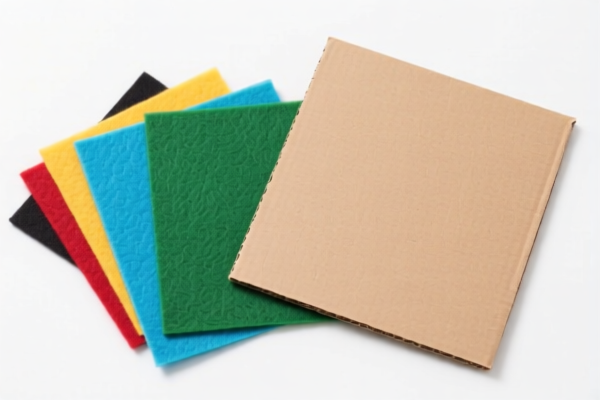
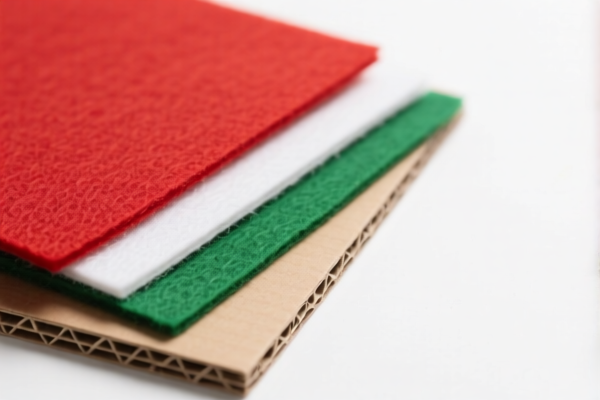
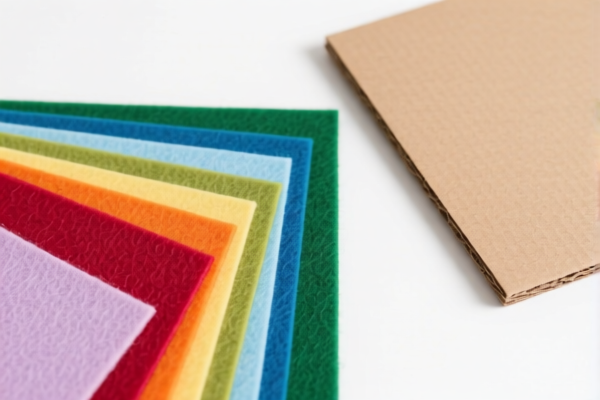
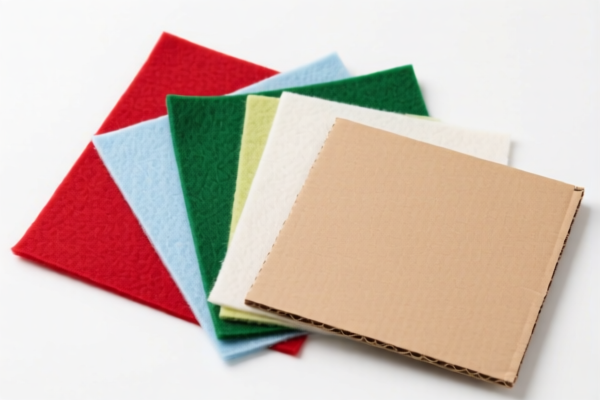
AI Analysis
📦 Handmade Paper Mold: The Ultimate HS Code & Tariff Guide (2026)
🌐 HS Code Reference & Clearance Guide | 2026 Latest Tariff Analysis | Professional Entry Strategy
📌 I. Product Definition & Classification: What Exactly Is a "Handmade Paper Mold"?
A Handmade Paper Mold is a specialized tool used in the craft of papermaking. It typically consists of a wooden frame (deckle) and a mesh screen, used to form sheets of paper by dipping into a water-pulp mixture. In international trade, the classification depends heavily on the material composition and the specific nature of the object.
Key Distinctions: * Pure Paper/Molded Paper Products: If the mold itself is made of compressed paper pulp or specific paper materials for forming other items. * Wood/Paper Composite: If it contains wooden structural elements alongside paper. * Packaging vs. Tool: If it is shaped as a container or packaging mold rather than a traditional papermaking tool.
⚠️ Critical Classification Point:
- If the item is a mold made of paper pulp/paper → It falls under Chapter 48 (Paper and Paperboard).
- If the item contains wood components (e.g., a wooden frame with a paper screen) → It may fall under Chapter 44 (Wood).
- If it is considered a packaging container/mold → It may fall under Chapter 48 (Paper Packaging).
📊 II. HS Code Classification Details (2026 Latest Tariff对照)
Based on the provided data, here are the 5 possible HS Codes for "Handmade Paper Molds," ranging from pure paper items to wood-paper composites.
| HS Code | Product Description & Summary | Material & Form | Classification Logic |
|---|---|---|---|
| 4823.90.10.00 | Handmade Paper Mold: Material is paper, form is mold, classified as other paper制品. | Pure Paper | Classified under "Other Paper Articles" (Chapter 48). Focuses on the paper material and mold function. |
| 4421.99.98.80 | Handmade Paper Mold: Material is paper, form is mold, classified as other wood/paper articles. | Wood + Paper | Classified under Chapter 44 (Wood). Likely includes wooden frames/structures combined with paper. |
| 4823.70.00.40 | Handmade Paper Mold: Material is paper, form is molded/pressed article, classified as paper pulp/molded paper articles. | Paper Pulp/Molded | Classified under "Molded Paper Articles". Emphasizes the manufacturing process (molding/pressing). |
| 4819.50.40.40 | Paper Mold: Material is paper, form is container/packaging category, classified as other packaging containers. | Paper (Packaging) | Classified under "Paper Packaging". Treats the mold as a container or packaging tool. |
| 4819.50.40.60 | Paper Mold: Material is paper, form is container/molding tool, classified as other packaging containers/molds. | Paper (Packaging/Mold) | Classified under "Packaging Containers/Molds". Broader category for paper-based molding tools. |
🔍 Key Insight:
- HS Code 4421.99.98.80 is the only one with a non-zero Basic Tariff (3.3%). All others have 0% Basic Tariff. - Despite the basic tariff difference, the Total Tariff varies slightly due to how the "Section 122" (10%) and "Section 301" (25%) apply or are calculated in specific contexts (see below).
💰 III. 2026 Latest Tariff Rate Breakdown (Detailed Tax Clauses)
✅ Applicable Country: United States (US)
✅ Country of Origin: China (CN)
✅ Effective Date: Current as of 2025/2026 Trade Policies
🎯 1. HS Code 4823.90.10.00 & 4823.70.00.40 & 4819.50.40.40 & 4819.50.40.60
(Note: These four codes share the same tax structure in the provided data)
| Item | Content |
|---|---|
| Basic Tariff (MFN) | 0.0% |
| Section 301 Additional Tariff | +25.0% (USITC Footnote related to China) |
| Section 122 Additional Tariff | +10.0% (Specific provision for certain Chinese goods) |
| Total Tariff Rate | 35.0% |
| Tax Calculation | CIF Value × 35.0% |
| De Minimis Exemption? | ❌ No (Not eligible for Section 321 de minimis) |
| Legal Basis Path | USITC:4823.90.10.00 → 301:25% → 122:10% |
📌 Explanation:
- Although the Basic Tariff is 0%, the heavy reliance on Section 301 (25%) and Section 122 (10%) results in a high 35% total cost. - This applies to pure paper molds, molded paper articles, and paper packaging molds.
🎯 2. HS Code 4421.99.98.80
(Wood/Paper Composite Article)
| Item | Content |
|---|---|
| Basic Tariff (MFN) | 3.3% |
| Section 301 Additional Tariff | +25.0% (USITC Footnote related to China) |
| Section 122 Additional Tariff | +10.0% |
| Total Tariff Rate | 38.3% |
| Tax Calculation | CIF Value × 38.3% |
| De Minimis Exemption? | ❌ No |
| Legal Basis Path | USITC:4421.99.98.80 → 301:25% → 122:10% |
📌 Explanation:
- This code has a 3.3% Base Tariff because it is classified under Chapter 44 (Wood Products). - Adding the 25% Section 301 and 10% Section 122 results in the highest total rate of 38.3%. - Caution: Do not misdeclare a pure paper mold as a wood article to avoid higher base rates, but also do not declare a wooden-frame mold as pure paper to avoid misclassification penalties.
🛠️ IV. Clearance Practical Advice (Pitfall Avoidance Guide)
✅ 1. Preparation Checklist (Must-Haves)
| Document | Required? | Notes |
|---|---|---|
| ✅ Product Specification | ✔️ | Must clearly state: "Handmade Paper Mold," Material (Paper/Wood/Pulp), Dimensions. |
| ✅ Material Composition Statement | ✔️ | Explicitly state if it contains any wood (even frames). If yes, HS 4421 is more likely. If 100% paper/pulp, HS 4823/4819 is more likely. |
| ✅ Product Photos | ✔️ | Show the mesh, the frame, and the paper surface. |
| ✅ Commercial Invoice | ✔️ | Describe as "Paper Making Mold, Paper Material" or "Wooden Paper Mold." Avoid vague terms like "Craft Tool." |
| ✅ Packing List | ✔️ | Ensure weight and dimensions match. |
✅ 2. Declaration Strategy (Key Formulas)
🔥 "Material Defines Code, Frame Defines Chapter, Be Precise to Save Dollars!"
| Scenario | Recommended HS Code | Why? |
|---|---|---|
| 100% Paper/Pulp Mold (No wood) | 4823.90.10.00 or 4823.70.00.40 |
Pure paper articles. Lowest base tariff (0%). |
| Wood Frame + Paper Screen | 4421.99.98.80 |
Contains wood. Must declare wood content. Higher base rate (3.3%). |
| Paper Mold used for Packaging | 4819.50.40.40 / 4819.50.40.60 |
If the mold is primarily for creating packaging shapes. |
⚠️ Warning:
- Do NOT declare a wooden-frame mold as4823...(Paper Only) to save the 3.3% base tax. This is misdeclaration and can lead to fines, delays, or seizure. - Do NOT declare a pure paper mold as4421...unnecessarily, as it incurs the 3.3% base tax and higher total rate (38.3% vs 35.0%).
✅ 3. Special Case Handling
| Situation | Advice |
|---|---|
| Composite Materials | If the mold has a plastic frame with a paper screen, it might fall under Chapter 39 (Plastics) or Chapter 48 depending on essential character. Consult a customs broker. |
| Used vs. New | Tariff rates are generally the same, but used goods may require additional sanitary/phytosanitary declarations if contaminated with pulp. |
| Section 122 Eligibility | Ensure the product matches the specific criteria for Section 122. If not, the 10% may not apply, lowering the total to 25%. Verify current USITC lists. |
🌍 V. Global Market Comparison (2026)
| Market | Recommended HS Code | Estimated Total Tariff (China Origin) | Notes |
|---|---|---|---|
| 🇺🇸 USA | 4823.90.10.00 / 4421.99.98.80 |
35.0% - 38.3% | Includes 25% Sec 301 + 10% Sec 122. High cost. |
| 🇨🇳 China | 4823.90.10.00 |
~0% - 5% | Low import duty for domestic trade or re-export. |
| 🇪🇺 EU | 4823.90.90 |
~0% - 4% | No Section 301/122. Significantly cheaper than US. |
| 🇬🇧 UK | 4823.90.90 |
~0% - 5% | Post-Brexit tariffs generally favorable for paper crafts. |
📌 Conclusion:
- The US market is the most expensive due to multiple layers of additional tariffs. - If targeting the US, accurate classification is critical to avoid overpaying or underpaying (and risking penalties).
📌 VI. Common Errors & Pitfalls (Lessons Learned)
❌ Mistake 1: Declaring a wooden-frame paper mold as 4823.90.10.00 (Paper Only).
👉 Result: Customs audit finds wood content. Misclassification penalty + Back Taxes.
❌ Mistake 2: Declaring a pure paper mold as 4421.99.98.80 (Wood).
👉 Result: Unjustified payment of 3.3% base tax. Total rate 38.3% instead of 35.0%. Wasted money.
❌ Mistake 3: Ignoring Section 122 (10%).
👉 Result: Assuming only 25% tariff. Unexpected cost increase.
✅ Correct Action:
"Handmade Paper Mold, 100% Paper Pulp, Molded Form, for Craft Papermaking, HS Code 4823.90.10.00"
🎯 VII. Conclusion: Precision Saves Profit!
🎯 Key Takeaway:
🔹 "Paper Mold = 35% Tariff" (for pure paper)
🔹 "Wood/Paper Mold = 38.3% Tariff" (for composites)
🔹 "Base Tariff 0% is good, but Section 301+122 hit hard!"
📌 Pro Tip:
If you are importing these molds into the US, request a Binding Ruling from US Customs before shipment. It provides legal certainty on whether your specific mold fits 4823 or 4421.
✨ Professional Clearance, Starting from Accurate Classification!
💼 Every Percent Counts in Cross-Border Trade!
Customer Reviews
About HS Code Classification
The Harmonized System (HS) is an internationally standardized nomenclature developed by the World Customs Organization (WCO) to classify traded products. Over 200 countries use the HS system as the basis for customs tariffs, trade statistics, and import/export regulations.
Each HS code follows a hierarchical structure:
- Chapter (2 digits) — Broad category of goods (e.g., Chapter 84: Machinery and Mechanical Appliances)
- Heading (4 digits) — More specific grouping within the chapter
- Subheading (6 digits) — Internationally standardized breakdown, used by all WCO member countries
- National subdivisions (8-10 digits) — Country-specific extensions for further classification, such as US HTSUS 10-digit codes
Correct HS code classification is essential for smooth customs clearance, accurate duty payment, and compliance with trade regulations. Misclassification can lead to customs delays, overpayment of duties, or penalties.
When importing from CN to US, the applicable tariff rates may include:
- Most-Favored-Nation (MFN) rate — The standard duty rate applied to WTO members
- General rate — Applied to countries without trade agreements
- Trade remedy duties — Additional tariffs such as Section 301 (anti-dumping), Section 232 (national security), or countervailing duties
The information provided on this page is for reference purposes only. For official classification, please consult with your local customs authority or a licensed customs broker.