Handmade Small Ornaments
CN → US| HS Code | Tariff Rate | Origin | Destination | Doc |
|---|---|---|---|---|
| 4420190000 | 13.2% | CN | US | Official Doc |
| 4420908000 | 38.2% | CN | US | Official Doc |
| 9503000073 | 10.0% | CN | US | Official Doc |
| 9503000071 | 10.0% | CN | US | Official Doc |
| 3926400090 | 15.3% | CN | US | Official Doc |
Product Images
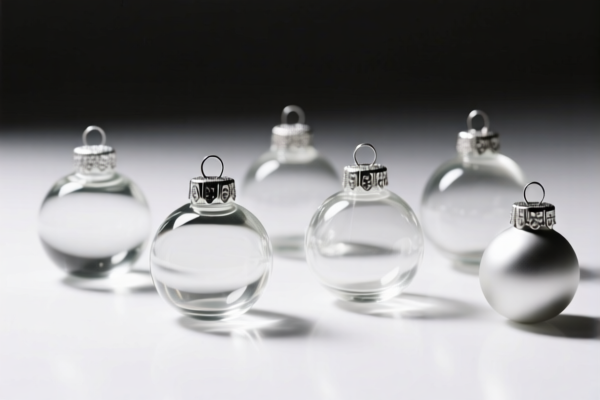


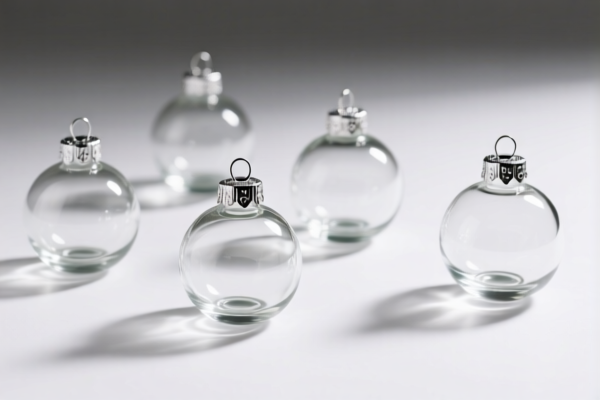
AI Analysis
🎨 Handmade Small Ornaments: HS Code Classification & Customs Clearance Strategy
🌐 HS Code Reference & Clearance Guide | 2026 Latest Tariff Analysis | Professional Compliance Strategy
📌 I. Product Definition & Classification: What are "Handmade Small Ornaments"?
"Handmade Small Ornaments" is a broad category encompassing decorative items crafted by hand. In international trade, the correct HS Code classification depends strictly on the material and the primary function of the item. Misclassification can lead to significant tariff differences, especially under current US-China trade policies (Section 301 & IEEPA).
⚠️ Key Distinction Points:
- Material Matters: Wood, Plastic, Metal, Glass, or Textile?
- Function Matters: Are they purely decorative (HS 4420/3926) or are they toys/models (HS 9503)?
- Origin Matters: Most "Handmade" items imported into the US from China are subject to additional tariffs.
📦 II. HS Code Classification Matrix (2026 Latest Tariff Data)
Based on the provided dataset, here are the 5 possible classifications for "Handmade Small Ornaments":
| HS Code | Product Description | Primary Material | Key Characteristics | Total Tax Rate (China Origin) |
|---|---|---|---|---|
4420.19.00.00 |
Wooden ornaments, suitable for handmade small ornaments | 🪵 Wood | Decorative, non-toy, solid wood or carved wood. | 13.2% |
4420.90.80.00 |
Other wooden ornaments, suitable for handmade small ornaments | 🪵 Wood | Other wood products, not elsewhere specified. | 38.2% |
3926.40.00.90 |
Other ornaments of plastics or other materials | 🧱 Plastic | Plastic figurines, resin decorations, synthetic materials. | 15.3% |
9503.00.00.73 |
Scaled models & similar recreational models | 🧸 Mixed/Material | Specifically classified as toys/models (e.g., miniatures). | 10.0% |
9503.00.00.71 |
Model kits & puzzles | 🧩 Mixed/Material | Classified as toys/puzzles (e.g., DIY model kits). | 10.0% |
🔍 Critical Note:
- Wooden items are split between4420.19(13.2%) and4420.90(38.2%). The distinction often lies in the specific type of wood or processing method.
- Plastic items fall under3926.40(15.3%).
- Toys/Models fall under9503series (10.0%). If your "ornament" is actually a toy (e.g., a dollhouse figure sold as a toy), it may be reclassified here.
💰 III. 2026 Tariff Rate Breakdown (Detailed Tax Analysis)
✅ Applicable Country: United States (US)
✅ Origin: China (CN)
✅ Policy: Section 301 Tariffs + IEEPA (122 Clause)
🎯 1. 4420.19.00.00 – Wooden Ornaments (Light Tax)
| Item | Content |
|---|---|
| Base Tariff | 3.2% |
| Section 301 (Add-on) | 0.0% |
| IEEPA (122 Clause) | 10.0% |
| Total Rate | 13.2% |
| De Minimis Exemption | ❌ Not Applicable (For China origin goods >$800, de minimis is generally suspended/subject to scrutiny for Section 301 goods). |
| Legal Basis | USITC 4420.19.00.00 → IEEPA 9903.01.25 |
📌 Explanation:
- This is the most favorable rate for wooden ornaments.
- The "0.0% Section 301" indicates this specific subheading may have been excluded or has a lower add-on in the current dataset.
- Total Cost: CIF Value × 13.2%.
🎯 2. 4420.90.80.00 – Other Wooden Ornaments (Heavy Tax)
| Item | Content |
|---|---|
| Base Tariff | 3.2% |
| Section 301 (Add-on) | 25.0% |
| IEEPA (122 Clause) | 10.0% |
| Total Rate | 38.2% |
| De Minimis Exemption | ❌ Not Applicable |
| Legal Basis | USITC 4420.90.80.00 → Section 301 9903.88.01 → IEEPA 9903.01.25 |
📌 Explanation:
- This code carries the highest burden.
- The 25% Section 301 tariff is the standard penalty for many Chinese wooden goods.
- Warning: If you classify your wooden ornament here, your cost jumps by 25 percentage points compared to4420.19.
🎯 3. 3926.40.00.90 – Plastic Ornaments (Moderate Tax)
| Item | Content |
|---|---|
| Base Tariff | 5.3% |
| Section 301 (Add-on) | 0.0% |
| IEEPA (122 Clause) | 10.0% |
| Total Rate | 15.3% |
| De Minimis Exemption | ❌ Not Applicable |
| Legal Basis | USITC 3926.40.00.90 → IEEPA 9903.01.25 |
📌 Explanation:
- Plastic ornaments benefit from a 0% Section 301 add-on in this dataset.
- Base tariff is higher (5.3% vs 3.2%), but total rate (15.3%) is still significantly lower than heavy wood tariffs (38.2%).
🎯 4. 9503.00.00.73 & 71 – Toys/Models (Low Tax)
| Item | Content |
|---|---|
| Base Tariff | 0.0% |
| Section 301 (Add-on) | 0.0% |
| IEEPA (122 Clause) | 10.0% |
| Total Rate | 10.0% |
| De Minimis Exemption | ❌ Not Applicable (Subject to specific toy regulations) |
| Legal Basis | USITC 9503.00.00.73/71 → IEEPA 9903.01.25 |
📌 Explanation:
- Lowest Total Rate (10%).
- Crucial Condition: The item must genuinely be a toy, model, or puzzle.
- If an item is merely a decorative figurine (not sold as a toy/model), classifying it under9503is high-risk and may trigger an audit.
🛠️ IV. Customs Clearance Practical Advice
✅ 1. Documentation Checklist (Essential for Audit Proof)
| Document | Requirement | Notes |
|---|---|---|
| Product Description | Must specify Material (e.g., "Solid Pine Wood", "ABS Plastic") | Vague terms like "Craft" lead to delays. |
| Material Declaration | Explicitly state composition % | Critical for distinguishing 4420 (Wood) vs 3926 (Plastic). |
| Function Statement | "For Decorative Use Only" OR "Assembled Toy Model" | Do not label a decorative item as a "Toy" if it lacks safety certifications. |
| Photos | High-res images showing texture, seams, and finishes | Helps CBP distinguish between "Wooden Ornament" and "Wooden Toy". |
| Commercial Invoice | Clearly list HS Code and Country of Origin (China) | Ensure origin matches IEEPA rules. |
✅ 2. Classification Strategy (How to Choose)
| Scenario | Recommended HS Code | Why? |
|---|---|---|
| Solid Wood Carving (e.g., wooden angel, animal figurine) | 4420.19.00.00 |
Lowest tax (13.2%) for wood. Avoid 4420.90 (38.2%). |
| Plastic/Resin Figurine (e.g., Christmas bauble, figurine) | 3926.40.00.90 |
Lower tax (15.3%) vs wood. Ensure it's not classified as "Toy". |
| DIY Model Kit (e.g., miniature house you build) | 9503.00.00.71 |
Lowest tax (10.0%). Must be sold as a kit/toy. |
| Pre-assembled Miniature (e.g., detailed dollhouse figure) | 9503.00.00.73 |
Lowest tax (10.0%). Must be clearly a "recreational model". |
| Mixed Material (Wood base + Plastic parts) | 4420.19.00.00 |
Generally follows the essential character (Wood). |
✅ 3. Risk Mitigation Tips
- Avoid "De Minimis" Abuse: Under current regulations, shipments from China valued over $800 (de minimis) are not exempt from Section 301 and IEEPA tariffs for these goods. Ensure your LDP (Landed Duty Paid) calculations include these taxes.
- Be Careful with "Toy" Classification: If you classify a decorative ornament under
9503(10%) but CBP determines it's a decorative item (should be 13.2% or 38.2%), you may face penalties for misdeclaration. Only use9503if it genuinely meets the definition of a toy/model. - Wood Processing Matters: If your wood product is unfinished or processed in a specific way, ensure it doesn't fall under
4420.90.80.00(38.2%). Provide technical specs to support4420.19.00.00.
🌍 V. Global Market Comparison (2026)
| Region | Recommended HS Code | Approx. Tax (China Origin) | Notes |
|---|---|---|---|
| 🇺🇸 USA | 4420.19 / 3926.40 / 9503 |
10% - 38.2% | Subject to Section 301 + IEEPA. |
| 🇨🇳 China | Same HS Codes | 0% - 5% | Low import duty, but export tax may apply. |
| 🇪🇺 EU | Similar HS Codes | 0% - 6% | No Section 301 tariffs. CE marking required for toys. |
| 🇬🇧 UK | Similar HS Codes | 0% - 5% | Post-Brexit tariffs apply. |
📌 Conclusion:
- The US market is the most expensive due to dual tariffs (Section 301 + IEEPA).
- Plastic ornaments (3926.40) and Wooden ornaments (4420.19) are the most common and manageable categories.
- Toy classifications (9503) offer the lowest tax but require strict adherence to "toy" definitions.
📌 VI. Common Mistakes & Pitfalls
❌ Mistake 1: Classifying all wooden items as 4420.90.80.00 (38.2%) when they qualify for 4420.19.00.00 (13.2%).
👉 Fix: Review the specific wood type and processing. Many "other" wooden ornaments still qualify for the lower rate if they are standard decorative items.
❌ Mistake 2: Calling a decorative figurine a "Toy" to get 10% tax.
👉 Fix: If it has no moving parts, no educational value, and is marketed as decor, it must be classified under 4420 or 3926. Misclassification leads to audits.
❌ Mistake 3: Assuming De Minimis applies to China-origin goods.
👉 Fix: For China, de minimis exceptions for Section 301 goods are largely lifted or heavily scrutinized. Include all taxes in your pricing model.
🎯 VII. Final Recommendation
🎯 Golden Rule:
"Material Defines Code, Function Defines Rate, Origin Defines Risk."
- For Wood: Aim for
4420.19.00.00(13.2%). Avoid4420.90.80.00(38.2%). - For Plastic: Use
3926.40.00.90(15.3%). - For Toys/Models: Use
9503.00.00.71/73(10.0%) ONLY if they are genuine toys.
📌 Pro Tip:
Always request an Advance Ruling from US CBP if you are importing high volumes. It provides legal certainty on your HS Code classification and protects you from future audits.
✨ Smart Clearance, Higher Profits!
💼 Correct HS Code = Lower Tariffs = Competitive Edge!
Customer Reviews
About HS Code Classification
The Harmonized System (HS) is an internationally standardized nomenclature developed by the World Customs Organization (WCO) to classify traded products. Over 200 countries use the HS system as the basis for customs tariffs, trade statistics, and import/export regulations.
Each HS code follows a hierarchical structure:
- Chapter (2 digits) — Broad category of goods (e.g., Chapter 84: Machinery and Mechanical Appliances)
- Heading (4 digits) — More specific grouping within the chapter
- Subheading (6 digits) — Internationally standardized breakdown, used by all WCO member countries
- National subdivisions (8-10 digits) — Country-specific extensions for further classification, such as US HTSUS 10-digit codes
Correct HS code classification is essential for smooth customs clearance, accurate duty payment, and compliance with trade regulations. Misclassification can lead to customs delays, overpayment of duties, or penalties.
When importing from CN to US, the applicable tariff rates may include:
- Most-Favored-Nation (MFN) rate — The standard duty rate applied to WTO members
- General rate — Applied to countries without trade agreements
- Trade remedy duties — Additional tariffs such as Section 301 (anti-dumping), Section 232 (national security), or countervailing duties
The information provided on this page is for reference purposes only. For official classification, please consult with your local customs authority or a licensed customs broker.