Handmade Soap Tools
CN → USProduct Images
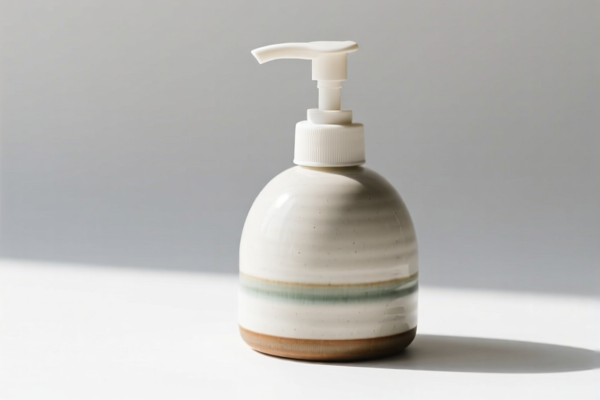
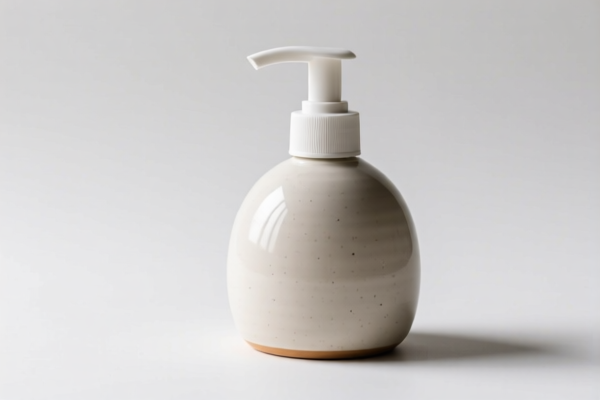
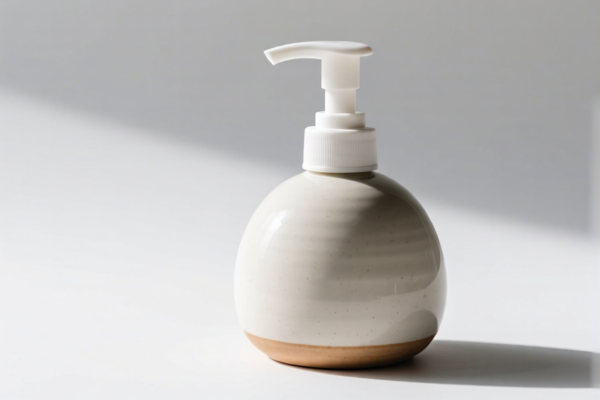
AI Analysis
🧼 Handmade Soap Tools (Cosmetic Manufacturing Equipment)
🌐 HS Code Reference & Customs Clearance Guide | 2026 Latest Tariff Analysis | Professional Compliance Strategy
📌 I. Product Definition & Classification: What Exactly Are "Soap Tools"?
"Handmade Soap Tools" is a broad category that encompasses the equipment, molds, and accessories used in the artisanal or small-scale production of soap. In international trade, these items are not classified as "chemical products" or "soap" itself, but rather as manufacturing equipment, molds, or plastic articles depending on their material and function.
Key Distinctions: 1. Molds (Forms): Used to shape the soap. These are typically made of silicone, plastic, or wood. * Silicone/Plastic Molds: Classified based on material (e.g., Plastics, Rubber). * Wooden Molds: Classified based on material (e.g., Wood articles). 2. Cutting/Slicing Tools: Wire cutters, cookie-cutter shapes, or knives used for cutting soap loaves. * Metal Cutters: Classified as other metal tools. * Plastic/Acrylic Cutters: Classified as plastic articles. 3. Mixing/Processing Equipment: Handheld mixers, scales, or bowls specifically designed for soap making. * Electric Mixers: Classified as household electric appliances. * Non-Electric Scales: Classified as balances/scales.
⚠️ Critical Classification Point:
- Molds: Generally fall under Chapter 39 (Plastics) or Chapter 40 (Rubber) if they are flexible silicone/plastic.
- Cutting Tools: If metal and handheld, they may fall under Chapter 82 (Tools).
- Accessories (Bottles, Labels): These are often separate HS codes (3926.90 for plastic accessories) and should not be lumped into the main tool code unless sold as a complete kit without separate pricing.
📦 II. Detailed HS Code Classification (2026 Latest Tariff Alignment)
| HS Code | Product Description | Applicable Scenario | Material |
|---|---|---|---|
3926.90.99.90 |
Other articles of plastics (including soap molds) | Silicone/Plastic soap molds, plastic spatulas, plastic soap dishes | ✅ Plastic/Silicone |
4016.93.00.00 |
Other vulcanized rubber goods (including soap molds) | Heavy-duty rubber molds (less common for handmade soap) | ✅ Rubber |
8215.99.00.00 |
Other cutlery and parts thereof (including wire cutters) | Metal wire soap cutters, metal spatulas | ✅ Metal |
8205.59.00.00 |
Other hand tools (including scrapers, polishers) | Non-electric manual tools for soap processing | ✅ Metal/Other |
9619.00.00.00 |
Sanitary towels and similar articles (including soap) | ⚠️ Note: Do NOT classify tools here. This is for finished soap, not tools. | ❌ N/A |
3924.10.00.00 |
Tableware and kitchenware, of plastics | Plastic soap bowls, mixing bowls, measuring cups | ✅ Plastic |
🔍 Key Reminder:
- Silicone Molds: Most handmade soap molds are silicone. These are usually classified as "Other articles of vulcanized rubber other than hard rubber" (4016.93) OR "Other articles of plastics" (3926.90) depending on whether the silicone is treated as rubber or plastic in the destination country. Most commonly, silicone soap molds are declared under 3926.90 or 4016.93.
- Wire Cutters: Metal wire cutters for soap are often declared under 8215.99 (cutlery) or 8205 (hand tools).
- Complete Kits: If a kit includes molds, cutters, and bowls, customs may require breakdown by component. Lumping them into one code is risky.
💰 III. 2026 Latest Tariff Rate Details (Including Surcharges)
✅ Applicable Country: United States (US)
✅ Origin: China (CN)
✅ Effective Date: November 10, 2025 onwards (including subsequent imports)
🎯 1. 3926.90.99.90 – Other Articles of Plastics (Soap Molds, Spatulas)
| Item | Content |
|---|---|
| Base Tariff Rate | 3.4% (ad valorem) |
| USITC Additional Tariff | +25% (Under USITC Footnote 9903.88.01 – Section 301) |
| IEEPA Additional Tariff | +10% (Against China/HK products, effective Nov 10, 2025) |
| Total Tariff Rate | 38.4% |
| Tax Calculation | CIF Value × 38.4% |
| De Minimis Eligibility | ❌ Not Eligible (deny_de_minimis for Section 301 goods) |
| Legal Basis Path | IEEPA:9903.01.25 → USITC:3926.90.99.90 → FOOTNOTE:9903.88.01 |
📌 Explanation:
- Plastics articles from China face a cumulative burden of 38.4%.
- This includes the standard 3.4% MFN rate, plus 25% under Section 301, plus 10% under IEEPA.
- High Cost Alert: This makes exporting low-value plastic soap tools to the US highly unprofitable unless the margin is significant.
🎯 2. 4016.93.00.00 – Other Vulcanized Rubber Goods (Silicone Molds)
| Item | Content |
|---|---|
| Base Tariff Rate | 3.9% (ad valorem) |
| USITC Additional Tariff | +25% (Under USITC Footnote 9903.88.01 – Section 301) |
| IEEPA Additional Tariff | +10% (Against China/HK products, effective Nov 10, 2025) |
| Total Tariff Rate | 38.9% |
| Tax Calculation | CIF Value × 38.9% |
| De Minimis Eligibility | ❌ Not Eligible |
| Legal Basis Path | IEEPA:9901.25 → USITC:4016.93.00.00 → FOOTNOTE:9903.88.01 |
📌 Note:
- Silicone is often classified under Chapter 40 (Rubber). The rate is slightly higher than plastics (3.9% vs 3.4%), but the surcharge impact is identical.
- Total effective rate: 38.9%.
- Strategic Insight: If your product is truly silicone, do not declare it as "plastic" to save 0.5%. Customs audits may reject this, leading to penalties. Be accurate.
🎯 3. 8215.99.00.00 – Metal Cutters (Soap Wire Cutters)
| Item | Content |
|---|---|
| Base Tariff Rate | 5.6% (ad valorem) |
| USITC Additional Tariff | +25% (Under USITC Footnote 9903.88.01 – Section 301) |
| IEEPA Additional Tariff | +10% (Against China/HK products, effective Nov 10, 2025) |
| Total Tariff Rate | 40.6% |
| Tax Calculation | CIF Value × 40.6% |
| De Minimis Eligibility | ❌ Not Eligible |
| Legal Basis Path | IEEPA:9903.01.24 → USITC:8215.99.00.00 → FOOTNOTE:9903.88.01 |
📌 Explanation:
- Metal tools are subject to higher base tariffs.
- Total effective rate: 40.6%.
- This is even higher than plastic/silicone molds. Consider if these can be bundled with molds or if the margin supports it.
🛠️ IV. Customs Clearance Practical Advice (Battle-Tested Pitfall Guide)
✅ 1. Documentation Checklist (Essential)
| Document | Must Provide | Explanation |
|---|---|---|
| ✅ Product Photos | ✔️ | Clear images of molds, cutters, and any branding. Show silicone texture or metal finish. |
| ✅ Material Declaration | ✔️ | Explicitly state: "100% Silicone," "Food-Grade Plastic," "Stainless Steel Wire." |
| ✅ Composition List | ✔️ | If a kit, list each item separately (e.g., 1x Mold, 1x Cutter, 1x Bowl). |
| ✅ Commercial Invoice | ✔️ | Description must be specific: "Silicone Soap Mold, Food Grade" NOT just "Soap Tools." |
| ✅ Packing List | ✔️ | Include weight and dimensions. Helps customs assess value. |
| ✅ FDA/CSA Compliance (if applicable) | ✔️ | Since these contact food/cosmetics, a declaration of "Food Grade" or "FDA Compliant" material helps avoid cosmetic/food safety audits. |
✅ 2. Declaration Tactics (Key Mantra)
🔥 "Material First, Function Second, Kit Breakdown, Avoid Lumping!"
| Scenario | Correct Declaration | Wrong Practice |
|---|---|---|
| Silicone Mold | 4016.93.00.00 or 3926.90.99.90 |
"Soap Mold" vague description → Audit risk |
| Plastic Spatula | 3926.90.99.90 |
"Kitchen Tool" → Misclassification |
| Metal Wire Cutter | 8215.99.00.00 |
"Soap Cutter" → May be rejected if not specified as metal |
| Full Kit (Mold + Cutter) | Split Invoice for each item | Single invoice for "Kit" → Potential reclassification penalty |
✅ 3. Special Cases & Handling
| Case | Handling Advice |
|---|---|
| OEM Custom Molds | Provide mold design drawings. Customs may classify as "Molds for Plastic/Rubber" under different codes if specifically designed for industrial use. For handmade soap, stick to general articles. |
| Wooden Molds | Classify under Chapter 44 (Wood). Tariffs may differ. Check specific HTS for "Wooden articles." |
| Electrified Soap Melter | If it has a heating element, it falls under Chapter 85 (Electrical Appliances), not Chapter 39/40. Tariffs differ significantly. |
| Sample Shipments | Still subject to de minimis rules. If value > $800, full declaration required. |
🌍 V. Global Market Comparison (2026 Latest)
| Country/Region | Recommended HS Code | Tariff (China Origin) | Certification Required | Notes |
|---|---|---|---|---|
| 🇺🇸 USA | 3926.90 or 4016.93 |
38.4% - 38.9% | FDA (Material Safety) | Highest tariffs due to Section 301 + IEEPA. |
| 🇨🇳 China | 3926.90 |
5% - 10% | CCC (if electrical) | Lower tariffs, but domestic competition is fierce. |
| 🇪🇺 EU | 3926.90 |
0% - 4% | REACH + LFGB (Food Contact) | No Section 301 tariffs. EU is more tariff-friendly for these items. |
| 🇬🇧 UK | 3926.90 |
0% - 4% | UKCA + FSA | Post-Brexit rules apply. Generally lower than US. |
| 🇦🇺 Australia | 3926.90 |
5% | ACCC | No major surcharges. |
| 🇯🇵 Japan | 3926.90 |
0% - 6% | PSE (if electrical) | No additional surcharges. |
📌 Conclusion:
- USA is the most expensive market for handmade soap tools due to the 35-40% cumulative tariff burden.
- EU and UK are significantly more favorable for these goods, with tariffs often under 5%.
- Strategy: If targeting the US, consider sourcing from non-China countries (e.g., Vietnam, Thailand) to leverage IEEPA exemptions or lower Section 301 rates.
📌 VI. Common Mistakes & Pitfall Guide (Lessons Learned)
❌ Mistake 1: Declaring "Silicone" as "Plastic"
👉 Consequence: If caught, customs may penalize for misdeclaration. However, some traders do this to avoid Chapter 40 complexities. Risk: High.
❌ Mistake 2: Lumping a Kit into One Line Item
👉 Consequence: If the kit contains a metal cutter (8215) and a plastic mold (3926), customs may demand split classification. If you declare it all as plastic, the metal part is misclassified → Fines + Back Tariffs.
❌ Mistake 3: Using "Soap" in the Description
👉 Consequence: Confusion with finished soap (HS 3401). Customs may hold the shipment for clarification. Always use "Mold," "Tool," or "Accessory."
❌ Mistake 4: Ignoring IEEPA 10% Surcharge
👉 Consequence: Many importers still calculate only the 25% Section 301 rate. The additional 10% since Nov 2025 means your cost is now 35-40%, not 25-30%. Profit margins may vanish.
✅ Correct Approach:
"Silicone Soap Mold, Food Grade, BPA Free, 12-Cavity, Made in China"
🎯 VII. Conclusion: Smart Declaration, Cost Control, Efficiency!
🎯 Remember the Mantra:
🔹 "Material Dictates Code, Kit Needs Breakdown, US Tariffs are High, EU is Lower."
🔹 "HS Code Determines Tax, 38% is the New Reality for US Imports."
📌 Pro Tip:
If you are exporting to the US, consider:
1. Transshipment: Route goods through Vietnam or Mexico (if substantial transformation occurs) to avoid IEEPA surcharges.
2. Value-Added Services: Increase the value of other components (e.g., packaging, branding) to dilute the tax base of the tool itself.
3. Pre-Ruling: Apply for a Binding Ruling from US CBP if your product is unique (e.g., wooden molds) to get certainty before shipping.
📣 Immediate Action:
📞 Consult with a Customs Broker + Provide Material Specs + Re-evaluate US Pricing Strategy
🚀 Ensure Compliance, Avoid Penalties, Protect Profits!
✨ Professional Clearance Starts with Accurate Classification!
💼 Every Percentage Point Counts in 2026 Tariffs!
Customer Reviews
About HS Code Classification
The Harmonized System (HS) is an internationally standardized nomenclature developed by the World Customs Organization (WCO) to classify traded products. Over 200 countries use the HS system as the basis for customs tariffs, trade statistics, and import/export regulations.
Each HS code follows a hierarchical structure:
- Chapter (2 digits) — Broad category of goods (e.g., Chapter 84: Machinery and Mechanical Appliances)
- Heading (4 digits) — More specific grouping within the chapter
- Subheading (6 digits) — Internationally standardized breakdown, used by all WCO member countries
- National subdivisions (8-10 digits) — Country-specific extensions for further classification, such as US HTSUS 10-digit codes
Correct HS code classification is essential for smooth customs clearance, accurate duty payment, and compliance with trade regulations. Misclassification can lead to customs delays, overpayment of duties, or penalties.
When importing from CN to US, the applicable tariff rates may include:
- Most-Favored-Nation (MFN) rate — The standard duty rate applied to WTO members
- General rate — Applied to countries without trade agreements
- Trade remedy duties — Additional tariffs such as Section 301 (anti-dumping), Section 232 (national security), or countervailing duties
The information provided on this page is for reference purposes only. For official classification, please consult with your local customs authority or a licensed customs broker.