Hard Plastic Briefcase
CN → US| HS Code | Tariff Rate | Origin | Destination | Doc |
|---|---|---|---|---|
| 3926909989 | 22.8% | CN | US | Official Doc |
| 4202122910 | 55.0% | CN | US | Official Doc |
| 4202122120 | 55.0% | CN | US | Official Doc |
Product Images
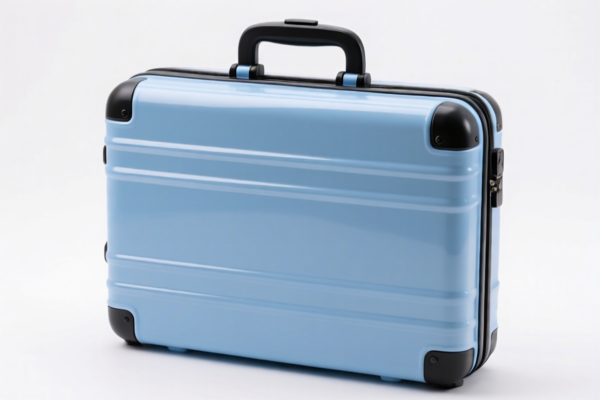
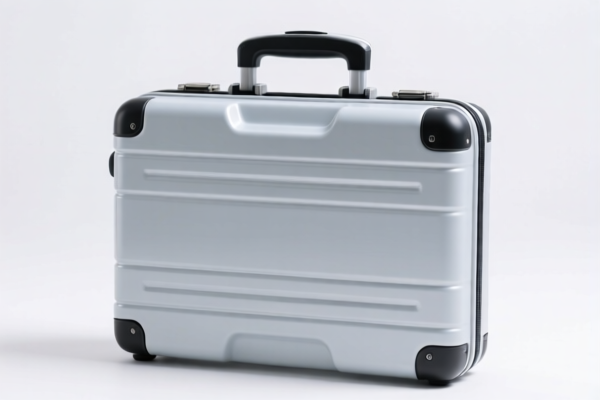
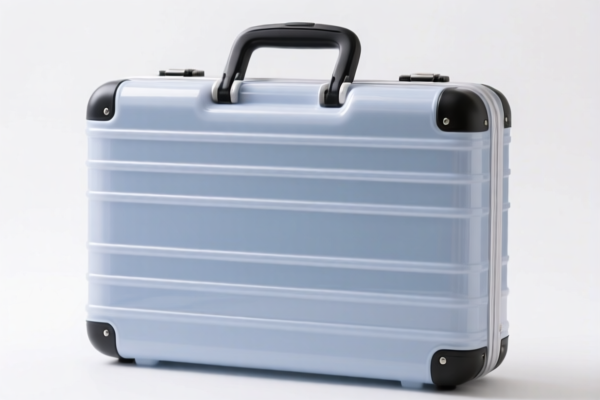
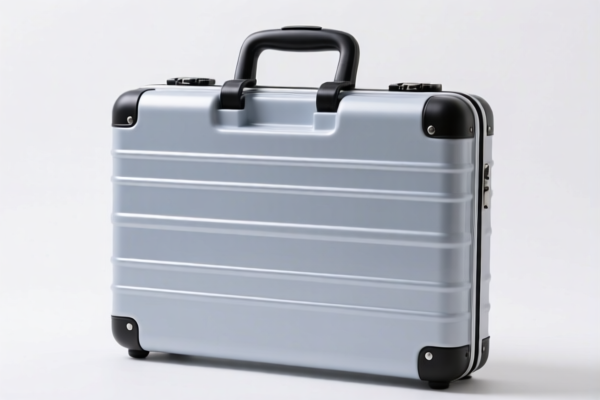
AI Analysis
💼 Hard Plastic Briefcase (Rigid Plastic Satchels)
🌐 HS Code Reference & Customs Clearance Guide | 2024 Latest Tariff Analysis | Strategic Classification Strategy
📌 I. Product Definition & Classification: What Exactly Is a "Hard Plastic Briefcase"?
A Hard Plastic Briefcase is a rigid container used for carrying documents, laptops, and professional essentials. In international trade, the classification hinges on two critical factors: 1. Material Composition: Is it primarily plastic or a composite? 2. Structure & Purpose: Is it a finished article of heading 4202 (articles of leather, plastic sheeting, etc.) or a generic plastic article (heading 3926)?
⚠️ Key Distinction: - If the briefcase is structured, shaped, and designed specifically for carrying items (like a hard-shell laptop case or office satchel), it generally falls under Heading 4202 (Articles of travel, sports bags, etc.). - If it is considered a generic molded plastic item without specific "bag" characteristics or structural rigidity defined under 4202, it may fall under Heading 3926 (Other articles of plastic).
📦 II. HS Code Classification Details (Based on Provided Data)
| HS Code | Product Description | Key Characteristics | Total Tax Rate (China to US) | Tax Breakdown |
|---|---|---|---|---|
| 3926.90.99.89 | Hard Plastic Briefcase (Generic Plastic Article) | Material: Plastic. Classified as "Other articles of plastics." | 22.8% | Base Tariff: 5.3% Section 301 (Additional): 7.5% Section 122 Tariff: 10% |
| 4202.12.29.10 | Hard Plastic Briefcase (Specific Plastic Sheet) | Material: Plastic. Form: Rigid. Purpose: Briefcase/Satchel. | 55.0% | Base Tariff: 20.0% Section 301 (Additional): 25.0% Section 122 Tariff: 10% |
| 4202.12.21.20 | Hard Plastic Briefcase (Shaped/Rigid Structure) | Material: Plastic. Form: Rigid, molded, structured. Purpose: Briefcase. | 55.0% | Base Tariff: 20.0% Section 301 (Additional): 25.0% Section 122 Tariff: 10% |
🔍 Critical Insight: - The majority tariff rate is 55.0% for items classified under Heading 4202. - Only one specific classification (3926.90.99.89) offers a significantly lower rate (22.8%), but it relies on arguing the item is a generic "other plastic article" rather than a specific "article of plastics" (like a bag). - Risk: Misclassifying a 4202 item as 3926 can lead to severe penalties, back taxes, and shipment delays.
💰 III. Detailed Tariff Rate Analysis (China Origin to US)
✅ Applicable Country: United States (US)
✅ Country of Origin: China (CN)
✅ Relevant Sections: Section 301 (Trade Act of 1974) & Section 122 (Trade Facilitation and Trade Enforcement Act)
🎯 1. 3926.90.99.89 – The "Lower Rate" Classification
| Item | Detail |
|---|---|
| Base Tariff | 5.3% |
| Section 301 (Addtl.) | +7.5% |
| Section 122 Tariff | +10.0% |
| Total Effective Rate | 22.8% |
| Calculation | CIF Value × 22.8% |
| De Minimis Exemption? | ❌ No (Deny de minimis for Section 301 items) |
| Legal Path | USITC:3926.90.99.89 → Section 301 Footnote → Section 122 |
📌 Explanation: - This rate is significantly lower than the 55% rate for Heading 4202. - However, it applies only if the briefcase is not considered a "bag" or "satchel" under Chapter 42. This is a risky classification for standard briefcases.
🎯 2. 4202.12.29.10 & 4202.12.21.20 – The "Standard" Classification
| Item | Detail |
|---|---|
| Base Tariff | 20.0% |
| Section 301 (Addtl.) | +25.0% |
| Section 122 Tariff | +10.0% |
| Total Effective Rate | 55.0% |
| Calculation | CIF Value × 55.0% |
| De Minimis Exemption? | ❌ No |
| Legal Path | USITC:4202.12.xxxxx → Section 301 Footnote → Section 122 |
📌 Explanation: - Heading 4202 covers "Articles of travel, suitcases, handbags, sample cases, wallet cases, and similar containers." - Subheading 4202.12 specifies "With outer surface of plastics or of textile materials." - Both 4202.12.29.10 and 4202.12.21.20 incur the 25% Section 301 tariff, which is the highest standard rate for many Chinese goods. - Difference between the two: -
4202.12.29.10: Generic "other" plastic briefcases. -4202.12.21.20: Specifically "rigid, molded, shaped" briefcases. - Both carry the same 55% total tax burden.
🛠️ IV. Customs Clearance Practical Advice
✅ 1. Documentation Checklist
| Document | Required | Purpose |
|---|---|---|
| Commercial Invoice | ✔️ | Must clearly state "Hard Plastic Briefcase," material, and HS Code. |
| Product Photos | ✔️ | Show structure, rigidity, and any branding. |
| Material Declaration | ✔️ | Confirm 100% plastic composition (no leather/metal dominant parts). |
| Structure Diagram | ✔️ | Prove it is a "bag-like" article (4202) vs. a generic container (3926). |
| FCC/CE Certificates | ✔️ | If electronic components are embedded (e.g., GPS tracker). |
✅ 2. Classification Strategy & Tips
🔥 "Rigid ≠ Generic" – The Golden Rule
Scenario Recommended HS Code Tax Rate Reason Standard hard-shell briefcase (laptop/office) 4202.12.29.10 or 4202.12.21.20 55.0% Clearly a "briefcase" under Chapter 42. Unstructured plastic box/container 3926.90.99.89 22.8% Only if it lacks bag-like features (handles, zippers, specific shaping). Mixed Material (Plastic + Leather) 4202.12.29.10 55.0% If plastic is the outer surface, 4202 applies. ⚠️ Warning: - Do NOT attempt to classify a standard briefcase as 3926.90.99.89 to save taxes unless it truly lacks the characteristics of a "bag" (e.g., it’s just a plastic shell without interior lining, handles, or closure mechanisms typical of a briefcase). - CBP (Customs and Border Protection) frequently audits these classifications. If they deem it a "briefcase," they will reclassify to 4202 and assess back taxes + penalties.
✅ 3. Cost Optimization Suggestions
- Pre-Ruling: Apply for a Binding Tariff Information (BTI) or US CBP Ruling before shipment to confirm the correct HS Code. This provides legal protection against penalties.
- Supply Chain Diversification: Consider sourcing from non-China countries (e.g., Vietnam, Mexico) if the 55% tariff is prohibitive, as Section 301 duties may not apply or be lower.
- Product Design Modification: If possible, design the case to include non-plastic dominant materials (e.g., fabric exterior with plastic frame) to potentially shift classification, though this is complex and requires expert analysis.
🌍 V. Global Market Comparison (2024)
| Market | Recommended HS Code | Est. Total Tariff (China) | Notes |
|---|---|---|---|
| 🇺🇸 United States | 4202.12.29.10 / 4202.12.21.20 |
55.0% | Highest duty due to Section 301 + Section 122. |
| 🇨🇳 China (Import) | 4202.12.29.10 |
~5-10% | Lower base duty, no Section 301. |
| 🇪🇺 European Union | 4202.12.00 |
~4.5% | No Section 301 equivalent, but subject to EU anti-dumping if applicable. |
| 🇬🇧 United Kingdom | 4202.12.00 |
~4.5% | Similar to EU post-Brexit. |
📌 Conclusion: - The US market is the most expensive for Chinese-made plastic briefcases due to the 55% total tariff. - The 22.8% rate (3926.90.99.89) is a potential loophole but high-risk for standard briefcases. - For legitimate compliance, expect to pay 55% unless you can prove the item is not a "bag" under Chapter 42.
📌 VI. Common Mistakes & Pitfalls (Learn from Others' Errors)
❌ Mistake 1: Classifying all plastic cases as 3926.90.99.89 to save 32.2% in tariffs.
👉 Consequence: CBP reclassification, seizure of goods, and heavy penalties.
❌ Mistake 2: Ignoring Section 122 Tariffs. 👉 Consequence: Underestimating total landed cost by 10%.
❌ Mistake 3: Mixing "Plastic Shell" with "Leather Interior" and misdeclaring material. 👉 Consequence: Misclassification under 4202 vs. 4203, leading to additional duties.
✅ Best Practice:
"Always declare as 4202.12.xxxxx for structured briefcases. Verify with CBP if the item truly lacks 'bag-like' features before attempting the 3926 classification."
🎯 VII. Final Verdict & Action Plan
🎯 Summary:
- Most Likely HS Code: 4202.12.29.10 or 4202.12.21.20
- Total Tax Rate: 55.0%
- Risk Level: High (due to high tariff and strict classification rules)
🚀 Immediate Actions: 1. Audit Product Design: Does it have handles, zippers, and interior lining? If yes, it’s a 4202 item. 2. Apply for Pre-Ruling: Submit product images and specs to CBP for a binding ruling. 3. Factor into Pricing: Include 55% duty in your landed cost calculation for the US market. 4. Consider Alternatives: Explore sourcing from non-China origins if the 55% tariff erodes margins.
📌 Pro Tip:
"In the world of customs, structure is king. If it looks like a bag, acts like a bag, and has handles, CBP will tax it as a bag (4202). Don’t fight the classification—plan for the tariff."
📣 Need Help?
📞 Contact a licensed customs broker for a Free HS Code Consultation. 📄 Download the CBP Classification Checklist for plastic articles.
✨ Precision in Classification = Profit in Your Pocket! 💼 Stay Compliant, Stay Competitive!
Customer Reviews
About HS Code Classification
The Harmonized System (HS) is an internationally standardized nomenclature developed by the World Customs Organization (WCO) to classify traded products. Over 200 countries use the HS system as the basis for customs tariffs, trade statistics, and import/export regulations.
Each HS code follows a hierarchical structure:
- Chapter (2 digits) — Broad category of goods (e.g., Chapter 84: Machinery and Mechanical Appliances)
- Heading (4 digits) — More specific grouping within the chapter
- Subheading (6 digits) — Internationally standardized breakdown, used by all WCO member countries
- National subdivisions (8-10 digits) — Country-specific extensions for further classification, such as US HTSUS 10-digit codes
Correct HS code classification is essential for smooth customs clearance, accurate duty payment, and compliance with trade regulations. Misclassification can lead to customs delays, overpayment of duties, or penalties.
When importing from CN to US, the applicable tariff rates may include:
- Most-Favored-Nation (MFN) rate — The standard duty rate applied to WTO members
- General rate — Applied to countries without trade agreements
- Trade remedy duties — Additional tariffs such as Section 301 (anti-dumping), Section 232 (national security), or countervailing duties
The information provided on this page is for reference purposes only. For official classification, please consult with your local customs authority or a licensed customs broker.