Harvesting Machinery
CN → US| HS Code | Tariff Rate | Origin | Destination | Doc |
|---|---|---|---|---|
| 8433510010 | 35.0% | CN | US | Official Doc |
| 8433590010 | 35.0% | CN | US | Official Doc |
Product Images
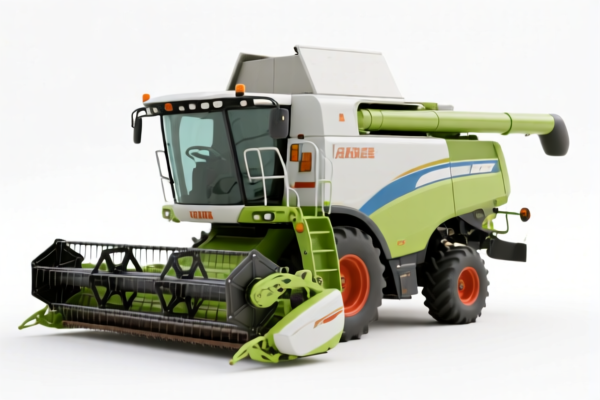
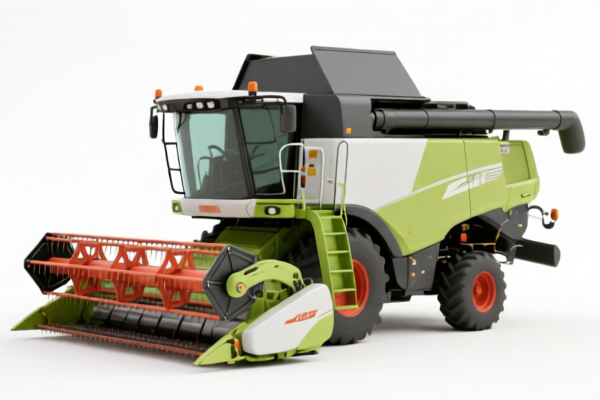
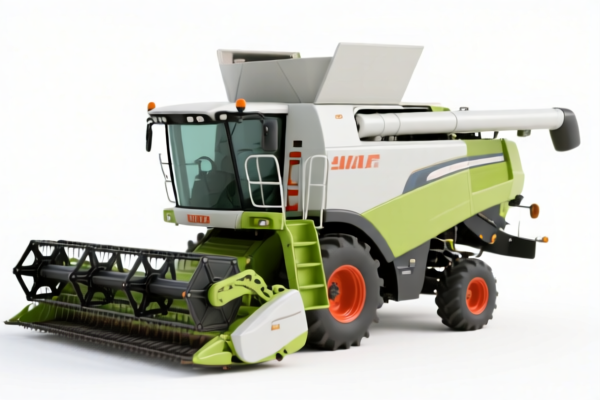
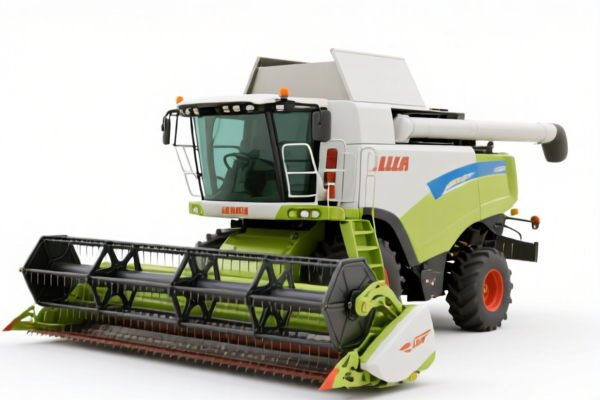
AI Analysis
🚜 Harvesting Machinery (Agricultural Equipment)
🌐 HS Code Reference & Customs Clearance Guide | 2026 Latest Tariff Analysis | Professional Clearance Strategy
📌 I. Product Definition & Classification: Do You Know "Harvesting Machinery"?
Harvesting machinery is the core equipment for efficient agricultural production, covering the entire process from cutting crops to threshing and baling. In international trade, these machines are strictly categorized based on their mechanical function and specific operation method under Chapter 84 (Nuclear Reactors, Boilers, Machinery and Mechanical Appliances).
The two most common categories in current trade data are:
1. Self-Propelled Combine Harvesters (Self-propelled Combine Harvester-threshers)
These are high-complexity, large-scale machines that integrate cutting, threshing, and cleaning functions into a single unit, capable of independent movement. They represent the highest level of automation in traditional grain harvesting.
2. Forage Harvesters (Field Forage Harvesters)
These machines are specifically designed for harvesting green fodder, grass, or hay. They typically cut, chop, and sometimes blower the forage into trailers or storage units. Unlike combines, they focus on green feed rather than grain separation.
⚠️ Key Distinction Point:
- If the machine is self-propelled and performs combined harvest-thresh operations for grains → Classified under 8433.51.00.10
- If the machine is designed for forage/grass/hay (often self-propelled but specialized for green feed chopping) → Classified under 8433.59.00.10
- Note: The distinction often lies in the specific design intent (grain vs. forage) and whether it fits the "Combine Harvester" definition in subheading 8433.51.
📦 II. HS Code Classification Details (2026 Latest Tariff Authority Comparison)
| HS Code | Product Description | Application Scenario | Key Feature |
|---|---|---|---|
8433.51.00.10 |
Self-propelled Combine Harvester-threshers | Grain harvesting (wheat, corn, rice), integrated threshing & cleaning | ✅ Self-propelled + Combine/Thresh function |
8433.59.00.10 |
Other Field Forage Harvesters | Forage, grass, hay harvesting, chopping, and loading | ✅ Specialized for forage/green feed |
🔍 Important Reminder:
- Heading 8433 covers "Harvesting or threshing machinery, including straw or fodder balers; grass or hay mowers..." - Subheading 8433.51 specifically targets Combines. If the machine is not a combine harvester (e.g., it’s a forage harvester, swather, or non-self-propelled), it falls under 8433.59 ("Other"). - Parts of these machines are also classified under these headings, but the duty rate applies to the main unit unless specified otherwise for spare parts.
💰 III. 2026 Latest Tariff Rate Breakdown (Including Additional Duties)
✅ Applicable Country: United States (US)
✅ Country of Origin: China (CN)
✅ Effective Date: Current rates as per latest USITC and USTR announcements.
🎯 1. 8433.51.00.10 —— Self-Propelled Combine Harvester-threshers
| Item | Content |
|---|---|
| Base Duty Rate | 0.0% (ad valorem) |
| Section 301 Additional Duty | +25.0% |
| Total Tax Rate | 25.0% |
| Tax Calculation | CIF Value × 25% |
| De Minimis Exemption | ❌ Not Available (Section 301 goods generally excluded from $800 de minimis if subject to 301 duties, though enforcement varies; however, for high-value machinery, de minimis is rarely applicable for commercial shipments). |
| Legal Basis Path | USITC:8433.51.00.10 → USTR:List 3 (Section 301) |
📌 Explanation:
- Combine harvesters are considered high-value industrial/agricultural machinery. - The 25% additional duty is imposed under Section 301 of the Trade Act of 1974, targeting specific Chinese imports to address unfair trade practices. - Total cost impact: High. A $100,000 combine incurs $25,000 in additional duties.
🎯 2. 8433.59.00.10 —— Other Field Forage Harvesters
| Item | Content |
|---|---|
| Base Duty Rate | 0.0% (ad valorem) |
| Section 301 Additional Duty | +2.0% |
| Total Tax Rate | 2.0% |
| Tax Calculation | CIF Value × 2.0% |
| De Minimis Exemption | ❌ Not Available (Subject to Section 301 list). |
| Legal Basis Path | USITC:8433.59.00.10 → USTR:List 3 (Section 301) |
📌 Explanation:
- Forage harvesters are classified under "Other" harvesting machinery. - The additional duty is significantly lower at 2.0%, likely due to different categorization in the USTR lists or specific exemptions for certain agricultural feed equipment. - Total cost impact: Low. A $100,000 forage harvester incurs only $2,000 in additional duties.
🛠️ IV. Customs Clearance Practical Advice (Real-World Pitfall Avoidance Guide)
✅ 1. Required Documentation Checklist (All or Nothing)
| Document | Must Provide | Description |
|---|---|---|
| ✅ Product Specification Sheet | ✔️ | Must clearly state: Self-propelled vs. Draw-behind; Grain vs. Forage; Threshing mechanism details. |
| ✅ Operational Manual | ✔️ | To prove intended use (e.g., "For harvesting green corn silage" vs. "For harvesting wheat"). |
| ✅ Product Photos (Full & Detail) | ✔️ | Show self-propulsion system (wheels/tracks), cutting header, and discharge mechanism. |
| ✅ Commercial Invoice | ✔️ | Must describe the item accurately (e.g., "Self-propelled Combine Harvester, Model X, for Grain Harvesting"). |
| ✅ Packing List | ✔️ | List all accessories, tools, and spare parts included. |
| ✅ Origin Certificate | ✔️ | Essential for determining Section 301 applicability (China-origin triggers extra duties). |
✅ 2. Declaration Techniques (Key Mantras)
🔥 “Function Defines Code, Description Must Match, Origin Triggers Duty!”
| Scenario | Correct Declaration | Wrong Practice |
|---|---|---|
| Machine cuts and threshes grain + moves itself | 8433.51.00.10 (Combine Harvester) | Misdeclare as "Forage Harvester" (2%) → Customs Audit & Penalties! |
| Machine cuts grass/forage + chops + blows | 8433.59.00.10 (Forage Harvester) | Misdeclare as "Combine" (25%) → Overpay 23% Tax! |
| Non-self-propelled mower/baler | 8433.19 or 8433.20 | Misdeclare under 8433.5x → Wrong Category |
| Spare Parts (e.g., cutting blades) | 8433.90 (Parts) | Declare as Main Machine → Major Misclassification |
✅ 3. Special Situation Handling
| Situation | Handling Advice |
|---|---|
| Hybrid Machines | If a machine can do both, consult a customs broker. Generally, if primary function is combine, use 8433.51.00.10. |
| Used Machinery | Provide age, maintenance records, and proof of non-hazardous materials. US Customs may inspect for pests/soil. |
| High Value Shipment | Consider Bonded Warehousing or FTZ (Foreign Trade Zone) entry to defer duty payment until sold/distributed. |
| Origin Shift | If parts are sourced from non-China countries, verify Substantial Transformation rules. May still be Chinese origin if major assembly is in CN. |
🌍 V. Global Main Market Clearance Comparison (2026 Latest)
| Country/Region | Recommended HS Code | Tariff (China Origin) | Certification Requirements | Notes |
|---|---|---|---|---|
| 🇺🇸 USA | 8433.51.00.10 / 8433.59.00.10 |
25% / 2% | EPA (Emissions), CPSC (Safety) | Section 301 duties apply. EPA certification is critical for engines. |
| 🇨🇳 China | 8433.51.00.10 / 8433.59.00.10 |
0% (Import Duty) | CCC (if applicable) | No additional anti-dumping tariffs on these specific codes currently. |
| 🇪🇺 EU | 8433.51.00 / 8433.59.00 |
0% - 2.7% | CE Marking, Stage V Emissions | No Section 301 equivalent. CE certification mandatory. |
| 🇦🇺 Australia | 8433.51.00.00 / 8433.59.00.00 |
0% - 5% | RCM, Asbestos-free declaration | Check for biosecurity restrictions on used equipment. |
| 🇯🇵 Japan | 8433.51.00.000 / 8433.59.00.000 |
0% - 2.0% | PSE (Electrical), JIS Standards | Strict phytosanitary checks for used machinery. |
📌 Conclusion:
- USA has the most complex tariff structure due to Section 301, with a massive gap between Combines (25%) and Forage Harvesters (2%). - EU and Japan are more straightforward, with low base tariffs and focus on environmental/safety certifications (EPA/CE). - Misclassification between 8433.51 and 8433.59 in the US can lead to a 23% tariff difference!
📌 VI. Common Errors & Pitfall Guide (Lessons Learned)
❌ Error 1: Declaring a Combine Harvester as a Forage Harvester to save 23% duty
👉 Consequence: Customs audit, seizure, heavy fines, and blacklisting. The mechanical difference is clear in specs and photos.
❌ Error 2: Ignoring EPA Certification for US Entry
👉 Consequence: The machine will be detained or denied entry at the port. No EPA approval = No clearance for internal combustion engines in the US.
❌ Error 3: Declaring "Harvesting Machine" vaguely
👉 Consequence: Customs will use Responsible Trade to reclassify, potentially applying the highest applicable duty or requesting additional info, causing delays.
❌ Error 4: Forgetting Section 301 Exclusions
👉 Consequence: Some specific agricultural tools may have exclusions. Check if your specific HS code + model is on the USTR Exclusion List. If yes, you might pay 0% additional duty!
✅ Correct Practice:
"Self-Propelled Combine Harvester for Grain Harvesting, Diesel Engine, Model ABC, EPA Certified, HS Code 8433.51.00.10"
🎯 VII. Conclusion: Professional Classification Saves Money!
🎯 Remember the Mantra:
🔹 "Grain + Combine = 25% Duty; Forage + Chop = 2% Duty!"
🔹 "One Letter Difference in Description Can Cost Thousands!"
📌 Pro Tip:
- Always verify if your specific model is eligible for Section 301 Exclusions. The list is updated periodically.
- For Used Machinery, ensure all soil and organic matter are cleaned to avoid APHIS (USDA) rejection.
- Engage a licensed customs broker in the US to pre-clear documentation, especially for EPA compliance.
📣 Immediate Action:
📞 Contact a Professional Customs Broker + Provide Technical Specs + Verify EPA Compliance
🚀 Ensure Your Harvesting Machinery Clears Smoothly, Avoids Fines, and Maximizes Profit!
✨ Professional Clearance Starts with Accurate Classification!
💼 Every Percentage Point of Tariff Matters!
Customer Reviews
About HS Code Classification
The Harmonized System (HS) is an internationally standardized nomenclature developed by the World Customs Organization (WCO) to classify traded products. Over 200 countries use the HS system as the basis for customs tariffs, trade statistics, and import/export regulations.
Each HS code follows a hierarchical structure:
- Chapter (2 digits) — Broad category of goods (e.g., Chapter 84: Machinery and Mechanical Appliances)
- Heading (4 digits) — More specific grouping within the chapter
- Subheading (6 digits) — Internationally standardized breakdown, used by all WCO member countries
- National subdivisions (8-10 digits) — Country-specific extensions for further classification, such as US HTSUS 10-digit codes
Correct HS code classification is essential for smooth customs clearance, accurate duty payment, and compliance with trade regulations. Misclassification can lead to customs delays, overpayment of duties, or penalties.
When importing from CN to US, the applicable tariff rates may include:
- Most-Favored-Nation (MFN) rate — The standard duty rate applied to WTO members
- General rate — Applied to countries without trade agreements
- Trade remedy duties — Additional tariffs such as Section 301 (anti-dumping), Section 232 (national security), or countervailing duties
The information provided on this page is for reference purposes only. For official classification, please consult with your local customs authority or a licensed customs broker.