Hat Accessories
CN → US| HS Code | Tariff Rate | Origin | Destination | Doc |
|---|---|---|---|---|
| 6217108500 | 24.6% | CN | US | Official Doc |
| 7117909000 | 28.5% | CN | US | Official Doc |
| 6217109550 | 32.1% | CN | US | Official Doc |
| 6117809570 | 32.1% | CN | US | Official Doc |
| 6117909095 | 32.1% | CN | US | Official Doc |
Product Images
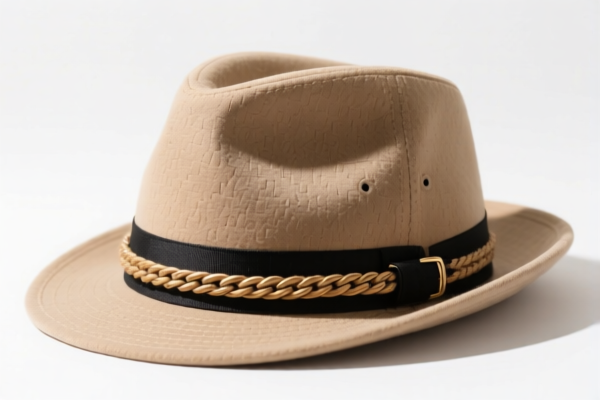
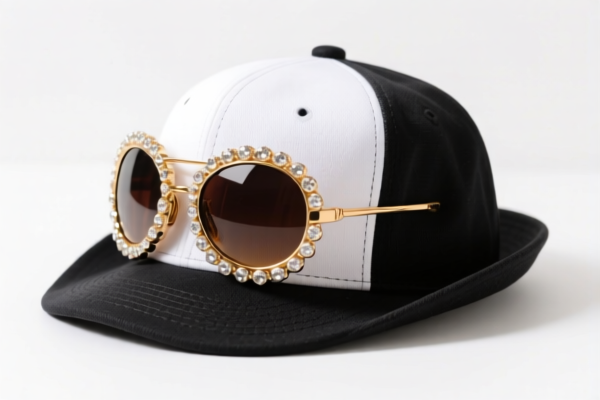
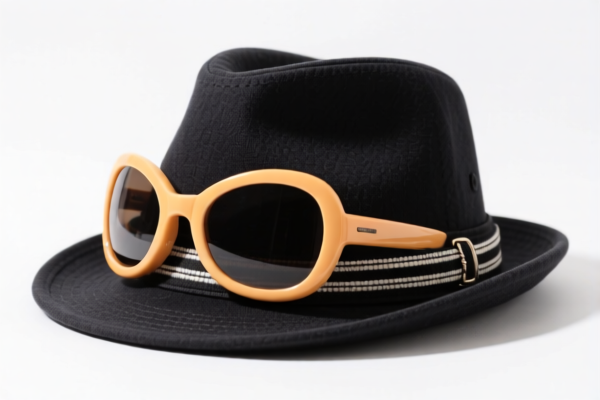

AI Analysis
🎩 Hat Accessories (Headwear Parts & Trims)
🌐 HS Code Reference & Clearance Guide | 2026 Latest Tariff Analysis | Professional Entry Strategy
📌 I. Product Definition & Classification: What Exactly Are "Hat Accessories"?
Hat accessories refer to the various components, trims, and embellishments attached to hats (such as baseball caps, beanies, fedoras, etc.) during manufacturing or customization. In international trade, they are classified based on material composition, function, and specific exclusion rules.
Since "Hat Accessories" is a generic term, it often falls into "catch-all" or "residual" categories depending on the specific material and usage. The following five HS Codes in the data represent the most likely classifications for these items, ranging from basic textile trims to decorative non-metal parts.
⚠️ Key Distinction Point:
- If the item is a textile trim (like woven labels, elastic bands, or fabric patches) → It likely falls under Chapter 62 (Non-knitted or crocheted articles of apparel accessories).
- If the item is a decorative piece (like plastic buttons, rhinestones, or non-precious metal tips) → It may fall under Chapter 71 (Imitation jewelry) or residual chapters.
- Critical Note: Always verify the material. If a hat accessory is made of precious metal or stone, it is excluded from these specific "non-precious" residual codes.
📦 II. HS Code Classification Details (2026 Latest Tariff Authority Match)
Based on the provided data, here are the five potential HS Codes for "Hat Accessories," ranked by likelihood and tax burden.
| HS Code | Product Description (Summary) | Applicable Scenario | Tax Rate (Total) |
|---|---|---|---|
6217.10.85.00 |
Apparel Accessories: Matches ready-made garment attachments. No specific material declared → Uses residual category. | General fabric trims, sew-on patches, generic textile hat bands. | 24.6% |
7117.90.90.00 |
Apparel Accessories: Based on residual principles for non-precious decorative accessories. | Plastic buttons, faux pearls, fabric bows, non-metal embellishments. | 28.5% |
6217.10.95.50 |
Apparel Accessories: Perfectly matches "clothing accessories." No material conflict → Uses residual category. | Specific textile trims that don’t fit other Chapter 62 subheadings. | 32.1% |
6117.80.95.70 |
Apparel Accessories: Matches clothing attachment purpose. Default to non-cotton/wool materials if unspecified. | Knitted hat trims, elastic headbands, non-natural fiber straps. | 32.1% |
6117.90.90.95 |
Apparel Accessories: Matches purpose of clothing accessories and parts. Based on residual principle for accessories. | Loose knitted accessories, generic knit hat parts, no specific material match. | 32.1% |
🔍 Important Reminder:
-6217.10.85.00is the lowest tax option (24.6%) but requires that the item be clearly defined as an "apparel accessory" with no conflicting material claims.
-7117.90.90.00is for decorative items (non-precious). If your hat accessory is purely functional (e.g., a simple elastic band), this might be misclassified.
- The 32.1% category (6217.10.95.50,6117.80.95.70,6117.90.90.95) applies when the accessory is more generic or knitted, with no specific material exclusion met.
💰 III. 2026 Latest Tariff Rate Breakdown (Including Surcharge, Policy Surcharges)
✅ Applicable Country: United States (US)
✅ Origin: China (CN)
✅ Effective Date: From 2025/11/10 onwards (including subsequent imports)
🎯 1. 6217.10.85.00 — Apparel Accessories (Lowest Tax Option)
| Item | Content |
|---|---|
| Base Tariff | 14.6% |
| Section 301 Surcharge | 7.5% |
| Section 122 Tariff | 10.0% |
| Total Tax Rate | 24.6% |
| Tax Calculation | CIF Value × 24.6% |
| De Minimis Eligibility | ❌ Not Eligible (Standard for this chapter) |
| Legal Basis Path | Base Tariff: 14.6% → Section 301: 7.5% → Section 122: 10% |
📌 Explanation:
- Section 122 Tariff (10%): Often applies to specific import thresholds or de minimis violations for certain textile/apparel categories.
- Section 301 Surcharge (7.5%): Standard retaliatory tariff for Chinese goods in this category.
- Base Tariff (14.6%): Standard USITC rate for Chapter 62 accessories.
🎯 2. 7117.90.90.00 — Decorative Non-Precious Accessories
| Item | Content |
|---|---|
| Base Tariff | 11.0% |
| Section 301 Surcharge | 7.5% |
| Section 122 Tariff | 10.0% |
| Total Tax Rate | 28.5% |
| Tax Calculation | CIF Value × 28.5% |
| De Minimis Eligibility | ❌ Not Eligible |
| Legal Basis Path | Base Tariff: 11.0% → Section 301: 7.5% → Section 122: 10% |
📌 Note:
- Although the base tariff is lower (11.0%), the total is higher than6217.10.85.00due to different base rates.
- This code is strictly for non-precious decorative items. If you import silver-plated buttons, this code is incorrect.
🎯 3. 6217.10.95.50 / 6117.80.95.70 / 6117.90.90.95 — Residual/Other Accessories
| Item | Content |
|---|---|
| Base Tariff | 14.6% |
| Section 301 Surcharge | 7.5% |
| Section 122 Tariff | 10.0% |
| Total Tax Rate | 32.1% |
| Tax Calculation | CIF Value × 32.1% |
| De Minimis Eligibility | ❌ Not Eligible |
| Legal Basis Path | Base Tariff: 14.6% → Section 301: 7.5% → Section 122: 10% |
📌 Note:
- These three codes share the same tax rate (32.1%).
- The difference lies in the material classification (Knitted vs. Non-Knitted) and specific subheading.
- Use6117for knitted items (e.g., knit hat bands).
- Use6217for non-knitted/woven items (e.g., woven labels, fabric patches).
🛠️ IV. Customs Clearance Practical Advice (Battle-Tested Pitfall Guide)
✅ 1. Preparation Checklist (All Documents Required)
| Document | Mandatory | Description |
|---|---|---|
| ✅ Product Specification Sheet | ✔️ | Must specify material (cotton, polyester, plastic, etc.) and function. |
| ✅ Product Photos (Clear Label/Tag) | ✔️ | Show the accessory attached to a hat or isolated with size reference. |
| ✅ Commercial Invoice | ✔️ | Clearly state "Hat Accessories" and detail the material (e.g., "100% Cotton Woven Label"). |
| ✅ Packing List | ✔️ | Indicate if accessories are sold as a set with hats or separately. |
| ✅ Material Declaration | ✔️ | Crucial for distinguishing between 6117 (Knitted) and 6217 (Non-Knitted). |
| ✅ Origin Certificate (CO) | ✔️ | Required for Section 301 and Section 122 tariff determination. |
✅ 2. Declaration Tips (Key Mnemonics)
🔥 "Material First, Function Second, Don't Split the Set!"
| Scenario | Correct Declaration | Incorrect Practice |
|---|---|---|
| Sewn-on Hat Patches (Fabric) | 6217.10.85.00 (24.6%) |
Misdeclare as "Plastic Decor" → Higher tax |
| Plastic Buttons/Rhinestones | 7117.90.90.00 (28.5%) |
Misdeclare as "Textile" → Wrong chapter |
| Knit Headbands/Elastic | 6117.80.95.70 or 6117.90.90.95 (32.1%) |
Misdeclare as "Non-Knit" → Audit risk |
| Hat + Accessories Sold Together | Declare as Hat (if primary value) | Split declaration → Double Taxation! |
⚠️ Critical Warning:
- If you sell Hats with Attached Accessories, declare the Hat under Chapter 65. Do not separate the accessories.
- If you sell Loose Accessories Only (no hats), use the codes above.
- Section 122 Tariff (10%) often triggers if the shipment value is below certain thresholds or if the goods are deemed "de minimis" but not eligible for exemption. Ensure your entry value is correctly declared.
✅ 3. Special Cases Handling
| Situation | Handling Advice |
|---|---|
| Mixed Material Accessories | Declare based on primary material. If 50% cotton, 50% plastic, consult a broker for "essential character." |
| OEM Custom Labels | Provide design files and material specs to justify 6217.10.85.00. |
| Metal-Plated Decorations | Do not use 7117.90.90.00. Precious metals go to Chapter 71 primary categories. Non-precious metal plating may still fall here, but verify. |
| Knitted vs. Woven | Knitted = 6117; Woven/Knitted Not = 6217. This is the #1 reason for misclassification. |
🌍 V. Global Market Comparison (2026 Latest)
| Country/Region | Recommended HS Code (US Example) | Total Tax (China Origin) | Key Certification | Remarks |
|---|---|---|---|---|
| 🇺🇸 USA | 6217.10.85.00 |
24.6% | None specific | Section 122 & 301 apply. |
| 🇨🇳 China | 6217.10.85.00 |
~14.6% | N/A | No Section 122/301. |
| 🇪🇺 EU | 6217.10.95 |
~12% | CE (if safety-related) | No Section 122. |
| 🇬🇧 UK | 6217.10.95 |
~12% | UKCA | Post-Brexit rules apply. |
📌 Conclusion:
- The US market is the most costly due to Section 122 (10%) and Section 301 (7.5%).
- Optimization Strategy: Ensure accurate material declaration to target6217.10.85.00(24.6%) instead of the 32.1% categories.
- Avoid splitting hats and accessories to prevent double taxation.
📌 VI. Common Errors & Pitfall Guide (Blood-Taught Lessons)
❌ Error 1: Declaring "Hat Accessories" as "Clothing" (Chapter 61/62 general) without specifying material.
👉 Consequence: Customs may assign the highest residual code (32.1%) or reject the entry.
❌ Error 2: Mixing "Knitted" and "Woven" items in one HS Code.
👉 Consequence: Audit flag. Knitted (6117) and Woven (6217) are different chapters.
❌ Error 3: Declaring decorative plastic buttons as "Textile Accessories."
👉 Consequence: Misclassification. Buttons are often 7117 or 9606. Using 6217 is incorrect.
❌ Error 4: Ignoring Section 122 Tariff implications.
👉 Consequence: Unexpected 10% tax at customs. Always verify if your shipment qualifies for Section 122 exemptions (rare for apparel accessories from China).
✅ Correct Declaration Example:
"Hat Accessories, 100% Polyester Woven Labels, Not Embroidered, Model XYZ, Origin China"
→ HS Code:6217.10.85.00→ Tax: 24.6%
🎯 VII. Conclusion: Professional Declaration, Cost Optimization
🎯 Remember Mnemonic:
🔹 "Knitted is 6117, Woven is 6217, Decorative is 7117. Base Rate Plus 7.5, Plus 10 for Section 122. Don't Split the Hat, Or You'll Pay More!"
🔹 "Material Determines Code, Code Determines Tax. 24.6% is the Goal, 32.1% is the Penalty."
📌 Pro Tip:
If your accessories are embroidered, they may still fall under 6217 but could be subject to different scrutiny. Ensure your invoice explicitly states "Not Embroidered" if claiming 6217.10.85.00 to avoid disputes.
📣 Immediate Action:
📞 Contact your customs broker with material composition and photos.
🚀 Apply for Advance Ruling if you are shipping large volumes of mixed accessories.
💡 Optimize your supply chain by sourcing from countries not subject to Section 122/301 if cost is critical.
✨ Professional Clearance Starts with Accurate Classification!
💼 Every percent of tax saved is pure profit!
Customer Reviews
About HS Code Classification
The Harmonized System (HS) is an internationally standardized nomenclature developed by the World Customs Organization (WCO) to classify traded products. Over 200 countries use the HS system as the basis for customs tariffs, trade statistics, and import/export regulations.
Each HS code follows a hierarchical structure:
- Chapter (2 digits) — Broad category of goods (e.g., Chapter 84: Machinery and Mechanical Appliances)
- Heading (4 digits) — More specific grouping within the chapter
- Subheading (6 digits) — Internationally standardized breakdown, used by all WCO member countries
- National subdivisions (8-10 digits) — Country-specific extensions for further classification, such as US HTSUS 10-digit codes
Correct HS code classification is essential for smooth customs clearance, accurate duty payment, and compliance with trade regulations. Misclassification can lead to customs delays, overpayment of duties, or penalties.
When importing from CN to US, the applicable tariff rates may include:
- Most-Favored-Nation (MFN) rate — The standard duty rate applied to WTO members
- General rate — Applied to countries without trade agreements
- Trade remedy duties — Additional tariffs such as Section 301 (anti-dumping), Section 232 (national security), or countervailing duties
The information provided on this page is for reference purposes only. For official classification, please consult with your local customs authority or a licensed customs broker.