Hat Brooch
CN → US| HS Code | Tariff Rate | Origin | Destination | Doc |
|---|---|---|---|---|
| 7113195091 | 15.5% | CN | US | Official Doc |
| 7117909000 | 28.5% | CN | US | Official Doc |
| 7113195095 | 23.0% | CN | US | Official Doc |
Product Images
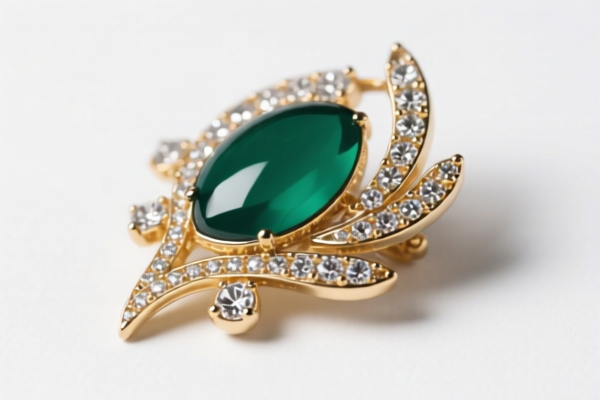
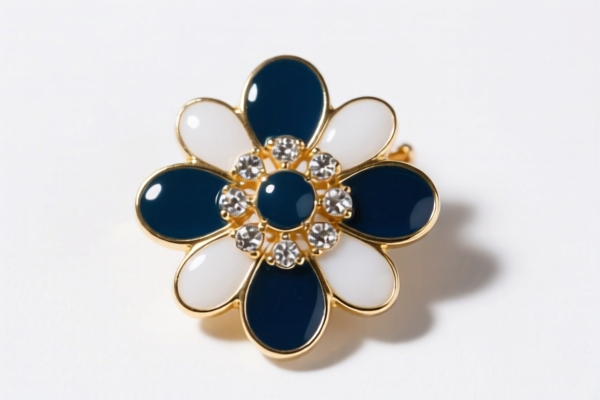
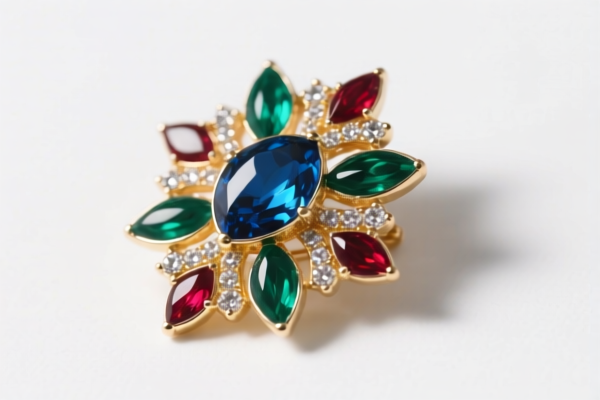
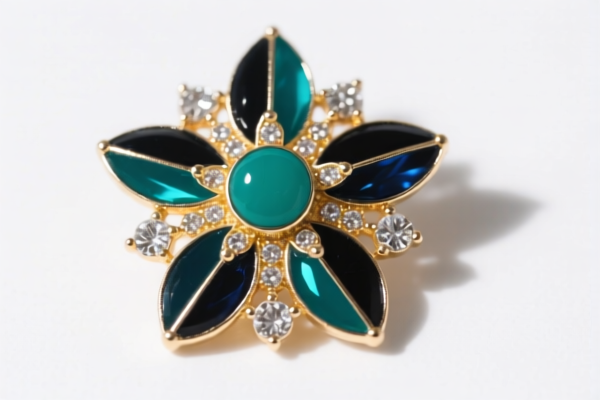
AI Analysis
🎀 Hat Brooch (Hat Pins & Ornamental Brooches)
🌐 HS Code Reference & Customs Clearance Guide | 2026 Latest Tariff Analysis | Professional Customs Strategy
📌 I. Product Definition & Classification: Do You Really Understand "Hat Brooch"?
A Hat Brooch is an ornamental accessory primarily used for adorning hats, though it often overlaps with general jewelry functions. In international trade, its classification depends heavily on material composition (gold vs. base metal/plastic) and functional intent (purely decorative jewelry vs. costume accessory).
International trade distinguishes between: * Precious Metal Jewelry (Gold/Precious Metals): Regarded as high-value jewelry items, falling under Chapter 71.13. * Imitation/Costume Jewelry (Base Metals/Plastics): Regarded as fashion accessories or "imitation jewelry," falling under Chapter 71.17 or general headings for precious metal alternatives.
⚠️ Key Classification Point:
- If the brooch is made of Gold or contains precious metals used as jewelry → Classified under 7113.19.50.91 or 7113.19.50.95.
- If the brooch is made of base metals, plastic, or is explicitly "imitation" → Classified under 7117.90.90.00.
📦 II. HS Code Classification Details (2026 Latest Tariff Authority Comparison)
| HS Code | Product Description | Application Scenario | Material/Attribute |
|---|---|---|---|
7113.19.50.91 |
Gold jewelry (other than goldsmith’s wares), non-chain | Gold hat brooches, fine jewelry accessories | ✅ Gold/Precious Metal |
7113.19.50.95 |
Other precious metal jewelry, residual category | Other precious metal brooches (silver/platinum not specified elsewhere) | ✅ Precious Metal |
7117.90.90.00 |
Imitation jewelry, other | Costume hat brooches, fashion accessories, base metal/plastic | ❌ Imitation/Base Metal |
🔍 Important Reminder:
- "Hat Brooch" is not a standalone HS code. It must be categorized by material. - If the item is marketed as "Jewelry" but made of non-precious materials, it may still fall under 7117 (Imitation Jewelry). - Do not misclassify a gold brooch as imitation jewelry to avoid higher duties on other categories; conversely, declaring plastic as gold is fraud.
💰 III. 2026 Latest Tariff Rate Breakdown (Including Additional Taxes, Policy Surcharges)
✅ Applicable Country: United States (US)
✅ Origin: China (CN)
✅ Effective Time: Current US Tariff Schedule (Includes Section 301 & Section 122)
🎯 1. 7113.19.50.91 —— Gold Jewelry (Non-Chain)
This code applies to gold hat brooches. It is classified as "Jewelry" rather than "Imitation."
| Item | Content |
|---|---|
| Basic Tariff | 5.5% (Ad Valorem) |
| Section 301 Surcharge | 0.0% (Note: Some gold jewelry items may be exempt from specific 301 tranches, but see Section 122 below) |
| Section 122 Tariff | +10% (Specific tariff for certain jewelry items under 19 U.S.C. § 1677) |
| Total Tax Rate | 15.5% |
| Tax Calculation | CIF Value × 15.5% |
| De Minimis Eligibility | ❌ No (Jewelry generally excluded from Section 321 de minimis if value exceeds threshold or is restricted) |
| Legal Basis Path | HTSUS:7113.19.50.91 → Section 122 Tariff |
📌 Explanation:
- 5.5% is the standard Most Favored Nation (MFN) duty for gold jewelry. - Section 122 Tariff (10%) applies specifically to certain imported jewelry items, regardless of origin, as a countervailing measure. - Total: 15.5%. This is relatively moderate compared to electronics, but still significant for high-value goods.
🎯 2. 7117.90.90.00 —— Imitation Jewelry (Costume/Fashion)
This code applies to non-precious hat brooches (plastic, base metal, alloy, fashion). It is classified as "Imitation Jewelry."
| Item | Content |
|---|---|
| Basic Tariff | 11.0% (Ad Valorem) |
| Section 301 Surcharge | +7.5% (Part of the broader 301 tariff list for many fashion items) |
| Section 122 Tariff | +10% (Applies to imitation jewelry as well) |
| Total Tax Rate | 28.5% |
| Tax Calculation | CIF Value × 28.5% |
| De Minimis Eligibility | ❌ No (High tariff items often restricted) |
| Legal Basis Path | HTSUS:7117.90.90.00 → Section 301 → Section 122 |
📌 Explanation:
- 11.0% is the basic duty for imitation jewelry. - 7.5% is the Section 301 surcharge applicable to many Chinese-manufactured fashion accessories. - 10% is the Section 122 tariff. - Total: 28.5%. This is significantly higher than the gold jewelry category (15.5%), highlighting the importance of accurate material declaration.
🎯 3. 7113.19.50.95 —— Other Precious Metal Jewelry (Catch-all)
This code applies to other precious metals (e.g., silver, platinum) or gold items not fitting the specific "chain" exclusion of the first code.
| Item | Content |
|---|---|
| Basic Tariff | 5.5% (Ad Valorem) |
| Section 301 Surcharge | +7.5% (Varies by specific metal/type, but often applied to precious metals from China) |
| Section 122 Tariff | +10% |
| Total Tax Rate | 23.0% |
| Tax Calculation | CIF Value × 23.0% |
| De Minimis Eligibility | ❌ No |
| Legal Basis Path | HTSUS:7113.19.50.95 → Section 301 → Section 122 |
📌 Explanation:
- While the base rate is low (5.5%), the Section 301 surcharge of 7.5% pushes the total to 23.0%. - This is between the gold jewelry (15.5%) and imitation jewelry (28.5%) rates.
🛠️ IV. Customs Clearance Operational Advice (Practical Pitfall Avoidance Guide)
✅ 1. Required Documentation Checklist (No Exceptions)
| Document | Required | Description |
|---|---|---|
| ✅ Commercial Invoice | ✔️ | Must clearly state: "Hat Brooch," Material (e.g., "14K Gold," "Zinc Alloy"), and Value. |
| ✅ Product Photographs | ✔️ | Clear images showing the pin mechanism and material finish. |
| ✅ Material Declaration | ✔️ | Crucial: Explicitly state if it is "Gold," "Silver," "Base Metal," or "Plastic." Ambiguity leads to re-classification and penalties. |
| ✅ Packing List | ✔️ | Item count and gross/net weight. |
| ✅ Certificate of Origin | ✔️ | To verify China origin for 301/122 tariff application. |
| ✅ Third-Party Lab Report | ✔️ | For precious metals: Assay report. For fashion: Composition report. |
✅ 2. Declaration Tips (Key Mnemonic)
🔥 "Material Defines Code, 122 Adds 10, 301 Adds More, Guessing Costs Store!"
| Scenario | Correct Declaration | Incorrect Practice |
|---|---|---|
| Gold Brooch | 7113.19.50.91 (15.5%) |
Declare as "Costume Jewelry" → Risk of penalties for under-declaring value/origin |
| Plastic/Fashion Brooch | 7117.90.90.00 (28.5%) |
Declare as "Gold" → Fraud, heavy fines, seizure |
| Silver/Precious Metal | 7113.19.50.95 (23.0%) |
Declare as "Imitation" → May face anti-dumping inquiries or re-classification |
| Mixed Material (Gold Plated) | Depends on Core Material | If gold layer is minimal, may be 7117 (28.5%). Verify with Customs Broker. |
📌 Note on "Gold Plated":
- If the gold content is minimal (plated), it is often classified as imitation jewelry (7117) unless the plating thickness meets specific legal definitions for "Gold." - Always consult a broker for plated items to avoid misclassification.
✅ 3. Special Handling for Hat Brooches
| Situation | Handling Advice |
|---|---|
| Gift Items | Value must still be declared. "No Commercial Value" gifts may still be subject to duty if value exceeds $2,500 (de minimis threshold), but jewelry often excluded. |
| Set with Hat | If sold together, the essential character rule applies. If the brooch is the main value, classify as jewelry. If the hat is the main item, classify as headwear (likely higher duty). |
| OEM Custom Orders | Provide design sketches and material specs. Customs may ask for proof of "Imitation" status if claiming lower-value codes. |
🌍 V. Global Market Clearance Comparison (2026 Latest)
| Country/Region | Recommended HS Code | Duty Rate (China Origin) | Key Certification | Notes |
|---|---|---|---|---|
| 🇺🇸 USA | 7113.19.50.91 (Gold) |
15.5% | No specific certs | Section 122 applies |
| 🇺🇸 USA | 7117.90.90.00 (Imitation) |
28.5% | No specific certs | High tariff due to 301+122 |
| 🇨🇳 China | 7113.19.50.91 |
5.5% | None | Low import duty |
| 🇪🇺 EU | 7113.19.50 |
2.5% - 5% | CE (if applicable) | No Section 122 equivalent |
| 🇬🇧 UK | 7113.19.50 |
2.5% - 5% | UKCA | Post-Brexit rules apply |
📌 Conclusion:
- USA has the highest effective duty rates due to the combination of Base Tariff + Section 301 + Section 122. - Gold jewelry (15.5%) is significantly cheaper to import into the US than Imitation Jewelry (28.5%). - Strategy: If possible, structure product lines to differentiate between "Fine Jewelry" (Gold/Silver) and "Costume Jewelry" to optimize tax planning, but never mislabel.
📌 VI. Common Errors & Pitfall Guide (Blood & Tears Lessons)
❌ Mistake 1: Declaring a Gold Brooch as "Imitation Jewelry" to avoid 301 tariffs.
👉 Consequence: Customs will inspect, find gold, re-classify to 7113, and audit previous shipments for fraud. Fines up to 3x the duty evaded.
❌ Mistake 2: Declaring a Plastic Brooch as "Gold Jewelry" to avoid Section 301.
👉 Consequence: Seizure of goods, detention, and potential legal action for customs fraud.
❌ Mistake 3: Ignoring Section 122.
👉 Consequence: Even if 301 doesn't apply, 10% extra duty is always added for jewelry. Failing to declare this leads to underpayment penalties.
❌ Mistake 4: Vague Description: "Hat Pin"
👉 Consequence: Customs cannot determine material. Hold for inspection, causing delays.
✅ Correct Declaration Example:
"Gold Hat Brooch, 14K Gold, 5g, Ornamental Jewelry, Not Chain, HTS 7113.19.50.91"
OR
"Fashion Hat Brooch, Zinc Alloy, Plastic Gem, Costume Jewelry, HTS 7117.90.90.00"
🎯 VII. Conclusion: Precision in Classification Saves Money!
🎯 Remember the Mnemonic:
🔹 "Gold is 15.5%, Plastic is 28.5%, 122 Adds 10%, 301 Adds More!"
🔹 "Classify by Material, Not by Function!"
📌 Pro Tip:
- For High-Value Gold Brooches: The 15.5% rate is manageable but requires strict documentation.
- For High-Volume Fashion Brooches: The 28.5% rate is steep. Consider supply chain diversification (e.g., sourcing from Vietnam or Mexico if possible, though Section 122 may still apply) to mitigate tariff risks.
📣 Immediate Action Required:
📞 Contact a Customs Broker to pre-classify your specific materials.
📄 Prepare Material Certificates for all shipments.
🚀 Optimize your HS Codes to ensure accurate duty payment and avoid seizures.
✨ Professional Clearance Starts with Accurate Classification!
💼 Your Profit Margin Depends on Your Tariff Strategy!
Customer Reviews
About HS Code Classification
The Harmonized System (HS) is an internationally standardized nomenclature developed by the World Customs Organization (WCO) to classify traded products. Over 200 countries use the HS system as the basis for customs tariffs, trade statistics, and import/export regulations.
Each HS code follows a hierarchical structure:
- Chapter (2 digits) — Broad category of goods (e.g., Chapter 84: Machinery and Mechanical Appliances)
- Heading (4 digits) — More specific grouping within the chapter
- Subheading (6 digits) — Internationally standardized breakdown, used by all WCO member countries
- National subdivisions (8-10 digits) — Country-specific extensions for further classification, such as US HTSUS 10-digit codes
Correct HS code classification is essential for smooth customs clearance, accurate duty payment, and compliance with trade regulations. Misclassification can lead to customs delays, overpayment of duties, or penalties.
When importing from CN to US, the applicable tariff rates may include:
- Most-Favored-Nation (MFN) rate — The standard duty rate applied to WTO members
- General rate — Applied to countries without trade agreements
- Trade remedy duties — Additional tariffs such as Section 301 (anti-dumping), Section 232 (national security), or countervailing duties
The information provided on this page is for reference purposes only. For official classification, please consult with your local customs authority or a licensed customs broker.