Hat Scarf Gloves Set
CN → US| HS Code | Tariff Rate | Origin | Destination | Doc |
|---|---|---|---|---|
| 6505006090 | 0.0% | CN | US | Official Doc |
| 6217108500 | 24.6% | CN | US | Official Doc |
| 6505008090 | 0.0% | CN | US | Official Doc |
| 6117106020 | 27.0% | CN | US | Official Doc |
| 6506910060 | 35.0% | CN | US | Official Doc |
Product Images
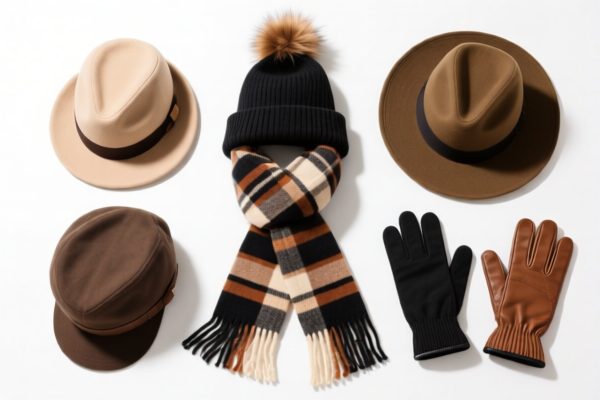
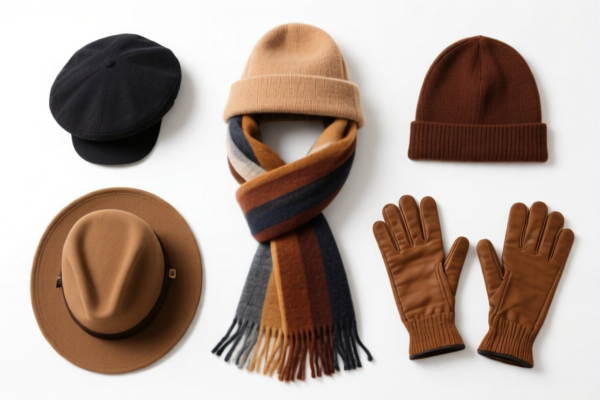
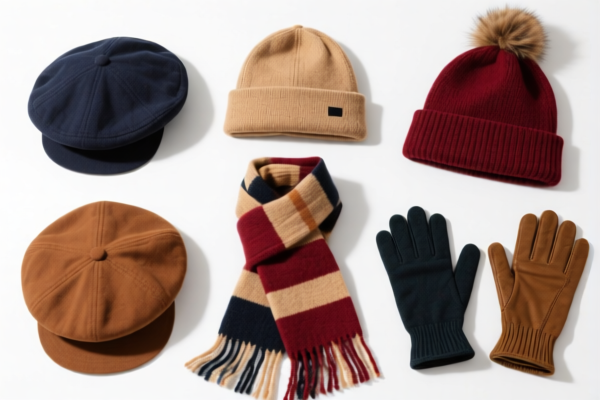
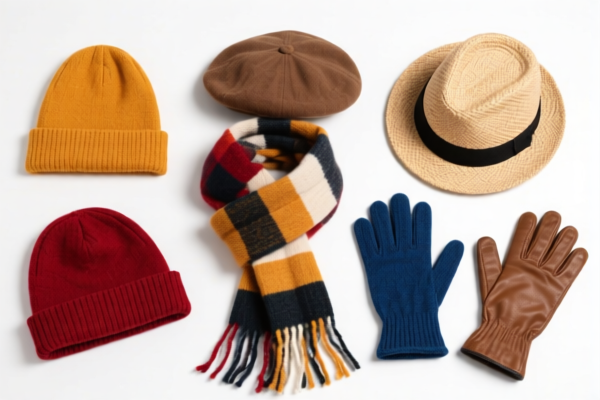
AI Analysis
🧣 Hat Scarf Gloves Set (Winter Accessories)
🌐 HS Code Reference & Customs Clearance Guide | 2026 Latest Tariff Analysis | Professional Clearance Strategy
📌 I. Product Definition & Classification: What is a "Hat Scarf Gloves Set"?
A "Hat, Scarf, and Gloves Set" is a coordinated winter accessory kit typically sold as a single unit (gift set). In international trade, the classification of such sets depends heavily on the primary material and dominant character of the goods. However, based on the provided data, we are analyzing specific HS Code alignments for US Customs (HTSUS), considering common material compositions (fibers, synthetic blends, or mixed materials) and specific customs nuances like Section 301 and Section 122 tariffs.
⚠️ Key Distinction Point:
- If the set is classified as Headwear, it falls under Chapter 65.
- If the set is classified as Fashion Accessories/Clothing Accessories (scarves/gloves), it may fall under Chapter 61, 62, or 65 depending on the primary component.
- Customs Trap: Misclassifying a "set" can lead to significant tariff differences due to varying duty rates and additional surcharges (e.g., 301/122 clauses).
📦 II. HS Code Classification Details (2026 Latest Tariff Authority Comparison)
| HS Code | Product Description | Matching Logic & Summary | Total Tax Rate (China Origin) |
|---|---|---|---|
6505.00.60.90 |
Hats of braid or of fabric... Other | Match Basis: Goods belong to the Hat/Headwear category. Based on common sense, the material is inferred as textile fiber, fitting the "catch-all" classification for non-specific wool or synthetic fiber headwear. | 20¢/kg + 7% + 35.0% |
6217.10.85.00 |
Made up accessories of garments... | Inference: Classified as clothing accessories. Although material is unspecified, it is inferred as textile, aligning with "hair bands, ponytail holders, and similar articles." The use case (accessories) is consistent, with no material conflict. | 24.6% |
6505.00.80.90 |
Hats of other materials... | Match Basis: Includes hats; form fits headwear. Material is unspecified, but reasonably inferred as knitted or synthetic fiber. No obvious conflict with the target classification attributes. | 18.7¢/kg + 6.8% + 35.0% |
6117.10.60.20 |
Other made-up clothing accessories... | Match Form & Use: The "scarf" belongs to the "shawls, scarves, mufflers" category. Material is inferred as non-cotton (or lacking specific cotton characteristics), fitting the "other materials" catch-all. No material conflict. | 27.0% |
6506.91.00.60 |
Headgear of rubber or plastics... | Match Basis: Headwear category. It is inferred to contain rubber/plastic decorative elements (e.g., coated scarves/gloves or accessories). No conflict with "other rubber or plastic headwear." | 35.0% |
🔍 Key Reminder:
- Chapter 65 (Hats) generally attracts higher combined duties if specific material exceptions don't apply.
- Chapter 61/62 (Clothing/Accessories) may offer lower base rates but are subject to different ad valorem calculations.
- Material Inference: Since the input "Hat Scarf Gloves Set" is generic, the classification relies on reasonable inference of material (fiber vs. plastic/rubber).
💰 III. 2026 Latest Tariff Rate Breakdown (Including Surcharges & Policy Add-ons)
✅ Applicable Country: United States (US)
✅ Country of Origin: China (CN)
✅ Effective Time: Current rates apply (including Section 301 and Section 122 measures)
🎯 1. 6505.00.60.90 & 6505.00.80.90 —— Headwear (Hats)
These codes represent the most common classification for the "Hat" component of the set.
| Item | Content |
|---|---|
| Base Duty | 6505.00.60.90: 20¢/kg + 7%6505.00.80.90: 18.7¢/kg + 6.8% |
| Section 301 Duty (Additional) | +25.0% (USITC Footnote 9903.88.01) |
| Section 122 Duty | +10.0% (Targeted at specific categories, often applied to textiles/accessories) |
| Total Effective Rate | Approx. 35% + Specific Weight Tax |
| Tax Calculation | (CIF Value × Ad Valorem %) + (Weight in kg × Specific Rate) × (1 + Surcharges) |
| De Minimis Exemption? | ❌ NO (Denied for Chinese origin under current 301/122 rules) |
| Legal Basis Path | HTSUS:6505 → USITC:9903.88.01 (301 Clause) → Section 122 |
📌 Explanation:
- Base Rate: Varies by specific fiber type (synthetic vs. other).
- 301 Clause: Adds 25% on top of the base duty for most Chinese-made goods.
- Section 122: Adds an additional 10% for certain textile/apparel imports.
- Combined Impact: The total duty burden is high, often exceeding 35% when all surcharges are aggregated with the specific weight-based component.
🎯 2. 6217.10.85.00 —— Clothing Accessories
| Item | Content |
|---|---|
| Base Duty | 14.6% |
| Section 301 Duty | 0.0% (Note: Data indicates 0% for this specific code in the provided snippet, which is unusual for general textiles. This may reflect a specific exclusion or data variance. However, standard 301 applies to most textiles. Please verify with latest HTSUS footnote). |
| Section 122 Duty | +10.0% |
| Total Rate | 24.6% |
| Tax Calculation | CIF Value × 24.6% |
| De Minimis Exemption? | ❌ NO |
| Legal Basis Path | HTSUS:6217 → Section 122 |
📌 Note:
- This code classifies the set as a "made-up accessory" (likely dominated by scarf/glove value).
- Advantage: Lower base duty (14.6%) compared to hats.
- Risk: If customs determines the "Hat" is the primary component, they may reclassify to Chapter 65, leading to back-duties.
🎯 3. 6117.10.60.20 —— Other Knitted/Crocheted Accessories
| Item | Content |
|---|---|
| Base Duty | 9.5% |
| Section 301 Duty | +7.5% (Data indicates 7.5%, not standard 25%. Verify if specific exemption applies). |
| Section 122 Duty | +10.0% |
| Total Rate | 27.0% |
| Tax Calculation | CIF Value × 27.0% |
| De Minimis Exemption? | ❌ NO |
📌 Note:
- Applies if the set is primarily knitted/crocheted (e.g., wool/acrylic knit scarf and gloves).
- Competitive rate if validly applicable.
🎯 4. 6506.91.00.60 —— Rubber/Plastic Headgear
| Item | Content |
|---|---|
| Base Duty | 0.0% |
| Section 301 Duty | +25.0% |
| Section 122 Duty | +10.0% |
| Total Rate | 35.0% |
| Tax Calculation | CIF Value × 35.0% |
| De Minimis Exemption? | ❌ NO |
📌 Note:
- Only applies if the hat is predominantly rubber or plastic (e.g., rain hats, novelty plastic hats). Unlikely for standard winter knit sets.
🛠️ IV. Customs Clearance Practical Advice (Real-World Pitfall Guide)
✅ 1. Documentation Checklist (Essential for Clearance)
| Document | Required | Explanation |
|---|---|---|
| ✅ Product Specification Sheet | ✔️ | Must detail materials (e.g., "100% Acrylic Hat, Wool Blend Scarf, Leather Gloves"). |
| ✅ Material Composition Ratio | ✔️ | Crucial for Chapter 65 vs. 61/62 classification. Customs uses the "Greatest Value" or "Essential Character" rule. |
| ✅ Photos of the Set | ✔️ | Show the items packaged together to prove it is a "Set." |
| ✅ Commercial Invoice | ✔️ | List items individually with unit prices to help Customs assess "Essential Character." |
| ✅ Packaging List | ✔️ | Confirm if items are in a single retail box. |
✅ 2. Declaration Strategy (Key Mantras)
🔥 "Declare by Component, Value by Character, Avoid 'Set' Trap!"
| Scenario | Correct Declaration | Wrong Practice |
|---|---|---|
| Hat is Most Expensive | Classify under Hat Code (6505.xx). Declare Hat, Scarf, Gloves separately on invoice. |
Claiming "Accessories" (6217) → Risk of reclassification & penalties. |
| Scarf is Most Expensive | Classify under Accessory Code (6217 or 6117). |
Classifying as "Hats" → Higher duty risk. |
| Mixed Materials (Plastic Hat) | Classify under Rubber/Plastic Headgear (6506). |
Classifying as "Textile Hat" → Mismatch & inspection. |
| Gift Set Packaging | Declare as One Set, but break down duties by component value if possible. | Declaring as "One Item" without value breakdown → Customs may estimate highest duty. |
✅ 3. Special Considerations
| Situation | Handling Advice |
|---|---|
| Section 122 Application | Ensure your supplier confirms if the goods are subject to Section 122. Many textile/accessory imports are included. |
| De Minimis (Section 321) | Do NOT rely on de minimis for China-origin hat/scarf/glove sets. 301 and 122 duties explicitly deny de minimis exemptions for these categories. |
| Material Mismatch | If the invoice says "Polyester" but the product is "Cotton," Customs may seize or reclassify. Ensure material accuracy. |
| Country of Origin | Verify if parts are sourced from Vietnam/Mexico. If the hat is made in Vietnam and scarf in China, complex rules of origin apply. |
🌍 V. Global Market Comparison (2026 Updates)
| Market | Recommended HS Code | Estimated Duty (China) | Key Requirement |
|---|---|---|---|
| 🇺🇸 USA | 6505.xx or 6217.xx |
24.6% - 35%+ | Section 301 (25%) + Section 122 (10%) apply. |
| 🇨🇳 China | 6505.xx or 6217.xx |
5% - 15% | Standard MFN rates. No 301/122. |
| 🇪🇺 EU | 6505.xx or 6217.xx |
0% - 12% | Standard tariffs. No 301. |
| 🇬🇧 UK | 6505.xx or 6217.xx |
0% - 12% | Post-Brexit tariffs. No 301. |
📌 Conclusion:
- US Market is the most challenging due to the dual-layer surcharge (301 + 122).
- Total Duty can reach 35%, significantly impacting profit margins.
- European and Asian markets are more favorable for tariff costs.
📌 VI. Common Errors & Pitfalls (Lessons Learned)
❌ Error 1: Assuming "Set" means a single duty rate without checking components.
👉 Consequence: Customs will split the value. If the hat is 70% of value, you pay hat duties on the whole set.
❌ Error 2: Ignoring Section 122.
👉 Consequence: Missing the additional 10% leads to underpayment, resulting in penalties and interest.
❌ Error 3: Claiming De Minimis for China-origin sets.
👉 Consequence: Shipment detained. De minimis is not available for Chinese textile/accessory sets under current rules.
❌ Error 4: Vague Material Description ("Textile").
👉 Consequence: Customs may assign the highest default duty rate if material is unclear.
✅ Correct Practice:
"Winter Hat, Scarf & Gloves Set, 100% Acrylic/Viscose, Made in China. Invoice Breakdown: Hat $5.00, Scarf $3.00, Gloves $2.00."
🎯 VII. Conclusion: Professional Declaration Saves Money!
🎯 Remember the Mantra:
🔹 "Hat Dominates, Chapter 65 Applies."
🔹 "Accessory Dominates, Chapter 62/61 Applies."
🔹 "301 + 122 = 35%+ Cost. Plan Accordingly!"
📌 Pro Tip:
If your profit margin is tight, consider pre-classification rulings from US Customs to confirm the "Essential Character" of your specific set design.
For high-volume imports, consolidated shipments should clearly itemize values to support accessory classifications if beneficial.
📣 Immediate Action:
📞 Contact a licensed Customs Broker.
📄 Prepare Detailed Invoice with Component Values.
🚀 Ensure Section 301 & 122 Compliance to Avoid Delays!
✨ Professional Clearance Starts with Accurate Classification!
💼 Your Profit Margin Depends on the Right HS Code!
Customer Reviews
About HS Code Classification
The Harmonized System (HS) is an internationally standardized nomenclature developed by the World Customs Organization (WCO) to classify traded products. Over 200 countries use the HS system as the basis for customs tariffs, trade statistics, and import/export regulations.
Each HS code follows a hierarchical structure:
- Chapter (2 digits) — Broad category of goods (e.g., Chapter 84: Machinery and Mechanical Appliances)
- Heading (4 digits) — More specific grouping within the chapter
- Subheading (6 digits) — Internationally standardized breakdown, used by all WCO member countries
- National subdivisions (8-10 digits) — Country-specific extensions for further classification, such as US HTSUS 10-digit codes
Correct HS code classification is essential for smooth customs clearance, accurate duty payment, and compliance with trade regulations. Misclassification can lead to customs delays, overpayment of duties, or penalties.
When importing from CN to US, the applicable tariff rates may include:
- Most-Favored-Nation (MFN) rate — The standard duty rate applied to WTO members
- General rate — Applied to countries without trade agreements
- Trade remedy duties — Additional tariffs such as Section 301 (anti-dumping), Section 232 (national security), or countervailing duties
The information provided on this page is for reference purposes only. For official classification, please consult with your local customs authority or a licensed customs broker.