Hay Ball
CN → USProduct Images
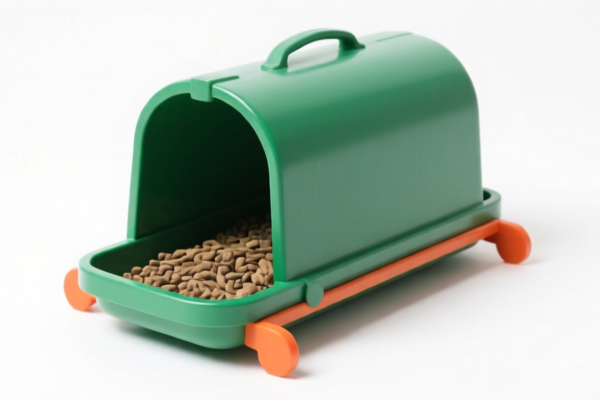
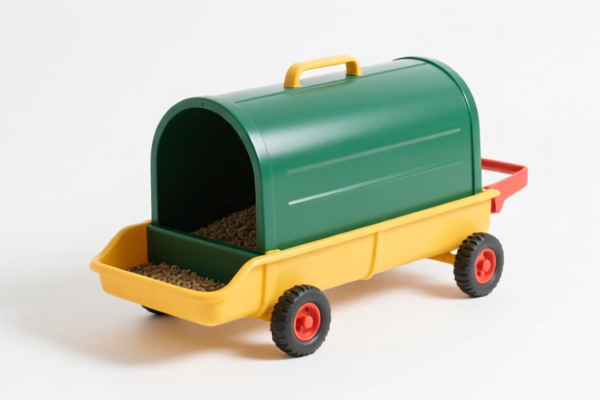
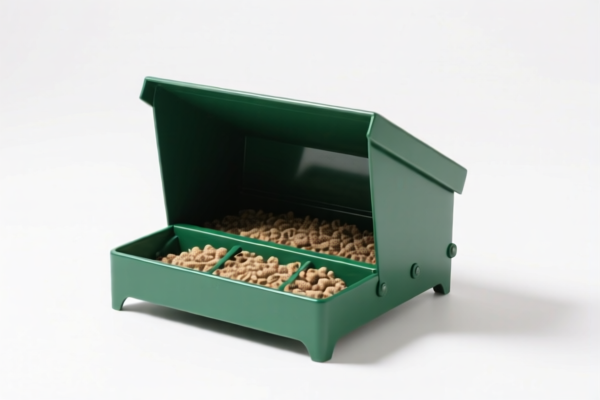
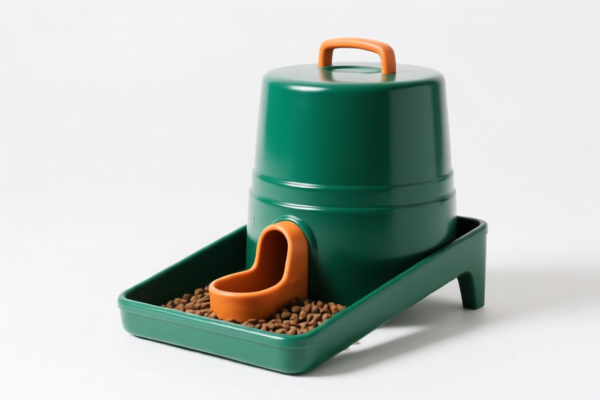
AI Analysis
🐴 Hay Bales: Classification, Duties, and Clearance Guide
🌐 HS Code Reference & Clearance Strategy | 2026 Latest Tariff Analysis | Professional Import Guide
📌 I. Product Definition: What Exactly is a "Hay Ball"?
"Hay ball" is the common industry term for Hay Bales (or Straw Bales), which are compressed bundles of dried grass, legumes, or other fodder plants, primarily used as animal feed or bedding. In international trade, they are rarely classified under a single "hay" code; instead, they are strictly categorized based on plant species, processing state (compressed vs. loose), and intended use.
Key Distinction Points: * Fodder vs. Straw: If used for animal consumption (feed), it generally falls under Chapter 12. If used for bedding, litter, or manufacturing (e.g., mushroom substrate), it may fall under Chapter 14 or even Chapter 46 (if processed into mats/baskets). * State of Goods: Compressed bales are treated differently from loose hay in some jurisdictions regarding volume calculations and specific sub-headings.
⚠️ Critical Warning:
- "Hay" (for feed) usually falls under 1214.90 or 1211.
- "Straw" (for bedding/litter) may fall under 1214.90 or 1402 (if processed).
- Invasive Species Restrictions: Many countries (USA, EU, Australia) have strict phytosanitary rules for hay imports due to seed contamination risks.
📦 II. HS Code Classification Details (2026 Official Tariff)
| HS Code | Product Description | Applicable Scenario | Compressed? |
|---|---|---|---|
1214.90 |
Fodder, whether or not pelleted (compressed) | Hay, alfalfa, clover bales intended for animal feed | ✅ Yes (Bales/Pellets) |
1211.90 |
Plants and parts of plants... for pharmaceutical, perfumery, etc. | Medicinal herbs, specific ornamental plants | ❌ No (Varies) |
1402.90 |
Vegetable materials for stuffing or padding (e.g., kapok, coconut) | Straw/moss processed for bedding, upholstery, or mushroom substrate | ✅ Often |
4602.12 |
Plaiting materials bound together (mats, baskets) | Hay/straw woven into mats or decorative items | ✅ Processed |
🔍 Focus Area:
For most commercial "hay ball" imports (standard agricultural feed),1214.90is the primary classification.
- Sub-heading Note: In the US,1214.90.95often applies to "Other fodder."
- In the EU,1214 90 95covers other fodder.
💰 III. 2026 Latest Tariff Rate Breakdown (US Import from China/Global)
✅ Applicable Country: United States (US)
✅ Origin: Global (General Rate unless specified)
✅ Effective Date: Current 2026 Schedule
🎯 1. 1214.90.95 —— Hay/Straw Bales for Fodder (General)
| Item | Content |
|---|---|
| Basic Duty Rate | 0% (ad valorem) – Note: Many agricultural products enjoy 0% MFN rates in the US. |
| Section 301 Tariff (China) | 0% – Generally, raw agricultural commodities like hay are EXCLUDED from 301 tariffs. |
| USDA Phytosanitary Fee | Variable – Based on inspection and fumigation requirements. |
| Merchandise Processing Fee (MPF) | ~0.3464% of value (min $31.67, max $614.25) |
| Harbor Maintenance Fee (HMF) | 0.125% of value |
| Total Estimated Duty | ~0.5% - 1% (excluding phytosanitary costs) |
| De Minimis Eligibility | ❌ NO – Agricultural products are excluded from $800 de minimis relief. |
📌 Explanation:
- Raw Hay is Low-Tariff: Unlike electronics, hay is often considered a raw material with minimal tariff burden (0% base).
- Hidden Costs: The real cost driver is Phytosanitary Certification. You must prove the hay is free of invasive seeds, pests, and diseases.
- Exclusions: Check if the specific type of hay (e.g., alfalfa) has any temporary trade restrictions.
🛠️ IV. Clearance Practical Advice (Real-World Pitfalls)
✅ 1. Required Documentation Checklist (Non-Negotiable)
| Document | Mandatory? | Description |
|---|---|---|
| ✅ Phytosanitary Certificate | ✔️ | Issued by the exporting country's agricultural authority. Must state "Free from pests and seeds." |
| ✅ Fumigation Certificate | ✔️ | If required by USDA APHIS (common for straw/hay to kill insects). |
| ✅ Commercial Invoice | ✔️ | Must clearly describe: "Hay Bales, Species: Alfalfa, Compressed, For Animal Feed." |
| ✅ Packing List | ✔️ | Detail bale weight, dimensions, and total volume. |
| ✅ AMS/ISF Filing | ✔️ | Must be filed 24 hours before loading. |
✅ 2. Clearance Tips (Key Mnemonics)
🔥 "Hay Needs Health, Not Just Tax!"
| Situation | Correct Action | Wrong Action |
|---|---|---|
| Hay with Seeds | Reject/Destroy at border | Try to declare as "Processed" to bypass inspection |
| Loose Hay vs. Bales | Declare accurately by weight/volume | Under-declare weight to save on MPF |
| Medicinal Herb Hay | Classify under 1211 or 1302 |
Misclassify as generic fodder 1214 |
| Straw for Bedding | Check if 1402 or 1214 applies |
Assume all straw is fodder |
✅ 3. Special Case Handling
| Situation | Handling Advice |
|---|---|
| Alfalfa Hay | Highest scrutiny due to pest risk. Ensure rigorous fumigation. |
| Import from High-Risk Countries | Additional inspection fees and potential delays (2-4 weeks). |
| Small Sample Imports | Even small quantities require phytosanitary certificates if >$800 de minimis exemption doesn't apply. |
| Customs Broker | Use an experienced broker familiar with APHIS regulations. |
🌍 V. Global Market Clearance Comparison (2026)
| Country/Region | Recommended HS Code | Duty Rate | Certification | Note |
|---|---|---|---|---|
| 🇺🇸 USA | 1214.90.95 |
0% | USDA APHIS Phytosanitary | Strict seed/pest rules. |
| 🇪🇺 EU | 1214 90 95 |
0-5% | EU Plant Passport | Strict invasive species list. |
| 🇬🇧 UK | 1214 90 95 |
0% | UK Plant Health | Post-Brexit rules apply. |
| 🇨🇳 China | 1214.90.90 |
5-10% | CIQ Inspection | High duty on some fodder. |
| 🇦🇺 Australia | 1214.90.00 |
0-5% | Biosecurity Permit | Extremely Strict. Quarantine likely. |
📌 Conclusion:
- USA & EU are relatively open but have strict biosecurity checks.
- Australia & New Zealand have some of the strictest biosecurity laws in the world. Imports may be denied or heavily quarantined.
- China imposes higher duties on fodder.
📌 VI. Common Mistakes & Pitfalls (Blood Lessons)
❌ Mistake 1: Declaring hay as "Straw" without proof of use
👉 Consequence: Customs may reclassify and apply higher duties or reject entry.
❌ Mistake 2: Missing Phytosanitary Certificate
👉 Consequence: Whole shipment destroyed or returned at port. Costs exceed cargo value.
❌ Mistake 3: Under-declaring bale weight
👉 Consequence: Heavy fines for misdeclaration. MPF and duties calculated on under-reported value.
❌ Mistake 4: Ignoring Section 301 Exclusions
👉 Consequence: While hay is usually exempt, misclassification can lead to unexpected 25% tariffs if wrongly declared as processed goods.
✅ Correct Practice:
"Hay Bales, Compressed, Species: Medicago sativa (Alfalfa), Phytosanitary Certificate Attached, USDA Approved Fumigation"
🎯 VII. Conclusion: Professional Clearance, Safe Arrival!
🎯 Remember the Mantra:
🔹 "Hay is Cheap, Paper is Expensive!"
🔹 "No Phytosanitary Cert, No Entry!"
🔹 "Check the Species, Check the Source, Avoid the Quarantine!"
📌 Tips:
- If importing from Canada or Mexico, ensure the hay meets NAFTA/USMCA origin requirements to avoid any potential anti-dumping duties (rare for hay, but possible for processed fodder).
- For large volumes, consider pre-clearance consultations with USDA APHIS.
📣 Immediate Action:
📞 Contact a licensed customs broker specializing in agricultural products.
🚀 Secure Phytosanitary Certificates before shipping.
💼 Ensure your supply chain is biosecurity-compliant to avoid costly delays.
✨ Professional Clearance Starts with Accurate Classification!
💼 Your Cargo is Worth Protecting with Proper Documentation!
Customer Reviews
About HS Code Classification
The Harmonized System (HS) is an internationally standardized nomenclature developed by the World Customs Organization (WCO) to classify traded products. Over 200 countries use the HS system as the basis for customs tariffs, trade statistics, and import/export regulations.
Each HS code follows a hierarchical structure:
- Chapter (2 digits) — Broad category of goods (e.g., Chapter 84: Machinery and Mechanical Appliances)
- Heading (4 digits) — More specific grouping within the chapter
- Subheading (6 digits) — Internationally standardized breakdown, used by all WCO member countries
- National subdivisions (8-10 digits) — Country-specific extensions for further classification, such as US HTSUS 10-digit codes
Correct HS code classification is essential for smooth customs clearance, accurate duty payment, and compliance with trade regulations. Misclassification can lead to customs delays, overpayment of duties, or penalties.
When importing from CN to US, the applicable tariff rates may include:
- Most-Favored-Nation (MFN) rate — The standard duty rate applied to WTO members
- General rate — Applied to countries without trade agreements
- Trade remedy duties — Additional tariffs such as Section 301 (anti-dumping), Section 232 (national security), or countervailing duties
The information provided on this page is for reference purposes only. For official classification, please consult with your local customs authority or a licensed customs broker.