Headband
CN → US| HS Code | Tariff Rate | Origin | Destination | Doc |
|---|---|---|---|---|
| 6217101010 | 19.8% | CN | US | Official Doc |
| 6117802000 | 18.7% | CN | US | Official Doc |
| 6117808500 | 32.1% | CN | US | Official Doc |
| 9615114000 | 15.3% | CN | US | Official Doc |
| 9615196000 | 21.0% | CN | US | Official Doc |
| 6217108500 | 24.6% | CN | US | Official Doc |
Product Images
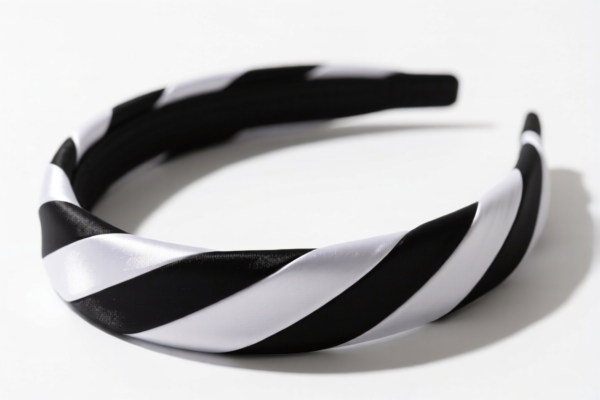

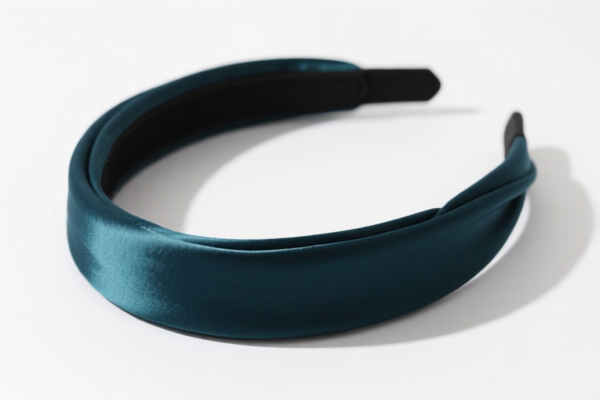
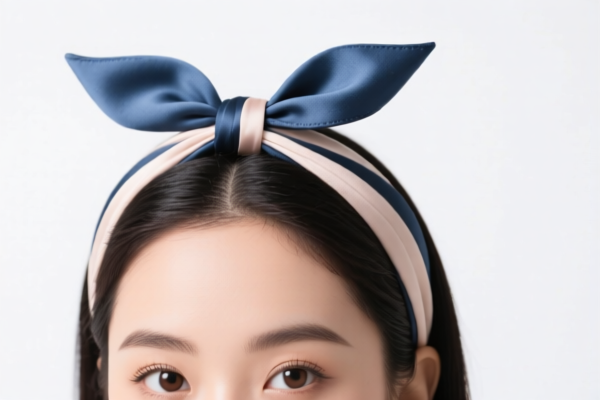
AI Analysis
🎀 Headband (Headbands & Hair Accessories)
🌐 HS Code Reference & Customs Clearance Guide | 2026 Latest Tariff Analysis | Professional Customs Strategy
📌 I. Product Definition & Classification: Do You Really Understand "Headbands"?
A headband is a decorative or functional accessory worn around the head, primarily used to hold hair back, absorb sweat, or serve as a fashion statement. In international trade, headbands are classified based on two critical factors:
1. Material: Plastic/rubber (hard) vs. Fabric/Knitted.
2. Structure: Simple elastic bands vs. Complex structures with pins/clips.
⚠️ Key Distinction:
- If made of plastic or hard rubber (e.g., rigid decorative bands) → Classified under Chapter 96 (Brushes, Combs, etc.).
- If made of fabric, knitted, or woven materials (e.g., cloth, silk, elastic) → Classified under Chapter 61 or 62 (Apparel Accessories).
📦 II. HS Code Classification Details (2026 Latest Tariff Authority Comparison)
Based on the provided data, here are the 6 possible HS Codes for headbands, categorized by material and function:
| HS Code | Product Description | Material/Feature | Tax Logic |
|---|---|---|---|
9615.11.40.00 |
Hair Bands (Plastic/Rubber) | Plastic or hard rubber; NO gemstones | Simple, rigid form factor. |
9615.19.60.00 |
Hair Bands (Other) | Fabric, plastic, or other materials; comb-like/pin-like structure | Versatile, non-specific material. |
6217.10.85.00 |
Other Made-Up Accessories (Woven) | Woven fabric (non-knitted); "Other" category | Catch-all for woven headwear accessories. |
6217.10.10.10 |
Silk Blend Headbands | Contains silk components | Specific material incentive (lower base rate). |
6117.80.20.00 |
Knitted/Crocheted Accessories | Knitted or crocheted fabric | Flexible, stretchy fabric type. |
6117.80.85.00 |
Other Knitted Accessories | Knitted/crocheted; "Other" category | High-tax catch-all for knitted items. |
🔍 Key Reminder:
- Plastic/Rubber Headbands fall under Chapter 96 (9615).
- Fabric Headbands fall under Chapter 61 (Knitted) or Chapter 62 (Woven).
- Silk content significantly lowers the base tariff (see6217.10.10.10).
💰 III. 2026 Latest Tariff Rate Breakdown (Including Additional Taxes)
✅ Applicable Country: United States (US)
✅ Origin: China (CN)
✅ Effective Date: Includes post-2025.11.10 imports
🎯 1. 9615.11.40.00 – Hair Bands (Plastic/Hard Rubber)
| Item | Detail |
|---|---|
| Base Duty | 5.3% |
| Section 301 Additional Duty | 0.0% |
| Section 122 Duty | +10.0% |
| Total Tax Rate | 15.3% |
| Calculation | CIF Value × 15.3% |
| Legal Basis | Standard HTS + Section 122 surcharge |
📌 Explanation:
- This is the lowest tax rate for plastic/rubber headbands.
- Section 122 applies a flat 10% surcharge regardless of the base rate.
- No Section 301 tariff applies to this specific subheading.
🎯 2. 9615.19.60.00 – Hair Bands (Other Materials)
| Item | Detail |
|---|---|
| Base Duty | 11.0% |
| Section 301 Additional Duty | 0.0% |
| Section 122 Duty | +10.0% |
| Total Tax Rate | 21.0% |
| Calculation | CIF Value × 21.0% |
| Legal Basis | Standard HTS + Section 122 surcharge |
📌 Explanation:
- Higher base duty (11%) than plastic-specific codes.
- Still exempt from Section 301, but subject to the 10% Section 122 surcharge.
🎯 3. 6217.10.85.00 – Woven Fabric Accessories ("Other")
| Item | Detail |
|---|---|
| Base Duty | 14.6% |
| Section 301 Additional Duty | 0.0% |
| Section 122 Duty | +10.0% |
| Total Tax Rate | 24.6% |
| Calculation | CIF Value × 24.6% |
| Legal Basis | Standard HTS + Section 122 surcharge |
📌 Explanation:
- Classified as "Other made-up accessories."
- No Section 301, but higher base rate (14.6%) + 10% Section 122.
🎯 4. 6217.10.10.10 – Silk Blend Headbands
| Item | Detail |
|---|---|
| Base Duty | 2.3% |
| Section 301 Additional Duty | +7.5% |
| Section 122 Duty | +10.0% |
| Total Tax Rate | 19.8% |
| Calculation | CIF Value × 19.8% |
| Legal Basis | HTS + Section 301 + Section 122 |
📌 Explanation:
- Lowest base duty (2.3%) due to silk content.
- However, Section 301 adds 7.5%, bringing the total to 19.8%.
- Best option for silk-rich headbands compared to other fabric codes.
🎯 5. 6117.80.20.00 – Knitted/Crocheted Accessories
| Item | Detail |
|---|---|
| Base Duty | 1.2% |
| Section 301 Additional Duty | +7.5% |
| Section 122 Duty | +10.0% |
| Total Tax Rate | 18.7% |
| Calculation | CIF Value × 18.7% |
| Legal Basis | HTS + Section 301 + Section 122 |
📌 Explanation:
- Lowest base duty (1.2%) among all codes.
- Subject to Section 301 (7.5%) and Section 122 (10%).
- Total 18.7% is very competitive for knitted items.
🎯 6. 6117.80.85.00 – Other Knitted Accessories ("Other")
| Item | Detail |
|---|---|
| Base Duty | 14.6% |
| Section 301 Additional Duty | +7.5% |
| Section 122 Duty | +10.0% |
| Total Tax Rate | 32.1% |
| Calculation | CIF Value × 32.1% |
| Legal Basis | HTS + Section 301 + Section 122 |
📌 Explanation:
- Highest total tax rate (32.1%).
- Avoid this code unless your product is clearly "other" knitted items and cannot fit into6117.80.20.00.
🛠️ IV. Customs Clearance Practical Advice (Avoid Pitfalls)
✅ 1. Preparation Checklist (Essential Documents)
| Document | Required | Note |
|---|---|---|
| ✅ Product Specifications | ✔️ | Material composition (e.g., "100% Polyester," "20% Silk"), size, elasticity. |
| ✅ Material Composition Statement | ✔️ | Crucial for distinguishing between Chapter 61 (Knitted) and 62 (Woven). |
| ✅ Product Photos | ✔️ | Show texture (knit vs. weave), any rigid parts (plastic clips), and packaging. |
| ✅ Commercial Invoice | ✔️ | Must match HS Code description (e.g., "Knitted Headband"). |
| ✅ Bill of Lading/Air Waybill | ✔️ | Ensure packaging details align with invoice. |
✅ 2. Declaration Tips (Key Mnemonic)
🔥 "Check Material: Plastic=96, Fabric=61/62. Silk & Knit Save Money!"
| Scenario | Correct HS Code | Wrong Code | Consequence |
|---|---|---|---|
| Plastic/Rigid Headband | 9615.11.40.00 |
6117.80.85.00 |
Overpay tax (15.3% vs 32.1%) |
| Fabric Headband (Woven) | 6217.10.85.00 or 6217.10.10.10 |
9615.19.60.00 |
Classification error |
| Silk Blend Headband | 6217.10.10.10 |
6217.10.85.00 |
Overpay tax (19.8% vs 24.6%) |
| Knitted Headband | 6117.80.20.00 |
6117.80.85.00 |
Overpay tax (18.7% vs 32.1%) |
📌 Critical Point:
- If the headband has rigid plastic parts (e.g., large decorative clips), customs may argue for Chapter 96.
- If the headband is soft fabric, it must be Chapter 61 or 62.
- Silk content triggers the lower base rate in6217.10.10.10, but beware of Section 301.
✅ 3. Special Cases
| Scenario | Advice |
|---|---|
| Headband with Metal Pins | If the metal pin is the main feature, it might be classified under 9615 (combs/pins). If the fabric is dominant, use 61/62. |
| OEM Custom Headbands | Provide detailed material breakdown. If "knitted," specify yarn type to qualify for 6117.80.20.00 (18.7%) instead of 6117.80.85.00 (32.1%). |
| Mixed Material Headbands | Declare the principal material. If >50% silk, try 6217.10.10.10. If >50% polyester knit, try 6117.80.20.00. |
🌍 V. Global Market Comparison (2026)
| Market | Recommended HS Code | Total Tax (China Origin) | Notes |
|---|---|---|---|
| 🇺🇸 US | 6117.80.20.00 |
18.7% | Lowest total tax for fabric headbands. |
| 🇪🇺 EU | 6217.10.85 | ~4-6% | No Section 122/301. Lower base rates. |
| 🇨🇳 China | 6117.80.20 | ~5-10% | Import duty varies; no Section 122. |
📌 Conclusion:
- US is the highest-cost market due to Section 122 (+10%) and Section 301 (+7.5%).
- Knitted fabric (6117.80.20.00) offers the best balance of low base duty (1.2%) + moderate additional taxes (17.5% total).
- Plastic headbands (9615.11.40.00) are also competitive at 15.3% total.
📌 VI. Common Mistakes & Pitfalls
❌ Mistake 1: Classifying a knitted headband as 9615.19.60.00.
👉 Result: Higher tax (21.0% vs 18.7%) and incorrect classification.
❌ Mistake 2: Claiming silk for a non-silk headband to get 6217.10.10.10.
👉 Result: Customs audit, penalties, and back taxes. Must verify material certificate.
❌ Mistake 3: Ignoring Section 122.
👉 Result: Every fabric/plastic headband faces an extra 10% tax. Budget accordingly.
❌ Mistake 4: Using 6117.80.85.00 for a knitted headband.
👉 Result: Paying 32.1% instead of 18.7%. Missed savings of 13.4%!
✅ Correct Practice:
"Knitted Headband, 100% Polyester, Elasticated, No Decorative Rigid Parts" →
6117.80.20.00
🎯 VII. Conclusion: Professional Declaration, Save Costs!
🎯 Remember the Mnemonic:
🔹 "Plastic = 96 (15.3%), Knit = 61 (18.7%), Silk = 62 (19.8%). Avoid 32.1%!"
🔹 "Section 122 adds 10% to everything. Section 301 adds 7.5% to Knit/Silk."
📌 Pro Tip:
If your headbands are plastic-based, choose 9615.11.40.00 (15.3%).
If they are knitted fabric, choose 6117.80.20.00 (18.7%).
If they are silk, choose 6217.10.10.10 (19.8%).
Avoid 6117.80.85.00 (32.1%) and 6217.10.85.00 (24.6%) unless necessary.
📣 Immediate Action:
📞 Contact a customs broker + Provide material certificate + Apply for HS Code pre-ruling
🚀 Ensure your headbands clear customs smoothly and maximize your profit margin!
✨ Professional customs clearance starts with precise classification!
💼 Every percentage point of tax saved is profit earned!
Customer Reviews
About HS Code Classification
The Harmonized System (HS) is an internationally standardized nomenclature developed by the World Customs Organization (WCO) to classify traded products. Over 200 countries use the HS system as the basis for customs tariffs, trade statistics, and import/export regulations.
Each HS code follows a hierarchical structure:
- Chapter (2 digits) — Broad category of goods (e.g., Chapter 84: Machinery and Mechanical Appliances)
- Heading (4 digits) — More specific grouping within the chapter
- Subheading (6 digits) — Internationally standardized breakdown, used by all WCO member countries
- National subdivisions (8-10 digits) — Country-specific extensions for further classification, such as US HTSUS 10-digit codes
Correct HS code classification is essential for smooth customs clearance, accurate duty payment, and compliance with trade regulations. Misclassification can lead to customs delays, overpayment of duties, or penalties.
When importing from CN to US, the applicable tariff rates may include:
- Most-Favored-Nation (MFN) rate — The standard duty rate applied to WTO members
- General rate — Applied to countries without trade agreements
- Trade remedy duties — Additional tariffs such as Section 301 (anti-dumping), Section 232 (national security), or countervailing duties
The information provided on this page is for reference purposes only. For official classification, please consult with your local customs authority or a licensed customs broker.