Headbands
CN → US| HS Code | Tariff Rate | Origin | Destination | Doc |
|---|---|---|---|---|
| 9615114000 | 15.3% | CN | US | Official Doc |
| 9615196000 | 21.0% | CN | US | Official Doc |
| 6217108500 | 24.6% | CN | US | Official Doc |
| 6217101010 | 19.8% | CN | US | Official Doc |
| 6117802000 | 18.7% | CN | US | Official Doc |
| 6117808500 | 32.1% | CN | US | Official Doc |
Product Images
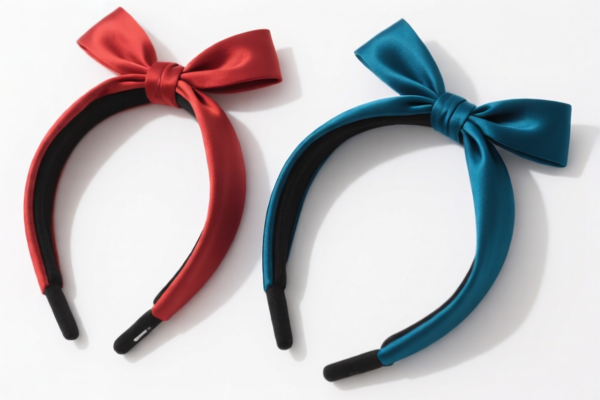
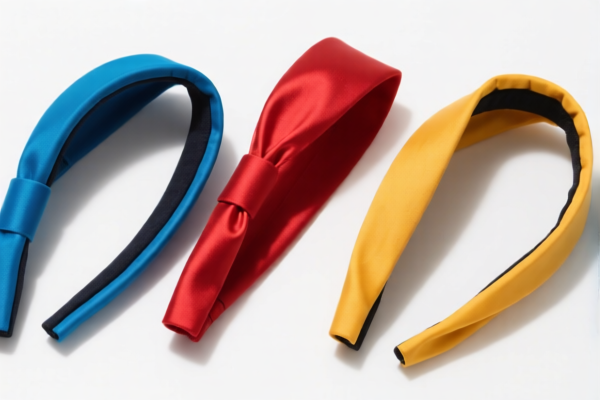
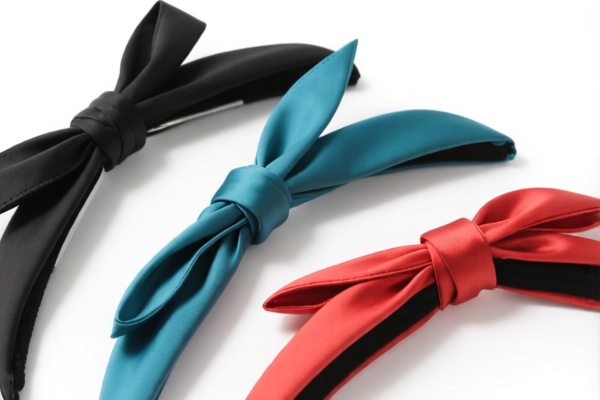
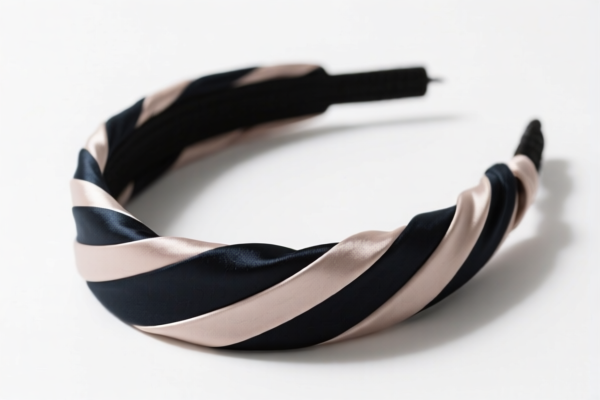
AI Analysis
🎀 Headbands (Hair Accessories & Apparel Trimmings)
🌐 HS Code Reference & Customs Clearance Guide | 2026 Latest Tariff Analysis | Professional Clearance Strategy
📌 1. Product Definition & Classification: What Exactly is a "Headband"?
In international trade, "headbands" are versatile accessories that span across two main categories depending on their material, structure, and intended use. They are generally split into:
Hair Accessories (Chapter 96): Made of plastic, hard rubber, or other non-textile materials, primarily used for styling or holding hair.
Apparel Accessories (Chapter 61/62): Made of fabric, knit, or woven textiles, often treated as clothing parts or fashion trims.
⚠️ Key Distinction Point:
- If made of plastic/hard rubber → Falls under Chapter 96 (Miscellaneous Manufactured Articles).
- If made of knit/non-knit fabric → Falls under Chapter 61/62 (Apparel and Clothing Accessories).
- Material composition is the primary driver for HS Code selection.
📦 2. HS Code Classification Matrix (2026 Latest Tariff Data)
| HS Code | Product Description | Material/Structure | Usage Scenario |
|---|---|---|---|
9615.11.40.00 |
Hair bands/combs of hard rubber or plastic | Plastic / Hard Rubber | Non-gemstone plastic hairbands |
9615.19.60.00 |
Other hair dressing combs/bands | Fabric / Plastic | Generic textile/plastic headbands |
6217.10.85.00 |
Other made-up clothing accessories (trims) | Woven Fabric | Fabric headbands as clothing trim |
6217.10.10.10 |
Hair bands/ponytail holders | Silk-blend / Woven | Fabric headbands potentially containing silk |
6117.80.20.00 |
Other made-up clothing accessories | Knit Fabric | Knitted headbands as apparel parts |
6117.80.85.00 |
Headbands/ponytail holders of knit/g crochet | Knit / Crochet | Knitted or crocheted headbands |
🔍 Important Reminder:
- Plastic/Rubber headbands are NOT classified as clothing; they go to Ch 96.
- Fabric/Knit headbands are considered clothing accessories; they go to Ch 61/62.
- Silk content may trigger lower base duties but higher Section 301/IEEPA add-ons.
💰 3. 2026 Latest Tariff Rate Breakdown (Including Surtaxes & Policy Add-ons)
✅ Applicable Country: United States (US)
✅ Origin: China (CN)
✅ Effective Date: 2025-11-10 onwards
🎯 1. 9615.11.40.00 —— Hair Bands of Hard Rubber or Plastic
| Item | Details |
|---|---|
| Base Duty | 5.3% (ad valorem) |
| Section 301/Additional Duty | 0.0% |
| IEEPA Surtax (122 Clause) | 10.0% |
| Total Effective Rate | 15.3% |
| Tax Calculation | CIF Value × 15.3% |
| De Minimis Exemption | ❌ Not Eligible |
| Legal Basis Path | IEEPA:122 → USITC:9615.11.40.00 |
📌 Explanation:
- Base 5.3%: Standard MFN duty for plastic/hard rubber hair accessories.
- IEEPA 10%: Additional surtax applied to Chinese-origin goods under Section 122 (or related emergency powers).
- Total 15.3%: Relatively moderate compared to textile counterparts.
🎯 2. 9615.19.60.00 —— Other Hair Dressing Combs/Bands
| Item | Details |
|---|---|
| Base Duty | 11.0% |
| Section 301/Additional Duty | 0.0% |
| IEEPA Surtax (122 Clause) | 10.0% |
| Total Effective Rate | 21.0% |
| Tax Calculation | CIF Value × 21.0% |
| De Minimis Exemption | ❌ Not Eligible |
| Legal Basis Path | IEEPA:122 → USITC:9615.19.60.00 |
📌 Explanation:
- Base 11.0%: Higher base duty for "other" hair accessories (e.g., mixed material or unspecified).
- IEEPA 10%: Same surtax applies.
- Total 21.0%: Higher than pure plastic due to ambiguous material classification.
🎯 3. 6217.10.85.00 —— Other Made-Up Clothing Accessories
| Item | Details |
|---|---|
| Base Duty | 14.6% |
| Section 301/Additional Duty | 0.0% |
| IEEPA Surtax (122 Clause) | 10.0% |
| Total Effective Rate | 24.6% |
| Tax Calculation | CIF Value × 24.6% |
| De Minimis Exemption | ❌ Not Eligible |
| Legal Basis Path | IEEPA:122 → USITC:6217.10.85.00 |
📌 Explanation:
- Base 14.6%: Standard duty for woven fabric clothing accessories.
- IEEPA 10%: Surtax applies.
- Total 24.6%: High duty due to textile classification.
🎯 4. 6217.10.10.10 —— Hair Bands with Silk Content
| Item | Details |
|---|---|
| Base Duty | 2.3% |
| Section 301/Additional Duty | 7.5% |
| IEEPA Surtax (122 Clause) | 10.0% |
| Total Effective Rate | 19.8% |
| Tax Calculation | CIF Value × 19.8% |
| De Minimis Exemption | ❌ Not Eligible |
| Legal Basis Path | IEEPA:122 → USITC:6217.10.10.10 → USITC:301:7.5% |
📌 Explanation:
- Base 2.3%: Low base duty for silk-containing apparel accessories.
- Section 301 7.5%: Specific additional duty on certain Chinese textiles/apparel.
- IEEPA 10%: Surtax applies.
- Total 19.8%: Competitive rate due to low base duty, but Section 301 adds cost.
🎯 5. 6117.80.20.00 —— Other Knit Clothing Accessories
| Item | Details |
|---|---|
| Base Duty | 1.2% |
| Section 301/Additional Duty | 7.5% |
| IEEPA Surtax (122 Clause) | 10.0% |
| Total Effective Rate | 18.7% |
| Tax Calculation | CIF Value × 18.7% |
| De Minimis Exemption | ❌ Not Eligible |
| Legal Basis Path | IEEPA:122 → USITC:6117.80.20.00 → USITC:301:7.5% |
📌 Explanation:
- Base 1.2%: Very low base duty for knit accessories.
- Section 301 7.5%: Additional duty on Chinese knit/apparel.
- IEEPA 10%: Surtax applies.
- Total 18.7%: One of the most cost-effective options for fabric headbands.
🎯 6. 6117.80.85.00 —— Knit/Crochet Headbands/Ponytail Holders
| Item | Details |
|---|---|
| Base Duty | 14.6% |
| Section 301/Additional Duty | 7.5% |
| IEEPA Surtax (122 Clause) | 10.0% |
| Total Effective Rate | 32.1% |
| Tax Calculation | CIF Value × 32.1% |
| De Minimis Exemption | ❌ Not Eligible |
| Legal Basis Path | IEEPA:122 → USITC:6117.80.85.00 → USITC:301:7.5% |
📌 Explanation:
- Base 14.6%: High base duty for "other" knit accessories.
- Section 301 7.5%: Additional duty.
- IEEPA 10%: Surtax.
- Total 32.1%: Highest rate among all headband categories. Avoid if possible.
🛠️ 4. Customs Clearance Practical Advice (Battle-Tested Pitfall Avoidance)
✅ 1. Documentation Checklist (All Required)
| Document | Required | Notes |
|---|---|---|
| ✅ Product Specification Sheet | ✔️ | Must include material (plastic, silk, knit, etc.), dimensions |
| ✅ Material Composition Certificate | ✔️ | Critical for distinguishing Ch 96 vs Ch 61/62 |
| ✅ Product Photos (Front/Side/Back) | ✔️ | Show structure and any embellishments (no gems) |
| ✅ Commercial Invoice | ✔️ | Clear description: "Hair Band, Plastic" or "Knit Headband" |
| ✅ Packing List | ✔️ | Item count, weight, packaging type |
| ✅ Certificate of Origin (CO) | ✔️ | Essential for verifying Chinese origin for IEEPA/Section 301 |
✅ 2. Declaration Strategy (Key Mantras)
🔥 "Material Dictates Code, Plastic Goes to 96, Fabric to 61/62, Silk Saves Money!"
| Scenario | Correct Declaration | Wrong Declaration |
|---|---|---|
| Plastic/Rubber Headband | 9615.11.40.00 (15.3%) |
Misdeclared as fabric → 24.6%+ |
| Knit Fabric Headband | 6117.80.20.00 (18.7%) |
Misdeclared as plastic → 15.3% (risk of penalty) |
| Silk-blend Headband | 6217.10.10.10 (19.8%) |
Misdeclared as generic fabric → 24.6%+ |
| Crochet/Knit Headband | 6117.80.85.00 (32.1%) |
Avoid if possible; high duty |
| Headband with Gems/Jewels | Incorrect Category | Must exclude gemstone items; they go to Ch 71 |
✅ 3. Special Cases Handling
| Situation | Recommendation |
|---|---|
| Mixed Materials | If >50% by weight is plastic → Ch 96; If >50% fabric → Ch 61/62 |
| OEM Custom Headbands | Provide design sheets to prove material intent |
| Sample Shipments | Even small shipments are subject to full duties; no de minimis exemption |
| Silk Content < 5% | May still qualify for silk classification if primarily silk; verify with customs |
🌍 5. Global Market Clearance Comparison (2026)
| Country/Region | Recommended HS Code | Total Duty (CN Origin) | Certifications | Notes |
|---|---|---|---|---|
| 🇺🇸 USA | 9615.11.40.00 / 6117.80.20.00 |
15.3% – 24.6% | No special certs | IEEPA 10% + Sec 301 apply |
| 🇨🇳 China | 9615.11.40.00 / 6117.80.20.00 |
~5% – 10% | CCC (if applicable) | Lower import duty for foreign goods |
| 🇪🇺 EU | 9615.11.40.00 / 6117.80.20.00 |
0% – 2% | CE (if electronic) | No US-style add-on taxes |
| 🇬🇧 UK | 9615.11.40.00 / 6117.80.20.00 |
0% – 3% | UKCA | Post-Brexit rules apply |
| 🇯🇵 Japan | 9615.11.40.00 / 6117.80.20.00 |
0% – 5% | PSE (if applicable) | No significant add-ons |
📌 Conclusion:
- USA is the most expensive market for headbands due to IEEPA (10%) and Section 301 (0–7.5%) surtaxes.
- Plastic headbands (9615.11.40.00) offer the lowest total duty (15.3%) in the US.
- Knit fabric headbands (6117.80.20.00) are also competitive (18.7%) due to low base duty.
- Avoid Crochet/Knit (6117.80.85.00) if exporting to the US due to 32.1% duty.
📌 6. Common Mistakes & Pitfalls (Lessons Learned)
❌ Mistake 1: Declaring a plastic headband as "Knit Fabric"
👉 Consequence: Customs may reassess to 9615.11.40.00 (15.3%) or penalize for misdeclaration.
👉 Risk: Delay + Fines.
❌ Mistake 2: Ignoring IEEPA 10% surtax
👉 Consequence: Underpayment of duties → Back taxes + Interest.
👉 Risk: Financial loss.
❌ Mistake 3: Including gemstone-embellished headbands under Ch 96/61
👉 Consequence: Gemstones fall under Ch 71 (Jewelry), leading to higher duties and regulatory scrutiny.
👉 Risk: Seizure or reclassification.
❌ Mistake 4: Not specifying material composition on invoice
👉 Consequence: Customs cannot determine HS Code → Holds shipment.
👉 Risk: Clearance delays.
✅ Correct Practice:
"Headband, 100% Plastic, No Gemstones, Model HB-001, China Origin"
OR
"Headband, Knit Acrylic, No Silk, Model KB-002, China Origin"
🎯 7. Conclusion: Professional Declaration, Cost Optimization
🎯 Remember These Mantras:
🔹 "Plastic is Cheaper, Knit is Middle, Crochet is Expensive!"
🔹 "IEEPA 10% is Non-Negotiable, Sec 301 Adds 0–7.5%!"
🔹 "Silk Has Low Base Duty, But Watch for Sec 301!"
📌 Pro Tip:
If your headbands are originally from Vietnam, Mexico, Thailand, or Malaysia, you may qualify for IEEPA exemptions (0–5% duty).
✅ Recommendation:
📞 Contact a licensed customs broker
📄 Provide material samples + design sheets
🚀 Apply for Advance Ruling to lock in favorable HS Codes before shipment.
📣 Act Now:
🌐 Ensure your commercial invoice explicitly states MATERIAL COMPOSITION
📦 Label packages clearly: "Hair Accessory, Plastic/Fabric"
💡 Choose9615.11.40.00(15.3%) or6117.80.20.00(18.7%) for optimal cost efficiency in the US market.
✨ Professional Customs Clearance Starts with Accurate Classification!
💼 Every Percent of Duty Saved is Pure Profit!
Customer Reviews
About HS Code Classification
The Harmonized System (HS) is an internationally standardized nomenclature developed by the World Customs Organization (WCO) to classify traded products. Over 200 countries use the HS system as the basis for customs tariffs, trade statistics, and import/export regulations.
Each HS code follows a hierarchical structure:
- Chapter (2 digits) — Broad category of goods (e.g., Chapter 84: Machinery and Mechanical Appliances)
- Heading (4 digits) — More specific grouping within the chapter
- Subheading (6 digits) — Internationally standardized breakdown, used by all WCO member countries
- National subdivisions (8-10 digits) — Country-specific extensions for further classification, such as US HTSUS 10-digit codes
Correct HS code classification is essential for smooth customs clearance, accurate duty payment, and compliance with trade regulations. Misclassification can lead to customs delays, overpayment of duties, or penalties.
When importing from CN to US, the applicable tariff rates may include:
- Most-Favored-Nation (MFN) rate — The standard duty rate applied to WTO members
- General rate — Applied to countries without trade agreements
- Trade remedy duties — Additional tariffs such as Section 301 (anti-dumping), Section 232 (national security), or countervailing duties
The information provided on this page is for reference purposes only. For official classification, please consult with your local customs authority or a licensed customs broker.