Headlight Control Module
CN → US| HS Code | Tariff Rate | Origin | Destination | Doc |
|---|---|---|---|---|
| 8512202040 | 35.0% | CN | US | Official Doc |
| 8512202080 | 35.0% | CN | US | Official Doc |
| 8537109170 | 37.7% | CN | US | Official Doc |
| 9405426000 | 41.0% | CN | US | Official Doc |
| 8537109170 | 37.7% | CN | US | Official Doc |
Product Images
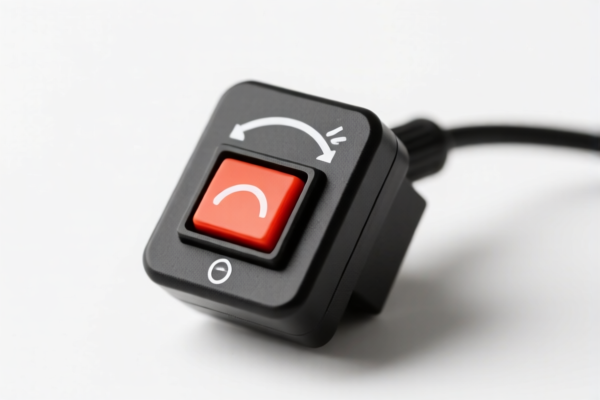
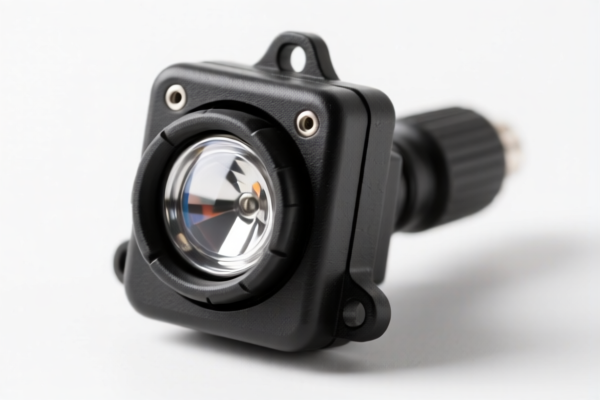
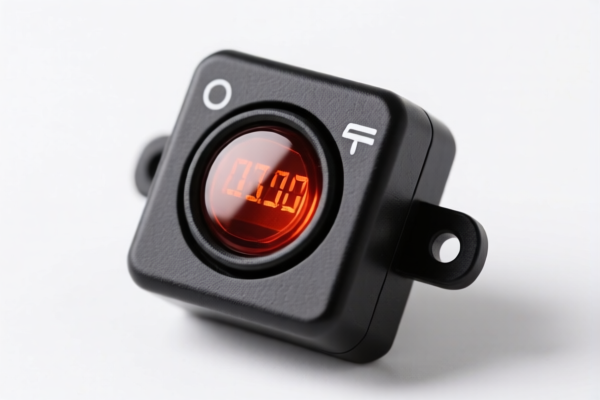
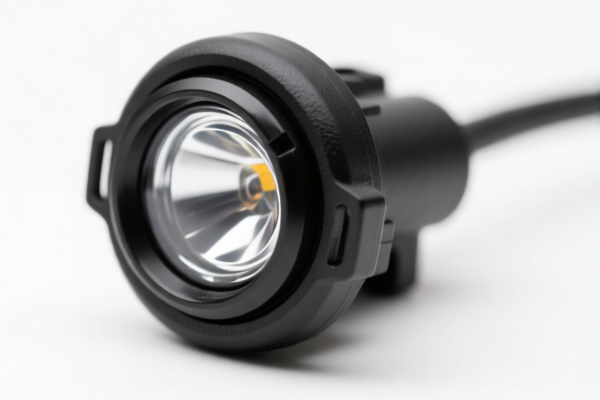
AI Analysis
🚗 Headlight Control Module: HS Code Classification & US Customs Clearance Guide (2026)
🌐 HS Code Reference & Customs Strategy | 2026 Latest Tariff Analysis | Professional Clearance Tactics
📌 I. Product Definition & Classification: What is a "Headlight Control Module"?
A Headlight Control Module is an essential electronic component in modern automotive systems. It acts as the "brain" for vehicle lighting, managing power distribution, signal processing, and control logic for headlights (LED, HID, or Halogen).
In international trade, its classification depends heavily on whether it is viewed as a lighting component or an electrical control device. This distinction drastically affects the applicable tariff rates.
⚠️ Key Classification Dilemma:
- If viewed as a part of a lighting system (e.g., part of a headlight assembly) → Potential HS Codes:8512or9405.
- If viewed as an electrical control apparatus (managing voltage/current for other devices) → Potential HS Code:8537.
📦 II. HS Code Classification Details (2026 Authoritative Reference)
Based on the available data, there are four primary HS Code candidates for Headlight Control Modules. Each has a different tax implication.
| HS Code | Product Description (Summary) | Classification Logic | Total Tax Rate |
|---|---|---|---|
8512.20.20.40 |
Lighting Equipment Components | The module is considered a component of a lighting device, fitting the form of lighting equipment under HS 8512.20. | 35.0% |
8512.20.20.80 |
Other Lighting Equipment Components | Considered an "other" lighting component, falling under the residual catch-all category for lighting equipment. | 35.0% |
8537.10.91.70 |
Electrical Control/Allocation Apparatus | The module is an automotive electronic control unit, fitting the use of electrical control/distribution equipment with voltage ≤1000V. | 37.7% |
9405.42.60.00 |
Other Electric Lamps | Considered an electric lamp component, fitting the residual category for "other electric lamps." | 41.0% |
🔍 Key Insight:
- Lowest Tax Rate:8512.20.20.40/8512.20.20.80(35.0%)
- Highest Tax Rate:9405.42.60.00(41.0%)
- Middle Ground:8537.10.91.70(37.7%)Note: The classification hinges on whether customs authorities view the module as a "lighting part" (Chapter 85 or 94) or a "control panel/unit" (Chapter 85, Heading 8537).
💰 III. 2026 Latest Tariff Rate Breakdown (Including Surcharges)
✅ Applicable Country: United States (US)
✅ Origin: China (CN)
✅ Effective Date: 2025/2026 Import Period
🎯 1. HS Codes: 8512.20.20.40 & 8512.20.20.80 (Lighting Components)
Total Tax Rate: 35.0%
| Item | Detail |
|---|---|
| Base Tariff | 0.0% (ad valorem) |
| Section 301 Tariff (USITC) | +25.0% |
| Section 122 Tariff (IEEPA) | +10.0% |
| Total Effective Rate | 35.0% |
| Tax Calculation | CIF Value × 35.0% |
| De Minimis Exemption | ❌ Not Applicable |
| Legal Basis | USITC:8512.20.20.40 / 8512.20.20.80 + Surcharges |
📌 Explanation:
- The 0% base rate reflects the general duty for lighting parts.
- The 25% Section 301 tariff is the primary trade remedy against Chinese goods.
- The 10% Section 122 tariff (often associated with national security or specific trade laws) adds to the burden.
- Result: A significant cost impact. These codes are competitive because the base is 0%.
🎯 2. HS Code: 8537.10.91.70 (Electrical Control Apparatus)
Total Tax Rate: 37.7%
| Item | Detail |
|---|---|
| Base Tariff | 2.7% (ad valorem) |
| Section 301 Tariff (USITC) | +25.0% |
| Section 122 Tariff (IEEPA) | +10.0% |
| Total Effective Rate | 37.7% |
| Tax Calculation | CIF Value × 37.7% |
| De Minimis Exemption | ❌ Not Applicable |
| Legal Basis | USITC:8537.10.91.70 + Surcharges |
📌 Explanation:
- The 2.7% base rate applies because electrical control boards are generally taxed.
- The 25% + 10% surcharges are applied on top of the base.
- Result: Slightly higher than the lighting component codes. However, this classification is often more technically accurate for ECUs (Electronic Control Units) that manage complex logic rather than just passing current.
🎯 3. HS Code: 9405.42.60.00 (Other Electric Lamps)
Total Tax Rate: 41.0%
| Item | Detail |
|---|---|
| Base Tariff | 6.0% (ad valorem) |
| Section 301 Tariff (USITC) | +25.0% |
| Section 122 Tariff (IEEPA) | +10.0% |
| Total Effective Rate | 41.0% |
| Tax Calculation | CIF Value × 41.0% |
| De Minimis Exemption | ❌ Not Applicable |
| Legal Basis | USITC:9405.42.60.00 + Surcharges |
📌 Explanation:
- This is the most expensive option.
- The 6.0% base rate is higher, leading to a higher final tax.
- Recommendation: Avoid this classification if possible, as it offers no technical advantage over8512or8537.
🛠️ IV. Customs Clearance Practical Advice (Avoid Pitfalls)
✅ 1. Documentation Checklist (Mandatory)
| Document | Required? | Explanation |
|---|---|---|
| ✅ Product Specification Sheet | ✔️ | Must detail voltage, current, function (control vs. lighting), and interface types. |
| ✅ Circuit Diagram / Schematic | ✔️ | Crucial to prove if it's a "control unit" (8537) or a "lighting part" (8512). |
| ✅ Product Photos (with Labels) | ✔️ | Show model number, voltage ratings, and any "LED/Light" branding. |
| ✅ Commercial Invoice | ✔️ | Must clearly state "Headlight Control Module" or "Automotive ECU for Lighting." Avoid vague terms like "Light." |
| ✅ Certificate of Origin (CO) | ✔️ | Required for determining origin and applying surcharges. |
| ✅ Packing List | ✔️ | Separate headlight assemblies (if shipped) from control modules to avoid misclassification. |
✅ 2. Declaration Strategy (Key Mantras)
🔥 "Function Dictates Code, Control vs. Light, Choose Wisely!"
| Scenario | Recommended HS Code | Reason |
|---|---|---|
| Module primarily manages signals/voltage for headlights | 8537.10.91.70 |
Technically an electrical control apparatus. Accurate for ECUs. |
| Module is physically integrated into the headlight housing | 8512.20.20.40 |
Treated as a part of the lighting device. Lower tax (35%). |
| Module is a standalone unit with complex logic | 8537.10.91.70 |
Harder to justify as a simple lighting part; control function dominates. |
| Any "Light" related generic term | Avoid 9405 |
Too high tax (41%) and less specific than 8512/8537. |
✅ 3. Special Considerations
| Situation | Advice |
|---|---|
| OEM Custom Modules | Provide the car manufacturer’s part number and specification. This helps customs verify the "automotive control" aspect for 8537. |
| Shipped with Headlights | If the module is already installed in the headlight assembly, declare the entire assembly as a headlight (8512.20) to potentially benefit from lower base rates, but ensure the description matches. |
| Dispute Resolution | If customs challenges 8512 for a standalone control unit, be prepared to argue that the primary function is lighting system integration rather than general electrical control. |
🌍 V. Global Market Comparison (2026 Snapshot)
| Market | Recommended HS Code | Est. Duty (China Origin) | Notes |
|---|---|---|---|
| 🇺🇸 USA | 8512.20.20.40 or 8537.10.91.70 |
35.0% - 37.7% | High surcharges (301 + 122). |
| 🇨🇳 China | 8537.10.91.70 (Typical) |
~2.7% - 13% | Lower base rates, no Section 301. |
| 🇪🇺 EU | 8537.10.99 (Typical) |
0% - 4% | No Section 301 surcharges. |
| 🇯🇵 Japan | 8537.10.90 (Typical) |
0% - 5% | No Section 301 surcharges. |
📌 Conclusion:
The US market is significantly more expensive due to trade policy surcharges.
Strategy: For US exports, ensure your product description and technical documentation strongly support the 35.0% classification (8512) if the module is tightly integrated with lighting, or accept the 37.7% (8537) if it’s a standalone ECU. Do not use9405unless technically necessary, as it is the most costly.
📌 VI. Common Errors & Pitfalls (Lessons Learned)
❌ Error 1: Misclassifying a standalone ECU as a "Light Part" (8512) without integration proof.
👉 Consequence: Customs may reclassify to 8537, leading to delays, but tax difference is small (2.7%). However, if they view it as a generic electrical part, penalties may apply.
❌ Error 2: Using vague descriptions like "Car Light" in the invoice.
👉 Consequence: Customs may default to the highest tax rate (9405 at 41%) or demand extensive documentation.
❌ Error 3: Ignoring the Section 122 and 301 surcharges in cost calculations.
👉 Consequence: Profit margin erosion. A 35% vs. 41% difference is massive on high-volume shipments.
✅ Correct Practice:
"Automotive Headlight Control Module, Voltage: 12V, Function: Signal Processing for LED Headlights, Model: XYZ, Part No: ABC123"
🎯 VII. Conclusion: Precision is Profit!
🎯 Key Takeaways:
1. Best Tax Rate: 8512.20.20.40 (35.0%) is the most advantageous if the module can be justified as a lighting component.
2. Most Accurate Technical Fit: 8537.10.91.70 (37.7%) for standalone electronic control units.
3. Avoid: 9405.42.60.00 (41.0%) unless no other option exists.
🔹 "Classify as Lighting Part if possible, Control Unit if necessary, Never as Generic Lamp!"
🔹 "Always document the function: Control vs. Illumination!"
📌 Pro Tip:
If your supply chain allows, consider shifting production or final assembly to non-China origins (e.g., Vietnam, Mexico) to mitigate Section 301 and 122 surcharges. For US imports, Apply for an Advance Ruling from CBP to lock in your HS Code before shipment.
📣 Immediate Action:
📞 Consult a customs broker with your circuit diagrams.
📝 Prepare a Technical Justification Memo supporting either8512or8537.
🚀 Optimize your HS Code, save up to 6% in duties!
✨ Professional Customs Clearance Starts with Accurate Classification!
💼 Every percentage point matters in global trade.
Customer Reviews
About HS Code Classification
The Harmonized System (HS) is an internationally standardized nomenclature developed by the World Customs Organization (WCO) to classify traded products. Over 200 countries use the HS system as the basis for customs tariffs, trade statistics, and import/export regulations.
Each HS code follows a hierarchical structure:
- Chapter (2 digits) — Broad category of goods (e.g., Chapter 84: Machinery and Mechanical Appliances)
- Heading (4 digits) — More specific grouping within the chapter
- Subheading (6 digits) — Internationally standardized breakdown, used by all WCO member countries
- National subdivisions (8-10 digits) — Country-specific extensions for further classification, such as US HTSUS 10-digit codes
Correct HS code classification is essential for smooth customs clearance, accurate duty payment, and compliance with trade regulations. Misclassification can lead to customs delays, overpayment of duties, or penalties.
When importing from CN to US, the applicable tariff rates may include:
- Most-Favored-Nation (MFN) rate — The standard duty rate applied to WTO members
- General rate — Applied to countries without trade agreements
- Trade remedy duties — Additional tariffs such as Section 301 (anti-dumping), Section 232 (national security), or countervailing duties
The information provided on this page is for reference purposes only. For official classification, please consult with your local customs authority or a licensed customs broker.