Headlight Cover
CN → US| HS Code | Tariff Rate | Origin | Destination | Doc |
|---|---|---|---|---|
| 7020004000 | 41.6% | CN | US | Official Doc |
| 9405920000 | 38.7% | CN | US | Official Doc |
| 9405913000 | 47.0% | CN | US | Official Doc |
| 7020006000 | 40.0% | CN | US | Official Doc |
Product Images
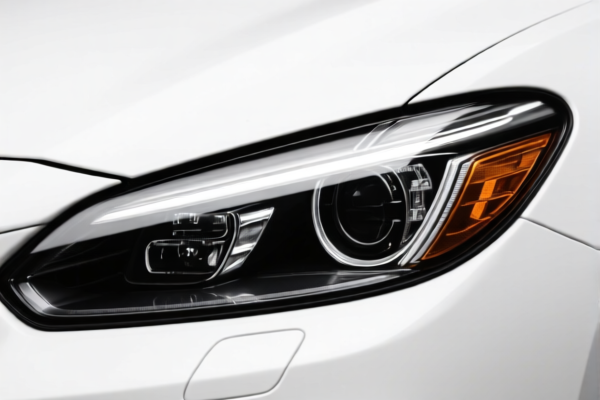
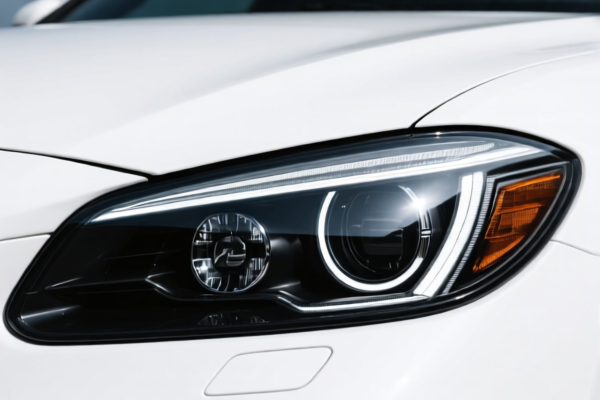
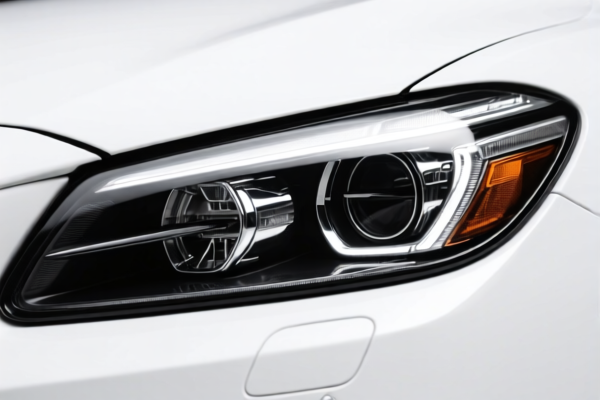
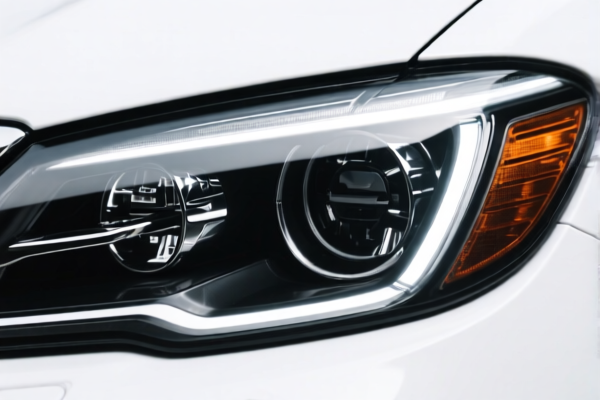
AI Analysis
🚗 Headlight Cover (Automotive Lighting Assembly Component)
🌐 HS Code Reference & Customs Clearance Guide | 2026 Latest Tariff Analysis | Professional Clearance Strategy
📌 I. Product Definition & Classification: What Exactly is a "Headlight Cover"?
A Headlight Cover (often referred to as a Headlight Lens or Housing Cover) is a critical component of an automotive lighting system. Its primary functions are protection (against water, dust, and impact) and light distribution/refraction.
In international trade, classification hinges on two main factors: 1. Material: Is it made of Glass, Plastic, or another material? 2. Function: Is it treated as a standalone article or a "part" of a larger apparatus (like a lamp)?
⚠️ Key Classification Distinction:
- If the cover is clearly identifiable as a part/accessory of a lamp (HS Chapter 94), it often falls under 9405.92.
- If the cover is classified as a generic glass article (HS Chapter 70) due to specific material rules or lack of specific "part" definition in Chapter 94, it may fall under 7020.
- Note: The provided data offers four distinct classification paths with varying tax implications.
📦 II. HS Code Classification Details (Based on Provided Data)
The following HS Codes are derived from the specific dataset provided. Each code represents a different interpretive angle regarding material and function.
| HS Code | Product Description & Logic | Material Inference | Total Tax Rate |
|---|---|---|---|
7020.00.40.00 |
Glass Accessory/Part: Classified under glass articles. Inferred as a glass accessory due to "parts/accessories defaulting to material category" rules. | Glass (Inferred) | 41.6% |
9405.92.00.00 |
Lamp Part (Plastic/Metal): Classified as a part of a lighting fixture. Inferred as plastic or metal based on common automotive lamp parts, fitting the "other parts" definition. | Plastic/Metal (Inferred) | 38.7% |
9405.91.30.00 |
Glass Lamp Part: Explicitly matches form (cover) and function (lamp part). Defaults to glass due to "parts/other" category rules when material is unspecified. | Glass (Inferred) | 47.0% |
7020.00.60.00 |
Other Glass Article: Classified under "other glass articles." Uses the "catch-all" principle for glass items, assuming glass material by common sense. | Glass (Inferred) | 40.0% |
🔍 Critical Insight:
- The choice between Chapter 70 (Glass) and Chapter 94 (Lamps) depends heavily on the actual material and how customs officials interpret the "part vs. product" rule.
- Plastic/Metal covers typically fall under 9405.92.
- Glass covers have multiple potential headings (7020.00.40, 7020.00.60, or 9405.91.30), leading to significant tax differences.
💰 III. 2026 Latest Tariff Rate Breakdown (Detailed Tax Analysis)
✅ Applicable Market: United States (US)
✅ Origin: China (CN)
✅ Effective Date: November 10, 2025 (and onwards)
The total tax rate consists of three components: 1. Base Tariff: Standard Most Favored Nation (MFN) rate. 2. Section 301 Tariff: 25% additional duty on Chinese goods. 3. Section 122 Tariff: 10% additional duty (specific to certain categories).
🎯 1. 7020.00.40.00 – Glass Accessory (Glass Category)
| Item | Content |
|---|---|
| Base Tariff | 6.6% |
| Section 301 Tariff | +25.0% |
| Section 122 Tariff | +10.0% |
| Total Effective Rate | 41.6% |
| Calculation | CIF Value × 41.6% |
| De Minimis Exemption | ❌ Not Eligible (High rate exceeds typical de minimis thresholds) |
| Legal Basis Path | USITC:7020.00.40.00 → Section 301: Footnote 9903.88.01 → Section 122 |
📌 Explanation:
- This classification treats the headlight cover primarily as a glass item rather than a lamp part.
- The high base rate (6.6%) combined with the full 25% + 10% add-ons results in a 41.6% total duty.
🎯 2. 9405.92.00.00 – Lamp Part (Plastic/Metal Category)
| Item | Content |
|---|---|
| Base Tariff | 3.7% |
| Section 301 Tariff | +25.0% |
| Section 122 Tariff | +10.0% |
| Total Effective Rate | 38.7% |
| Calculation | CIF Value × 38.7% |
| De Minimis Exemption | ❌ Not Eligible |
| Legal Basis Path | USITC:9405.92.00.00 → Section 301: Footnote 9903.88.01 → Section 122 |
📌 Explanation:
- This is the most common classification for automotive headlight covers made of polycarbonate (PC) or ABS plastic.
- It benefits from a lower base tariff (3.7%) compared to the glass category.
- Total Tax: 38.7% – This is the lowest risk/cost option among the four, provided the material is indeed non-glass.
🎯 3. 9405.91.30.00 – Glass Lamp Part (Specific Glass Part)
| Item | Content |
|---|---|
| Base Tariff | 12.0% |
| Section 301 Tariff | +25.0% |
| Section 122 Tariff | +10.0% |
| Total Effective Rate | 47.0% |
| Calculation | CIF Value × 47.0% |
| De Minimis Exemption | ❌ Not Eligible |
| Legal Basis Path | USITC:9405.91.30.00 → Section 301: Footnote 9903.88.01 → Section 122 |
📌 Explanation:
- This is the most expensive option.
- It applies if the cover is glass AND customs insists it is a "part of a lamp" rather than a generic glass article.
- The high base rate (12.0%) drives the total to 47.0%. Avoid this classification if possible.
🎯 4. 7020.00.60.00 – Other Glass Articles (Catch-All Glass)
| Item | Content |
|---|---|
| Base Tariff | 5.0% |
| Section 301 Tariff | +25.0% |
| Section 122 Tariff | +10.0% |
| Total Effective Rate | 40.0% |
| Calculation | CIF Value × 40.0% |
| De Minimis Exemption | ❌ Not Eligible |
| Legal Basis Path | USITC:7020.00.60.00 → Section 301: Footnote 9903.88.01 → Section 122 |
📌 Explanation:
- A middle-ground option for glass covers.
- Lower base rate (5.0%) than7020.00.40.00but still subject to high add-ons.
- Total Tax: 40.0%.
🛠️ IV. Customs Clearance Practical Advice (Avoiding Pitfalls)
✅ 1. Essential Documentation Checklist
| Document | Required? | Purpose |
|---|---|---|
| ✅ Product Specification Sheet | ✔️ | Must explicitly state Material (e.g., "Polycarbonate," "Glass," "ABS"). This is the #1 factor for HS Code determination. |
| ✅ Material Safety Data Sheet (MSDS) | ✔️ | Proves chemical composition if material is ambiguous. |
| ✅ Photos (Front, Side, Cross-Section) | ✔️ | Shows if it is a standalone lens or part of a housing. |
| ✅ Commercial Invoice | ✔️ | Description should be precise: "Automotive Headlight Cover Lens, Made of Polycarbonate, Model XYZ." |
| ✅ Certificate of Origin | ✔️ | Confirms Chinese origin to apply correct Section 301/122 tariffs. |
| ✅ Packaging List | ✔️ | Shows if covers are packed with lamps (risk of misclassification) or separately. |
✅ 2. Declaration Strategy (Key Mnemonics)
🔥 "Material First, Function Second; Plastic Wins, Glass Burns!"
| Scenario | Recommended HS Code | Tax Rate | Why? |
|---|---|---|---|
| Plastic/Polycarbonate Cover | 9405.92.00.00 |
38.7% | Lowest base tariff (3.7%) for lamp parts. |
| Glass Cover (Generic) | 7020.00.60.00 |
40.0% | Lower base tariff (5.0%) than other glass options. |
| Glass Cover (Accessory) | 7020.00.40.00 |
41.6% | Higher base tariff (6.6%) for glass accessories. |
| Glass Cover (Lamp Part) | 9405.91.30.00 |
47.0% | HIGHEST TAX. Avoid if material is glass; try to argue for Chapter 70 instead. |
⚠️ Critical Warning:
- Do NOT declare "Lamp" or "Light Assembly" if you are only importing the cover/lens. Declaring it as a complete lamp assembly may trigger different, potentially higher, inspection requirements.
- Be precise with material: If you declare "Plastic" but customs finds it's glass, you will face penalties, back-taxes, and delays.
✅ 3. Special Cases & Mitigation
| Situation | Handling Advice |
|---|---|
| Hybrid Materials (e.g., Plastic lens with glass coating) | Declare as Plastic (9405.92) if the primary structural material is plastic. Provide technical data to prove the coating is thin/secondary. |
| OEM for Specific Car Brands | Ensure the invoice mentions "For [Brand] Vehicle Parts" to support the "Part of Lamp" classification under 9405.92. |
| Unspecified Material | Customs will infer based on appearance. If it looks like glass, they may assign 7020 codes. Always specify material in documentation. |
| Small Shipments (De Minimis) | Note: Even if value is under $800 (Section 321), Section 301 (25%) and Section 122 (10%) tariffs generally still apply to Chinese-origin goods. Do not assume de minimis exemption. |
🌍 V. Global Market Comparison (2026 Update)
| Market | Recommended HS Code | Approx. Tariff (CN Origin) | Key Requirement |
|---|---|---|---|
| 🇺🇸 USA | 9405.92.00.00 |
38.7% (Plastic) | Section 301 + 122 Tariffs Apply |
| 🇪🇺 EU | 9405.99.00 |
~2.9% (No 25%/10%) | CE Marking, RoHS Compliance |
| 🇨🇳 China | 9405.92.00 |
~5% (Import Duty) | CCC Certification (if complete lamp) |
| 🇯🇵 Japan | 9405.92.00 |
~5.3% | JIS Standard Compliance |
📌 Conclusion:
- The USA is the most expensive market due to the叠加 (stacking) of Base Tariff + 25% Section 301 + 10% Section 122.
- For US imports,9405.92.00.00(Plastic Lamp Part) is the optimal classification for cost savings.
- Glass classifications carry a 40-47% tax burden, which is significantly higher.
📌 VI. Common Mistakes & Pitfalls (Lessons Learned)
❌ Mistake 1: Declaring a Glass Cover as 9405.92.00.00
👉 Result: Customs inspects, finds it's glass, reclassifies to 9405.91.30.00 → Back taxes of 8.3% + Penalties!
❌ Mistake 2: Declaring "Headlight Assembly" when only "Cover" is shipped
👉 Result: Value mismatch with invoice, leading to Hold at Port and potential Seizure.
❌ Mistake 3: Ignoring Section 122 Tariff
👉 Result: Underpaying by 10%. Even if Section 301 is debated, Section 122 may still apply. Always include 10% in cost calculations.
✅ Correct Approach:
"Automotive Headlight Lens, Polycarbonate, Unmounted, Model XYZ, For Replacement Use, Made in China"
🎯 VII. Conclusion: Professional Declaration for Cost Optimization
🎯 Remember the Golden Rule:
🔹 "Plastic is King:
9405.92(38.7%) is cheaper than Glass (7020or9405.91)."
🔹 "Specify Material Clearly: Ambiguity leads to higher tariffs and delays."
📌 Pro Tip:
If your headlight covers are made of high-impact plastic (Polycarbonate), ensure your commercial invoice and specs explicitly state "POLYCARBONATE" or "PLASTIC". This supports the 9405.92.00.00 classification, saving you 1.3% to 8.3% compared to glass classifications.
📣 Immediate Action:
📞 Consult a Customs Broker to confirm the material breakdown.
📝 Update Your Invoice Template to include exact material composition.
🚀 Calculate Landed Cost using 38.7% (for plastic) to ensure profitability.
✨ Professional Customs Clearance Starts with Accurate Classification!
💼 Every Percentage Point Saved is Pure Profit!
Customer Reviews
About HS Code Classification
The Harmonized System (HS) is an internationally standardized nomenclature developed by the World Customs Organization (WCO) to classify traded products. Over 200 countries use the HS system as the basis for customs tariffs, trade statistics, and import/export regulations.
Each HS code follows a hierarchical structure:
- Chapter (2 digits) — Broad category of goods (e.g., Chapter 84: Machinery and Mechanical Appliances)
- Heading (4 digits) — More specific grouping within the chapter
- Subheading (6 digits) — Internationally standardized breakdown, used by all WCO member countries
- National subdivisions (8-10 digits) — Country-specific extensions for further classification, such as US HTSUS 10-digit codes
Correct HS code classification is essential for smooth customs clearance, accurate duty payment, and compliance with trade regulations. Misclassification can lead to customs delays, overpayment of duties, or penalties.
When importing from CN to US, the applicable tariff rates may include:
- Most-Favored-Nation (MFN) rate — The standard duty rate applied to WTO members
- General rate — Applied to countries without trade agreements
- Trade remedy duties — Additional tariffs such as Section 301 (anti-dumping), Section 232 (national security), or countervailing duties
The information provided on this page is for reference purposes only. For official classification, please consult with your local customs authority or a licensed customs broker.