Headphone Protective Case
CN → US| HS Code | Tariff Rate | Origin | Destination | Doc |
|---|---|---|---|---|
| 8518908100 | 35.0% | CN | US | Official Doc |
| 8518904100 | 35.0% | CN | US | Official Doc |
| 3926909989 | 22.8% | CN | US | Official Doc |
| 4202929400 | 52.6% | CN | US | Official Doc |
| 8517790000 | 67.5% | CN | US | Official Doc |
Product Images
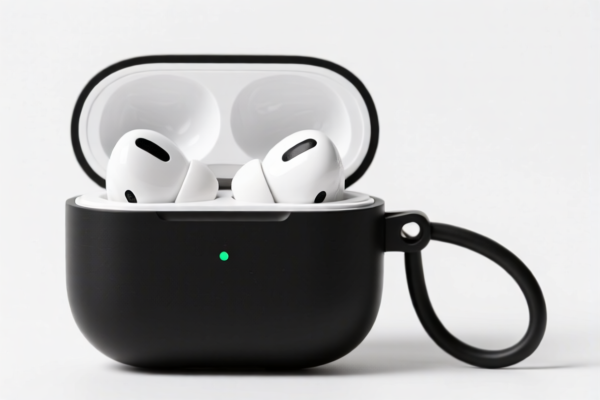
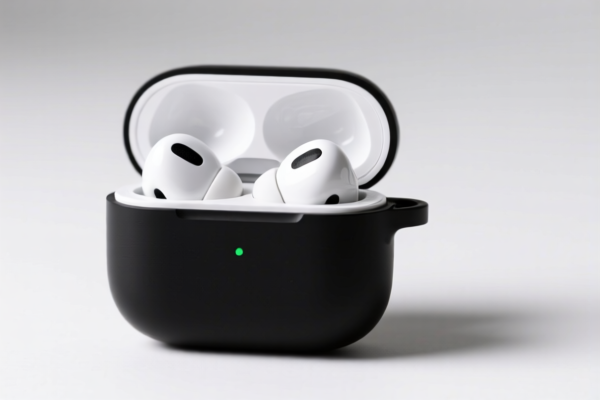
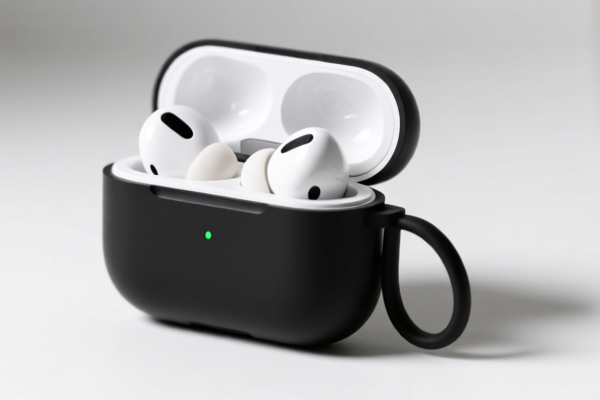

AI Analysis
🎧 Headphone Protective Case (The "Shell")
🌐 HS Code Reference & Customs Clearance Guide | 2026 Latest Tariff Analysis | Professional Clearance Strategy 📌 I. Product Definition & Classification: Do You Really Know the "Shell"?
The "Headphone Protective Case" (often referred to simply as the "Shell" or "Cover") is a critical accessory in the audio industry. In international trade, its classification depends heavily on its material composition and its functional relationship to the primary product (the headphones).
It generally falls into two competing categories: 1. Parts of Audio Equipment: If viewed strictly as an integral part of the headphone unit (e.g., a hard shell designed specifically for a specific model of headphones), it may be classified under Chapter 85 (Electrical Machinery). 2. Plastic Textile Containers: If viewed as a generic container or packaging accessory made of plastic, it may be classified under Chapter 39 (Plastics) or Chapter 42 (Articles of Leather/Plastic Sheets).
⚠️ Key Distinction Point: - If it is a generic plastic shell used for protection/storage without specific electronic integration → Likely 3926 or 4202. - If it is considered a specific part of an audio device → Likely 8518 or 8517.
📦 II. HS Code Classification Details (2026 Latest Tariff Authority Comparison)
Based on the provided data, here are the four potential HS Codes for "Headphone Protective Case" and the reasoning for each:
| HS Code | Product Description | Classification Logic & Summary |
|---|---|---|
8518.90.81.00 |
Parts of Headphones | Logic: The "shell" is regarded as a component of audio equipment. Although the material isn't specified, common sense infers plastic or metal. It fits the classification of "audio equipment parts." |
8518.90.41.00 |
Parts of Audio Devices | Logic: The term "Shell" falls under the category of "parts." It fits the definition of parts; headphones' material and usage are inferred via common sense to be audio equipment accessories. |
3926.90.99.89 |
Other Plastic Articles | Logic: The case is considered a "spare part/component" and, based on common sense, inferred to be made of plastic. It fits the fallback classification for "Other Plastic Articles." |
4202.92.94.00 |
Containers/Cases of Plastic | Logic: The case belongs to "containers/shells," fitting the morphological description of protective containers. Materials like plastic or metal do not conflict with plastic/textile requirements. |
🔍 Critical Note: - The classification drastically changes the tax burden, ranging from 22.8% to 67.5%. -
8518codes assume the item is an electronic part. -3926and4202codes assume the item is a generic container/packaging item.
💰 III. 2026 Latest Tariff Rate Detailed Breakdown (Including Surcharges, Policy Add-ons)
✅ Applicable Country: United States (US) ✅ Origin: China (CN) ✅ Effective Time: Current 2026 Regulations (Post-Section 301 & IEEPA Rules)
🎯 1. 8518.90.81.00 & 8518.90.41.00 —— Parts of Audio Equipment
| Item | Content |
|---|---|
| Base Tariff | 0.0% (Ad Valorem) |
| Section 301 Surcharge | +25.0% (From USITC Footnote 9903.88.01 / Section 301 List 4A) |
| IEEPA Surcharge | +10.0% (Against China/HK products, effective from Nov 10, 2025) |
| Total Tariff Rate | 35.0% |
| Tax Calculation | CIF Value × 35% |
| De Minimis Exemption? | ❌ NO (Not eligible for de minimis relief under current strict enforcement) |
| Legal Basis Path | Base: 0% → Sec 301: +25% → IEEPA: +10% |
📌 Explanation: - Although the base tariff for electrical parts is often low (0-5%), the Section 301 and IEEPA surcharges apply heavily to audio accessories from China. - Total 35% is significant. Misclassifying a plastic case as an electronic part might trigger scrutiny if the item has no electronic function.
🎯 2. 3926.90.99.89 —— Other Plastic Articles
| Item | Content |
|---|---|
| Base Tariff | 5.3% |
| Section 301 Surcharge | +7.5% (Note: Some plastic articles have lower 301 rates depending on specific subheadings or exclusions, but data specifies 7.5%) |
| IEEPA Surcharge | +10.0% |
| Total Tariff Rate | 22.8% |
| Tax Calculation | CIF Value × 22.8% |
| De Minimis Exemption? | ❌ NO |
| Legal Basis Path | Base: 5.3% → Sec 301: +7.5% → IEEPA: +10% |
📌 Analysis: - This is the most cost-effective classification among the four options. - By classifying the "shell" as a generic plastic article (
3926) rather than a specific electronic part, you save 12.2% in total tariffs compared to the8518codes.
🎯 3. 4202.92.94.00 —— Containers/Cases
| Item | Content |
|---|---|
| Base Tariff | 17.6% |
| Section 301 Surcharge | +25.0% |
| IEEPA Surcharge | +10.0% |
| Total Tariff Rate | 52.6% |
| Tax Calculation | CIF Value × 52.6% |
| De Minimis Exemption? | ❌ NO |
| Legal Basis Path | Base: 17.6% → Sec 301: +25% → IEEPA: +10% |
📌 Analysis: - High base tariff (17.6%) makes this classification expensive. - Similar to the headphone parts, it incurs the full 25% Section 301 surcharge.
🎯 4. 8517.79.00.00 —— Other Parts of Telecommunication Equipment
| Item | Content |
|---|---|
| Base Tariff | 0.0% |
| Section 301 Surcharge | +7.5% |
| IEEPA Surcharge | +10.0% |
| Base Metal Surcharge | +50.0% (If made of Steel, Aluminum, or Copper) |
| Total Tariff Rate | 67.5% (Plastic) / 117.5% (Metal) |
| Tax Calculation | CIF Value × 67.5% (Plastic) |
| De Minimis Exemption? | ❌ NO |
| Legal Basis Path | Base: 0% → Sec 301: +7.5% → IEEPA: +10% → Metal Add-on: +50% |
📌 Warning: - This code is for telecommunications parts, not audio. Misclassifying headphone cases here is risky. - If the case is made of metal (steel/aluminum/copper), the total tariff skyrockets to 117.5% due to the additional 50% surcharge. Avoid this code unless it is a specific telecom component.
🛠️ IV. Customs Clearance Practical Advice (Battle-Tested Pitfall Avoidance)
✅ 1. Preparation Checklist (Non-Negotiable)
| Document | Required | Description |
|---|---|---|
| ✅ Product Specification Sheet | ✔️ | Must clearly state Material (Plastic vs. Metal vs. Fabric). This is the #1 determinant for HS Code. |
| ✅ Product Photos | ✔️ | Show the case from all angles. Label "Protective Case for Headphones." |
| ✅ Commercial Invoice | ✔️ | Do NOT just write "Case." Use precise descriptions: "Hard Plastic Protective Shell for Audio Headphones, Model XYZ." |
| ✅ HS Code Pre-Ruling | ✔️ | Recommended. Given the dispute between 3926 (Plastic) and 8518 (Audio Part), a pre-ruling from CBP protects you from retrospective audits. |
| ✅ Duty Exemption Docs | ❌ | Unlikely to apply for de minimis. Ensure full documentation for CIF value. |
✅ 2. Declaration Strategy (Key Tips)
🔥 "Material Defines Code, Function Defines Context, Avoid Metal Metal!"
| Scenario | Recommended HS Code | Reasoning | Risk |
|---|---|---|---|
| Generic Plastic Shell | 3926.90.99.89 |
Purely a container/plastic article. Lowest tax burden. | Low risk if material is clearly plastic. |
| Specific Audio Part | 8518.90.81.00 |
If it fits only one specific headphone model and is sold as a replacement part. | Medium risk. Must prove it's an "electrical part" not just packaging. |
| Fabric/Leather Case | 4202.92.94.00 |
If made of textile/leather coated with plastic. | High tax (52.6%). Avoid if plastic-only option exists. |
| Metal Case | AVOID 8517.79.00.00 |
Triggers 50% additional surcharge. | Critical Avoidance. Classify as plastic article 3926 if possible, or re-evaluate structure. |
✅ 3. Special Case Handling
| Situation | Handling Advice |
|---|---|
| Mixed Materials | If the case is plastic with metal hinges/latches, declare as Plastic Article (3926) if plastic is the principal material. Disclose metal parts as accessories. |
| OEM Branded Cases | If branded with a headphone company, CBP may lean toward 8518. Ensure the invoice distinguishes it as a "protective case" (container) rather than an "electrical component." |
| Empty vs. With Headphones | Empty Case: Declare as case (3926/4202/8518). With Headphones: Declare the whole set. The headphone code ( 8518.30 or similar) usually dominates. Do not separate duties for the shell unless it's a separate shipment. |
🌍 V. Global Market Customs Comparison (2026 Latest)
| Country/Region | Recommended HS Code | Est. Tariff | Certification Req. | Notes |
|---|---|---|---|---|
| 🇺🇸 USA | 3926.90.99.89 |
22.8% | None specific | Best for plastic cases. Avoid 8517 (Metal). |
| 🇨🇳 China | 3926.90.99.89 |
5-10% | CCC (if electronic, but case is not) | No Section 301/IEEPA surcharges. |
| 🇪🇺 EU | 3926.90.99.89 |
4-6% | CE (if electronic part, but case is not) | No surcharges. Standard MFN rates apply. |
| 🇬🇧 UK | 3926.90.99.89 |
4-6% | UKCA | Post-Brexit rules similar to EU. |
📌 Conclusion: - The USA is the only major market imposing heavy surcharges (35-67%) on these items from China. - China-origin plastic cases are best classified under
3926to minimize the 22.8% total duty. - Electronics-based classifications (8518) offer no tariff advantage due to the 35% total rate, despite 0% base.
📌 VI. Common Errors & Pitfalls (Lessons from the Field)
❌ Mistake 1: Classifying a plastic case as 8518.90.81.00 thinking it saves money.
👉 Result: You pay 35% instead of 22.8%. Lost 12.2% margin!
❌ Mistake 2: Declaring a metal case as plastic.
👉 Result: If inspected and found to be metal, the 8517.79.00.00 code applies 50% extra surcharge. Total duty could exceed 100%. Severe penalty risk.
❌ Mistake 3: Using vague descriptions like "Case" or "Cover."
👉 Result: Customs brokers may guess 8518 or 4202. If they guess 4202, you pay 52.6%. Always specify Material and Use.
✅ Correct Declaration Example:
"Hard Protective Case for Headphones, Made of ABS Plastic, Empty, Model HP-CASE-01" ➡️ HS Code:
3926.90.99.89➡️ Duty: 22.8%
🎯 VII. Conclusion: Professional Declaration, Save Costs, Ensure Clearance!
🎯 Remember the Golden Rule:
🔹 "Plastic Shell? Go to 3926. Save 12%! No Electronics? Don't use 8518." 🔹 "Metal Parts? Watch out for 50% Surcharge. Keep it plastic if possible."
📌 Pro Tip: If your volume is high, consider Supply Chain Diversification. Sourcing headphone cases from Vietnam or Mexico may allow for IEEPA Exemptions, reducing the US tariff to 0%-5%.
📣 Immediate Action:
📞 Contact your freight forwarder. 📝 Provide Material Composition (Plastic vs. Metal vs. Fabric). 📜 Apply for HS Code Pre-Ruling if unsure between
3926and8518.
✨ Professional Clearance Starts with Precise Classification! 💼 Every percentage point saved is pure profit!
Customer Reviews
About HS Code Classification
The Harmonized System (HS) is an internationally standardized nomenclature developed by the World Customs Organization (WCO) to classify traded products. Over 200 countries use the HS system as the basis for customs tariffs, trade statistics, and import/export regulations.
Each HS code follows a hierarchical structure:
- Chapter (2 digits) — Broad category of goods (e.g., Chapter 84: Machinery and Mechanical Appliances)
- Heading (4 digits) — More specific grouping within the chapter
- Subheading (6 digits) — Internationally standardized breakdown, used by all WCO member countries
- National subdivisions (8-10 digits) — Country-specific extensions for further classification, such as US HTSUS 10-digit codes
Correct HS code classification is essential for smooth customs clearance, accurate duty payment, and compliance with trade regulations. Misclassification can lead to customs delays, overpayment of duties, or penalties.
When importing from CN to US, the applicable tariff rates may include:
- Most-Favored-Nation (MFN) rate — The standard duty rate applied to WTO members
- General rate — Applied to countries without trade agreements
- Trade remedy duties — Additional tariffs such as Section 301 (anti-dumping), Section 232 (national security), or countervailing duties
The information provided on this page is for reference purposes only. For official classification, please consult with your local customs authority or a licensed customs broker.