Headphones and Earplugs
CN → US| HS Code | Tariff Rate | Origin | Destination | Doc |
|---|---|---|---|---|
| 9021908100 | 10.0% | CN | US | Official Doc |
| 9021100090 | 10.0% | CN | US | Official Doc |
| 4016996050 | 37.5% | CN | US | Official Doc |
| 4016990500 | 20.9% | CN | US | Official Doc |
| 8543708900 | 17.5% | CN | US | Official Doc |
Product Images



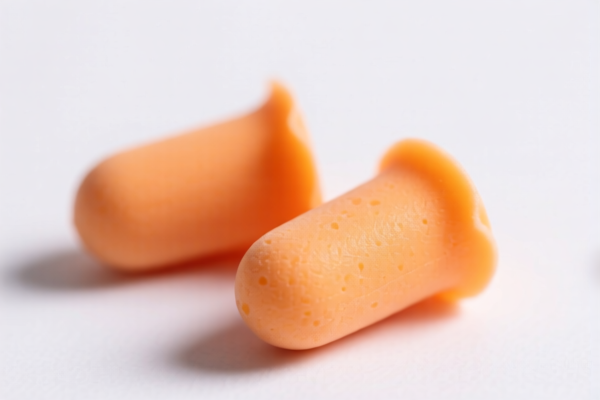
AI Analysis
🎧 Headphones & Earplugs: The Ultimate HS Code Classification Guide
🌐 HS Code Reference & Customs Clearance Guide | 2026 Latest Tariff Analysis | Professional Clearance Strategy
📌 I. Product Definition & Classification: Do You Really Understand "Ear Protection"?
The term "Headphones and Earplugs" covers a wide range of products, from medical hearing aids to consumer audio devices and industrial safety gear. In international trade, their classification depends entirely on function and material, leading to drastically different tax liabilities.
There are three main categories: 1. Medical/Assistive Devices: Earplugs used for hearing correction or hearing protection (e.g., hearing aid components, specialized medical earplugs). 2. General Industrial/Protective Gear: Earplugs made of rubber/silicone for noise reduction in factories or concerts. 3. Consumer Electronics: "Earplug Headphones" (audio devices that play music while blocking noise).
⚠️ Critical Distinction Point: - If the primary function is medical/hearing assistance → HS 9021 - If the primary function is passive protection (rubber/silicone) → HS 4016 - If the primary function is audio reproduction (electronics) → HS 8543
📦 II. HS Code Classification Details (Based on Provided Data)
| HS Code | Product Description | Use Case / Logic | Tax Rate (China Origin) |
|---|---|---|---|
9021.90.81.00 |
Medical/Assistive Earplugs | Compensates for hearing defects or protects hearing as an assistive wearable device. Fits under "orthopedic/compensatory appliances." | 10.0% |
9021.10.00.90 |
Orthopedic/Surgical Ear Devices | Other orthopedic/appliance items not classified as plates/screws. No material conflict. | 10.0% |
4016.99.60.50 |
General Rubber Earplugs | Inferred material: Vulcanized rubber/elastomer. General-purpose rubber product. "Other vulcanized rubber products." | 37.5% |
4016.99.05.00 |
Silicone/Rubber Household Earplugs | Material: Rubber/Silicone. Use: Household/Personal Protection. "Other household items." | 20.9% |
8543.70.89.00 |
Earplug Headphones (Audio Device) | Form: Audio playback device. Function: Records/reproduces audio files. Material: Plastic/Metal electronics. | 17.5% |
🔍 Key Insight: - Medical vs. General: If the earplug is marketed for "hearing impairment" or "medical hearing aid compatibility," it falls under 9021 (10% tax). - Material Matters: Pure rubber/silicone earplugs for noise cancellation fall under 4016. The tax rate varies significantly based on whether it's classified as a "general rubber product" (37.5%) or a "household item" (20.9%). - Electronics Trumps Material: If the earplug has active electronics (bluetooth, speakers) → 8543 (17.5%), regardless of the silicone material.
💰 III. 2026 Latest Tariff Rate Breakdown (Including Surcharges)
✅ Applicable Country: USA (US) ✅ Origin: China (CN) ✅ Effective Date: Post-Nov 2025 (Includes Section 301 & IEEPA Surcharges)
🎯 1. 9021.90.81.00 & 9021.10.00.90 —— Medical/Orthopedic Ear Devices
| Item | Content |
|---|---|
| Base Tariff | 0.0% |
| Section 301 Surcharge | 0.0% (Note: Some medical devices may be exempt, but verify specific footnote) |
| IEEPA Surcharge (122) | +10.0% |
| Total Tariff | 10.0% |
| Tax Calculation | CIF Value × 10% |
| De Minimis Exemption | ❌ No (Generally, medical devices > $800 are subject to duty) |
| Legal Basis Path | IEEPA:9903.01.24 → USITC:9021 |
📌 Explanation: - These codes are classified under Chapter 90 (Optical, Medical, Technical Apparatus). - Unlike many consumer goods, many medical/orthopedic items have 0% Base Tariff. - The 10% IEEPA Surcharge is the only major tax burden. This is significantly lower than general consumer goods.
🎯 2. 4016.99.60.50 —— General Vulcanized Rubber Earplugs
| Item | Content |
|---|---|
| Base Tariff | 2.5% |
| Section 301 Surcharge | +25.0% |
| IEEPA Surcharge (122) | +10.0% |
| Total Tariff | 37.5% |
| Tax Calculation | CIF Value × 37.5% |
| De Minimis Exemption | ❌ No |
| Legal Basis Path | USITC:4016 → FOOTNOTE:9903.88.01 → IEEPA:9903.01.24 |
📌 Warning: - This is a high-tax category due to the 25% Section 301 surcharge on general rubber goods. - If your product is simple foam or rubber earplugs for industrial use, this is likely the classification, but it is costly.
🎯 3. 4016.99.05.00 —— Silicone/Rubber Household Earplugs
| Item | Content |
|---|---|
| Base Tariff | 3.4% |
| Section 301 Surcharge | +7.5% |
| IEEPA Surcharge (122) | +10.0% |
| Total Tariff | 20.9% |
| Tax Calculation | CIF Value × 20.9% |
| De Minimis Exemption | ❌ No |
| Legal Basis Path | USITC:4016 → IEEPA:9903.01.24 |
📌 Opportunity: - By classifying as "Household Items" rather than general rubber goods, the Section 301 surcharge drops from 25% to 7.5%. - This saves 16.6% in total tax burden compared to
4016.99.60.50. - Key: Must be marketed as personal/household protection, not industrial safety gear (which might fall under 39.4% or 37.5%).
🎯 4. 8543.70.89.00 —— Earplug Headphones (Audio Devices)
| Item | Content |
|---|---|
| Base Tariff | 0.0% |
| Section 301 Surcharge | +7.5% |
| IEEPA Surcharge (122) | +10.0% |
| Total Tariff | 17.5% |
| Tax Calculation | CIF Value × 17.5% |
| De Minimis Exemption | ❌ No |
| Legal Basis Path | USITC:8543 → IEEPA:9903.01.24 |
📌 Advantage: - Electronics often have 0% Base Tariff. - The Section 301 surcharge is capped at 7.5% for many consumer electronics. - This is a competitive rate for high-value audio products.
🛠️ IV. Customs Clearance Practical Advice (Avoid Pitfalls)
✅ 1. Required Documentation Checklist
| Document | Mandatory? | Notes |
|---|---|---|
| ✅ Product Specification Sheet | ✔️ | Must clearly state Function (Medical, Audio, or Protection) and Material (Rubber, Silicone, Plastic). |
| ✅ Product Photos | ✔️ | Show clear labels, brand, model, and any medical certifications. |
| ✅ Medical Certification (if applicable) | ✔️ | If claiming HS 9021, provide FDA clearance or CE Medical Device certificate. |
| ✅ Declaration of Use | ✔️ | Explicitly state: "For Hearing Aid Assistance," "For Industrial Noise Protection," or "For Audio Playback." |
| ✅ Commercial Invoice | ✔️ | Describe goods accurately. Avoid vague terms like "Earplugs." Use "Silicone Hearing Protection Earplugs." |
✅ 2. Declaration Strategy (Key Tips)
🔥 Golden Rule: "Function Dictates Code, Material Dictates Tax!"
| Scenario | Correct HS Code | Error Consequence |
|---|---|---|
| Medical Earplugs (Hearing Aid Compatible) | 9021.90.81.00 |
Misclassified as Rubber (37.5%) → Overpay 27.5% |
| Industrial Foam Earplugs | 4016.99.60.50 (or similar) |
Misclassified as Medical (10%) → Underpay & Face Penalty |
| Silicone Sleep/Concert Earplugs | 4016.99.05.00 |
Misclassified as General Rubber (37.5%) → Overpay 16.6% |
| Bluetooth Earplugs | 8543.70.89.00 |
Misclassified as Rubber (20.9%) → Overpay 3.4% (but more importantly, wrong function declaration) |
✅ 3. Special Case Handling
| Case | Handling Advice |
|---|---|
| "Smart" Earplugs (with sensors) | Classify as 8543 (Electronics) if they process data/play audio. Do not classify as rubber. |
| Hearing Aid Parts | Must provide medical device documentation. If not certified, risk of reclassification to generic rubber. |
| Mixed Packaging (Earplugs + Headphones) | Do Not Split. Declare as a set if sold together. If headphones are the main feature, use 8543. |
| Custom Colors/Shapes | Does not change HS Code, but helps identify "Household" vs "Industrial" use in 4016. |
🌍 V. Global Market Comparison (2026)
| Region | Recommended HS Code | Est. Total Tax (China) | Key Certification |
|---|---|---|---|
| 🇺🇸 USA | 9021 (Medical) / 8543 (Audio) |
10% - 17.5% | FCC, FDA (if medical) |
| 🇪🇺 EU | 9021 / 8543 |
0% - 5% | CE, RoHS, REACH |
| 🇨🇳 China | 9021 / 8543 |
0% - 5% | CCC (if audio/medical) |
| 🇯🇵 Japan | 9021 / 8543 |
0% - 3% | PSE, PMDA |
📌 Conclusion: - The USA has the most complex tax structure due to Section 301 and IEEPA surcharges. - Medical/Orthopedic (9021) and Audio (8543) have the lowest tax rates (10% and 17.5% respectively). - General Rubber (4016) is the most expensive category (up to 37.5%) due to high Section 301 surcharges.
📌 VI. Common Mistakes & Pitfalls (Blood Lessons)
❌ Mistake 1: Calling all earplugs "Rubber Products" 👉 Result: Tax jumps from 10% (Medical) or 17.5% (Audio) to 37.5%.
❌ Mistake 2: Misclassifying Bluetooth Earbuds as "Audio Accessories" (Chapter 85) 👉 Result: If they have built-in speakers and batteries, they are Goods (HS 8543), not Parts. Incorrect declaration leads to delays.
❌ Mistake 3: Ignoring the "122 Tariff" (IEEPA) 👉 Result: Even if Base Tariff is 0%, the 10% IEEPA Surcharge applies to almost all Chinese goods. Total tax is never just the Base Tariff.
❌ Mistake 4: Using "Earplugs" in Description 👉 Result: Customs will ask for clarification. Use "Silicone Hearing Protection Earplugs" or "Wireless Audio Earplugs" to guide classification.
✅ Correct Approach:
"Wireless Bluetooth Earplugs with Active Noise Cancellation, Model XYZ, FCC Certified" → HS 8543.70.89.00 "Medical Grade Silicone Earplugs for Hearing Aid Users, FDA Cleared" → HS 9021.90.81.00
🎯 VII. Conclusion: Professional Classification Saves Money!
🎯 Remember the Mantra:
🔹 "Medical is 10%, Audio is 17.5%, Rubber is 37.5%. Don't let rubber tax eat your profit!" 🔹 "Function First, Material Second. If it plays sound, it's Electronics."
📌 Pro Tip:
- If your earplugs are not medical and not electronic, try to classify under 4016.99.05.00 (Household) to save 16.6% in tariffs compared to general rubber.
- Always provide clear product photos and spec sheets to Customs to avoid reclassification.
📣 Immediate Action:
📞 Consult your customs broker before shipping. 🚀 Provide Material Composition and Primary Function documentation. 💼 Precise classification is the key to maximizing your profit margin.
✨ Professional Clearance Starts with Accurate Classification! 💼 Every cent of tax savings counts!
Customer Reviews
About HS Code Classification
The Harmonized System (HS) is an internationally standardized nomenclature developed by the World Customs Organization (WCO) to classify traded products. Over 200 countries use the HS system as the basis for customs tariffs, trade statistics, and import/export regulations.
Each HS code follows a hierarchical structure:
- Chapter (2 digits) — Broad category of goods (e.g., Chapter 84: Machinery and Mechanical Appliances)
- Heading (4 digits) — More specific grouping within the chapter
- Subheading (6 digits) — Internationally standardized breakdown, used by all WCO member countries
- National subdivisions (8-10 digits) — Country-specific extensions for further classification, such as US HTSUS 10-digit codes
Correct HS code classification is essential for smooth customs clearance, accurate duty payment, and compliance with trade regulations. Misclassification can lead to customs delays, overpayment of duties, or penalties.
When importing from CN to US, the applicable tariff rates may include:
- Most-Favored-Nation (MFN) rate — The standard duty rate applied to WTO members
- General rate — Applied to countries without trade agreements
- Trade remedy duties — Additional tariffs such as Section 301 (anti-dumping), Section 232 (national security), or countervailing duties
The information provided on this page is for reference purposes only. For official classification, please consult with your local customs authority or a licensed customs broker.