Headrest
CN → US| HS Code | Tariff Rate | Origin | Destination | Doc |
|---|---|---|---|---|
| 9404901030 | 22.8% | CN | US | Official Doc |
| 9404902060 | 23.5% | CN | US | Official Doc |
| 9404909605 | 17.3% | CN | US | Official Doc |
| 6307908995 | 17.0% | CN | US | Official Doc |
| 9503000090 | 10.0% | CN | US | Official Doc |
| 9404902090 | 23.5% | CN | US | Official Doc |
Product Images
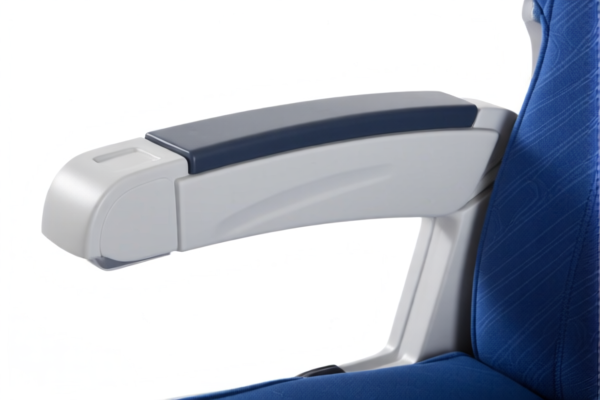
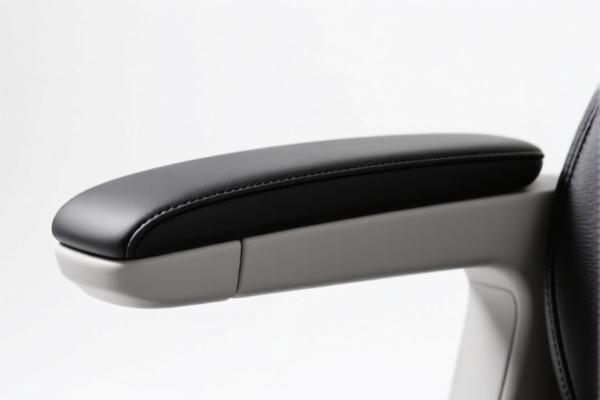
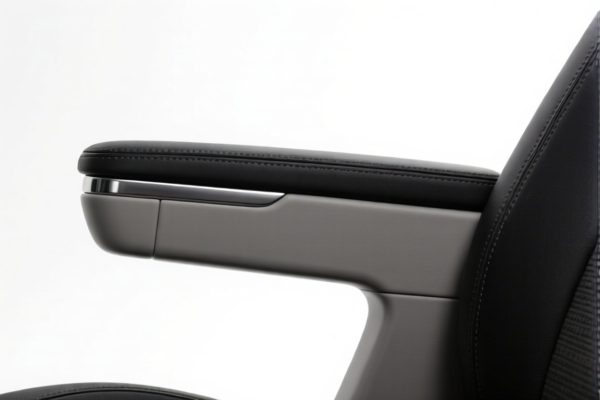
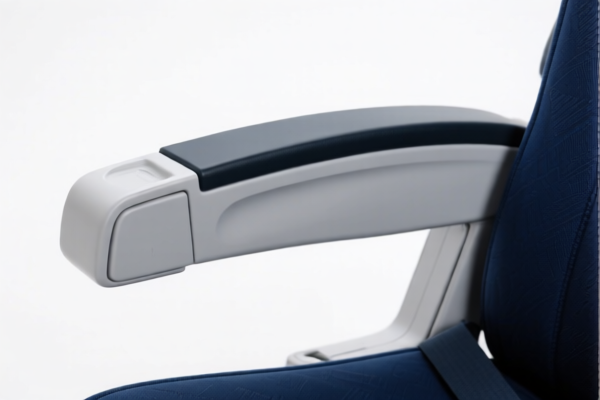
AI Analysis
🛋️ Headrests (Automotive & Furniture Accessories)
🌐 HS Code Reference & Customs Clearance Guide | 2026 Latest Tariff Analysis | Professional Entry Strategy
📌 I. Product Definition & Classification: What Exactly Is a "Headrest"?
A "Headrest" is a general term that can apply to various industries, primarily Automotive, Furniture, and Consumer Goods. In international trade, the Harmonized System (HS) classification depends entirely on the primary use, structure, and filling material.
Unlike monitors or electronics, headrests are often categorized under Chapter 94 (Furniture) if they are part of seating, or Chapter 63 (Textiles) if they are simple covers. Misclassification can lead to significant tariff discrepancies due to the complex mix of base duties, Section 301 tariffs, and Section 232/122 specific levies.
⚠️ Key Distinction:
- If it is an integral part of a car seat with metal rods → Usually Chapter 87 (Vehicle Parts) or 9403/9404.
- If it is a freestanding cushion for chairs/sofas → Chapter 94 (Furniture Accessories).
- If it is just a fabric cover without stuffing → Chapter 63 (Textiles).
- If it is a toy accessory (e.g., for a doll) → Chapter 95 (Toys).
📦 II. HS Code Classification Details (2026 Latest Tariff对照)
Based on the provided data, here are the 5 most likely HS Codes for "Headrest" products, ranging from furniture accessories to textile covers and even toy accessories.
| HS Code | Product Description | Application Scenario | Classification Logic |
|---|---|---|---|
9404.90.10.30 |
Pillows, Cushions, and Similar Furnishings | Automotive seat headrests (if considered a cushion/furnishing), Bed pillows, Chair cushions | ✅ Matches Form & Use: Explicitly listed as "Pillows, cushions and similar furnishings." |
9404.90.20.60 |
Other Mattresses and Articles (Not Foam Filled) | Headrests with non-foam fillers (e.g., beans, fiber, wool) | ✅ Inferred Use: "Bedding" or "Seating" headrests where filler is not foam. |
9404.90.96.05 |
Other Bedding Articles (Cotton Shell) | Headrests with cotton outer shell, general bedding accessories | ✅ Material Match: Infers cotton shell, no material conflict. |
6307.90.89.95 |
Other Made-Up Textile Articles (Cotton Pillowcases) | Only the fabric cover of the headrest (without filling) | ⚠️ Specific Case: If sold as a "Pillowcase/Cushion Cover" only, not the stuffed product. |
9503.00.00.90 |
Other Toys (Doll Accessories) | Headrests for dolls, plush toys, or decorative toy accessories | ✅ Niche Use: For dollhouses or plush items; classified as "Other" toys. |
🔍 Critical Note:
-9404.90.10.30is the most common classification for stuffed headrests (auto or furniture) because they fall under "Cushions and similar furnishings."
-6307...is only applicable if the product is unfilled fabric. Do not declare a stuffed headrest as a textile cover to avoid fraud claims.
-9503...is a low-tariff loophole only for toy-related headrests, not functional automotive/furniture items.
💰 III. 2026 Latest Tariff Rate Breakdown (Detailed Tax Components)
✅ Applicable Country: United States (US)
✅ Origin: China (CN)
✅ Effective Time: 2025+ (Current Tariff Regime)
🎯 1. 9404.90.10.30 – Pillows, Cushions (Most Common for Headrests)
| Item | Content |
|---|---|
| Base Duty | 5.3% |
| Section 301 Duty (Add-on) | 7.5% |
| Section 122 Duty (Add-on) | 10.0% |
| Total Tariff Rate | 22.8% |
| Tax Calculation | CIF Value × 22.8% |
| De Minimis Exemption | ❌ Not Eligible (High tariff threshold) |
| Legal Basis | Base Tariff + Trade Remedies (301 + 122) |
📌 Explanation:
- This is the standard classification for stuffed headrests (car, office, or sofa).
- The 22.8% rate reflects the aggressive tariff structure on Chinese textile/furniture imports.
- Section 122 (10%) is a specific anti-dumping/countervailing or national security-related duty often applied to certain manufacturing inputs or finished goods.
🎯 2. 9404.90.20.60 & 9404.90.20.90 – Other Mattresses/Articles (Non-Foam or General)
| Item | Content |
|---|---|
| Base Duty | 6.0% |
| Section 301 Duty (Add-on) | 7.5% |
| Section 122 Duty (Add-on) | 10.0% |
| Total Tariff Rate | 23.5% |
| Tax Calculation | CIF Value × 23.5% |
| De Minimis Exemption | ❌ Not Eligible |
| Legal Basis | Base Tariff + Trade Remedies |
📌 Explanation:
- Slightly higher than10.30due to the base rate difference.
- Applies if the headrest is classified as "Other bedding articles" or if the filler material triggers a different subheading.
🎯 3. 9404.90.96.05 – Cotton Shell Bedding Articles
| Item | Content |
|---|---|
| Base Duty | 7.3% |
| Section 301 Duty (Add-on) | 0.0% |
| Section 122 Duty (Add-on) | 10.0% |
| Total Tariff Rate | 17.3% |
| Tax Calculation | CIF Value × 17.3% |
| De Minimis Exemption | ❌ Not Eligible |
| Legal Basis | Base Tariff + Section 122 |
📌 Explanation:
- Savings Alert: No Section 301 duty (0%) but still has Section 122 (10%).
- Total rate 17.3% is 5.5% lower than the standard cushion classification.
- Condition: Must strictly meet the description of "Cotton Shell" and no material conflict.
🎯 4. 6307.90.89.95 – Other Made-Up Textile Articles (Cotton Pillowcases)
| Item | Content |
|---|---|
| Base Duty | 7.0% |
| Section 301 Duty (Add-on) | 0.0% |
| Section 122 Duty (Add-on) | 10.0% |
| Total Tariff Rate | 17.0% |
| Tax Calculation | CIF Value × 17.0% |
| De Minimis Exemption | ❌ Not Eligible |
| Legal Basis | Base Tariff + Section 122 |
📌 Explanation:
- Lowest Risk: If the product is just the fabric cover (no stuffing), this is the most accurate classification.
- Rate: 17.0%.
- ⚠️ Warning: Do not use this for stuffed headrests. Customs may reclassify and impose penalties for misdeclaration.
🎯 5. 9503.00.00.90 – Other Toys (Doll Accessories)
| Item | Content |
|---|---|
| Base Duty | 0.0% |
| Section 301 Duty (Add-on) | 0.0% |
| Section 122 Duty (Add-on) | 10.0% |
| Total Tariff Rate | 10.0% |
| Tax Calculation | CIF Value × 10.0% |
| De Minimis Exemption | ❌ Not Eligible |
| Legal Basis | Base Tariff + Section 122 |
📌 Explanation:
- Lowest Tariff: Only for toy doll headrests.
- Rate: 10.0%.
- ⚠️ Warning: Using this for real car/furniture headrests is smuggling/fraud. Penalties include seizure and fines.
🛠️ IV. Customs Clearance Practical Advice (Avoid Pitfalls)
✅ 1. Preparation Checklist (Must-Have Documents)
| Document | Required? | Explanation |
|---|---|---|
| ✅ Product Spec Sheet | ✔️ | Must clearly state: Is it stuffed? What is the filler (foam, fiber, beans)? What is the outer material (cotton, polyester, leather)? |
| ✅ Photos | ✔️ | Show the headrest installed on a seat OR as a standalone product. Highlight the label. |
| ✅ Bill of Lading | ✔️ | Ensure description matches HS Code logic (e.g., "Cushion Headrest" vs. "Toy Accessory"). |
| ✅ Commercial Invoice | ✔️ | Itemize clearly. Do not use vague terms like "General Merchandise." |
| ✅ Supply Chain Proof | ✔️ | If claiming 9404..., prove it's for furniture/bedding. If 6307..., prove it's unfilled textile. |
✅ 2. Declaration Tips (Key Formulas)
🔥 "Stuffed = 9404, Empty = 6307, Doll = 9503. Don't Mix!"
| Scenario | Correct HS Code | Reason |
|---|---|---|
| Car Headrest with Foam/Fiber | 9404.90.10.30 |
Classified as "Cushion/Furnishing." |
| Office Chair Headrest (Cotton) | 9404.90.96.05 |
If cotton shell, potentially lower tax. |
| Spare Headrest Cover (No Stuffing) | 6307.90.89.95 |
Classified as "Textile Article." |
| Plush Toy Headrest | 9503.00.00.90 |
Classified as "Toy Accessory." |
✅ 3. Special Cases & Risk Management
| Situation | Handling Advice |
|---|---|
| OEM Automotive Parts | If the headrest is a vehicle part (with metal brackets), consider Chapter 87. However, if it's a "cushion" type, 9404 is safer unless explicitly a "part." |
| Mixed Containers | If you ship both stuffed headrests (9404) and empty covers (6307), split the declaration. Do not mix them under one HS Code. |
| Section 122 Impact | All categories above have a 10% Section 122 duty. This is non-negotiable for most Chinese-origin goods in this chapter. Plan for this cost. |
| De Minimis Loophole? | ❌ No. The total tariff is too high (>10%) for $800 de minimis exemptions to apply in most cases. |
🌍 V. Global Market Clearance Comparison (2026)
| Country/Region | Recommended HS Code | Est. Tariff (China Origin) | Notes |
|---|---|---|---|
| 🇺🇸 USA | 9404.90.10.30 |
22.8% | High duty due to 301 + 122. |
| 🇨🇳 China | 9404.90.10.30 |
~10-15% | Import duty + VAT. Lower than US. |
| 🇪🇺 EU | 9404.90.90 |
~5-7% | Standard MFN rate. No Section 301/122. |
| 🇬🇧 UK | 9404.90.90 |
~5-7% | Post-Brexit tariff aligned with EU. |
📌 Conclusion:
- The US market is the most expensive for headrests due to layered punitive tariffs.
- EU/UK are more favorable, but documentation must still be precise.
📌 VI. Common Mistakes & Pitfalls (Blood Lessons)
❌ Mistake 1: Declaring a stuffed headrest as a textile cover (6307) to avoid 22.8% tax.
👉 Consequence: Customs will inspect, find stuffing, reclassify to 9404, charge back taxes + 200% penalty.
❌ Mistake 2: Declaring car headrests as toy accessories (9503) for the 10% rate.
👉 Consequence: Fraud allegation. Goods seized. Criminal liability for importers.
❌ Mistake 3: Using vague descriptions like "Headrest" without specifying filling or use.
👉 Consequence: Customs holds shipment for "Insufficient Information," causing demurrage fees.
✅ Correct Approach:
"Headrest Cushion, Polyester Shell, Fiber Filled, For Office Chair, Model XYZ"
→ Declare under9404.90.10.30(22.8%) or9404.90.96.05(17.3%) if cotton.
🎯 VII. Conclusion: Precise Classification Saves Money!
🎯 Remember the Formula:
🔹 "Stuffed = 9404 (22.8%), Empty = 6307 (17.0%), Toy = 9503 (10%)."
🔹 "Section 122 is 10% everywhere. Don't forget it."
🔹 "Misclassification is a trap. Accuracy is profit."
📌 Pro Tip:
If your headrests are high-value automotive parts (with metal frames), consult a customs broker to check Chapter 87. Sometimes, if classified as a "Vehicle Part," the duty might be different (though often similar). However, for cushion-type headrests, 9404 is the safest bet.
📣 Immediate Action:
📞 Contact your customs broker with product photos and material composition.
🚀 Apply for a Pre-Ruling (Binding Tariff Information) if shipping large volumes to the US.
💼 Get it right the first time, save thousands in duties!
✨ Professional Customs Clearance Starts with Accurate HS Codes!
💼 Every dollar saved in duty is pure profit!
Customer Reviews
About HS Code Classification
The Harmonized System (HS) is an internationally standardized nomenclature developed by the World Customs Organization (WCO) to classify traded products. Over 200 countries use the HS system as the basis for customs tariffs, trade statistics, and import/export regulations.
Each HS code follows a hierarchical structure:
- Chapter (2 digits) — Broad category of goods (e.g., Chapter 84: Machinery and Mechanical Appliances)
- Heading (4 digits) — More specific grouping within the chapter
- Subheading (6 digits) — Internationally standardized breakdown, used by all WCO member countries
- National subdivisions (8-10 digits) — Country-specific extensions for further classification, such as US HTSUS 10-digit codes
Correct HS code classification is essential for smooth customs clearance, accurate duty payment, and compliance with trade regulations. Misclassification can lead to customs delays, overpayment of duties, or penalties.
When importing from CN to US, the applicable tariff rates may include:
- Most-Favored-Nation (MFN) rate — The standard duty rate applied to WTO members
- General rate — Applied to countries without trade agreements
- Trade remedy duties — Additional tariffs such as Section 301 (anti-dumping), Section 232 (national security), or countervailing duties
The information provided on this page is for reference purposes only. For official classification, please consult with your local customs authority or a licensed customs broker.