Healing Crystal
CN → US| HS Code | Tariff Rate | Origin | Destination | Doc |
|---|---|---|---|---|
| 7116204000 | 28.0% | CN | US | Official Doc |
| 7116205000 | 17.5% | CN | US | Official Doc |
| 6913905000 | 23.5% | CN | US | Official Doc |
| 6913105000 | 17.5% | CN | US | Official Doc |
| 7103104000 | 28.0% | CN | US | Official Doc |
Product Images
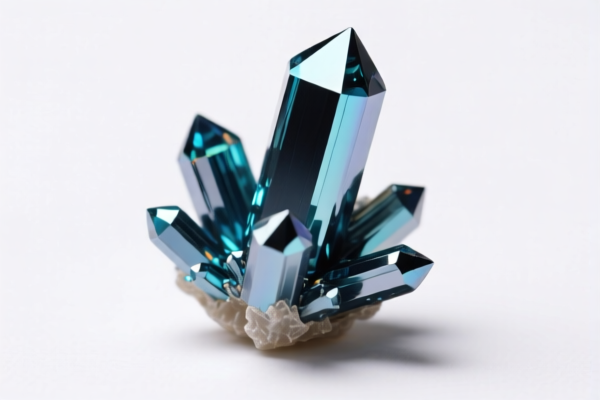
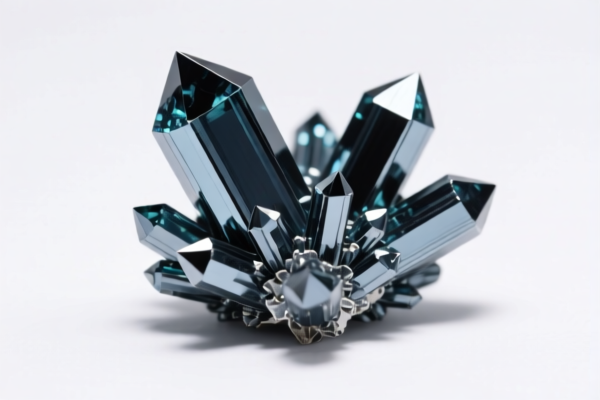
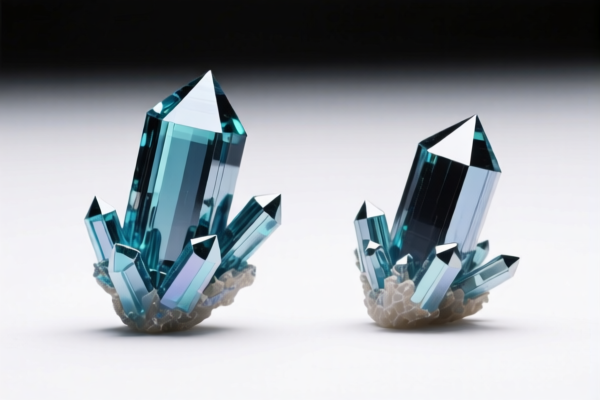
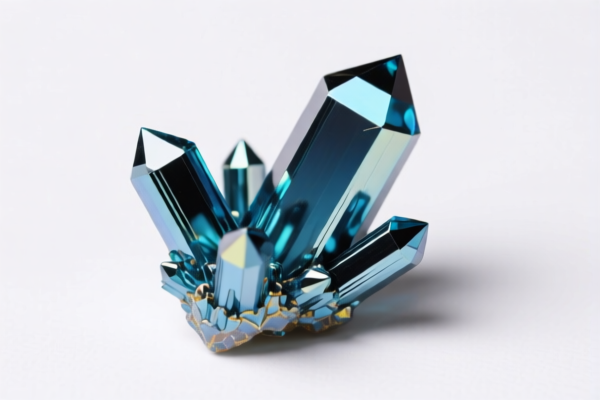
AI Analysis
💎 Healing Crystals (Natural/Synthetic Gemstones for Therapeutic Use)
🌐 HS Code Reference & Clearance Guide | 2026 Latest Tariff Analysis | Professional Entry Strategy
📌 I. Product Definition & Classification: Do You Really Understand "Healing Crystals"?
Healing Crystals are natural or synthetic stones, minerals, or gemstones (such as quartz, amethyst, rose quartz, etc.) that are cut, polished, or tumbled for decorative, spiritual, or therapeutic purposes. In international trade, they are strictly categorized based on their material nature (Gemstone vs. Mineral/Decorative) and processing level (Unworked vs. Manufactured).
Key Distinction: * Gemstone/Half-Gemstone Category: If the crystal is classified as a "semi-precious stone" or "gemstone" (even if uncut/tumbled), it falls under Chapter 71. This is the most common classification for high-value healing crystals. * Mineral/Ceramic Decor Category: If the item is considered a decorative object made of mineral/ceramic materials without gemstone value, it may fall under Chapter 69.
⚠️ Critical Classification Point:
- If the product is marketed as a "gemstone" or "semi-precious stone" (e.g., Amethyst, Quartz), it typically belongs to HS 7116 or HS 7103.
- If the product is considered a "mineral specimen" or "ceramic decoration" with no gemological value, it may be classified under HS 6913.
📦 二、HS Code Classification Details (2026 Latest Tariff Authority Comparison)
| HS Code | Product Description | Applicable Scenario | Material Logic |
|---|---|---|---|
7116.20.40.00 |
Articles of other precious or semi-precious stones (whether or not cultured) | Polished healing crystals, tumbled stones, gemstone beads | ✅ Matches "Semi-precious stone articles" |
7116.20.50.00 |
Other articles of precious or semi-precious stones | Fallback category for unclassified gemstone items | ✅ Matches "Natural/Synthetic Gemstone Material" |
6913.90.50.00 |
Ceramics for decoration (Other) | Decorative mineral stones with ceramic-like attributes | ✅ Matches "Mineral/Ceramic Decorative Property" |
6913.10.50.00 |
Porcelain or China for decoration | Mineral decorations classified as porcelain/ceramic | ✅ Matches "Mineral/Ceramic Decorative Property" |
7103.10.40.00 |
Precious or semi-precious stones, whether or not worked but not mounted | Raw, unworked, or simply tumbled healing crystals | ✅ Matches "Unworked/Simple Polish Gemstone" |
🔍 Key Reminder:
- "Healing" is a functional/marketing term, not a customs classification term. Customs looks at the material and form.
- Chapter 71 (Gemstones) generally applies to items with recognized gemological value (e.g., Quartz, Amethyst).
- Chapter 69 (Ceramics/Minerals) applies to decorative stone items that do not qualify as "gemstones" or are considered decorative ornaments.
💰 三、2026 Latest Tariff Rate Breakdown (Including Surtaxes & Policy Surcharges)
✅ Applicable Country: United States (US)
✅ Origin: China (CN)
✅ Effective Date: From November 10, 2025 (and subsequent imports)
🎯 1. 7116.20.40.00 — Articles of Other Precious or Semi-Precious Stones
| Item | Content |
|---|---|
| Base Duty Rate | 10.5% (ad valorem) |
| Surtax (Section 301) | +7.5% |
| 122 Provision Tariff | +10% |
| Total Effective Rate | 28.0% |
| Tax Calculation | CIF Value × 28.0% |
| De Minimis Eligibility | ❌ Not Eligible (Subject to full duties) |
| Legal Basis Path | Base Tariff: 10.5% → Section 301: 7.5% → 122 Provision: 10% |
📌 Explanation:
- This is the standard classification for polished or semi-finished gemstone articles (e.g., tumbled stones, beads).
- The 28% total tax is relatively high due to the combination of base tariff and surcharges.
- Warning: Many importers misclassify these as decorative items to avoid gemstone tariffs, which can lead to audits and penalties.
🎯 2. 7116.20.50.00 — Other Articles of Precious or Semi-Precious Stones (Fallback)
| Item | Content |
|---|---|
| Base Duty Rate | 0.0% |
| Surtax (Section 301) | +7.5% |
| 122 Provision Tariff | +10% |
| Total Effective Rate | 17.5% |
| Tax Calculation | CIF Value × 17.5% |
| De Minimis Eligibility | ❌ Not Eligible |
| Legal Basis Path | Base Tariff: 0.0% → Section 301: 7.5% → 122 Provision: 10% |
📌 Note:
- This is a catch-all category for gemstone articles that do not fit specific sub-headings.
- While the base rate is 0%, the surtaxes still apply, resulting in a 17.5% total rate.
- Advantage: Lower than7116.20.40.00(28%), making it a strategic option if the product description allows.
🎯 3. 6913.90.50.00 — Ceramics for Decoration (Other)
| Item | Content |
|---|---|
| Base Duty Rate | 6.0% |
| Surtax (Section 301) | +7.5% |
| 122 Provision Tariff | +10% |
| Total Effective Rate | 23.5% |
| Tax Calculation | CIF Value × 23.5% |
| De Minimis Eligibility | ❌ Not Eligible |
| Legal Basis Path | Base Tariff: 6.0% → Section 301: 7.5% → 122 Provision: 10% |
📌 Explanation:
- If the crystal is classified as a mineral/ceramic decorative item (not a gemstone), this code may apply.
- The 23.5% rate is higher than the fallback gemstone code (7116.20.50.00) but lower than the standard gemstone article code (7116.20.40.00).
- Risk: Customs may challenge this classification if the stone is recognized as a gemstone (e.g., high-quality Quartz).
🎯 4. 6913.10.50.00 — Porcelain or China for Decoration
| Item | Content |
|---|---|
| Base Duty Rate | 0.0% |
| Surtax (Section 301) | +7.5% |
| 122 Provision Tariff | +10% |
| Total Effective Rate | 17.5% |
| Tax Calculation | CIF Value × 17.5% |
| De Minimis Eligibility | ❌ Not Eligible |
| Legal Basis Path | Base Tariff: 0.0% → Section 301: 7.5% → 122 Provision: 10% |
📌 Note:
- Similar to7116.20.50.00, this code has a 0% base rate, resulting in a 17.5% total rate after surcharges.
- Applicable only if the item is clearly classified as porcelain/mineral decoration and not a gemstone.
- Strategy: Use this code if the product is marketed as a "mineral specimen" or "decorative stone" rather than a "gemstone."
🎯 5. 7103.10.40.00 — Precious or Semi-Precious Stones, Not Mounted/Worked
| Item | Content |
|---|---|
| Base Duty Rate | 10.5% |
| Surtax (Section 301) | +7.5% |
| 122 Provision Tariff | +10% |
| Total Effective Rate | 28.0% |
| Tax Calculation | CIF Value × 28.0% |
| De Minimis Eligibility | ❌ Not Eligible |
| Legal Basis Path | Base Tariff: 10.5% → Section 301: 7.5% → 122 Provision: 10% |
📌 Explanation:
- This code is for raw, unworked, or simply tumbled gemstones (e.g., "healing crystals" that are just polished tumbles).
- Despite being "unworked," the base tariff is 10.5%, leading to the 28% total rate.
- Common Mistake: Importers assume "unworked" means lower tax, but gemstone surcharges still apply fully.
🛠️ 四、Customs Clearance Practical Advice (Real-World Pitfall Avoidance)
✅ 1. Document Preparation Checklist (Essential)
| Document | Required | Description |
|---|---|---|
| ✅ Product Specifications | ✔️ | Material composition (e.g., "Natural Quartz"), treatment status (e.g., "untreated") |
| ✅ Product Photos | ✔️ | Clear images of the stone, including any labels or packaging |
| ✅ Commercial Invoice | ✔️ | Accurate description: e.g., "Natural Amethyst Tumbled Stones, for Decorative Use" |
| ✅ Packing List | ✔️ | Weight, dimensions, and quantity |
| ✅ Certificate of Origin | ✔️ | If applicable for preferential treatment (though unlikely for China origin under current tariffs) |
| ✅ Lab Report (Optional) | ✔️ | To prove material composition (e.g., "Quartz" vs. "Glass") |
✅ 2. Declaration Tips (Key Mantra)
🔥 "Material First, Function Second; Avoid 'Healing' in Description!"
| Scenario | Correct Declaration | Incorrect Practice |
|---|---|---|
| Polished Tumbled Stones | 7116.20.40.00 or 7116.20.50.00 |
Declaring as "Decorative Stone" → Risk of reclassification |
| Raw Quartz Clusters | 7103.10.40.00 |
Declaring as "Art" → Misclassification |
| Glass Imitations | 7013.90.00.00 (Glass) |
Declaring as "Healing Crystal" → Fraud Risk |
| Ceramic Decorations | 6913.10.50.00 |
Declaring as "Gemstone" → Audit Risk |
📌 Key Advice:
- Do NOT use "Healing" in the customs description. Use neutral terms like "Decorative Quartz" or "Mineral Specimen."
- If the product is glass or plastic, do NOT declare it as a gemstone. Use Chapter 70 codes.
- If the product is raw and uncut, consider7103.10.40.00, but be prepared for the 28% tax.
✅ 3. Special Case Handling
| Scenario | Handling Advice |
|---|---|
| Mixed Shipments (Gemstones + Decor) | Separate declarations. Gemstones go to HS 71, decorations to HS 69. |
| "Healing" Marketing Claims | Do NOT mention therapeutic benefits in customs documents. Focus on material and form. |
| Low-Value Items (< $800) | Still subject to tariffs if from China. No de minimis exemption for surcharges. |
| Glass "Crystals" | Classify under HS 7013 (Glassware), not gemstones. Tax rates may differ. |
🌍 五、Global Market Comparison (2026 Latest)
| Country/Region | Recommended HS Code | Tariff Rate | Remarks |
|---|---|---|---|
| 🇺🇸 US | 7116.20.40.00 / 7116.20.50.00 |
28.0% / 17.5% | High surcharges; strict gemstone classification |
| 🇨🇳 China | 7116.20.40.00 |
10.5% | No surcharges; base rate only |
| 🇪🇺 EU | 7116.20.40.00 |
6.5% | No Section 301 surcharges; lower overall cost |
| 🇬🇧 UK | 7116.20.40.00 |
6.5% | Post-Brexit rates; no US-style surcharges |
| 🇯🇵 Japan | 7116.20.40.00 |
6.0% | Low base rate; no surcharges |
📌 Conclusion:
- The US market is the most expensive due to Section 301 and 122 provision surcharges.
- Alternative Markets (EU, UK, Japan) offer significantly lower tariffs for similar goods.
- Strategy: Consider diversifying supply chains to non-China origins if targeting the US market.
📌 六、Common Errors & Pitfall Avoidance (Lessons Learned)
❌ Error 1: Declaring "Healing Crystals" as "Decorative Art" to avoid gemstone tariffs
👉 Consequence: Customs reclassifies as HS 7116, leading to back taxes + penalties.
❌ Error 2: Using "Glass" description for actual Quartz crystals
👉 Consequence: Fraud allegation, shipment seizure, and fines.
❌ Error 3: Ignoring "122 Provision" surcharges
👉 Consequence: Underpayment of 10% surcharge, resulting in 17.5%–28% tax shortfalls.
❌ Error 4: Misclassifying "Tumbled Stones" as "Raw Minerals"
👉 Consequence: Incorrect HS Code application, leading to delays and audits.
✅ Correct Practice:
"Natural Amethyst Tumbled Stones, Decorative Use, Untreated, HS 7116.20.40.00"
🎯 七、Conclusion: Professional Declaration, Cost Optimization!
🎯 Remember the Mantra:
🔹 "Material Defines Code, Function is Irrelevant!"
🔹 "Gemstones Pay 28%, Decor Pays 17.5% (Fallback), Ceramics Pay 17.5% (Base 0%)"
🔹 "US Market is High Cost, Diversify to EU/UK for Savings!"
📌 Tips:
- If your crystals are glass or plastic, use Chapter 70 codes (e.g., 7013.90.00.00) to avoid gemstone tariffs.
- For raw minerals, consider 7103.10.40.00 but be aware of the 28% total rate.
- Pre-ruling with US Customs is recommended for high-value shipments to confirm HS Code classification.
📣 Immediate Action:
📞 Consult with a licensed customs broker + Provide product photos + Apply for HS Code pre-ruling
🚀 Ensure smooth clearance, compliant declarations, and optimized costs!
✨ Professional customs clearance starts with accurate classification!
💼 Every dollar of tax savings counts!
Customer Reviews
About HS Code Classification
The Harmonized System (HS) is an internationally standardized nomenclature developed by the World Customs Organization (WCO) to classify traded products. Over 200 countries use the HS system as the basis for customs tariffs, trade statistics, and import/export regulations.
Each HS code follows a hierarchical structure:
- Chapter (2 digits) — Broad category of goods (e.g., Chapter 84: Machinery and Mechanical Appliances)
- Heading (4 digits) — More specific grouping within the chapter
- Subheading (6 digits) — Internationally standardized breakdown, used by all WCO member countries
- National subdivisions (8-10 digits) — Country-specific extensions for further classification, such as US HTSUS 10-digit codes
Correct HS code classification is essential for smooth customs clearance, accurate duty payment, and compliance with trade regulations. Misclassification can lead to customs delays, overpayment of duties, or penalties.
When importing from CN to US, the applicable tariff rates may include:
- Most-Favored-Nation (MFN) rate — The standard duty rate applied to WTO members
- General rate — Applied to countries without trade agreements
- Trade remedy duties — Additional tariffs such as Section 301 (anti-dumping), Section 232 (national security), or countervailing duties
The information provided on this page is for reference purposes only. For official classification, please consult with your local customs authority or a licensed customs broker.