Heart shaped fabric patch
CN → US| HS Code | Tariff Rate | Origin | Destination | Doc |
|---|---|---|---|---|
| 6307903020 | 25.4% | CN | US | Official Doc |
| 6307903010 | 25.4% | CN | US | Official Doc |
| 5810921000 | 0.0% | CN | US | Official Doc |
| 5810929030 | 0.0% | CN | US | Official Doc |
| 3005905090 | 10.0% | CN | US | Official Doc |
| 3005901000 | 10.0% | CN | US | Official Doc |
Product Images
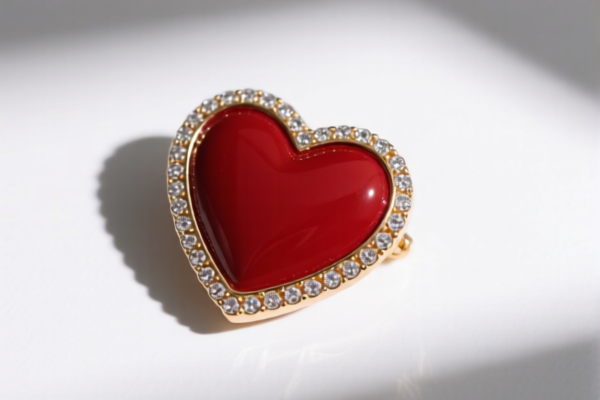


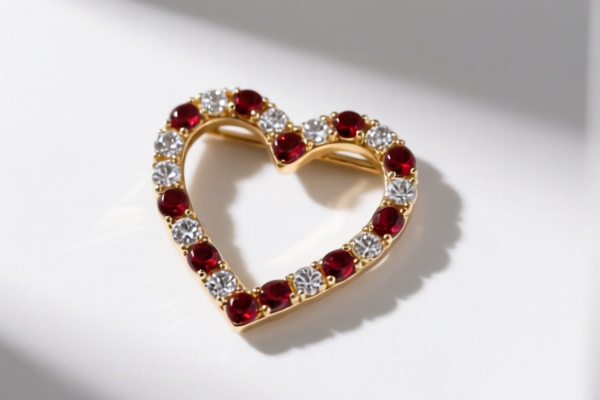
AI Analysis
💖 Heart Shaped Fabric Patch
🌐 HS Code Reference & Customs Clearance Guide | 2026 Latest Tariff Analysis | Professional Level Strategy
📌 I. Product Definition and Classification: What Exactly is a "Fabric Patch"?
A Heart Shaped Fabric Patch is a decorative textile accessory, typically made of woven, embroidered, or printed fabric, shaped like a heart. It is used for personalization, branding, or decoration on garments, bags, hats, and other textile products.
In international trade, these items are not classified as simple "textiles" (Chapter 60/61) but rather as manufactured articles of textiles (Chapter 63) or embroidery goods (Chapter 58), depending on their specific manufacturing method and composition.
⚠️ Key Classification Point:
- If the patch is embroidered (thread-based design), it falls under Chapter 58 (Special Woven Fabrics; Embroidery).
- If the patch is woven or made of other textile materials without significant embroidery, it falls under Chapter 63 (Other Made-up Textile Articles).
- Material matters: Cotton vs. Man-made fibers can change the sub-heading.
📦 II. HS Code Classification Details (2026 Latest Tariff Authoritative Comparison)
Based on the provided data, here are the applicable HS Codes for Heart Shaped Fabric Patches, categorized by material and type:
| HS Code | Product Description | Application Scenario | Material Type | Key Feature |
|---|---|---|---|---|
5810.92.10.00 |
Embroidery: Badges, emblems and motifs | Decorative heart patches with embroidered designs | Man-made fibers | Embroidered motifs/badges |
5810.92.90.30 |
Embroidery: Other Labels | Other embroidered patches (non-badge/emblem) | Man-made fibers | Embroidered labels/tags |
6307.90.30.10 |
Other made-up articles: Labels Of cotton | Heart-shaped patches made of cotton | Cotton | Cotton material, non-embroidered or woven label |
6307.90.30.20 |
Other made-up articles: Other Labels | Heart-shaped patches made of other textile materials (non-cotton, non-man-made fiber embroidery) | Other textiles | General textile label/patch |
🔍 Critical Reminder:
- Embroidered Patches: If your heart patch is primarily embroidered (created by stitching thread onto a base fabric), it must go to Chapter 58. Do not confuse it with Chapter 63.
- Non-Embroidered Patches: If it is a woven label, printed patch, or felt cut-out heart, it goes to Chapter 63.
- Material Distinction: For Chapter 63, distinguish between Cotton (6307.90.30.10) and Other Materials (6307.90.30.20). If it’s a polyester woven label, it might fall under6307.90.30.20unless it has embroidery.
💰 III. 2026 Latest Tariff Rate Details (Including Surtaxes, Policy Surcharges)
✅ Applicable Country: United States (US)
✅ Origin: China (CN)
✅ Effective Date: Current tariff structure
🎯 1. 5810.92.10.00 & 5810.92.90.30 — Embroidered Patches (Man-made Fibers)
| Item | Content |
|---|---|
| Basic Tariff Rate | 0.0% |
| Section 301 Surtax | 0.0% |
| IEEPA Surtax | 0.0% |
| Total Tax Rate | 0.0% |
| Tax Calculation | CIF Value × 0% = $0 |
| De Minimis Eligibility | ✅ Yes (Under $800, usually duty-free) |
| Legal Basis Path | USITC:5810.92.10.00 → NO Surtax Applied |
📌 Explanation:
- Embroidered goods made of man-made fibers currently enjoy 0% total duty.
- This is a highly favorable classification for embroidery-based patches.
- No surtaxes apply to these specific embroidery codes in the current dataset.
🎯 2. 6307.90.30.10 — Other Made-up Articles: Labels of Cotton
| Item | Content |
|---|---|
| Basic Tariff Rate | 0.0% |
| Section 301 Surtax | 0.0% |
| IEEPA Surtax | 0.0% |
| Total Tax Rate | 0.0% |
| Tax Calculation | CIF Value × 0% = $0 |
| De Minimis Eligibility | ✅ Yes |
| Legal Basis Path | USITC:6307.90.30.10 → NO Surtax Applied |
📌 Explanation:
- Cotton-made labels/patches (non-embroidered or woven) are also taxed at 0%.
- Ensure the product is clearly described as "Cotton" and not "Man-made" to avoid misclassification.
🎯 3. 6307.90.30.20 — Other Made-up Articles: Other Labels (Non-Cotton, Non-Embroidery)
| Item | Content |
|---|---|
| Basic Tariff Rate | 0.0% |
| Section 301 Surtax | 0.0% |
| IEEPA Surtax | 0.0% |
| Total Tax Rate | 0.0% |
| Tax Calculation | CIF Value × 0% = $0 |
| De Minimis Eligibility | ✅ Yes |
| Legal Basis Path | USITC:6307.90.30.20 → NO Surtax Applied |
📌 Explanation:
- General textile labels/patches (e.g., printed polyester, felt, woven non-cotton) are also at 0%.
- This code is a catch-all for textile labels that do not fall under the cotton-specific or embroidery-specific categories.
🛠️ IV. Customs Clearance Practical Advice (Battle-Tested Pitfall Avoidance Guide)
✅ 1. Document Checklist (Non-negotiable)
| Document | Required | Description |
|---|---|---|
| ✅ Product Specification Sheet | ✔️ | Detail material (Cotton/Polyester/Embroidered thread), size, shape (Heart), and backing type (Iron-on/Sew-on) |
| ✅ Product Photos | ✔️ | Clear images showing the heart shape, stitching details, and any logos |
| ✅ Commercial Invoice | ✔️ | Explicitly state "Heart Shaped Fabric Patch" or "Embroidered Patch" |
| ✅ Packing List | ✔️ | Quantify units, weights, and dimensions |
| ✅ Material Composition Statement | ✔️ | Clearly declare % of Cotton vs. Man-made fibers |
✅ 2. Declaration Tips (Key Mnemonic)
🔥 "Embroidery to Ch.58, Cotton/Other to Ch.63, Heart Shape Doesn't Change Code!"
| Scenario | Correct Declaration | Wrong Declaration |
|---|---|---|
| Embroidered heart patch (Poly base) | 5810.92.10.00 (Badges/Motifs) or 5810.92.90.30 |
6307.90.30.20 (Wrong chapter, risk of audit) |
| Woven cotton heart label | 6307.90.30.10 |
6307.90.30.20 (If it's cotton, use 10 for accuracy) |
| Printed polyester heart patch | 6307.90.30.20 |
6307.90.30.10 (If it's not cotton) |
| Felt cut-out heart patch | 6307.90.30.20 |
6117.80.00.00 (Wrong, Ch.61 is for clothing accessories, not patches) |
✅ 3. Special Cases Handling
| Scenario | Handling Advice |
|---|---|
| Iron-on Patches | Still classified by material/method. Iron-on is just an application method, not a classification factor. Declare as "Embroidered Patch with Adhesive Backing." |
| Sequin/Bejeweled Patches | If embroidery is the dominant feature, stick to 5810. If heavily embellished, consult with a broker, but generally still Ch.58. |
| Mixed Material Patches | If a patch has both cotton and man-made fiber embroidery, the embroidery classification (Ch.58) usually takes precedence if it's the essential character. |
| Bulk vs. Retail | No difference in HS code, but ensure invoice reflects correct quantity and value. |
🌍 V. Global Main Market Customs Clearance Comparison (2026 Latest)
| Country/Region | Recommended HS Code | Tariff (China Origin) | Certification Requirements | Notes |
|---|---|---|---|---|
| 🇺🇸 USA | 5810.92.x0.00 or 6307.90.30.x0 |
0% | None | Duty-free! No surtaxes on these codes. |
| 🇨🇳 China | 5810.92.x0.00 or 6307.90.30.x0 |
0% - 5% | N/A | Import to China may have different rates. |
| 🇪🇺 EU | 5810 or 6307 |
0% - 4% | CE (if for children's wear) | No surtaxes. |
| 🇬🇧 UK | 5810 or 6307 |
0% - 4% | N/A | Post-Brexit tariffs apply. |
| 🇨🇦 Canada | 5810 or 6307 |
0% | N/A | No surtaxes. |
📌 Conclusion:
- USA is currently duty-free (0%) for both embroidered and made-up textile patches under the provided data.
- No 301 Surtaxes apply to these specific codes in the current dataset.
- Accuracy in material description is key to avoiding misclassification penalties.
📌 VI. Common Errors & Pitfall Guide (Blood-Soaked Lessons)
❌ Error 1: Classifying embroidered patches as 6307.90.30.20
👉 Consequence: Incorrect chapter. Although tax is 0%, it may trigger customs audit for misdeclaration.
👉 Correct: Use 5810.92.x0.00 for embroidery.
❌ Error 2: Ignoring material composition (Cotton vs. Polyester)
👉 Consequence: If declared as "Other Label" (6307.90.30.20) but it's actually Cotton (6307.90.30.10), it’s a minor error but shows lack of precision.
👉 Correct: Always specify material.
❌ Error 3: Using vague descriptions like "Textile Decorations"
👉 Consequence: Customs may assign a higher duty rate or hold the shipment for further inspection.
👉 Correct: Use "Embroidered Heart Patch, Man-Made Fiber" or "Cotton Woven Label."
✅ Correct Declaration Example:
"Embroidered Heart-Shaped Patch, 2-inch, Polyester Base, Man-Made Fiber Thread, Iron-On Backing, Model HR-001"
🎯 VII. Conclusion: Professional Declaration, Save Time, Save Money!
🎯 Remember the Mnemonic:
🔹 "Embroidery = Ch.58, Woven/Other = Ch.63"
🔹 "Heart Shape is Irrelevant to HS Code, Material and Method are King!"
🔹 "0% Duty in USA, but Accuracy Prevents Delays!"
📌 Pro Tip:
- If your patches are for children's clothing, ensure they meet safety standards (e.g., no small detachable parts if under 3 years).
- Pre-advance Ruling: If you have a large volume shipment, consider applying for a US Customs Ruling to confirm the HS Code, especially for new or unique patch designs.
📣 Take Action Now:
📞 Contact your customs broker + Provide clear photos + Declare accurately
🚀 Let your heart-shaped patches pass smoothly, save costs, and boost profits!
✨ Professional Customs Clearance Starts with Accurate Classification!
💼 Every Penny You Save is a Penny You Earn!
Customer Reviews
About HS Code Classification
The Harmonized System (HS) is an internationally standardized nomenclature developed by the World Customs Organization (WCO) to classify traded products. Over 200 countries use the HS system as the basis for customs tariffs, trade statistics, and import/export regulations.
Each HS code follows a hierarchical structure:
- Chapter (2 digits) — Broad category of goods (e.g., Chapter 84: Machinery and Mechanical Appliances)
- Heading (4 digits) — More specific grouping within the chapter
- Subheading (6 digits) — Internationally standardized breakdown, used by all WCO member countries
- National subdivisions (8-10 digits) — Country-specific extensions for further classification, such as US HTSUS 10-digit codes
Correct HS code classification is essential for smooth customs clearance, accurate duty payment, and compliance with trade regulations. Misclassification can lead to customs delays, overpayment of duties, or penalties.
When importing from CN to US, the applicable tariff rates may include:
- Most-Favored-Nation (MFN) rate — The standard duty rate applied to WTO members
- General rate — Applied to countries without trade agreements
- Trade remedy duties — Additional tariffs such as Section 301 (anti-dumping), Section 232 (national security), or countervailing duties
The information provided on this page is for reference purposes only. For official classification, please consult with your local customs authority or a licensed customs broker.