Heat Press Mat
CN → US| HS Code | Tariff Rate | Origin | Destination | Doc |
|---|---|---|---|---|
| 8477400100 | 38.1% | CN | US | Official Doc |
| 8479300000 | 35.0% | CN | US | Official Doc |
| 8462110055 | 39.4% | CN | US | Official Doc |
| 8477590100 | 38.1% | CN | US | Official Doc |
| 8462618090 | 39.4% | CN | US | Official Doc |
Product Images
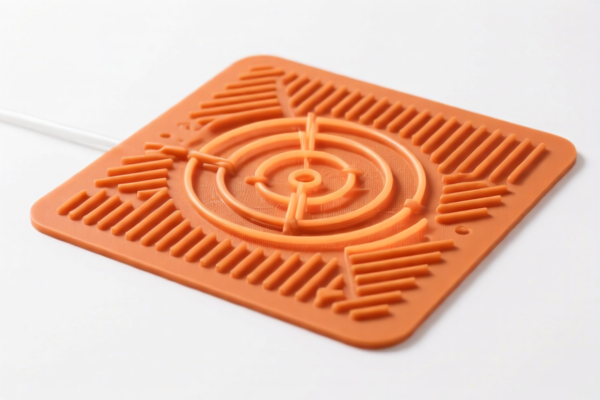
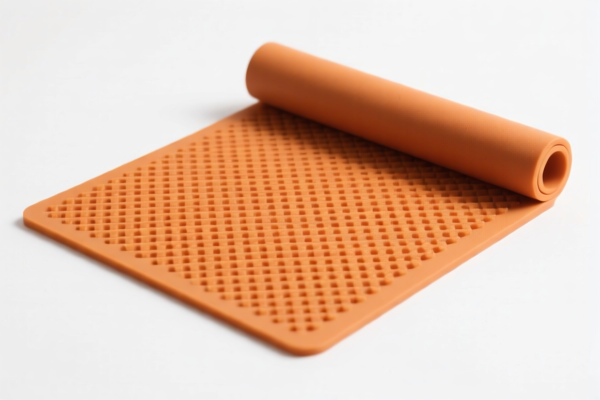
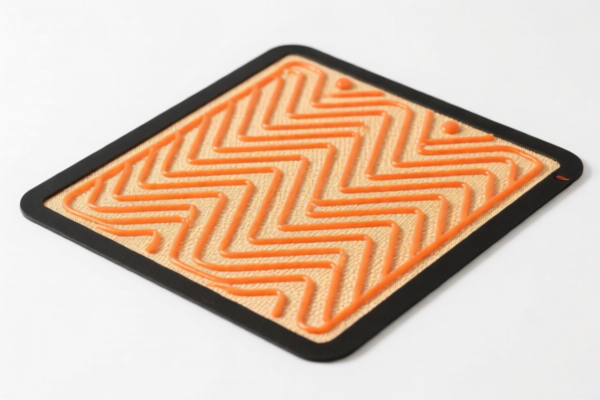

AI Analysis
🖥️ Heat Press Mat (Sublimation / Heat Press Accessories)
🌐 HS Code Reference & Customs Clearance Guide | 2026 Latest Tariff Analysis | Professional Clearance Strategy
📌 One, Product Definition & Classification: Do You Really Understand "Heat Press Mats"?
A Heat Press Mat (often referred to as a silicone mat, PTFE sheet, or pressing pad) is a critical auxiliary accessory used in heat press machines. Its primary function is to provide a uniform, non-stick, and heat-resistant surface for transferring graphics (sublimation, vinyl, etc.) onto fabrics, mugs, plates, or other substrates.
In international trade, while often sold as an "accessory," its classification depends heavily on its material composition, specific application, and whether it is considered an integral part of the machine or a separate good.
⚠️ Key Distinction Point:
- If it is a generic silicone/PTFE pad used for plastic/rubber molding → It may fall under Plastic Machinery Parts or Rubber Processing Machinery Parts.
- If it is specifically designed as a pressing plate or mold for metal forming → It may fall under Metal Forming Machinery Parts.
- If it is a hydraulic/mechanical pressure component → It may fall under Presses.
📦 Two, HS Code Classification Details (2026 Latest Tariff Authority Comparison)
Based on the provided data for "Heat Press" (热压机), the following HS Codes are potential classifications depending on the specific nature and usage of the mat/component. Note that "Heat Press Mat" is often classified under the broader category of the machine it serves or as a part thereof.
| HS Code | Product Description (Summary) | Application Scenario | Classification Logic |
|---|---|---|---|
8477.40.01.00 |
Heat Press belongs to thermoforming machinery; used for processing plastic or rubber materials. | Sublimation mats for plastics, plastic bottle pressing, PVC card pressing. | Plastic/Rubber Machinery Part: If the mat is integral to thermoforming plastics/rubber. |
8479.30.00.00 |
Heat Press belongs to the category of presses; used for manufacturing plates (pressing machines). | Generic industrial pressing pads, plate-forming accessories. | General Press Accessory: Classified as a part of a pressing machine not specifically named elsewhere. |
8462.11.00.55 |
Heat Press belongs to metal hot forming; complies with closed-die forging machine usage. | High-temperature metal pressing mats, forging pads. | Metal Forming Part: If used for metal hot forging/pressing. |
8477.59.01.00 |
Heat Press belongs to molding machinery; used for rubber or plastic processing and molding. | Silicone mats for rubber stamping, plastic molding pads. | Molding Machinery Part: Specific to rubber/plastic molding processes. |
8462.61.80.90 |
Heat Press belongs to presses; involves hydraulic or mechanical pressure. | Hydraulic press mats, mechanical pressure pads. | Hydraulic/Mechanical Press Part: Classified under presses involving hydraulic/mechanical action. |
🔍 Key Reminder:
- Most sublimation heat press mats (PTFE/Silicone) for textiles are not explicitly listed as separate HS codes in the provided data. They are typically classified as parts of the heat press machine (8477.xxor8462.xx) or under8479.90(parts of machines).
- However, based strictly on the provided<DATA>, the classification depends on the material being processed (Plastic/Rubber vs. Metal) and the type of press (Thermoforming vs. Hydraulic/Mechanical).
- Do not misclassify a plastic thermoforming mat as a metal forging part (8462), as this triggers different tariff rates and compliance requirements.
💰 Three, 2026 Latest Tariff Rate Details (Including Additional Taxes, Policy Surcharges)
✅ Applicable Country: United States (US)
✅ Origin: China (CN)
✅ Effective Date: 2025/2026 (Based on provided tax details)
🎯 1. 8477.40.01.00 —— Heat Press for Plastic/Rubber Thermoforming
| Item | Content |
|---|---|
| Base Tariff | 3.1% (ad valorem) |
| Section 301 Additional Tariff | +25.0% |
| Section 122 Tariff | +10.0% |
| Total Tax Rate | 38.1% |
| Tax Calculation | CIF Value × 38.1% |
| De Minimis Exemption | ❌ Not Available (deny_de_minimis) |
| Legal Basis Path | Base: 8477.40.01.00 → Sec301: 25% → Sec122: 10% |
📌 Explanation:
- This code applies if the heat press mat is considered a part of a thermoforming machine for plastics or rubber.
- The 38.1% total rate is very high.
- Section 122 likely refers to specific national security or emergency tariffs (check latest USCBP guidelines).
🎯 2. 8479.30.00.00 —— Presses for Manufacturing Plates
| Item | Content |
|---|---|
| Base Tariff | 0.0% |
| Section 301 Additional Tariff | +25.0% |
| Section 122 Tariff | +10.0% |
| Total Tax Rate | 35.0% |
| Tax Calculation | CIF Value × 35.0% |
| De Minimis Exemption | ❌ Not Available |
| Legal Basis Path | Base: 8479.30.00.00 → Sec301: 25% → Sec122: 10% |
📌 Note:
- This code is for general presses.
- Although the base tariff is 0%, the 35% total rate is still significant due to the 301 and 122 surcharges.
- Use this if the mat is a generic pressing accessory not specific to plastic/rubber or metal forging.
🎯 3. 8462.11.00.55 —— Metal Hot Forming / Closed-Die Forging
| Item | Content |
|---|---|
| Base Tariff | 4.4% |
| Section 301 Additional Tariff | +25.0% |
| Section 122 Tariff | +10.0% |
| Total Tax Rate | 39.4% |
| Tax Calculation | CIF Value × 39.4% |
| De Minimis Exemption | ❌ Not Available |
| Legal Basis Path | Base: 8462.11.00.55 → Sec301: 25% → Sec122: 10% |
📌 Caution:
- This is the highest rate (39.4%) in the provided data.
- Only use this if the heat press mat is explicitly for metal hot forging or closed-die forging.
- Misclassifying a plastic mat here could lead to penalties and higher duties.
🎯 4. 8477.59.01.00 —— Rubber/Plastic Molding Machinery
| Item | Content |
|---|---|
| Base Tariff | 3.1% |
| Section 301 Additional Tariff | +25.0% |
| Section 122 Tariff | +10.0% |
| Total Tax Rate | 38.1% |
| Tax Calculation | CIF Value × 38.1% |
| De Minimis Exemption | ❌ Not Available |
| Legal Basis Path | Base: 8477.59.01.00 → Sec301: 25% → Sec122: 10% |
📌 Note:
- Similar to8477.40.01.00, applies to rubber or plastic molding.
- The 38.1% rate is extremely high for a simple mat.
- Recommendation: Ensure the product description clearly specifies "Thermoforming Machinery" to justify this classification, or consider if a different accessory code applies.
🎯 5. 8462.61.80.90 —— Hydraulic/Mechanical Presses
| Item | Content |
|---|---|
| Base Tariff | 4.4% |
| Section 301 Additional Tariff | +25.0% |
| Section 122 Tariff | +10.0% |
| Total Tax Rate | 39.4% |
| Tax Calculation | CIF Value × 39.4% |
| De Minimis Exemption | ❌ Not Available |
| Legal Basis Path | Base: 8462.61.80.90 → Sec301: 25% → Sec122: 10% |
📌 Note:
- Applies to hydraulic or mechanical presses.
- If the heat press is a hydraulic hot press for metal or heavy-duty applications, this code may be appropriate.
- Again, 39.4% is the highest rate.
🛠️ Four, Customs Clearance Practical Advice (Battle-Tested Pitfall Guide)
✅ 1. Required Documentation Checklist (Non-Negotiable)
| Document | Required | Description |
|---|---|---|
| ✅ Product Specification Sheet | ✔️ | Must detail material (Silicone, PTFE, etc.), dimensions, temperature resistance, and intended use (Plastic vs. Metal). |
| ✅ Product Photos | ✔️ | Clear images of the mat, including packaging and any branding. |
| ✅ Commercial Invoice | ✔️ | Clearly state "Heat Press Mat" or "Pressing Pad" and specify the machine model it belongs to. |
| ✅ Packing List | ✔️ | Include weight and dimensions. |
| ✅ Material Safety Data Sheet (MSDS) | ✔️ | Required for silicone/chemical materials. |
| ✅ Certificate of Origin (CO) | ✔️ | If applicable for any potential duty waivers (though not available for China in this scenario). |
✅ 2. Declaration Tips (Key Mnemonics)
🔥 "Material Matters, Use Defines Code, Don't Split, Don't Guess!"
| Situation | Correct Declaration | Incorrect Practice |
|---|---|---|
| Mat for Plastic Thermoforming | 8477.40.01.00 |
Misclassify as 8462 (Metal) → 39.4% |
| Mat for Metal Forging | 8462.11.00.55 |
Misclassify as 8477 (Plastic) → 38.1% |
| Generic Pressing Pad | 8479.30.00.00 |
Split into parts → Higher risk of audit |
| Hydraulic Press Mat | 8462.61.80.90 |
Declare as "Textile Accessory" → Rejection |
✅ 3. Special Case Handling
| Situation | Handling Advice |
|---|---|
| OEM Custom Mats | Provide customer order + design specs. Avoid generic names like "Rubber Pad" without context. |
| Combined Shipments | If the mat is shipped with the heat press machine, it is usually considered a part of the machine. Declare as 8477 or 8462 parts, not as a separate product. |
| Mixed Material Mats | If the mat contains both silicone and metal components, declare based on the principal material or the primary function. |
| Pre-Clearance Ruling | Highly Recommended. Apply for an Advance Ruling from USCBP to confirm the correct HS Code and avoid surprise duties. |
🌍 Five, Global Market Clearance Comparison (2026 Latest)
| Country/Region | Recommended HS Code | Tariff Rate | Certification | Remarks |
|---|---|---|---|---|
| 🇺🇸 USA | 8477.40.01.00 or 8462.11.00.55 |
38.1% - 39.4% | No specific tech cert | High duty due to 301/122. |
| 🇨🇳 China | 8477.90.90.00 (Parts) |
~5% | No | Lower duty, but export compliance applies. |
| 🇪🇺 EU | 8477.90.00.00 (Parts) |
0% - 2.5% | CE (if electrical) | No additional surcharges. |
| 🇦🇺 Australia | 8477.90.00.00 (Parts) |
5% | RCM | No additional surcharges. |
| 🇯🇵 Japan | 8477.90.00.00 (Parts) |
0% - 5% | PSE (if electrical) | No additional surcharges. |
📌 Conclusion:
- USA is the most expensive market for Heat Press Mats due to Section 301 and Section 122 tariffs.
- EU, Japan, and Australia offer significantly lower duty rates for similar products.
- Consider supply chain diversification (e.g., sourcing from Vietnam or Mexico) if targeting the US market to mitigate high tariffs.
📌 Six, Common Mistakes & Pitfall Guide (Blood & Tears Lessons)
❌ Mistake 1: Declaring a silicone mat as a textile accessory (6307.90)
👉 Consequence: Customs will reclassify it as a machine part (8477 or 8462) and assess 38-39% duty + penalties.
❌ Mistake 2: Using "Heat Press" as the product name without specifying if it's a mat, machine, or plate
👉 Consequence: Ambiguity leads to manual examination, delays, and potential misclassification.
❌ Mistake 3: Ignoring Section 122 tariffs
👉 Consequence: Even if the base duty is low, the 10% Section 122 surcharge can add up significantly.
❌ Mistake 4: Splitting a complete heat press into machine + mat for lower duty
👉 Consequence: Customs views the mat as an integral part of the machine. Splitting may trigger anti-avoidance audits.
✅ Correct Approach:
"PTFE Heat Press Mat, 12x15 inch, Silicone Coated, for Sublimation Printing, Compatible with Model XYZ Heat Press"
🎯 Seven, Conclusion: Professional Declaration, Save Time, Reduce Costs!
🎯 Remember the Mnemonic:
🔹 "Plastic Mat: 38.1%, Metal Mat: 39.4%, Generic Press: 35%. No De Minimis!"
🔹 "HS Code Determines Duty, 301/122 Surcharges Are Real, Declare Accurately to Avoid Penalties!"
📌 Pro Tip:
- If your mat is exported to the US, budget for ~38-39% total duty.
- Apply for an Advance Ruling to confirm the HS Code.
- Consider repacking or rebranding in a third country (e.g., Vietnam) if feasible to mitigate tariffs.
📣 Immediate Action:
📞 Contact a Professional Customs Broker + Provide Product Specs + Apply for Advance Ruling
🚀 Let your Heat Press Mat clear customs smoothly, reduce costs, and maximize profits!
✨ Professional Clearance Starts with Accurate Classification!
💼 Every Dollar of Your Cost Deserves Precise Calculation!
Customer Reviews
About HS Code Classification
The Harmonized System (HS) is an internationally standardized nomenclature developed by the World Customs Organization (WCO) to classify traded products. Over 200 countries use the HS system as the basis for customs tariffs, trade statistics, and import/export regulations.
Each HS code follows a hierarchical structure:
- Chapter (2 digits) — Broad category of goods (e.g., Chapter 84: Machinery and Mechanical Appliances)
- Heading (4 digits) — More specific grouping within the chapter
- Subheading (6 digits) — Internationally standardized breakdown, used by all WCO member countries
- National subdivisions (8-10 digits) — Country-specific extensions for further classification, such as US HTSUS 10-digit codes
Correct HS code classification is essential for smooth customs clearance, accurate duty payment, and compliance with trade regulations. Misclassification can lead to customs delays, overpayment of duties, or penalties.
When importing from CN to US, the applicable tariff rates may include:
- Most-Favored-Nation (MFN) rate — The standard duty rate applied to WTO members
- General rate — Applied to countries without trade agreements
- Trade remedy duties — Additional tariffs such as Section 301 (anti-dumping), Section 232 (national security), or countervailing duties
The information provided on this page is for reference purposes only. For official classification, please consult with your local customs authority or a licensed customs broker.