Heat Press Pad
CN → US| HS Code | Tariff Rate | Origin | Destination | Doc |
|---|---|---|---|---|
| 8477400100 | 38.1% | CN | US | Official Doc |
| 8479300000 | 35.0% | CN | US | Official Doc |
| 8462110055 | 39.4% | CN | US | Official Doc |
| 8477590100 | 38.1% | CN | US | Official Doc |
| 8462618090 | 39.4% | CN | US | Official Doc |
Product Images
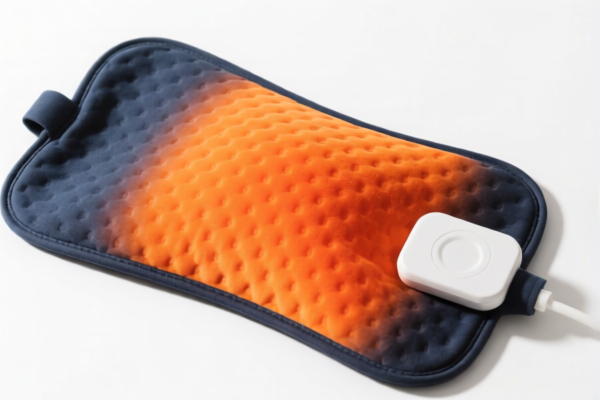
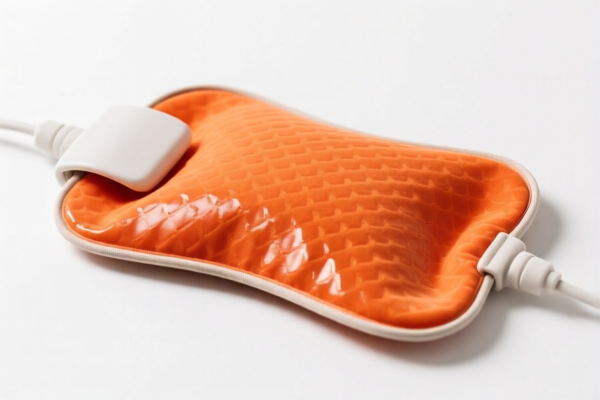
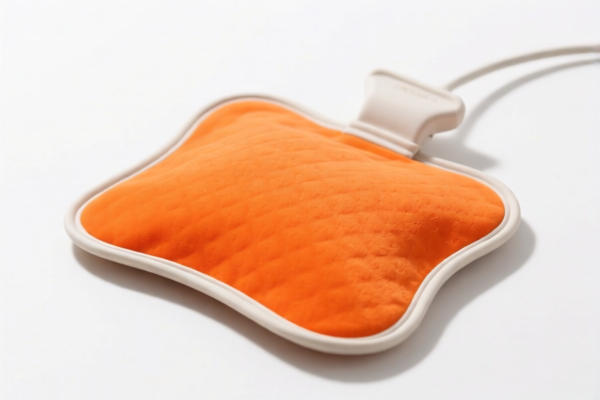
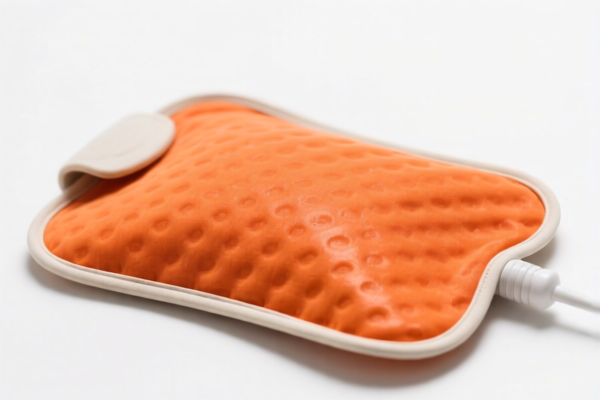
AI Analysis
🔥 Heat Press Pad (Heat Press Machine)
🌐 HS Code Reference & Customs Clearance Guide | 2026 Latest Tariff Analysis | Professional Clearance Strategy
📌 I. Product Definition & Classification: Do You Really Understand the "Heat Press"?
A Heat Press Pad (typically referred to as a Heat Press Machine in international trade) is a thermal forming or pressing equipment used to apply heat and pressure to materials. In international trade, it is primarily classified based on the material being processed (Plastic/Rubber vs. Metal) and the mechanism (Hydraulic/Mechanical).
Core Categories:
Plastic/Rubber Processing Machinery: Used for thermoforming plastic sheets or molding rubber parts.
Metal Forming/Press Machinery: Used for closing dies, forging, or pressing metal plates.
⚠️ Key Distinction Point:
- If the machine is designed for plastic or rubber (e.g., for T-shirts, cups, or plastic components) → It falls under Chapter 84.77 (Machinery for working rubber or plastics).
- If the machine is designed for metal (e.g., forging, pressing metal sheets) → It falls under Chapter 84.62 (Machine tools for working metal) or Chapter 84.79 (Other machines with individual functions).
📦 II. HS Code Classification Details (2026 Latest Tariff Authority Comparison)
| HS Code | Product Description | Application Scenario | Tax Detail Breakdown |
|---|---|---|---|
8477.40.01.00 |
Machinery for working rubber or plastics: Thermoforming Machines | Plastic sheet heating, vacuum forming, or rubber molding pads | Base: 3.1% + Add'l: 25% + 122 Sec: 10% = 38.1% |
8479.30.00.00 |
Machines for working rubber or plastics, or for making products of these materials: Presses (Other) | General-purpose pressure machines, non-specific metal/plastic pressing | Base: 0.0% + Add'l: 25% + 122 Sec: 10% = 35.0% |
8462.11.00.55 |
Machine Tools for Working Metal: Closed-Die Forging or Hammer Presses | Metal hot forging, heavy-duty metal plate pressing | Base: 4.4% + Add'l: 25% + 122 Sec: 10% = 39.4% |
8477.59.01.00 |
Machinery for working rubber or plastics: Other Molding Machinery | Rubber/Plastic injection molding or other forming presses | Base: 3.1% + Add'l: 25% + 122 Sec: 10% = 38.1% |
8462.61.80.90 |
Machine Tools for Working Metal: Hydraulic Presses | Hydraulic metal pressing, heavy industrial metal formers | Base: 4.4% + Add'l: 25% + 122 Sec: 10% = 39.4% |
🔍 Key Reminder:
- Plastic/Rubber Heat Presses (common in garment printing, crafts) should generally be classified under 8477 series.
- Metal Forging/Pressing Heat Presses (industrial manufacturing) fall under 8462 or 8479.
- Misclassification can lead to significant duty differences (e.g., 35% vs. 39.4%) and customs delays.
💰 III. 2026 Latest Tariff Rate Details (Including Surcharges & Policy Add-ons)
✅ Applicable Country: United States (US)
✅ Origin: China (CN)
✅ Effective Date: 2025/2026 (Current Trade Policies)
🎯 1. 8477.40.01.00 & 8477.59.01.00 —— Plastic/Rubber Thermoforming/Molding Machines
| Item | Content |
|---|---|
| Base Tariff Rate | 3.1% (Ad Valorem) |
| Section 301 Additional Tariff | +25% (USITC Footnote) |
| Section 122 Tariff | +10% (Specific Chinese Origin Surcharge) |
| Total Tariff Rate | 38.1% |
| Tax Calculation | CIF Value × 38.1% |
| De Minimis Exemption | ❌ Not Eligible (Deny De Minimis) |
| Legal Basis Path | Base Tariff → Section 301 → Section 122 |
📌 Explanation:
- These codes cover the majority of commercial heat press machines used in small businesses, apparel printing (T-shirt presses), and plastic packaging.
- The total tax burden is 38.1%, which is high but slightly lower than metal machinery codes.
🎯 2. 8479.30.00.00 —— Other Pressing Machines (Non-Specific)
| Item | Content |
|---|---|
| Base Tariff Rate | 0.0% |
| Section 301 Additional Tariff | +25% |
| Section 122 Tariff | +10% |
| Total Tariff Rate | 35.0% |
| Tax Calculation | CIF Value × 35.0% |
| De Minimis Exemption | ❌ Not Eligible |
| Legal Basis Path | Base Tariff → Section 301 → Section 122 |
📌 Note:
- If the machine does not fit strictly into "thermoforming" but is a general pressure press, it may fall here.
- This is the lowest tariff option among the provided codes (35%), but requires accurate functional description.
🎯 3. 8462.11.00.55 & 8462.61.80.90 —— Metal Pressing/Forging Machines
| Item | Content |
|---|---|
| Base Tariff Rate | 4.4% |
| Section 301 Additional Tariff | +25% |
| Section 122 Tariff | +10% |
| Total Tariff Rate | 39.4% |
| Tax Calculation | CIF Value × 39.4% |
| De Minimis Exemption | ❌ Not Eligible |
| Legal Basis Path | Base Tariff → Section 301 → Section 122 |
📌 Note:
- These codes apply if the "Heat Press" is used for metalworking (e.g., hot forging, metal plate pressing).
- If your machine is for garments/plastics, do NOT use these codes, as customs will reject the misdeclaration.
🛠️ IV. Customs Clearance Practical Advice (Pitfall Avoidance Guide)
✅ 1. Required Documentation Checklist (Missing Any May Cause Delay)
| Document | Must Provide | Description |
|---|---|---|
| ✅ Product Specification Sheet | ✔️ | Must specify: Max Temperature, Pressure (Ton), Plate Size, Heating Method. |
| ✅ Product Photos | ✔️ | Clear images of the machine, control panel, and heating plates. |
| ✅ Commercial Invoice | ✔️ | Must clearly state: "Heat Press Machine for [Plastic/Rubber/Metal] Processing". |
| ✅ Packing List | ✔️ | Detail weight and dimensions. |
| ✅ Origin Certificate | ✔️ | Proves Chinese origin (subject to 301+122 tariffs). |
| ✅ Electrical Compliance | ✔️ | UL/ETL certification (if available) for US electrical standards. |
✅ 2. Declaration Tips (Key Mantras)
🔥 "Material First, Function Second, Name Precise, Duty Saved!"
| Scenario | Correct Declaration | Incorrect Practice |
|---|---|---|
| T-Shirt/Plastic Cup Press | 8477.40.01.00 or 8477.59.01.00 |
Misdeclaring as 8479 to save 3% → Risk of Audit |
| Metal Forging Press | 8462.11.00.55 |
Declaring as 8477 (Plastic) → Rejection/Seizure |
| General Industrial Press | 8479.30.00.00 |
Vague description "Machine" → High Scrutiny |
| Parts Only (Heating Plate) | Separate HS Code | Declaring as whole machine → Valuation Dispute |
💡 Pro Tip:
For garment printing heat presses, explicitly state: "Thermoforming machine for plastic/rubber material processing" to justify 8477.
For industrial metal presses, state: "Hydraulic press for metal forging" to justify 8462.
✅ 3. Special Case Handling
| Scenario | Handling Advice |
|---|---|
| OEM Custom Heat Press | Provide design drawings showing the heating element and pressing mechanism. |
| Combined Machine (Print + Press) | If it prints AND presses, declare based on the principal function. Usually, the press mechanism dominates if heating is integral. |
| High-Temperature Industrial Press | Ensure temperature specs match the HS code definition (e.g., >200°C for rubber). |
| Small Desktop Presses | Still subject to tariffs; no de minimis exemption for China-origin goods over $800 (if applicable, but usually denied for machinery). |
🌍 V. Global Market Clearance Comparison (2026 Latest)
| Country/Region | Recommended HS Code | Tariff (China Origin) | Certification | Notes |
|---|---|---|---|---|
| 🇺🇸 USA | 8477.40.01.00 / 8479.30.00.00 |
35.0% - 38.1% | UL/ETL | High tariffs due to 301+122. |
| 🇨🇳 China | 8477 / 8479 |
0% - 4.4% | CCC | No additional surcharges. |
| 🇪🇺 EU | 8477 / 8479 |
0% - 4.5% | CE | No 301/122 equivalent. |
| 🇦🇺 Australia | 8477 / 8479 |
5% | RCM | No additional surcharges. |
| 🇯🇵 Japan | 8477 / 8479 |
0% - 3% | PSE | Low tariffs, no surcharges. |
📌 Conclusion:
- USA is the most challenging market due to the 35%-39.4% effective tariff rate.
- Cost Impact: A $1,000 heat press incurs $350-$394 in duties alone.
- Strategy: Ensure correct HS code to avoid overpaying (e.g., using 39.4% when 35% is applicable) or underpaying (leading to penalties).
📌 VI. Common Errors & Pitfall Guide (Blood Tears Lessons)
❌ Error 1: Declaring a Plastic Heat Press as 8462 (Metal Press)
👉 Consequence: Customs may reject it or reclassify it, causing delays. If reclassified to 8477, duty drops to 38.1% or 35%.
👉 Fix: Match the material being processed.
❌ Error 2: Declaring a Metal Forging Press as 8477 (Plastic)
👉 Consequence: Penalties + Back Duties. Metal presses often have different usage criteria.
👉 Fix: Use 8462 codes for metalworking.
❌ Error 3: Vague Description: "Heat Machine"
👉 Consequence: Customs cannot determine the correct HS code → 100% Inspection.
👉 Fix: Use full description: "Electrically Heated Hydraulic Press for Plastic Thermoforming".
❌ Error 4: Ignoring Section 122 Tariff
👉 Consequence: Underpayment by 10%.
👉 Fix: Always add 10% to the 301 rate for Chinese-origin machinery.
🎯 VII. Conclusion: Professional Declaration, Save Costs, Smooth Clearance!
🎯 Remember the Mantra:
🔹 "Plastic/Rubber → 8477 (38.1%) or 8479 (35%)"
🔹 "Metal → 8462 (39.4%)"
🔹 "Name it Right, Tariff Right, Clear Fast!"
📌 Pro Tip:
If your heat press is originating from Vietnam, Malaysia, or Thailand, you may be eligible for lower tariffs or exemptions under FTAs.
✅ Recommendation:
📞 Consult a Customs Broker + Provide Product Specs + Apply for Pre-Ruling if unsure.
🚀 Ensure your Heat Press Pad/Machine clears US Customs smoothly without paying more than necessary!
✨ Professional Clearance Starts with Precise Classification!
💼 Every Percent Counts in International Trade!
Customer Reviews
About HS Code Classification
The Harmonized System (HS) is an internationally standardized nomenclature developed by the World Customs Organization (WCO) to classify traded products. Over 200 countries use the HS system as the basis for customs tariffs, trade statistics, and import/export regulations.
Each HS code follows a hierarchical structure:
- Chapter (2 digits) — Broad category of goods (e.g., Chapter 84: Machinery and Mechanical Appliances)
- Heading (4 digits) — More specific grouping within the chapter
- Subheading (6 digits) — Internationally standardized breakdown, used by all WCO member countries
- National subdivisions (8-10 digits) — Country-specific extensions for further classification, such as US HTSUS 10-digit codes
Correct HS code classification is essential for smooth customs clearance, accurate duty payment, and compliance with trade regulations. Misclassification can lead to customs delays, overpayment of duties, or penalties.
When importing from CN to US, the applicable tariff rates may include:
- Most-Favored-Nation (MFN) rate — The standard duty rate applied to WTO members
- General rate — Applied to countries without trade agreements
- Trade remedy duties — Additional tariffs such as Section 301 (anti-dumping), Section 232 (national security), or countervailing duties
The information provided on this page is for reference purposes only. For official classification, please consult with your local customs authority or a licensed customs broker.