Heat Protection Device
CN → US| HS Code | Tariff Rate | Origin | Destination | Doc |
|---|---|---|---|---|
| 7019801090 | 39.9% | CN | US | Official Doc |
| 3926305000 | 22.8% | CN | US | Official Doc |
| 3926909989 | 22.8% | CN | US | Official Doc |
| 7019801010 | 39.9% | CN | US | Official Doc |
| 6806900090 | 35.0% | CN | US | Official Doc |
Product Images
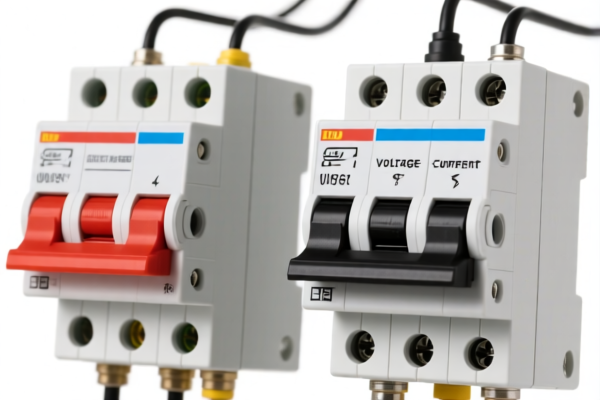
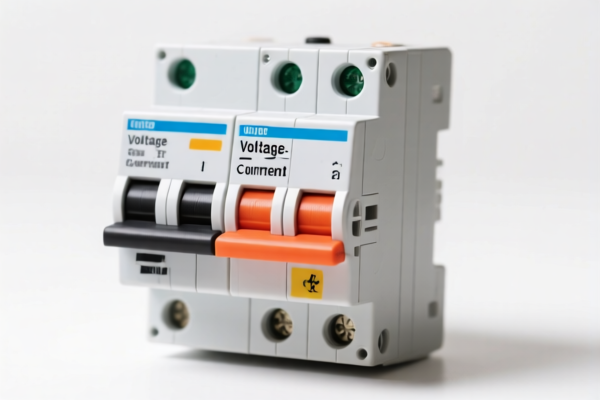
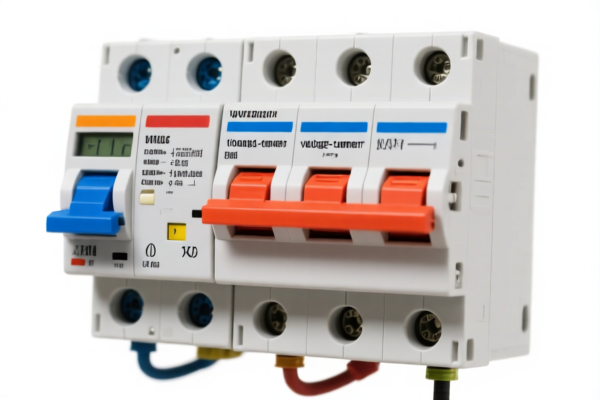
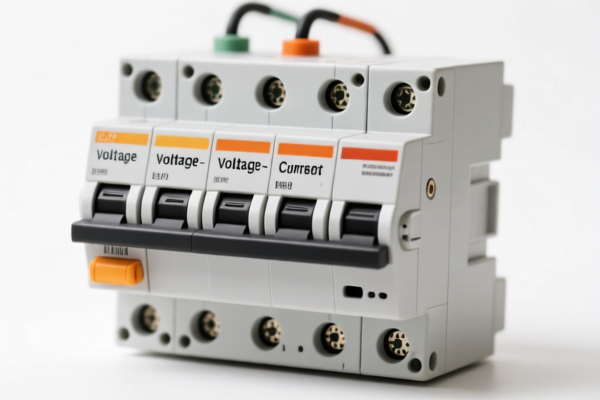
AI Analysis
🔥 Heat Protection Device (Thermal Insulation & Protective Equipment)
🌐 HS Code Reference & Customs Clearance Guide | 2026 Updated Tariff Analysis | Professional Import Strategy
📌 One, Product Definition & Classification: What Exactly Is a "Heat Protection Device"?
A Heat Protection Device is a specialized component or system designed to insulate, shield, or protect equipment, structures, or personnel from extreme thermal exposure. These devices are commonly used in industrial furnaces, high-temperature machinery, HVAC systems, automotive exhausts, and building insulation.
In international trade, such products are classified based on material composition, functional purpose, and structural design. The key classification factors include:
- Material Type: Glass wool, mineral fiber, plastic composites, rubber, or hybrid materials
- Function: Thermal insulation, fire resistance, sound dampening, or structural support
- Form Factor: Blankets, panels, sleeves, gaskets, or molded inserts
⚠️ Critical Distinction:
- If made of glass wool or mineral fiber → likely HS 7019.80.10 or 6806.90.00
- If made of plastic or polymer-based composites → likely HS 3926.30.50 or 3926.90.99
- If used as a structural or connecting part → may fall under "other plastic articles"
📦 Two, HS Code Classification Details (2026 Updated Tariff Authority)
| HS Code | Product Description | Material Inference | Functional Use | Key Clue |
|---|---|---|---|---|
7019.80.10.90 |
Other glass or glass wool, for thermal insulation | Glass wool, fibrous glass, mineral insulation | Thermal barrier, furnace lining, duct insulation | ✅ Insulation-focused, not structural |
3926.30.50.00 |
Other plastic parts, for connection or support | Plastic (e.g., PVC, polypropylene, nylon) | Mounting brackets, sleeves, gaskets, connectors | ✅ Functional accessory, not primary insulation |
3926.90.99.89 |
Other articles of plastic or other materials | Plastic, rubber, composite, mixed materials | General-purpose parts, seals, insulating covers | ✅ Catch-all category, often used when material unclear |
7019.80.10.10 |
Glass or glass wool, for thermal insulation (specific use) | Glass wool, mineral fiber, insulation board | Industrial insulation, heat shields, fire barriers | ✅ Same as 7019.80.10.90, but with stricter use criteria |
6806.90.00.90 |
Other mineral materials, not specified elsewhere | Mineral fiber, silicate, ceramic wool | High-temp insulation, refractory linings, fireproofing | ✅ Non-metallic, inorganic, heat-resistant |
🔍 Key Insight:
- Glass-based insulation → HS 7019.80.10 (highest tariff)
- Plastic-based parts → HS 3926.30/90 (moderate tariff)
- Mineral fiber products → HS 6806.90.00 (high tariff due to 25% + 10%)
💰 Three, 2026 Updated Tariff Breakdown (With Full Tax Clause Explanation)
✅ Applicable Country: United States (US)
✅ Origin: China (CN)
✅ Effective Date: November 10, 2025 (and ongoing)
🎯 1. 7019.80.10.90 — Glass Wool for Thermal Insulation
| Item | Detail |
|---|---|
| Base Duty | 4.9% (ad valorem) |
| Section 301 (USITC) Additional Tariff | +25.0% |
| Section 122 (IEEPA) Emergency Tariff | +10.0% |
| Total Effective Duty | 39.9% |
| Tax Calculation | CIF Value × 39.9% |
| De Minimis Exemption? | ❌ No (denied under US law) |
| Legal Basis Path | IEEPA:9903.01.25 → IEEPA:9903.01.24 → USITC:7019.80.10.90 → FOOTNOTE:9903.88.01 |
📌 Explanation:
- 25% USITC Tariff: Imposed under Section 301 of the Trade Act of 1974 for "unfair trade practices" by China.
- 10% IEEPA Tariff: Enforced under the International Emergency Economic Powers Act, targeting goods from China/Hong Kong deemed a national security threat.
- Combined with 4.9% base, this results in 39.9% total — one of the highest tariffs in the thermal protection category.
🎯 2. 3926.30.50.00 — Plastic Connecting or Structural Parts
| Item | Detail |
|---|---|
| Base Duty | 5.3% |
| Section 301 (USITC) Additional Tariff | +7.5% |
| Section 122 (IEEPA) Emergency Tariff | +10.0% |
| Total Effective Duty | 22.8% |
| Tax Calculation | CIF × 22.8% |
| De Minimis Exemption? | ❌ No |
| Legal Basis Path | IEEPA:9903.01.25 → IEEPA:9903.01.24 → USITC:3926.30.50.00 → FOOTNOTE:9903.88.01 |
📌 Explanation:
- 7.5% USITC Tariff: Lower than glass products because plastic is not classified as "critical industrial material" under 301.
- 10% IEEPA Tariff: Still applies to all Chinese-origin plastic goods under IEEPA.
- Total 22.8% — moderate but still significant for cost-sensitive imports.
🎯 3. 3926.90.99.89 — Other Plastic or Composite Articles (Catch-All)
| Item | Detail |
|---|---|
| Base Duty | 5.3% |
| Section 301 (USITC) Additional Tariff | +7.5% |
| Section 122 (IEEPA) Emergency Tariff | +10.0% |
| Total Effective Duty | 22.8% |
| Tax Calculation | CIF × 22.8% |
| De Minimis Exemption? | ❌ No |
| Legal Basis Path | IEEPA:9903.01.25 → IEEPA:9903.01.24 → USITC:3926.90.99.89 → FOOTNOTE:9903.88.01 |
📌 Note:
- This code is a "fallback" category for plastic, rubber, or composite parts not covered elsewhere.
- Even if your product is rubber-based or hybrid, this tariff applies.
- High risk of misclassification — always verify material composition.
🎯 4. 7019.80.10.10 — Glass or Glass Wool for Thermal Insulation (Specific Use)
| Item | Detail |
|---|---|
| Base Duty | 4.9% |
| Section 301 (USITC) Additional Tariff | +25.0% |
| Section 122 (IEEPA) Emergency Tariff | +10.0% |
| Total Effective Duty | 39.9% |
| Tax Calculation | CIF × 39.9% |
| De Minimis Exemption? | ❌ No |
| Legal Basis Path | IEEPA:9903.01.25 → IEEPA:9903.01.24 → USITC:7019.80.10.10 → FOOTNOTE:9903.88.01 |
📌 Why It’s the Same as 7019.80.10.90?
- Both are for thermal insulation made of glass wool.
- The difference is usage specificity —7019.80.10.10applies to products with defined thermal functions, while90is broader.
- Same tariff — 39.9% — due to identical policy treatment.
🎯 5. 6806.90.00.90 — Other Mineral Materials (Non-metallic, Inorganic)
| Item | Detail |
|---|---|
| Base Duty | 0.0% |
| Section 301 (USITC) Additional Tariff | +25.0% |
| Section 122 (IEEPA) Emergency Tariff | +10.0% |
| Total Effective Duty | 35.0% |
| Tax Calculation | CIF × 35.0% |
| De Minimis Exemption? | ❌ No |
| Legal Basis Path | IEEPA:9903.01.25 → IEEPA:9903.01.24 → USITC:6806.90.00.90 → FOOTNOTE:9903.88.01 |
📌 Explanation:
- No base duty — but 25% + 10% = 35% still applies.
- Applies to mineral fiber, silicate, ceramic wool, or refractory materials.
- High-risk category — often used in fireproofing, furnace linings, and industrial insulation.
- Even if not glass, if inorganic and heat-resistant, this code may apply.
🛠️ Four, Customs Clearance Best Practices (Real-World Tips)
✅ 1. Required Documentation (Must-Have Checklist)
| Document | Required? | Notes |
|---|---|---|
| ✅ Product Specification Sheet | ✔️ | Include material, thickness, thermal rating, temperature resistance |
| ✅ Material Safety Data Sheet (MSDS) | ✔️ | Prove composition (e.g., glass wool vs. plastic) |
| ✅ Technical Drawings / CAD Files | ✔️ | Show structure, function, and integration |
| ✅ Product Photos (with labels) | ✔️ | Show brand, model, markings, and assembly |
| ✅ Third-Party Test Report | ✔️ | UL, FM, ASTM, or ISO 1182 (fire resistance) |
| ✅ Commercial Invoice | ✔️ | Clearly state “Thermal Insulation Device” or “Heat Protection Component” |
| ✅ Certificate of Origin (CO) | ✔️ | If from Vietnam, Mexico, or Thailand, may qualify for IEEPA exemption |
✅ 2.申报技巧(Key Tips)
🔥 "Material First, Function Second, Tax Last!"
| Scenario | Correct HS Code | Common Mistake |
|---|---|---|
| Glass wool blanket for furnace | 7019.80.10.90 or 7019.80.10.10 |
Misclassified as plastic → 22.8% vs. 39.9% |
| Plastic sleeve for exhaust pipe | 3926.30.50.00 |
Called “insulation” → wrongly assigned to glass wool |
| Rubber gasket with mineral filler | 3926.90.99.89 |
Not clearly defined → risk of higher scrutiny |
| Ceramic fiber board for kiln | 6806.90.00.90 |
Mistaken as plastic → 22.8% instead of 35% |
| Mixed material heat shield | 3926.90.99.89 |
If >50% mineral → should be 6806.90.00.90 |
✅ 3. Special Cases & Solutions
| Situation | Recommended Action |
|---|---|
| Product contains both plastic and mineral fiber | Use material dominance test: if mineral >50%, use 6806.90.00.90 |
| OEM custom heat shield | Provide design drawings + material cert → avoid “catch-all” classification |
| Used in military/aviation | Apply for special-use exemption — may reduce or waive tariffs |
| Sourcing from Vietnam/Mexico/Thailand | Apply for IEEPA exemption — if origin is not China, tariff drops to 0–5% |
| Prototype or sample shipment | Use de minimis threshold (800 USD) — only if origin is not China |
🌍 Five, Global Customs Comparison (2026 Update)
| Country/Region | Recommended HS Code | Tariff | Certification | Notes |
|---|---|---|---|---|
| 🇺🇸 USA | 7019.80.10.90 / 6806.90.00.90 |
35%–39.9% | UL, FM, ASTM | Highest tariff, no de minimis |
| 🇨🇳 China | 7019.80.10.90 |
5% | CCC, CE | No additional tariffs |
| 🇪🇺 EU | 7019.80.10.90 |
0% (if CE) | CE, REACH | No 301/IEEPA tariffs |
| 🇦🇺 Australia | 7019.80.10.90 |
5% | RCM | No IEEPA |
| 🇯🇵 Japan | 7019.80.10.90 |
0% | PSE | No附加税 |
📌 Conclusion:
- USA is the only market with 301 + IEEPA tariffs on heat protection devices.
- China-origin products face the highest cost — 39.9% for glass wool.
- Switching origin to Vietnam/Mexico can cut tariffs by 30+ percentage points.
📌 Six, Common Mistakes & Risk Warnings (Avoid These!)
❌ Mistake 1: Calling a glass wool blanket “plastic insulation”
👉 Result: 22.8% instead of 39.9% → underpaid duties → penalties + audits
❌ Mistake 2: Using 3926.90.99.89 for a mineral-based product
👉 Result: 22.8% instead of 35% → underpayment → reassessment
❌ Mistake 3: Not providing material proof (MSDS, test reports)
👉 Result: Customs may reclassify → higher tariff + delays
❌ Mistake 4: Shipping from China without origin proof
👉 Result: Automatic 35–40% tariff applied — no appeal
✅ Correct Way to Declare:
“Glass Wool Thermal Insulation Blanket, 50mm Thick, 1000°C Rated, Fireproof, Model XYZ, UL Certified, Made in China”
🎯 Seven, Final Verdict: Precision Beats Guesswork
🎯 Remember the Golden Rule:
🔹 "Material First, Function Second, Tax Last!"
🔹 "One wrong HS code = 20%+ tax difference = thousands in lost profit!"
📌 Pro Tip:
✅ Apply for an Advance Ruling (Pre-Approval) before shipping — get official HS code confirmation from U.S. Customs.
✅ Use a customs broker with thermal product experience — they know the nuances of glass vs. plastic vs. mineral.
📣 Take Action Now:
📞 Contact a specialized customs broker + submit product specs + request HS Code pre-ruling
🚀 Reduce risk, avoid penalties, and save thousands in tariffs!
✨ Smart Importing Starts with Smart Classification!
💼 Your next shipment’s success depends on one line: the HS Code.
Customer Reviews
About HS Code Classification
The Harmonized System (HS) is an internationally standardized nomenclature developed by the World Customs Organization (WCO) to classify traded products. Over 200 countries use the HS system as the basis for customs tariffs, trade statistics, and import/export regulations.
Each HS code follows a hierarchical structure:
- Chapter (2 digits) — Broad category of goods (e.g., Chapter 84: Machinery and Mechanical Appliances)
- Heading (4 digits) — More specific grouping within the chapter
- Subheading (6 digits) — Internationally standardized breakdown, used by all WCO member countries
- National subdivisions (8-10 digits) — Country-specific extensions for further classification, such as US HTSUS 10-digit codes
Correct HS code classification is essential for smooth customs clearance, accurate duty payment, and compliance with trade regulations. Misclassification can lead to customs delays, overpayment of duties, or penalties.
When importing from CN to US, the applicable tariff rates may include:
- Most-Favored-Nation (MFN) rate — The standard duty rate applied to WTO members
- General rate — Applied to countries without trade agreements
- Trade remedy duties — Additional tariffs such as Section 301 (anti-dumping), Section 232 (national security), or countervailing duties
The information provided on this page is for reference purposes only. For official classification, please consult with your local customs authority or a licensed customs broker.