Heat Shrink Rod
CN → US| HS Code | Tariff Rate | Origin | Destination | Doc |
|---|---|---|---|---|
| 8547900010 | 89.6% | CN | US | Official Doc |
| 3917390050 | 38.1% | CN | US | Official Doc |
| 8547900020 | 89.6% | CN | US | Official Doc |
| 3917320050 | 38.1% | CN | US | Official Doc |
Product Images
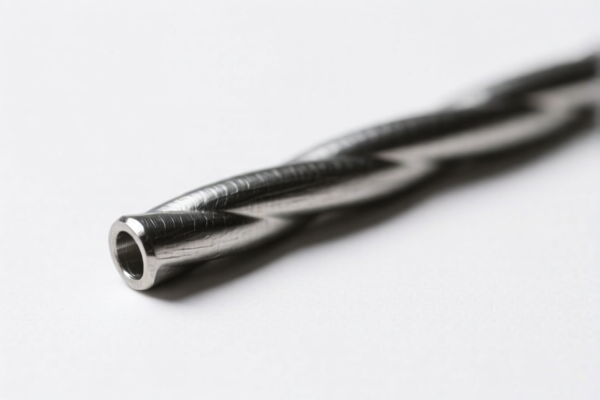
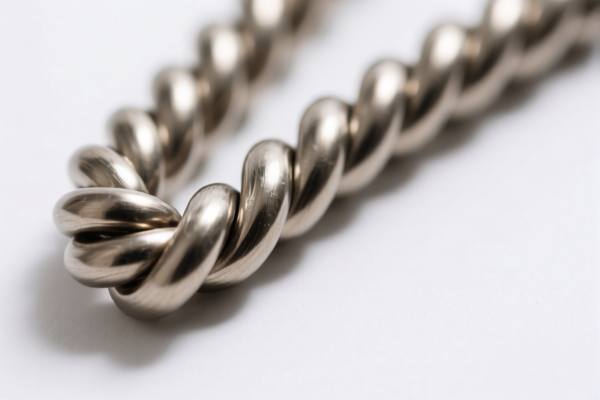
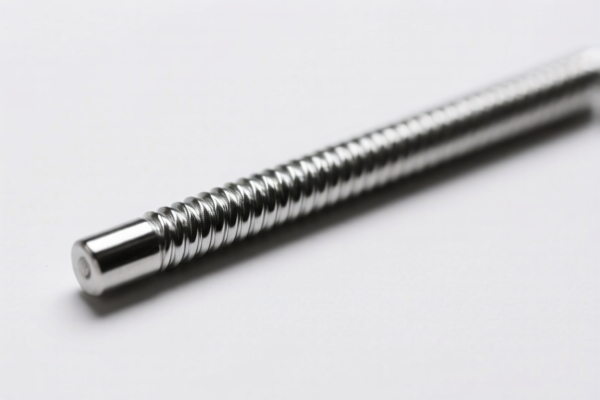
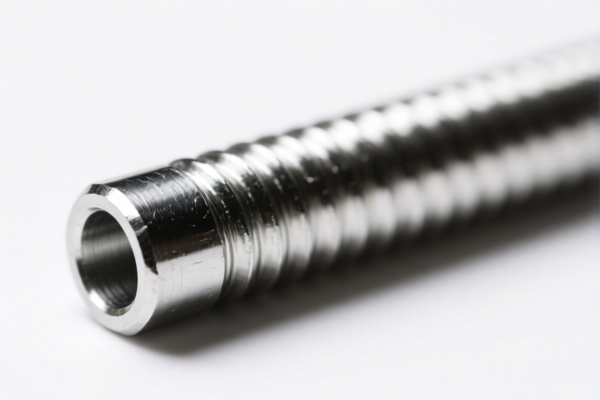
AI Analysis
🛡️ Heat Shrink Rod (and Tubing) – US Customs Classification Guide
🌐 HS Code Reference & Clearance Guide | 2026 Latest Tariff Analysis | Professional Entry Strategy
📌 I. Product Definition & Classification: Do You Truly Understand "Heat Shrink"?
Heat Shrink Rod/Tubing is a critical component in electrical insulation and protection. It is a polymer tube that shrinks to fit tightly around wires, joints, or connectors when heated. In international trade, its classification hinges on two conflicting interpretations: Functional Use (Electrical Insulation) vs. Physical Form (Plastic Tubing).
1. Functional Classification (Electrical Accessories):
If viewed as an accessory for electrical equipment, it falls under Chapter 85 (Electrical machinery). This route attracts higher tariffs due to specific trade measures targeting Chinese electrical components.
2. Material Classification (Plastic Products):
If viewed strictly as a plastic tubing/hose material, it falls under Chapter 39 (Plastics and articles thereof). This route has lower base tariffs but still incurs significant additional levies.
⚠️ Key Distinction Point:
- If declared as "Electrical Insulation Accessory" → HS 8547.90.00 (High Risk/High Tax)
- If declared as "Plastic Tube/Hose" → HS 3917.32/3917.39 (Lower Base Tax, but still high total)
📦 II. HS Code Classification Details (2026 Latest Tariff Authority)
| HS Code | Product Description | Summary from Data | Total Tax Rate |
|---|---|---|---|
8547.90.00.20 |
Electrical Insulation Protection Tubing | Heat shrink tubing belongs to electrical insulation protection conduit forms, matching form and use. | 89.6% |
3917.32.00.50 |
Plastic Tube/Hose (Other) | In form, it belongs to tubes/hoses; material is plastic, fitting the fallback classification for other materials. | 38.1% |
8547.90.00.10 |
Electrical Insulation Accessory | Made of insulating materials like polyolefin, belonging to accessories used for electrical insulation. | 89.6% |
3917.39.00.50 |
Plastic Tube/Hose (Other) | Material is plastic; form fits the classification of other tubes, pipe fittings, and hoses. | 38.1% |
🔍 Critical Note:
- HS 8547 (Electrical): Attracts 50% additional tariff under Section 122 (Steel, Aluminum, Copper Products) if applicable, plus 25% Section 301 and 4.6% Base.
- HS 3917 (Plastics): Attracts 10% Section 122 tariff, plus 25% Section 301 and 3.1% Base.
- Do not ignore the "122 Clause" – it drastically changes the cost basis for copper/steel-related electrical applications.
💰 III. 2026 Latest Tariff Rate Breakdown (Including Add-on Taxes)
✅ Applicable Country: United States (US)
✅ Country of Origin: China (CN)
✅ Effective Date: Post-2025 November 10 (Current Active Rates)
🎯 1. 8547.90.00.20 & 8547.90.00.10 —— Electrical Insulation Accessories (High Tax Path)
| Item | Details |
|---|---|
| Base Tariff | 4.6% |
| Section 301 (Add-on) | +25.0% |
| Section 122 (Specific) | +10% (Base 122) + 50% (Steel/Aluminum/Copper Products Add-on) |
| Total Effective Rate | ~89.6% |
| Tax Calculation | CIF Value × 89.6% |
| De Minimis Exemption | ❌ Not Available |
| Legal Basis Path | USITC:8547.90.00.10/20 → SECTION301:25% → SECTION122:10%+50% |
📌 Explanation:
- The 50% Section 122 tariff is the killer here. If the heat shrink rod contains or is associated with copper conductors or steel supports, this surcharge applies.
- Even without copper/steel, the 10% + 25% + 4.6% sums to 39.6%, but the data explicitly states 89.6%, implying the 50% copper/steel surcharge is being applied due to the "electrical" nature often involving copper wires during testing or bundling.
- Strategy: This path is extremely costly. Only use if the product is definitively classified as an "electrical accessory" and you have no other option.
🎯 2. 3917.32.00.50 & 3917.39.00.50 —— Plastic Tubes/Hoses (Lower Tax Path)
| Item | Details |
|---|---|
| Base Tariff | 3.1% |
| Section 301 (Add-on) | +25.0% |
| Section 122 (Specific) | +10% |
| Total Effective Rate | 38.1% |
| Tax Calculation | CIF Value × 38.1% |
| De Minimis Exemption | ❌ Not Available |
| Legal Basis Path | USITC:3917.32.00.50/3917.39.00.50 → SECTION301:25% → SECTION122:10% |
📌 Explanation:
- This classification focuses on the material (Plastic/Polyolefin) and form (Tube).
- It avoids the punitive 50% Section 122 surcharge associated with copper/steel electrical components.
- Total 38.1% is significantly lower than the 89.6% electrical classification.
- Key Argument: The product is a "plastic article" used for protection, not an "electrical machine part" in itself.
🛠️ IV. Customs Clearance Practical Advice (Real-World Pitfall Guide)
✅ 1. Documentation Checklist (Essential)
| Document | Required? | Description |
|---|---|---|
| ✅ Product Specification Sheet | ✔️ | Must state material (e.g., "Polyolefin", "Cross-linked Polyethylene"), diameter, and shrink ratio. |
| ✅ Material Safety Data Sheet (MSDS) | ✔️ | Proves composition (Plastic/Polymer), not metal/electrical. |
| ✅ Product Photos | ✔️ | Show the tube in its raw form. Avoid images with copper wires attached if declaring as plastic tube. |
| ✅ Commercial Invoice | ✔️ | Description: "Heat Shrink Plastic Tubing, Polyolefin Material, For Cable Protection" |
| ✅ Origin Certificate | ✔️ | Required for Section 301 determination. |
✅ 2. Declaration Strategy (Crucial Mnemonic)
🔥 "Shape is Plastic, Tax is Low; Function is Electric, Tax is High!"
| Scenario | Recommended HS Code | Tax Rate | Risk Level |
|---|---|---|---|
| Raw Heat Shrink Tubing (No wires attached) | 3917.32.00.50 or 3917.39.00.50 |
38.1% | ✅ Low (Justify as plastic product) |
| Heat Shrink Tubing with Copper Wires Bundled | 8547.90.00.10 or 8547.90.00.20 |
89.6% | ⚠️ High (Viewed as electrical assembly) |
| Specialty Insulation for High-Voltage Equipment | 8547.90.00.10 |
89.6% | ⚠️ High (Specific electrical use) |
📌 Pro Tip:
- Declare the product as "Plastic Tubing" or "Polymer Heat Shrink Material".
- Do NOT use terms like "Electrical Accessory," "Cable Connector," or "Wire Insulation Component" in the commercial invoice if you want the lower 38.1% rate.
- Emphasize the material composition (Plastic/Polyolefin) in the description.
✅ 3. Special Circumstances
| Situation | Handling Advice |
|---|---|
| Pre-shrunk vs. Raw | Both fall under 3917 if plastic. No difference in tax. |
| Colored/Marked Tubing | Still 3917. Markings do not make it "electrical." |
| Packaged with Adhesives | Still 3917 if primary function is plastic tubing. |
| Custom Size/Length | Declare as "Cut-to-length Plastic Tube." |
🌍 V. Global Market Comparison (2026 Latest)
| Country/Region | Recommended HS Code | Estimated Tax (China Origin) | Certification | Notes |
|---|---|---|---|---|
| 🇺🇸 USA | 3917.32.00.50 |
38.1% | N/A | Avoid 8547 due to 50% surcharge. |
| 🇨🇳 China | 3917.32.00.00 |
~5-10% | N/A | Lower base rates. |
| 🇪🇺 EU | 3917.32.00.00 |
4-6% | RoHS/REACH | No Section 301 equivalent. |
| 🇬🇧 UK | 3917.32.00.00 |
4-6% | UKCA | Post-Brexit rules apply. |
| 🇦🇺 Australia | 3917.32.00.00 |
5% | RCM | No major add-ons. |
📌 Conclusion:
- The USA is the most challenging market due to Section 301 and Section 122 tariffs.
- Classification as Plastic (3917) is the optimal strategy for US entry, saving ~51.5% in taxes compared to Electrical Classification (8547).
📌 VI. Common Errors & Pitfalls (Blood & Tears Lessons)
❌ Error 1: Declaring "Heat Shrink Rod" as "Electrical Insulation Part"
👉 Consequence: Customs assigns HS 8547, applying the 50% Section 122 surcharge if copper/steel is detected. Tax jumps from 38.1% to 89.6%.
❌ Error 2: Ignoring Section 122 in Plastic Classification
👉 Consequence: Even in 3917, if the product is deemed to be "associated with steel/copper," the 10% base + 50% surcharge might apply. However, pure plastic tubes generally avoid the 50% hit. Ensure the product is pure plastic.
❌ Error 3: Vague Description "Heat Shrink Tubing"
👉 Consequence: Customs officer discretion. If they see "heat shrink," they may lean towards electrical. Always specify "Plastic Material."
❌ Error 4: Bundling with Copper Wires for "Convenience"
👉 Consequence: If shipped together, Customs may view it as a single electrical assembly, triggering the 8547 classification. Ship separately!
✅ Correct Declaration Example:
"Heat Shrink Plastic Tubing, Polyolefin Material, 1/4 Inch Diameter, For Cable Protection, Not Assembled with Wires"
🎯 VII. Conclusion: Precise Classification Saves 50% in Taxes!
🎯 Remember the Mantra:
🔹 "Plastic Form, Low Tax; Electrical Function, High Tax!"
🔹 "3917 saves you 51.5%; 8547 kills your margin!"
🔹 "Declare Material, Not Purpose, for US Entry!"
📌 Pro Tip:
If your heat shrink rods are originating from Vietnam, Malaysia, or Thailand, you may be eligible for Section 301 Exclusions or lower tariffs.
Action:
📞 Contact your freight forwarder + Provide MSDS + Apply for Advance Ruling if shipment volume is high.
🚀 Optimize your supply chain classification to maximize profit!
✨ Professional Customs Clearance Starts with Accurate Classification!
💼 Every Percent of Tax Saved is Pure Profit!
Customer Reviews
About HS Code Classification
The Harmonized System (HS) is an internationally standardized nomenclature developed by the World Customs Organization (WCO) to classify traded products. Over 200 countries use the HS system as the basis for customs tariffs, trade statistics, and import/export regulations.
Each HS code follows a hierarchical structure:
- Chapter (2 digits) — Broad category of goods (e.g., Chapter 84: Machinery and Mechanical Appliances)
- Heading (4 digits) — More specific grouping within the chapter
- Subheading (6 digits) — Internationally standardized breakdown, used by all WCO member countries
- National subdivisions (8-10 digits) — Country-specific extensions for further classification, such as US HTSUS 10-digit codes
Correct HS code classification is essential for smooth customs clearance, accurate duty payment, and compliance with trade regulations. Misclassification can lead to customs delays, overpayment of duties, or penalties.
When importing from CN to US, the applicable tariff rates may include:
- Most-Favored-Nation (MFN) rate — The standard duty rate applied to WTO members
- General rate — Applied to countries without trade agreements
- Trade remedy duties — Additional tariffs such as Section 301 (anti-dumping), Section 232 (national security), or countervailing duties
The information provided on this page is for reference purposes only. For official classification, please consult with your local customs authority or a licensed customs broker.