Heat Shrink Tube
CN → US| HS Code | Tariff Rate | Origin | Destination | Doc |
|---|---|---|---|---|
| 3917320050 | 38.1% | CN | US | Official Doc |
| 8547900020 | 89.6% | CN | US | Official Doc |
| 8547900010 | 89.6% | CN | US | Official Doc |
| 3917390050 | 13.1% | CN | US | Official Doc |
Product Images
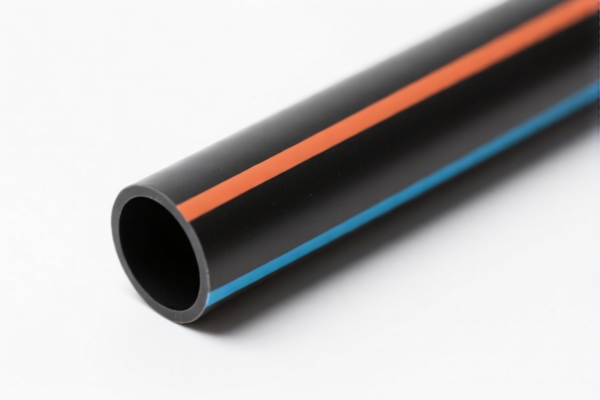
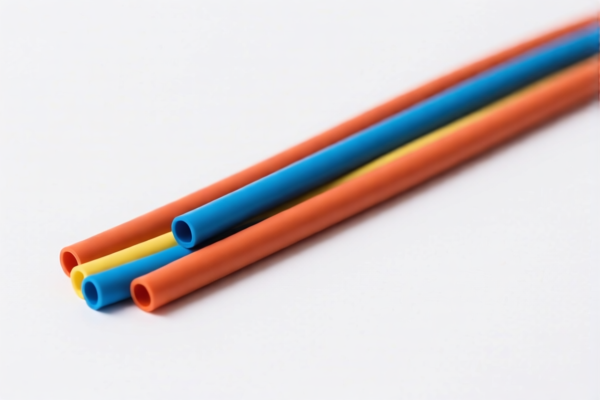
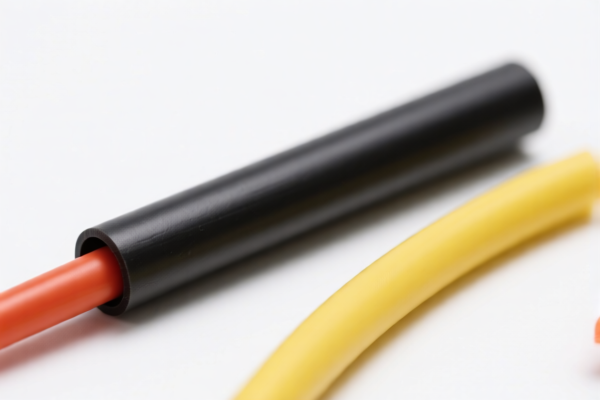
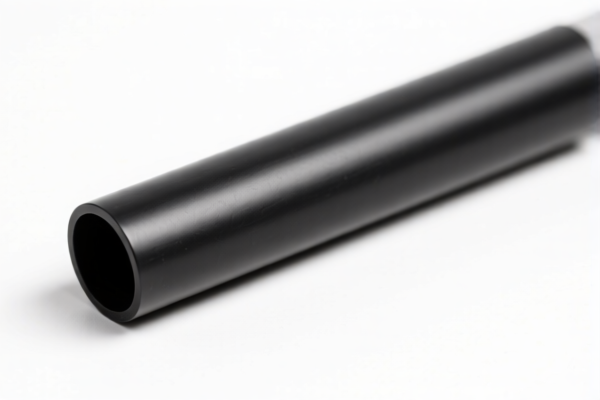
AI Analysis
🔥 Heat Shrink Tube (Thermally Shrinkable Insulating Tubing)
🌐 HS Code & Tariff Guide | 2026 Global Trade Compliance | Expert Clearing Strategy
📌 One Product, Multiple Classifications — Know the Right HS Code to Avoid 89.6% Tariffs!
📦 1. Product Definition & Classification: What Exactly Is a Heat Shrink Tube?
A heat shrink tube is a flexible, thermoplastic tubing that contracts in diameter when heated, forming a tight, protective seal around wires, cables, or joints. It is widely used in electrical, automotive, aerospace, and industrial applications for:
- Electrical insulation
- Environmental protection (moisture, dust, chemicals)
- Mechanical strain relief
- Cable bundling and identification
⚠️ Critical Distinction:
- If made of plastic/thermoplastic polymer (e.g., polyolefin, PVC, fluoropolymer) → HS Code 3917.32/39/3917.39
- If used as electrical insulation for conductors → HS Code 8547.90
- Not a metal or metallic component → No steel/aluminum/copper tariff triggers✅ Key Insight:
The same product can fall under two different HS codes depending on intended use and material composition. Misclassification = up to 89.6% tariff!
📊 2. HS Code Breakdown (2026 Official Tariff Schedule – US Focus)
| HS Code | Product Description | Material | Use Case | Tax Rate |
|---|---|---|---|---|
3917.32.00.50 |
Heat shrink tubing, in tube/soft hose form, plastic (polymer) | Plastic (polymer), non-metallic | General-purpose insulation, not specifically electrical | 38.1% |
8547.90.00.20 |
Electrical insulation tubing (for wires/cables), plastic/resin | Plastic/resin, insulating | Used in electrical circuits, wire harnesses, connectors | 89.6% |
8547.90.00.10 |
Accessories for electrical insulation, made of polyolefin or similar | Polyolefin, thermoplastic | Designed for electrical insulation, part of cable systems | 89.6% |
3917.39.00.50 |
Other tubes, pipes, and hoses (plastic, thermoplastic), not specified elsewhere | Polyolefin, thermoplastic | General plastic tubing, non-electrical application | 13.1% |
🔍 Why the Difference?
- 3917.32/39 = General plastic tubing, no electrical function → lower tariff
- 8547.90 = Electrical insulation component → triggers high-tech tariff rules due to use in electronics and power systems
💰 3. 2026 Tariff Breakdown (US Market – China-Origin Goods)
✅ Applicable Country: United States (US)
✅ Origin: China (CN)
✅ Effective Date: November 10, 2025 (post-2025 tariff adjustments)
🎯 1. 3917.32.00.50 — General Plastic Heat Shrink Tubing
| Tax Component | Rate | Legal Basis | Notes |
|---|---|---|---|
| Basic Duty | 3.1% | US HTSUS §3917.32.00 | Standard tariff for plastic tubing |
| Section 301 (USITC) | 25.0% | USITC Footnote 9903.88.01 | Tariff from China trade dispute |
| Section 122 (IEEPA) | 10% | IEEPA: 9903.01.25 | Emergency economic powers, China-specific |
| Total Effective Tax | 38.1% | — | High but manageable |
📌 Explanation:
- Applies when the tube is not marketed or used for electrical insulation
- Common in industrial, automotive, or DIY applications
- No steel/aluminum/copper tariffs apply — not a metal product
🎯 2. 8547.90.00.20 & 8547.90.00.10 — Electrical Insulation Tubing (High-Risk Category)
| Tax Component | Rate | Legal Basis | Notes |
|---|---|---|---|
| Basic Duty | 4.6% | HTSUS §8547.90.00 | For electrical accessories |
| Section 301 (USITC) | 25.0% | USITC Footnote 9903.88.01 | Applies to all Chinese electronics |
| Section 122 (IEEPA) | 10% | IEEPA: 9903.01.25 | Emergency powers, China-targeted |
| Steel/Aluminum/Copper Additional Tariff | 50% | HTSUS §9903.88.01 | ONLY IF the product is deemed to contain or be used in metal-based systems |
⚠️ Critical Warning:
- Even though heat shrink tubes are plastic, if they are used in electrical systems involving steel, aluminum, or copper conductors, the 50% additional tariff applies!
- This is not based on material, but on intended use and system context
- Total Tax = 4.6% + 25% + 10% + 50% = 89.6%📌 Legal Pathway:
IEEPA:9903.01.25→USITC:9903.88.01→HTSUS:8547.90.00→FOOTNOTE:9903.88.01→ADDITIONAL:50% (Steel/Aluminum/Copper)
🛠️ 4. Customs Clearance Best Practices (Pro Tips to Save Thousands!)
✅ 1. Documentation Checklist (MUST-HAVE)
| Document | Required? | Why It Matters |
|---|---|---|
| ✅ Product Specification Sheet | ✔️ | Shows material (polyolefin), shrink ratio, temp rating |
| ✅ Application Diagram / Use Case | ✔️ | Proves whether used for electrical insulation or general protection |
| ✅ Product Photos (with label) | ✔️ | Shows brand, model, size, and packaging |
| ✅ Material Safety Data Sheet (MSDS) | ✔️ | Confirms non-metallic composition |
| ✅ Commercial Invoice | ✔️ | Must clearly state intended use (e.g., “for wire insulation” vs “general plastic tubing”) |
| ✅ Certificate of Origin (CO) | ✔️ | Required for tariff claims; if from Vietnam/Mexico, may qualify for IEEPA exemption |
| ✅ Test Report (UL, RoHS, CE) | ✔️ | Helps prove safety and compliance |
✅ 2.申报技巧(Smart Declaration Rules)
🔥 "Use Case Defines Tax – Not Material!"
| Scenario | Correct HS Code | Risk of Over-Tax |
|---|---|---|
| Used in automotive wiring harness | 8547.90.00.20 |
❌ High risk: triggers 89.6% |
| Used in plumbing or industrial piping | 3917.32.00.50 |
✅ Safe: 38.1% only |
| Used in DIY electronics, hobby projects | 3917.39.00.50 |
✅ Lowest: 13.1% |
| Marketed as "insulating sleeve for wires" | 8547.90.00.10 |
❌ 89.6% if used with metal conductors |
📌 Golden Rule:
- If the product is sold with wires, connectors, or in electrical kits, it will be treated as electrical insulation → 89.6%
- If sold alone, as a standalone tubing, and not marketed for electrical use, use 3917.39.00.50 → 13.1%
✅ 3. Special Cases & Mitigation Strategies
| Situation | Recommended Action |
|---|---|
| Selling in bundles with wires | Do NOT split — declare as complete electrical system → 8547.90.00.20 → 89.6% |
| Selling in bulk, no wires included | Use 3917.39.00.50 → 13.1% |
| From Vietnam, Mexico, Thailand, Malaysia | Apply for IEEPA exemption → 0% on 122/301 tariffs |
| Used in non-electrical systems (e.g., HVAC, plumbing) | Use 3917.32.00.50 → 38.1% |
| Need to avoid 89.6% | Repackage — sell as general plastic tubing, not as "electrical insulation" |
🌍 5. Global Tariff Comparison (2026)
| Country | Recommended HS Code | Base Duty | Additional Taxes | Total Effective Tax |
|---|---|---|---|---|
| 🇺🇸 USA (China origin) | 8547.90.00.10 |
4.6% | +25% +10% +50% | 89.6% |
| 🇨🇳 China | 3917.39.00.50 |
5% | None | 5% |
| 🇪🇺 EU | 3917.39.00.50 |
0% | None | 0% |
| 🇦🇺 Australia | 3917.39.00.50 |
5% | None | 5% |
| 🇯🇵 Japan | 3917.39.00.50 |
0% | None | 0% |
📌 Key Insight:
- USA is the only market with 89.6% tariff risk
- China, EU, Japan, Australia treat heat shrink tubes as general plastic tubing → low or zero duty
🚫 6. Common Mistakes & Costly Errors (Real-World Examples)
❌ Mistake 1: Selling heat shrink tubing in wire kits → 89.6% tariff
👉 Fix: Declare as "Electrical Insulation Kit" → 89.6% — unavoidable
👉 Better: Sell tubing separately, label as "plastic tubing for general use"
❌ Mistake 2: Using "insulating tube" in product name → triggers 8547.90
👉 Fix: Use "heat shrink tubing", "plastic hose", "thermoplastic sleeve" instead
❌ Mistake 3: Not providing use case evidence → customs assumes electrical use → 89.6%
👉 Fix: Attach a short PDF explaining how it’s used (e.g., "for protecting garden hose joints")
🎯 7. Final Verdict: How to Win the Tariff Game
🔹 If you want to avoid 89.6%:
→ Don’t market it as electrical insulation
→ Sell it alone, not with wires
→ Use3917.39.00.50→ 13.1% total tax🔹 If you must sell as electrical component:
→ Use8547.90.00.10/20→ 89.6%
→ But only if you can’t avoid it — it’s non-negotiable in US🔹 Best Strategy:
- Split your product line:
- One version: General plastic tubing →3917.39.00.50→ 13.1%
- One version: Electrical insulation kit →8547.90.00.20→ 89.6%
📌 8. Pro Tips & Action Plan
✅ Do This Now: 1. Audit your product packaging & website — remove "electrical insulation" from descriptions
2. Reclassify your product as "plastic heat shrink tubing for general use"
3. Apply for HS Code Pre-Ruling (Advance Ruling) with USCB — $1,000–$3,000 fee, but worth it
4. Switch to non-China origin (Vietnam, Mexico) → qualify for 0% IEEPA/301 tariffs📞 Contact:
- US Customs Broker + Trade Compliance Specialist
- Request "Product Classification Ruling" for3917.39.00.50
- Attach use case, photos, specs, and invoice
🎯 Summary: The 3-Step Rule to Save 76.5% in Tariffs
🔹 Step 1: Don’t say “insulation” — use “plastic tubing”
🔹 Step 2: Sell it alone, not with wires
🔹 Step 3: Use HS Code3917.39.00.50→ 13.1% tax instead of 89.6%🚨 Remember:
“A tube is just a tube — unless you call it an insulator.”
— Your HS Code is your tax fate.
📣 Act Now:
📞 Call a customs expert today — get a free HS Code pre-ruling
🚀 Reduce your US import cost by 70%+ — before the next tariff wave hits!
✨ Smart Exporting Starts with Smart Classification!
💼 Your product’s value depends on its HS Code — get it right, or pay the price.
Customer Reviews
About HS Code Classification
The Harmonized System (HS) is an internationally standardized nomenclature developed by the World Customs Organization (WCO) to classify traded products. Over 200 countries use the HS system as the basis for customs tariffs, trade statistics, and import/export regulations.
Each HS code follows a hierarchical structure:
- Chapter (2 digits) — Broad category of goods (e.g., Chapter 84: Machinery and Mechanical Appliances)
- Heading (4 digits) — More specific grouping within the chapter
- Subheading (6 digits) — Internationally standardized breakdown, used by all WCO member countries
- National subdivisions (8-10 digits) — Country-specific extensions for further classification, such as US HTSUS 10-digit codes
Correct HS code classification is essential for smooth customs clearance, accurate duty payment, and compliance with trade regulations. Misclassification can lead to customs delays, overpayment of duties, or penalties.
When importing from CN to US, the applicable tariff rates may include:
- Most-Favored-Nation (MFN) rate — The standard duty rate applied to WTO members
- General rate — Applied to countries without trade agreements
- Trade remedy duties — Additional tariffs such as Section 301 (anti-dumping), Section 232 (national security), or countervailing duties
The information provided on this page is for reference purposes only. For official classification, please consult with your local customs authority or a licensed customs broker.