Heat Treatment Machine
CN → US| HS Code | Tariff Rate | Origin | Destination | Doc |
|---|---|---|---|---|
| 8417100000 | 37.9% | CN | US | Official Doc |
| 8417800000 | 38.9% | CN | US | Official Doc |
| 8419351000 | 35.0% | CN | US | Official Doc |
| 8419355000 | 35.0% | CN | US | Official Doc |
| 8514400000 | 35.0% | CN | US | Official Doc |
Product Images
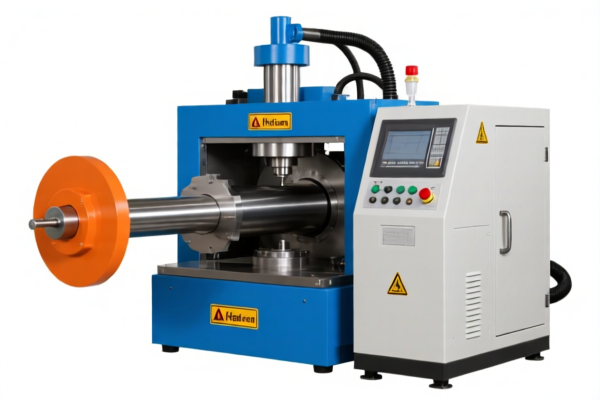
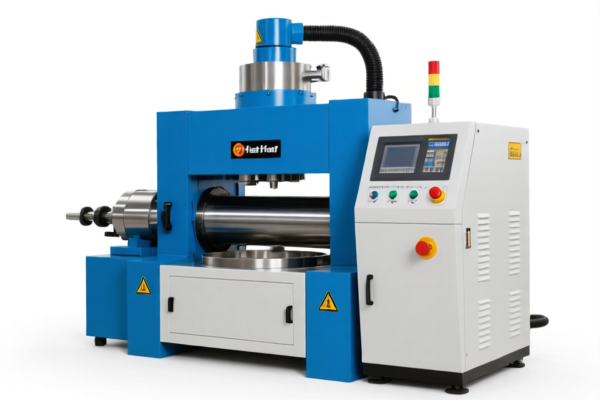
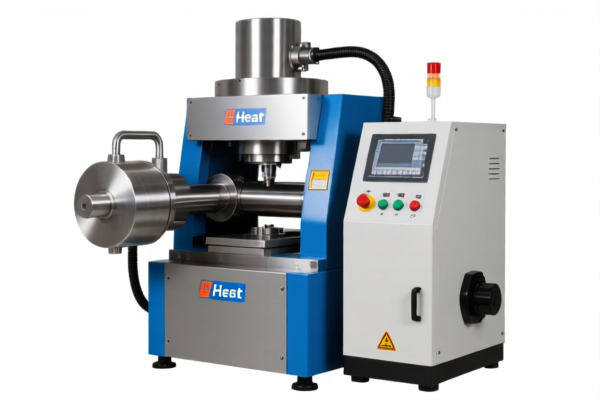
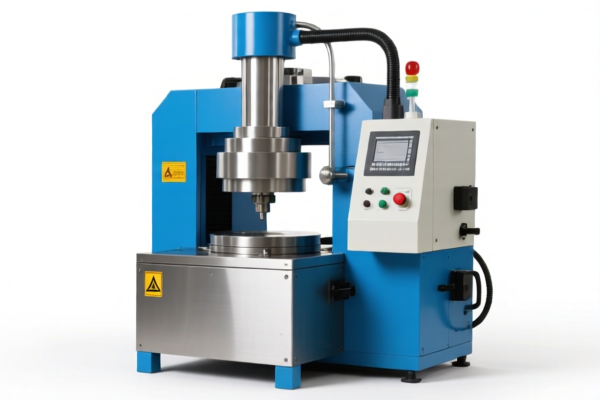
AI Analysis
⚙️ Heat Treatment Machine (热处理机)
🌐 HS Code Reference & Customs Clearance Guide | 2026 Latest Tariff Analysis | Strategic Entry Strategy
📌 I. Product Definition & Classification: Do You Understand "Heat Treatment"?
A Heat Treatment Machine is industrial equipment designed to alter the physical and sometimes chemical properties of materials (typically metals) through controlled heating and cooling cycles. In international trade, classification depends heavily on the specific mechanism used (e.g., electric resistance, induction, or thermal drying).
Key Distinction Points: * Electric Resistance/Conventional Ovens: Often classified under 8417 (Non-electric industrial process heating equipment) if they fall under "furnaces and ovens." * Induction/Dielectric Heating: Classified under 8514 if the heat is generated via electromagnetic induction or dielectric loss. * Thermal Processing/Drying: Classified under 8419 if the primary function is viewed as "processing materials by changing temperature" (often overlapping with drying machinery).
⚠️ Critical Warning:
- Misclassification between 8417 (General Industrial Furnaces) and 8514 (Inductive/Dielectric) can lead to significant duty discrepancies due to different Section XVI vs. Section XVI interpretations and varying Base Tariffs. - The presence of 122-Clause and Section 301 additional tariffs applies heavily to these industrial goods.
📦 II. HS Code Classification Details (2026 Latest Tariff Authority Comparison)
Based on the provided data, here are the four most relevant HS Codes for Heat Treatment Machines, with detailed tax breakdowns.
| HS Code | Product Description | Matching Logic | Total Tax Rate* | Base Duty | Additional Duties |
|---|---|---|---|---|---|
| 8417.10.00.00 | Heat Treatment Furnaces / Ovens | "Heat Treatment" in product name matches the core function of "sintering, smelting, or other heat treatment." | 37.9% | 2.9% | 25.0% (Sec 301) + 10% (122-Clause) |
| 8417.80.00.00 | Other Non-Electric Industrial Furnaces | "Industrial" matches "Non-electric industrial" use; "Heat Treatment Machine" falls under "Furnaces & Ovens." No material conflict. | 38.9% | 3.9% | 25.0% (Sec 301) + 10% (122-Clause) |
| 8419.35.10.00 | Machinery for Processing Materials by Heat | Machine uses temperature change for material processing; matches "heat treatment" function; no material conflict. | 35.0% | 0.0% | 25.0% (Sec 301) + 10% (122-Clause) |
| 8419.35.50.00 | Other Machinery for Processing Materials (Non-Residential) | "Heat Treatment" = temperature change processing; Industrial (non-residential) use confirmed; functional consistency with drying/processing logic. | 35.0% | 0.0% | 25.0% (Sec 301) + 10% (122-Clause) |
| 8514.40.00.00 | Inductive or Dielectric Heating Equipment | "Heat Treatment" matches "electromagnetic induction or dielectric loss heat treatment." Functional consistency, no conflict. | 35.0% | 0.0% | 25.0% (Sec 301) + 10% (122-Clause) |
🔍 Key Insight:
- 8417 Series (37.9%-38.9%): Higher base duty (2.9%-3.9%). Suitable for conventional resistance furnaces or general industrial ovens. - 8419 & 8514 Series (35.0%): Zero base duty. Suitable for induction heaters, dielectric dryers, or machines primarily defined by temperature-change processing rather than "furnace" structure. - All options include 25% Section 301 Tariff and 10% 122-Clause Tariff on Chinese origin goods.
💰 III. 2026 Latest Tariff Rate Detail (Including Additional Tariffs)
✅ Applicable Country: United States (US)
✅ Origin: China (CN)
✅ Effective Time: Current trade policies (Section 301 & 122-Clause active)
🎯 1. 8417.10.00.00 & 8417.80.00.00 — Industrial Furnaces & Ovens
| Item | Content |
|---|---|
| Base Duty | 2.9% (8417.10) / 3.9% (8417.80) |
| Section 301 Tariff | +25.0% (USITC Footnote for Chinese Goods) |
| 122-Clause Tariff | +10.0% (Targeting specific industrial equipment) |
| Total Tax Rate | 37.9% (8417.10) or 38.9% (8417.80) |
| Tax Calculation | CIF Value × Total Rate |
| De Minimis Exemption | ❌ Not Eligible (Industrial equipment > $800) |
| Legal Basis | HTSUS:8417 → USITC:Section301:25% → Trade Policy:122-Clause:10% |
📌 Explanation:
- These codes capture conventional heat treatment (e.g., electric resistance, gas-fired). - The base duty is higher, making the total landed cost significantly greater. - Use this classification only if the machine is structurally a "furnace" or "oven" without specific induction/dielectric technology.
🎯 2. 8419.35.10.00 & 8419.35.50.00 — Thermal Processing Machinery
| Item | Content |
|---|---|
| Base Duty | 0.0% |
| Section 301 Tariff | +25.0% |
| 122-Clause Tariff | +10.0% |
| Total Tax Rate | 35.0% |
| Tax Calculation | CIF Value × 35.0% |
| De Minimis Exemption | ❌ Not Eligible |
| Legal Basis | HTSUS:8419 → USITC:Section301:25% → Trade Policy:122-Clause:10% |
📌 Explanation:
- Lower base duty (0%) offers a 3-4% savings compared to 8417. - Suitable if the machine’s primary definition is "processing by temperature change" rather than "furnace." - Risk: Customs may challenge this if the machine is clearly a standard industrial furnace.
🎯 3. 8514.40.00.00 — Inductive/Dielectric Heat Treatment
| Item | Content |
|---|---|
| Base Duty | 0.0% |
| Section 301 Tariff | +25.0% |
| 122-Clause Tariff | +10.0% |
| Total Tax Rate | 35.0% |
| Tax Calculation | CIF Value × 35.0% |
| De Minimis Exemption | ❌ Not Eligible |
| Legal Basis | HTSUS:8514 → USITC:Section301:25% → Trade Policy:122-Clause:10% |
📌 Explanation:
- Zero base duty. - Must clearly demonstrate that heat is generated via electromagnetic induction or dielectric loss. - Ideal for quenching systems, induction hardening, or plasma treatment equipment.
🛠️ IV. Customs Clearance Practical Advice (Real-World Pitfall Guide)
✅ 1. Preparation Checklist (Required Documents)
| Document | Mandatory? | Purpose |
|---|---|---|
| ✅ Product Specification Sheet | Yes | Must detail heating method (resistance vs. induction), temperature range, and power source. |
| ✅ Electrical Diagram/Schematic | Yes | Critical to prove induction/dielectric mechanism for 8514.40.00.00 or thermal process for 8419. |
| ✅ Product Photos (Clear Labels) | Yes | Show铭牌 (Nameplate) with model, voltage, and function description. |
| ✅ Third-Party Test Report | Yes | CE, UL, or ISO certification proving safety and performance. |
| ✅ Commercial Invoice | Yes | Clearly state "Heat Treatment Machine for Industrial Use" and HS Code. |
| ✅ Packing List | Yes | Itemize components (e.g., control panel, heating chamber, cooling unit) to avoid "missing parts" inquiries. |
✅ 2. Declaration Strategy (Key Mnemonic)
🔥 "Mechanism Defines Code: Induction goes to 8514, Furnace to 8417, Thermal Process to 8419."
| Scenario | Correct HS Code | Incorrect Action | Consequence |
|---|---|---|---|
| Induction Hardening Machine | 8514.40.00.00 (35.0%) |
Declare as 8417.10 (37.9%) |
Overpay by 2.9% base duty |
| Electric Resistance Oven | 8417.10.00.00 (37.9%) |
Declare as 8514.40 (35.0%) |
Customs Audit: Misclassification → Penalties + Back Taxes |
| General Heat Treatment Unit | 8419.35 (35.0%) |
Declare as 8417.80 (38.9%) |
Overpay by 3.9% base duty |
| Parts Only (Heating Elements) | 8417.90 or 8514.90 |
Declare as Full Machine | Discrepancy → Delayed Release |
✅ 3. Special Handling
| Situation | Recommendation |
|---|---|
| Hybrid Machines | If machine uses both induction and resistance, declare based on primary function. Provide technical justification. |
| Used/Reconditioned Equipment | Must provide Condition Report. Some HS codes restrict used industrial goods. |
| Custom OEM Design | Provide User Manual and Operational Description to prove intended use (e.g., "for metal hardening," not "for drying food"). |
| Software Control Unit | If software is integral, it’s included in the machine value. Do not separate unless it’s a standalone control system. |
🌍 V. Global Market Comparison (2026)
| Country/Region | Recommended HS Code | Total Tax (China Origin) | Key Certification | Notes |
|---|---|---|---|---|
| 🇺🇸 USA | 8514.40.00.00 / 8417.10.00.00 |
35.0% - 38.9% | UL, CE | High additional tariffs apply. |
| 🇨🇳 China | 8417.10 / 8514.40 |
0% - 2.9% | CCC | No Section 301/122-Clause. |
| 🇪🇺 EU | 8417.10 / 8514.40 |
0% - 4.5% | CE | No additional punitive tariffs. |
| 🇦🇺 Australia | 8417.10 |
5.0% | RCM | Standard MFN rates. |
📌 Conclusion:
- USA is the most challenging market due to 35-39% total tariffs. - EU/Asia offer significantly lower costs (0-5%). - Consider supply chain diversification (e.g., assemble in Vietnam/Mexico) to mitigate US tariffs if feasible.
📌 VI. Common Errors & Pitfalls (Lessons Learned)
❌ Error 1: Declaring an Induction Heater as a general Furnace (8417).
👉 Result: Pay 37.9% instead of 35.0%. Wasted money on base duty.
❌ Error 2: Declaring a Resistance Furnace as Inductive (8514).
👉 Result: Customs audit. Claimed function doesn’t match technical specs. Penalties + Interest.
❌ Error 3: Ignoring 122-Clause Tariff.
👉 Result: Even if base duty is 0%, the 10% additional tariff applies to most industrial machinery from China.
❌ Error 4: Incomplete Documentation.
👉 Result: CBP requests Product Ruling. Delays of 2-4 weeks.
✅ Correct Practice:
"Industrial Heat Treatment Machine, Induction Type, 50kW, 200-1000°C, Model XYZ, UL Certified, for Metal Hardening"
🎯 VII. Conclusion: Professional Declaration, Cost Optimization!
🎯 Key Takeaway:
🔹 "Induction → 8514 (35%) | Furnace → 8417 (37.9%-38.9%) | Thermal Process → 8419 (35%)"
🔹 "Base Duty Matters: 0% vs 3.9% saves you 3.9% of CIF value!"
🔹 "Always Account for 35-39% Total Tax for US Imports from China!"
📌 Pro Tip:
If your machine is originating from Vietnam, Mexico, or Thailand, you may qualify for IEEPA Exemptions or lower Section 301 rates.
👉 Apply for Advance Ruling (CBP Form 5106) before shipment to ensure correct HS Code and duty calculation.
📣 Immediate Action:
📞 Consult with a licensed Customs Broker.
📄 Provide Technical Specs and Circuit Diagrams.
🚀 Ensure Smooth Clearance, Minimize Costs, Maximize Profit!
✨ Professional Clearance Starts with Precise Classification!
💼 Every Penny Saved in Tariffs is Pure Profit!
Customer Reviews
About HS Code Classification
The Harmonized System (HS) is an internationally standardized nomenclature developed by the World Customs Organization (WCO) to classify traded products. Over 200 countries use the HS system as the basis for customs tariffs, trade statistics, and import/export regulations.
Each HS code follows a hierarchical structure:
- Chapter (2 digits) — Broad category of goods (e.g., Chapter 84: Machinery and Mechanical Appliances)
- Heading (4 digits) — More specific grouping within the chapter
- Subheading (6 digits) — Internationally standardized breakdown, used by all WCO member countries
- National subdivisions (8-10 digits) — Country-specific extensions for further classification, such as US HTSUS 10-digit codes
Correct HS code classification is essential for smooth customs clearance, accurate duty payment, and compliance with trade regulations. Misclassification can lead to customs delays, overpayment of duties, or penalties.
When importing from CN to US, the applicable tariff rates may include:
- Most-Favored-Nation (MFN) rate — The standard duty rate applied to WTO members
- General rate — Applied to countries without trade agreements
- Trade remedy duties — Additional tariffs such as Section 301 (anti-dumping), Section 232 (national security), or countervailing duties
The information provided on this page is for reference purposes only. For official classification, please consult with your local customs authority or a licensed customs broker.