Heat Treatment Machine Parts
CN → US| HS Code | Tariff Rate | Origin | Destination | Doc |
|---|---|---|---|---|
| 8479909565 | 35.0% | CN | US | Official Doc |
| 8419908500 | 35.0% | CN | US | Official Doc |
| 8514904000 | 39.0% | CN | US | Official Doc |
| 8417900000 | 38.9% | CN | US | Official Doc |
| 8417800000 | 38.9% | CN | US | Official Doc |
Product Images
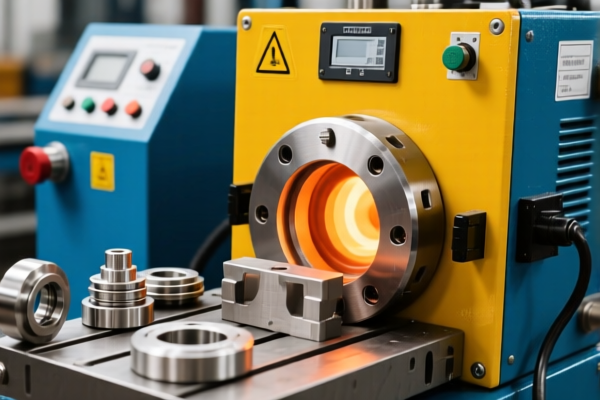
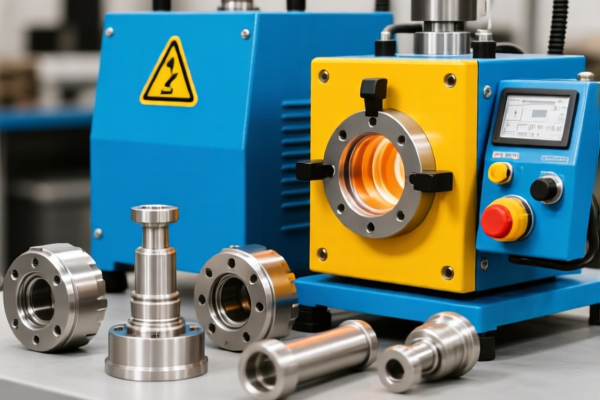
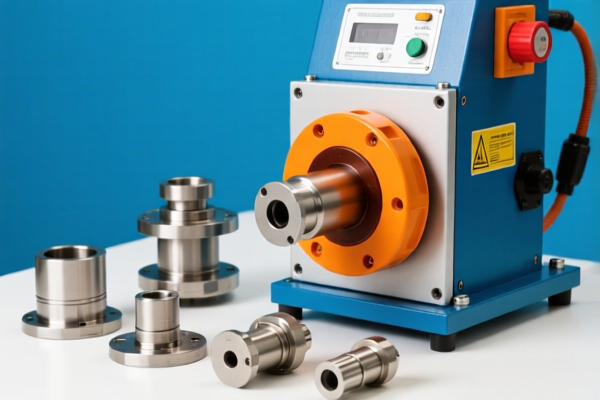
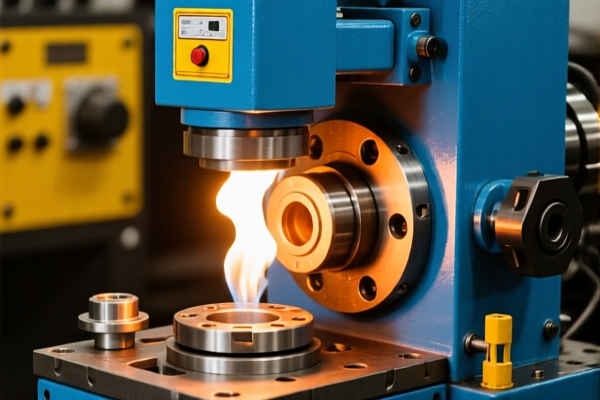
AI Analysis
🔥 Heat Treatment Machine Parts: Ultimate HS Code Guide & Customs Clearance Strategy
🌐 HS Code Reference & Customs Clearance Guide | 2026 Latest Tariff Analysis | Professional Compliance Strategy
📌 I. Product Definition & Classification: Do You Really Understand "Heat Treatment Parts"?
Heat treatment machine parts are critical components for industrial equipment used to alter the physical and chemical properties of materials through controlled heating and cooling. In international trade, these parts are generally classified based on their specific function and compatibility with specific machinery types.
Two Main Categories: 1. Parts of General Industrial Heating Equipment (Furnaces/Ovens): Components compatible with furnaces, ovens, or general industrial heating devices (e.g., heating elements, refractory linings, furnace doors). 2. Parts of Specialized Heat Treatment Equipment: Components specifically designed for machines whose primary function is "material heat treatment" (e.g., quenching tanks, specific control systems for thermal cycles).
⚠️ Key Distinction Point:
- If the part is compatible with furnaces, ovens, or brazing/soldering equipment (General Industrial Heating) → Likely 8417 or 8479.
- If the part is exclusively for dedicated heat treatment machines (classified under 8514 in some interpretations or specific machinery heads) → Likely 8514 or 8419.
- Material Conflict Check: Ensure the part is not primarily made of precious metals or specialized alloys that might trigger different subheadings, though the provided data indicates no material conflict for the listed codes.
📦 II. HS Code Classification Details (2026 Latest Tariff Authority对照)
Based on the provided data, here are the five most relevant HS Codes for "Heat Treatment Machine Parts," ranked by logical fit and tax efficiency.
| HS Code | Product Description | Application Logic | Summary from Data |
|---|---|---|---|
8419.90.85.00 |
Parts of machinery for heating, cooling, drying... | Best Fit for General Heat Treatment Machinery | Matches "Parts" and "Heat Treatment Machines" perfectly. No material conflict. |
8514.90.40.00 |
Parts of electrical industrial/professional equipment for heat treatment | Specific for "Heat Treatment Machines" as distinct entities | Matches "Heat Treatment Machines" use; "Parts" fit the category. No material conflict. |
8479.90.95.65 |
Parts of other machines/apparatus having individual functions | Generic "Parts" fallback for machinery | 'Parts' matches '零件'; 'Heat Treatment' matches 'metal treatment' logic. |
8417.90.00.00 |
Parts of furnaces, ovens, incinerators, etc. | Fits if the machine is considered a "Furnace/Oven" | "Accessories" match "Parts"; "Heat Treatment Machine" fits furnace/oven category. |
8417.80.00.00 |
Other furnaces, ovens, incinerators (Non-electric) | Fallback "Other" category for heating equipment | Inferred use as heat treatment equipment (furnace/oven); fits parts/accessories logic. |
🔍 Priority Recommendation:
-8419.90.85.00is often the most precise fit for general heat treatment machinery parts under Chapter 84.
-8514.90.40.00is specific if the equipment is strictly categorized under electrical heat treatment equipment (Chapter 85).
-8417series is suitable if the equipment is broadly defined as a furnace or oven.
💰 III. 2026 Latest Tariff Rate Detail (Including Surcharges & Policy Add-ons)
✅ Applicable Country: United States (US)
✅ Origin: China (CN)
✅ Effective Date: Current rates apply (Includes 301 Tariffs and IEEPA Add-ons)
🎯 1. 8419.90.85.00 —— Parts of Heat Treatment Machinery (Recommended)
| Item | Content |
|---|---|
| Base Tariff Rate | 0.0% (ad valorem) |
| Section 301 Surcharge | +25.0% |
| IEEPA 122 Clause Surcharge | +10.0% |
| Total Tariff Rate | 35.0% |
| Tax Calculation | CIF Value × 35% |
| De Minimis Eligibility | ❌ Not Applicable (High tariff rate excludes small packages from de minimis relief) |
| Legal Basis Path | USITC:8419.90.85.00 → Footnote:301-8419 → IEEPA:122-CLAUSE |
📌 Explanation:
- The 0% base rate is standard for many machinery parts.
- The 25% Section 301 tariff is applied to goods from China in this category.
- The 10% IEEPA 122 Clause tariff is an additional surcharge targeting specific strategic sectors.
- Total Cost Impact: A $10,000 shipment incurs $3,500 in duties.
🎯 2. 8514.90.40.00 —— Parts of Electrical Heat Treatment Equipment
| Item | Content |
|---|---|
| Base Tariff Rate | 4.0% (ad valorem) |
| Section 301 Surcharge | +25.0% |
| IEEPA 122 Clause Surcharge | +10.0% |
| Total Tariff Rate | 39.0% |
| Tax Calculation | CIF Value × 39% |
| De Minimis Eligibility | ❌ Not Applicable |
| Legal Basis Path | USITC:8514.90.40.00 → Footnote:301-8514 → IEEPA:122-CLAUSE |
📌 Explanation:
- Higher base rate (4%) results in a higher total duty (39%).
- This code is more specific to electrical heat treatment processes.
🎯 3. 8479.90.95.65 —— Generic Machinery Parts
| Item | Content |
|---|---|
| Base Tariff Rate | 0.0% |
| Section 301 Surcharge | +25.0% |
| IEEPA 122 Clause Surcharge | +10.0% |
| Total Tariff Rate | 35.0% |
| Tax Calculation | CIF Value × 35% |
| De Minimis Eligibility | ❌ Not Applicable |
| Legal Basis Path | USITC:8479.90.95.65 → Footnote:301-8479 → IEEPA:122-CLAUSE |
🎯 4. 8417.90.00.00 —— Parts of Furnaces/Ovens
| Item | Content |
|---|---|
| Base Tariff Rate | 3.9% |
| Section 301 Surcharge | +25.0% |
| IEEPA 122 Clause Surcharge | +10.0% |
| Total Tariff Rate | 38.9% |
| Tax Calculation | CIF Value × 38.9% |
| De Minimis Eligibility | ❌ Not Applicable |
🎯 5. 8417.80.00.00 —— Other Furnaces/Ovens (Non-electric)
| Item | Content |
|---|---|
| Base Tariff Rate | 3.9% |
| Section 301 Surcharge | +25.0% |
| IEEPA 122 Clause Surcharge | +10.0% |
| Total Tariff Rate | 38.9% |
| Tax Calculation | CIF Value × 38.9% |
| De Minimis Eligibility | ❌ Not Applicable |
📌 Conclusion:
- Lowest Total Tariff: 35.0% (8419.90.85.00and8479.90.95.65).
- Highest Total Tariff: 39.0% (8514.90.40.00).
- Recommendation: Aim for8419.90.85.00as it logically aligns best with "Heat Treatment Machines" and offers the lowest duty burden (35%).
🛠️ IV. Customs Clearance Practical Advice (Real-World Pitfall Guide)
✅ 1. Required Documentation Checklist (Missing items cause delays)
| Document | Mandatory? | Explanation |
|---|---|---|
| ✅ Product Specification Sheet | ✔️ | Must detail temperature range, power input, and specific machine compatibility. |
| ✅ Engineering Drawings/Parts List | ✔️ | Proves the item is a "part" and not a finished machine. |
| ✅ Product Photos (Labeled) | ✔️ | Show model numbers, part numbers, and any technical markings. |
| ✅ Commercial Invoice | ✔️ | Clearly state: "Parts for Heat Treatment Machine, Model XYZ" – Do not just write "Machine Parts". |
| ✅ Packing List | ✔️ | List parts individually with weights and dimensions. |
| ✅ Origin Certificate (CO) | ✔️ | Mandatory for China origin to apply specific tariffs. |
✅ 2. Declaration Tips (Key Mantras)
🔥 "Specify the Machine, Not Just the Part!"
| Scenario | Correct Declaration | Incorrect Practice |
|---|---|---|
| General Heat Treatment Equipment | 8419.90.85.00 |
Declaring as generic "Machinery Parts" → Risk of reclassification. |
| Electrical Heat Treatment | 8514.90.40.00 |
Declaring as 8419 → Potential audit for misclassification. |
| Furnace/Oven Component | 8417.90.00.00 |
Declaring as 8419 → Conflict if equipment is strictly a furnace. |
| Bundled Parts | Single HS Code | Splitting parts into multiple low-value categories → Red Flag for Evasion. |
⚠️ Critical Warning:
- If you declare "Parts" without specifying which machine they belong to, Customs may reject the classification or apply the highest possible duty.
- Ensure the description links the part to the function (e.g., "Heating Element for Furnace" vs. "Heating Element for Oven").
✅ 3. Special Situation Handling
| Situation | Handling Advice |
|---|---|
| OEM Custom Parts | Provide the End-User Manual or Machine Blueprint to prove compatibility with a specific HS Code machine. |
| Mixed Shipment | Do not mix "Heat Treatment Parts" with unrelated goods (e.g., electronics) in one container if possible, to simplify classification. |
| High-Value Parts | Consider applying for an Advance Ruling from CBP to lock in the 35% rate and avoid post-audit penalties. |
| Material Composition | If parts are made of specific high-temp alloys, ensure the description highlights this to support the "Industrial Machinery" classification. |
🌍 V. Global Market Clearance Comparison (2026 Latest)
| Country/Region | Recommended HS Code | Tariff (China Origin) | Certification Requirements | Notes |
|---|---|---|---|---|
| 🇺🇸 USA | 8419.90.85.00 |
35.0% | None (Standard) | Highest duty burden; strict 301 enforcement. |
| 🇨🇳 China | 8419.90.85.00 |
~0-5% (Import Duty) | CCC (if applicable) | No 301 tariffs domestically. |
| 🇪🇺 EU | 8419.90.85.00 |
~2-4% | CE Marking | No Section 301 or IEEPA surcharges. |
| 🇬🇧 UK | 8419.90.85.00 |
~2-4% | UKCA Marking | Post-Brexit rules apply; no US surcharges. |
| 🇨🇦 Canada | 8419.90.85.00 |
0% (under CUSMA) | CSA/UL Certification | Preferential duty under USMCA/CUSMA if applicable. |
📌 Conclusion:
- USA is the most challenging market due to 35%+ total tariffs.
- EU/UK/Canada offer significantly lower duty burdens but require strict compliance with local safety standards (CE/UKCA/CSA).
- If your supply chain is China-based, consider transshipment or third-country assembly (e.g., Vietnam, Mexico) to mitigate US tariffs, though rules of origin are strictly enforced.
📌 VI. Common Errors & Pitfall Guide (Lessons Learned)
❌ Error 1: Declaring "Heat Treatment Parts" without specifying the machine type.
👉 Consequence: CBP may reclassify to the highest duty code or delay shipment for further examination.
❌ Error 2: Misclassifying electrical parts under non-electrical codes (e.g., 8417 vs 8514).
👉 Consequence: Potential penalty for misdeclaration; may result in higher duties (39% vs 35%).
❌ Error 3: Ignoring the IEEPA 122 Clause.
👉 Consequence: Failure to include the 10% surcharge in cost calculations leads to underpayment and future audits.
❌ Error 4: Using vague descriptions like "Machine Accessories".
👉 Consequence: Customs officers may interpret this broadly and apply higher general duty rates.
✅ Correct Approach:
"Replacement Heating Element for Industrial Heat Treatment Furnace, Model HT-2000, Compatible with [Manufacturer Name], Made of [Material], HS Code: 8419.90.85.00"
🎯 VII. Conclusion: Precision in Classification, Efficiency in Clearance
🎯 Remember the Mantras:
🔹 "Specify the Machine, Secure the Code!"
🔹 "35% is the Target, 39% is the Risk!"
🔹 "No De Minimis for Parts, Plan Your Costs!"
📌 Pro Tip:
If your parts are critical and high-value, apply for a CBP Advance Ruling before shipment. This provides legal certainty and protects you from retroactive duty assessments.
📣 Take Action Now:
📞 Contact a Licensed Customs Broker + Provide Technical Datasheets + Request HS Code Confirmation
🚀 Ensure Smooth Clearance, Reduce Duties, and Protect Your Margins!
✨ Professional Classification Starts with Precision!
💼 Every Dollar Saved in Duties is a Dollar Added to Your Profit!
Customer Reviews
About HS Code Classification
The Harmonized System (HS) is an internationally standardized nomenclature developed by the World Customs Organization (WCO) to classify traded products. Over 200 countries use the HS system as the basis for customs tariffs, trade statistics, and import/export regulations.
Each HS code follows a hierarchical structure:
- Chapter (2 digits) — Broad category of goods (e.g., Chapter 84: Machinery and Mechanical Appliances)
- Heading (4 digits) — More specific grouping within the chapter
- Subheading (6 digits) — Internationally standardized breakdown, used by all WCO member countries
- National subdivisions (8-10 digits) — Country-specific extensions for further classification, such as US HTSUS 10-digit codes
Correct HS code classification is essential for smooth customs clearance, accurate duty payment, and compliance with trade regulations. Misclassification can lead to customs delays, overpayment of duties, or penalties.
When importing from CN to US, the applicable tariff rates may include:
- Most-Favored-Nation (MFN) rate — The standard duty rate applied to WTO members
- General rate — Applied to countries without trade agreements
- Trade remedy duties — Additional tariffs such as Section 301 (anti-dumping), Section 232 (national security), or countervailing duties
The information provided on this page is for reference purposes only. For official classification, please consult with your local customs authority or a licensed customs broker.