Heated Knee Massager
CN → US| HS Code | Tariff Rate | Origin | Destination | Doc |
|---|---|---|---|---|
| 8509805080 | 14.2% | CN | US | Official Doc |
| 9019102010 | 10.0% | CN | US | Official Doc |
| 9506996080 | 21.5% | CN | US | Official Doc |
| 8509805095 | 14.2% | CN | US | Official Doc |
| 9019102050 | 10.0% | CN | US | Official Doc |
Product Images
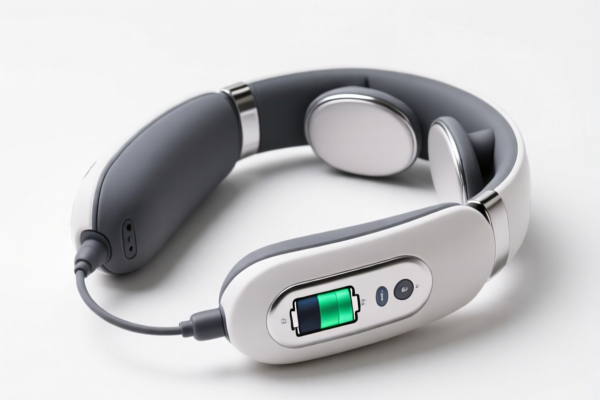
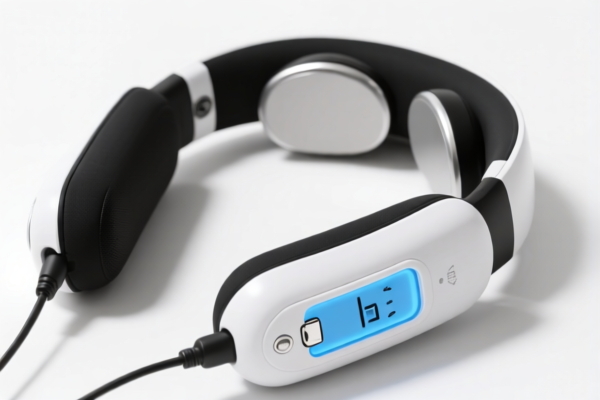
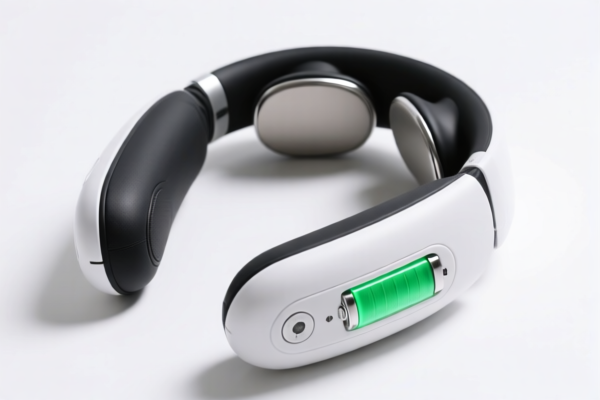
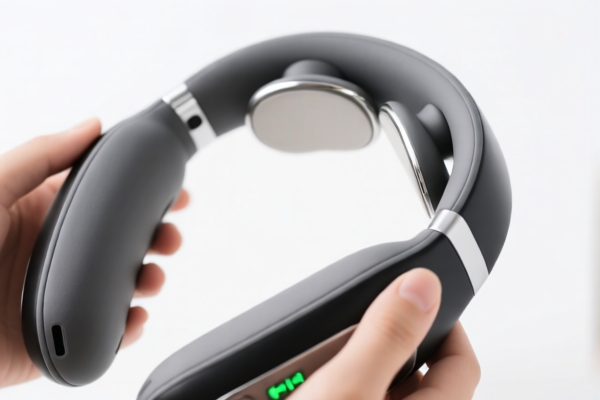
AI Analysis
🦵 Heated Knee Massager (The Ultimate Joint Care Solution)
🌐 HS Code Reference & Customs Clearance Guide | 2026 Latest Tariff Analysis | Professional Clearance Strategy
📌 I. Product Definition & Classification: What Exactly is a "Heated Knee Massager"?
A Heated Knee Massager is a specialized consumer wellness device designed to alleviate joint pain, stiffness, and muscle tension in the knee area. It combines thermal therapy (heating) with mechanical massage (vibration, kneading, or air compression).
In international trade, its classification is controversial because it straddles two major categories: 1. Home Appliances (Ch 85): If viewed primarily as an electrical household appliance for personal care. 2. Medical/Physiotherapy Devices (Ch 90): If viewed as a device for mechanical therapy or rehabilitation.
⚠️ Key Distinction Point:
- If the device is marketed and structured as a general household comfort item (like a massage gun or electric foot massager) → Likely falls under 8509.
- If it is marketed as a medical-grade physiotherapy aid for specific therapeutic treatment → Likely falls under 9019.
- If it is considered a fitness/rehab tool without specific medical claims → Might fall under 9506.
📦 II. HS Code Classification Details (Based on Provided Data)
Below are the five potential HS Codes provided in the source data, ranked by their logical fit and tax implications.
| HS Code | Product Description | Logic for Classification |
|--------|--------------------------|
| 8509.80.50.80 | Electrically Operated Household Appliances | Fits as a "home appliance with massage function." Finished consumer good. |
| 9019.10.20.10 | Mechanical Therapy Appliances | Fits as a "massage device" under mechanical therapy/physiotherapy categories. |
| 9506.99.60.80 | Recreational/Sports Equipment | Fits as a "massage instrument" for sports recovery or rehabilitation training. |
| 8509.80.50.95 | Other Electric Household Appliances | Fits as a "home appliance with its own electric motor." General electric category. |
| 9019.10.20.50 | Other Massage Appliances | Fits as a "massage device" not specifically电动 (electric) or mechanical in a narrow sense, generic category. |
💰 III. 2026 Latest Tariff Rate Breakdown (Detailed Analysis)
✅ Applicable Market: United States (US)
✅ Origin: China (CN) (Implied by "Section 122" and high rates typical of US-China trade)
✅ Effective Time: Current trade restrictions apply.
🎯 1. 8509.80.50.80 — Household Appliances (Primary Choice)
| Item | Content |
|---|---|
| Base Tariff | 4.2% |
| Section 301 / Additional Tariff | 0.0% |
| Section 122 Tariff | +10% |
| Total Tariff Rate | 14.2% |
| Tax Calculation | CIF Value × 14.2% |
| De Minimis Exemption | ❌ No (Likely subject to de minimis threshold checks for Section 301/122) |
| Legal Basis | Standard HTSUS + Section 122 Additions |
📌 Explanation:
- This code is favorable if the Customs Broker can argue the product is a standard household appliance rather than a medical device. - Total Cost Impact: 14.2% is moderate but significant for low-margin goods. - Note: "Section 122" refers to specific retaliatory or emergency tariffs often applied to Chinese imports.
🎯 2. 9019.10.20.10 — Mechanical Therapy Devices (Lowest Base Tax)
| Item | Content |
|---|---|
| Base Tariff | 0.0% |
| Section 301 / Additional Tariff | 0.0% |
| Section 122 Tariff | +10% |
| Total Tariff Rate | 10.0% |
| Tax Calculation | CIF Value × 10.0% |
| De Minimis Exemption | ❌ No |
| Legal Basis | Chapter 90 (Medical/Technical) + Section 122 |
📌 Explanation:
- Most Cost-Effective Option among the provided codes. - Risk: Customs may challenge this if the product is deemed "cosmetic" or "wellness" rather than "therapeutic medical." Requires strong marketing materials emphasizing health benefits and physiotherapy.
🎯 3. 9506.99.60.80 — Sports/Rehab Equipment (Highest Tax Risk)
| Item | Content |
|---|---|
| Base Tariff | 4.0% |
| Section 301 / Additional Tariff | +7.5% |
| Section 122 Tariff | +10% |
| Section 232/Steel-Alt Tariff | +50% (If contains steel/aluminum/copper components) |
| Total Tariff Rate | 21.5% (Standard) / Up to 71.5% (Metal-rich) |
| Tax Calculation | CIF Value × 21.5% (or higher if metal content triggers Section 232) |
| De Minimis Exemption | ❌ No |
| Legal Basis | Chapter 95 (Toys/Sports) + Section 122 + Section 232 |
📌 Explanation:
- Highest Risk Code. - The 7.5% Section 301 tariff makes this expensive. - CRITICAL WARNING: If the knee massager has a metal frame, steel hinges, or aluminum casing, the 50% Section 232 (Steel/Aluminum) tariff may apply, pushing the total rate to 71.5%. Avoid this code unless you are 100% sure about material composition and classification.
🎯 4. 8509.80.50.95 — Other Electric Household Appliances
| Item | Content |
|---|---|
| Base Tariff | 4.2% |
| Section 301 / Additional Tariff | 0.0% |
| Section 122 Tariff | +10% |
| Total Tariff Rate | 14.2% |
| Tax Calculation | CIF Value × 14.2% |
| De Minimis Exemption | ❌ No |
| Legal Basis | Standard HTSUS + Section 122 |
📌 Explanation:
- Same tax rate as8509.80.50.80. - Used when the product doesn't fit the specific "massage appliance" subheading in 8509.80.50.80 but is still an electric home device.
🎯 5. 9019.10.20.50 — Other Massage Appliances
| Item | Content |
|---|---|
| Base Tariff | 0.0% |
| Section 301 / Additional Tariff | 0.0% |
| Section 122 Tariff | +10% |
| Total Tariff Rate | 10.0% |
| Tax Calculation | CIF Value × 10.0% |
| De Minimis Exemption | ❌ No |
| Legal Basis | Chapter 90 + Section 122 |
📌 Explanation:
- Tied for Lowest Tax with9019.10.20.10. - Broad category for massage devices not specifically classified elsewhere in 9019. - Requires proof that it is a "massage appliance" and not a general home appliance.
🛠️ IV. Customs Clearance Practical Advice (Real-World Pitfall Guide)
✅ 1. Preparation Checklist (Non-Negotiable)
| Document | Mandatory? | Description |
|---|---|---|
| ✅ Product Specification Sheet | ✔️ | Must detail heating elements, motor type, voltage, and massage mechanism. |
| ✅ Material Composition List | ✔️ | Crucial for 9506 avoidance. Prove if it contains steel/aluminum to avoid 50% penalty. |
| ✅ Product Photos (Labeled) | ✔️ | Show the device in use, highlighting control panel, heating indicator, and packaging. |
| ✅ Marketing Materials | ✔️ | Ads claiming "medical treatment" support 9019 classification. Ads claiming "spa relaxation" support 8509. |
| ✅ Commercial Invoice | ✔️ | Describe accurately: "Electric Heated Knee Massager for Home Use." |
| ✅ Certificate of Origin | ✔️ | If applicable, to verify origin for Section 122 applicability. |
| ✅ FCC/CE Certification | ✔️ | Required for electrical devices. FCC is mandatory for US import. |
✅ 2. Declaration Strategy (Key Mantras)
🔥 "Claim Treatment for 9019, Claim Home Appliance for 8509, Avoid Metal for 9506!"
| Scenario | Recommended HS Code | Reasoning |
|---|---|---|
| Medical Focus (e.g., "Relieves Arthritis Pain") |
9019.10.20.10 or 9019.10.20.50 |
Lowest Tax (10%). Must provide docs showing therapeutic intent. |
| Wellness/Home Focus (e.g., "Relaxing Knee Massager") |
8509.80.50.80 or 8509.80.50.95 |
Medium Tax (14.2%). Safer if medical claims are weak. |
| Sports Recovery (e.g., "Post-Run Massage") |
9506.99.60.80 |
High Tax (21.5%+). Only use if confident no metal triggers Section 232. |
✅ 3. Special Situation Handling
| Situation | Handling Advice |
|---|---|
| Metal Components Present | If the massager has a metal frame, AVOID 9506.99.60.80. The 50% steel/aluminum tariff will destroy margins. |
| OEM/Private Label | Ensure the supplier’s invoice matches the description. Discrepancies trigger audits. |
| "Medical Device" Claims | If you market it as a "FDA-cleared medical device," you must use Chapter 90. Misclassifying a medical device as a home appliance can lead to severe penalties. |
| Kit Contents | If sold with extra gel packs or straps, declare as a single set under the main device’s HS code. Do not split unless necessary. |
🌍 V. Global Market Comparison (2026 Context)
| Market | Recommended HS Code | Est. Tariff (China Origin) | Key Certification | Notes |
|---|---|---|---|---|
| 🇺🇸 USA | 9019.10.20.10 |
10.0% | FCC + FDA (if medical) | Best Option. Low base rate. Section 122 adds 10%. |
| 🇺🇸 USA | 8509.80.50.80 |
14.2% | FCC | Alternative if not medical. Higher than 9019. |
| 🇨🇳 China | 9019.10.20.10 |
~10% | N/A (Domestic) | Import tariffs vary. |
| 🇪🇺 EU | 9019.10.20.10 |
0% (Likely) | CE + RoHS | EU often has lower tariffs for health devices. |
📌 Conclusion for US Market:
- Target9019.10.20.10if your marketing supports "therapy" or "medical" benefits.
- Target8509.80.50.80if it’s a general wellness product.
- Avoid9506due to high risk of Section 232 steel/aluminum tariffs.
📌 VI. Common Errors & Pitfall Guide (Lessons Learned)
❌ Error 1: Claiming "Medical Device" to get 0% base tax but using 8509 (Home Appliance) code.
👉 Consequence: Customs audit. If they prove it’s medical, they may reclassify and penalize for misdeclaration.
❌ Error 2: Using 9506.99.60.80 for a massager with a metal frame.
👉 Consequence: 50% Section 232 Tariff applies. Total tax could jump from 21.5% to 71.5%.
❌ Error 3: Ignoring Section 122.
👉 Consequence: All codes provided include a +10% Section 122 tariff. Assuming 0% total tax is a fatal mistake.
✅ Correct Approach:
"Electric Heated Knee Massager, Model XYZ, for personal therapeutic use. Materials: Plastic housing, silicone padding, electronic motor. FCC Certified."
🎯 VII. Conclusion: Smart Classification Saves Money
🎯 Remember the Mantra:
🔹 "Therapy = 9019 (10%), Home = 8509 (14.2%), Sports = 9506 (21.5%+)."
🔹 "Metal Frame = 50% Penalty Avoider!"
🔹 "Section 122 Adds 10% to All!"
📌 Pro Tip:
If your product has strong medical indications (e.g., treats arthritis, post-surgery rehab), push for 9019.10.20.10. It offers the lowest total tariff (10%). If it’s just for "relaxation," use 8509.80.50.80 (14.2%).
📣 Immediate Action:
📞 Consult your customs broker with product specs and marketing materials.
🚀 Classify correctly, save 4-10% in tariffs, and ensure smooth customs clearance.
✨ Professional Clearance Starts with Precise Classification!
💼 Every Percent Saved is Pure Profit!
Customer Reviews
About HS Code Classification
The Harmonized System (HS) is an internationally standardized nomenclature developed by the World Customs Organization (WCO) to classify traded products. Over 200 countries use the HS system as the basis for customs tariffs, trade statistics, and import/export regulations.
Each HS code follows a hierarchical structure:
- Chapter (2 digits) — Broad category of goods (e.g., Chapter 84: Machinery and Mechanical Appliances)
- Heading (4 digits) — More specific grouping within the chapter
- Subheading (6 digits) — Internationally standardized breakdown, used by all WCO member countries
- National subdivisions (8-10 digits) — Country-specific extensions for further classification, such as US HTSUS 10-digit codes
Correct HS code classification is essential for smooth customs clearance, accurate duty payment, and compliance with trade regulations. Misclassification can lead to customs delays, overpayment of duties, or penalties.
When importing from CN to US, the applicable tariff rates may include:
- Most-Favored-Nation (MFN) rate — The standard duty rate applied to WTO members
- General rate — Applied to countries without trade agreements
- Trade remedy duties — Additional tariffs such as Section 301 (anti-dumping), Section 232 (national security), or countervailing duties
The information provided on this page is for reference purposes only. For official classification, please consult with your local customs authority or a licensed customs broker.