Heater
CN → US| HS Code | Tariff Rate | Origin | Destination | Doc |
|---|---|---|---|---|
| 8516290030 | 38.7% | CN | US | Official Doc |
| 8516290060 | 38.7% | CN | US | Official Doc |
| 7321116000 | 85.0% | CN | US | Official Doc |
Product Images

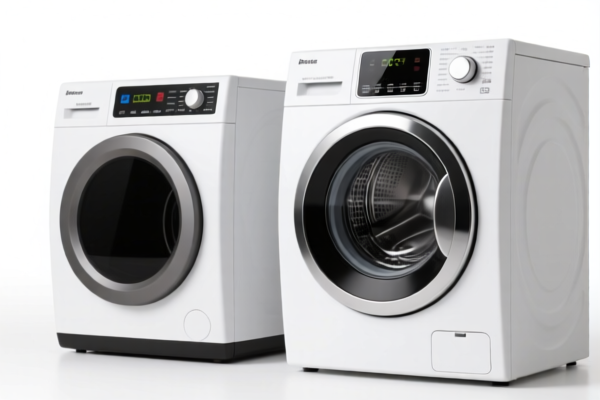
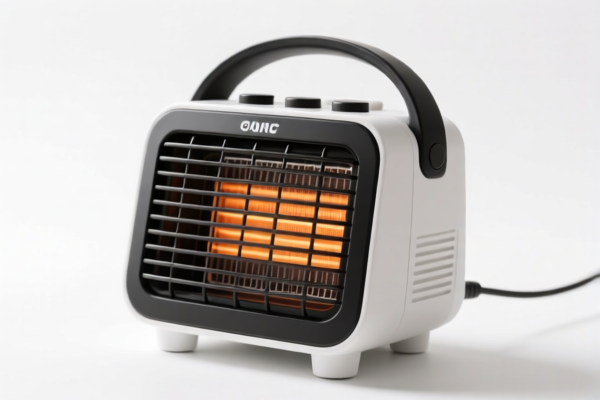
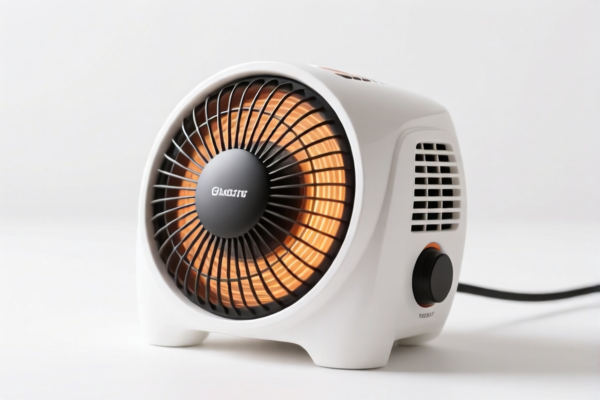
AI Analysis
🌡️ Heaters (Electric & Gas Space Heaters)
🌐 HS Code Classification & Customs Clearance Guide | 2026 Tax Analysis | Strategic Entry Strategy
📌 I. Product Definition & Classification: Do You Know Which Heater You're Shipping?
Heaters are essential appliances for thermal comfort in residential, commercial, and industrial settings. In international trade, they are strictly categorized by their energy source (Electric vs. Gas) and material composition, which directly determines the HS Code and the often-prohibitive tariff rates.
Key Classification Distinction: * Electric Heaters (Portable/Non-Portable): Must be classified under 8516. * Gas/Fuel Heaters (Iron/Steel Construction): Must be classified under 7321.
⚠️ Critical Alert:
- Electric Heaters are subject to a combined duty rate of 38.7% (Base + Section 232 + Section 122/China-specific).
- Gas/Steel Heaters face a staggering 85.0% total duty due to steel-specific anti-dumping/countervailing measures.
Misclassification here is extremely costly.
📦 II. HS Code Classification Details (2026 Customs Data)
| HS Code | Product Description | Material/Energy Source | Applicable Scenario |
|---|---|---|---|
8516.29.00.30 |
Electric Space Heaters (Portable/Non-Portable) | Electricity | Portable electric heaters, electric convectors, radiant heaters. |
8516.29.00.60 |
Electric Space Heaters (Other Types) | Electricity | Other types of portable space heaters not specifically listed under .30. |
7321.11.60.00 |
Gas/Fuel Heaters (Iron/Steel) | Iron/Steel + Gas | Gas-fired warmers, heating discs, and heaters made of iron or steel. |
🔍 Key Differentiator:
- If the product uses electricity, it must go to 8516.
- If the product uses gas/fuel AND is made of iron or steel, it must go to 7321.
- Do not mix these categories. The tariff difference (38.7% vs. 85.0%) is massive.
💰 III. 2026 Tariff Rate Breakdown (Detailed Tax Analysis)
✅ Target Market: United States (US)
✅ Origin: China (CN)
✅ Status: High-Risk Import Category
🎯 A. Electric Heaters (8516.29.00.30 & 8516.29.00.60)
| Tax Component | Rate | Source/Description |
|---|---|---|
| Base Duty | 3.7% | Standard Most-Favored-Nation (MFN) rate. |
| Section 232 Duty | 25.0% | Steel/Aluminum/Global Security surcharge (often applied broadly to 8516). |
| Section 122 Duty | 10.0% | Specific China-related surcharge (often part of 301/China tariffs). |
| Total Duty Rate | 38.7% | Sum of all components. |
| Calculation | CIF Value × 38.7% |
Total duty payable. |
| De Minimis | ❌ No | Not eligible for low-value exemptions. |
📌 Explanation:
Electric heaters are targeted by both Section 232 (national security for industrial products) and Section 122/301 (China-specific trade remedies). The 38.7% rate applies regardless of whether the heater is portable or stationary.
🎯 B. Gas Heaters (7321.11.60.00)
| Tax Component | Rate | Source/Description |
|---|---|---|
| Base Duty | 0.0% | Standard MFN rate for this specific subheading is often low or zero. |
| Section 232 Duty | 25.0% | Applied to steel products. |
| Steel/Aluminum/Copper Surcharge | 50.0% | Critical: This specific surcharge applies to "Steel, Aluminum, and Copper products" in the context of 7321.11.60. |
| Section 122 Duty | 10.0% | China-specific surcharge. |
| Total Duty Rate | 85.0% | 0% + 25% + 50% + 10% = 85%. |
| Calculation | CIF Value × 85.0% |
Extremely high duty. |
📌 Explanation:
Gas heaters made of iron or steel trigger a specific 50% surcharge in addition to the standard 25% Section 232 duty and 10% Section 122 duty. This results in an 85.0% total tariff, making these items prohibitively expensive for US import without significant cost adjustments.
🛠️ IV. Customs Clearance Practical Advice (Avoiding Pitfalls)
✅ 1. Documentation Checklist (Mandatory)
| Document | Requirement | Why It Matters |
|---|---|---|
| Technical Specification Sheet | ✅ Must Include | Must explicitly state: Energy Source (Electric/Gas) and Primary Material (Iron/Steel/Plastic). |
| Component List | ✅ Must Include | Distinguish between heating element (Electric) and burner system (Gas). |
| Product Photos | ✅ Must Include | Show铭牌 (Nameplate) with input voltage (220V/110V) vs. gas connection type. |
| Material Declaration | ✅ Must Include | Crucial for 7321. Must confirm "Made of Iron or Steel" to avoid audit. |
| Commercial Invoice | ✅ Must Include | Description must match HS Code (e.g., "Electric Space Heater" NOT just "Heater"). |
✅ 2. Classification Strategy (Golden Rules)
🔥 "Energy Source First, Material Second!"
| Scenario | Correct HS Code | Incorrect HS Code | Consequence |
|---|---|---|---|
| Portable Electric Heater | 8516.29.00.30 |
7321.11.60.00 |
Penalty: 85% vs 38.7% + Audit risk. |
| Gas Heater (Iron Body) | 7321.11.60.00 |
8516.29.00.60 |
Penalty: 85% vs 38.7% + Steel Surcharge applies. |
| Gas Heater (Plastic Body) | Likely 7321 or 8516 |
8516.29.00.30 |
Risk of Misclassification; Plastic body may still fall under gas heater rules but avoid steel surcharges. |
Key Tip: If the product is electric, do not declare it as gas, even if it looks similar. The tax difference is 46.3% (85% - 38.7%).
✅ 3. Special Handling for High-Tax Items
| Situation | Recommendation |
|---|---|
| High Tariff (85%) | Re-evaluate Supply Chain: Can you ship components for assembly abroad? Or source from non-China countries to avoid Section 122? |
| Electric Heaters (38.7%) | Optimize Packaging: Ensure no extra components (like gas canisters) are included accidentally, which could shift classification. |
| Steel Content | For 7321, verify if the "steel" content is purely structural or if it triggers additional anti-dumping duties beyond the 50% surcharge. |
🌍 V. Market Comparison (2026)
| Market | Typical HS Code for Heater | Effective Duty Rate | Notes |
|---|---|---|---|
| 🇺🇸 USA | 8516.29.00.30 / 7321.11.60.00 |
38.7% (Electric) / 85.0% (Gas/Steel) | Highest Risk. Strict enforcement of Section 232 & 122. |
| 🇪🇺 EU | 8516 / 7321 |
~4-10% | Generally lower duties; focus on CE certification, not Section 232. |
| 🇨🇦 Canada | 8516 / 7321 |
~5-10% | CUSMA trade benefits may apply if origin is Canada/Mexico. |
| 🇦🇺 Australia | 8516 / 7321 |
~5% | Focus on RCM labeling. |
📌 VI. Common Mistakes & Blood-Teach Lessons
❌ Mistake 1: Calling all heaters "Electric" to save tax.
👉 Result: If it's a gas heater made of steel, declaring it as electric (8516) leads to seizure and fines for false declaration.
👉 Fix: Be precise: "Gas Heater" or "Electric Heater".
❌ Mistake 2: Ignoring the Material Composition.
👉 Result: Declaring a steel gas heater as 8516 (Electric) to avoid the 50% Steel Surcharge.
👉 Fix: If it's steel + gas, it is 7321. The 85% duty is real.
❌ Mistake 3: "De Minimis" Exploitation.
👉 Result: Attempting to ship heaters under $800 to bypass duty.
👉 Fix: Impossible. Heaters are high-value, high-risk items. De Minimis does not apply to Section 232/122 items.
✅ Correct Practice:
"Portable Electric Space Heater, 1500W, Plastic Housing, UL Certified" →
8516.29.00.30
"Gas Warmers, Iron/Steel Body, Propane Compatible" →7321.11.60.00
🎯 VII. Conclusion: Strategy for Success
🎯 The Takeaway:
- Electric Heaters: 38.7% is high, but manageable with margin planning.
- Gas/Steel Heaters: 85.0% is a deal-breaker. Avoid importing these directly from China to the US unless you have a robust cost structure or alternative sourcing.
🔹 "Source from non-China" → Avoid Section 122 (10%).
🔹 "Check Material" → Avoid Steel Surcharge (50%).
🔹 "Verify Energy" → Avoid Misclassification Penalties.
📌 Action Item:
Before shipping any heater to the US:
1. Confirm Energy Source (Electric vs. Gas).
2. Confirm Primary Material (Steel/Iron vs. Plastic).
3. Calculate the Total Duty (38.7% vs 85.0%).
4. Apply for Pre-Ruling if unsure.
✨ Precise Classification = Cost Savings!
💼 Your profit margin depends on these two HS Codes.
Customer Reviews
About HS Code Classification
The Harmonized System (HS) is an internationally standardized nomenclature developed by the World Customs Organization (WCO) to classify traded products. Over 200 countries use the HS system as the basis for customs tariffs, trade statistics, and import/export regulations.
Each HS code follows a hierarchical structure:
- Chapter (2 digits) — Broad category of goods (e.g., Chapter 84: Machinery and Mechanical Appliances)
- Heading (4 digits) — More specific grouping within the chapter
- Subheading (6 digits) — Internationally standardized breakdown, used by all WCO member countries
- National subdivisions (8-10 digits) — Country-specific extensions for further classification, such as US HTSUS 10-digit codes
Correct HS code classification is essential for smooth customs clearance, accurate duty payment, and compliance with trade regulations. Misclassification can lead to customs delays, overpayment of duties, or penalties.
When importing from CN to US, the applicable tariff rates may include:
- Most-Favored-Nation (MFN) rate — The standard duty rate applied to WTO members
- General rate — Applied to countries without trade agreements
- Trade remedy duties — Additional tariffs such as Section 301 (anti-dumping), Section 232 (national security), or countervailing duties
The information provided on this page is for reference purposes only. For official classification, please consult with your local customs authority or a licensed customs broker.